Pokémon TCG Pocket - Card Game
- 29.71K
- 4.5
- Installs
- 10.00M
- Price
- Free

Screenshots





Analysis by Reviewed
I like Pokémon TCG Pocket most when I treat it as a compact Pokémon card hobby rather than a substitute for every part of the tabletop game. It gives me something satisfying to collect, a reason to think about deck choices, and the convenience of playing on a phone. Its strongest quality is how naturally those parts fit together; its main limitation is that the collecting loop and optional spending may matter as much as battling for some players.
A card game built for spare moments
That balance makes it easier to recommend to someone who wants Pokémon-themed card play without making every session a major commitment. I can picture using it on a commute or during a quiet break: check the collection, think through a small deck adjustment, then play if I have enough time to focus. If I only have a minute, browsing cards still feels like a useful visit, though I would avoid starting a match when I know I’ll need to put the phone away mid-turn.
The game is free to download, and its Everyone age rating makes it approachable for a broad audience. That does not mean every household will want the same rules around play or spending. If a child is using it, I’d agree on purchase limits beforehand and make sure they understand that paid items are optional rather than a shortcut to a guaranteed card. For adults, the same simple boundary can keep a casual collecting habit from becoming an impulse-buying routine.
The Pokémon Card Game in Your Pocket
What makes Pokémon TCG Pocket stand out is the way it puts collecting and battling together in a format that feels easy to dip into. I see it as a lighter, phone-first take on a familiar card-game hobby: it gives Pokémon fans a reason to enjoy the artwork and make tactical choices without requiring every play session to become a long tabletop-style event.
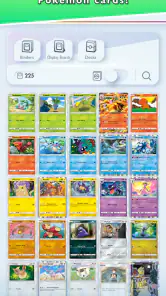
Collecting, Decks, and Decisions
First off, let’s talk about what Pokémon TCG Pocket brings to the table. Essentially, it’s a digital adaptation of the classic Pokémon Trading Card Game. For those who’ve spent countless hours collecting, trading, and battling Pokémon cards, this app is a dream come true. It’s like having your entire card collection in your pocket, ready to battle at any time.
The collecting side is a big part of the appeal, but it also shapes how I approach the game. I’d treat each new card as a prompt to revisit a deck rather than assuming that one rare-looking pull automatically improves it. A useful habit is to check whether a card supports the plan your deck already follows: a collection can feel exciting while still leaving you short of the pieces needed for a consistent strategy. That distinction keeps collecting fun without mistaking a fuller binder for a stronger battle lineup.
Gameplay and Features
So, what’s the gameplay all about? Well, the app lets you build your own decks from a wide variety of cards, each featuring your favorite Pokémon. The strategic depth is immense, and it’s incredibly satisfying to plan out your deck and execute your strategy in battles. The interface is intuitive, making deck building a breeze, even for newcomers.
More From Our News Desk

Weather by Xiaomi Review: Clear at a Glance, Less Clear Up Close

X Under Pressure: Can It Recover When Posting Goes Wrong?

Clash of Clans Is Won Between the Battles

Android Auto Makes the Case for Quieter Car Software

MobiOffice: Transforming Mobile Productivity with Seamless Integration

EA SPORTS FC™ Mobile Soccer: Redefining Mobile Sports Gaming
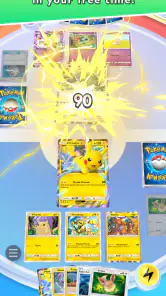
The battles themselves are engaging and require a good blend of strategy and Pokémon knowledge. You can compete against AI players or challenge friends in real-time battles, which adds a nice competitive edge. The thrill of drawing the perfect card at the right moment never gets old!
I’d use the AI battles as a low-pressure place to learn how a deck behaves before taking it into a match with another person. Pay attention not only to wins, but to where a plan stalls: whether a key Pokémon arrives too late, or whether the deck has too many cards that depend on one another. Then make one deliberate adjustment and test again. This is more useful than changing several cards after every loss, because it helps you understand whether a problem came from the deck or simply an unlucky draw.
Compared with physical Pokémon cards, the phone version is far easier to carry around and start when I have a spare moment; it also removes the need to lay out cards on a table. The trade-off is that digital collecting doesn’t replace the tactile pleasure of handling a physical deck, and the screen can make a close match feel less social than sitting across from another player. If your main goal is face-to-face play or building a collection you can hold and trade in person, the tabletop game is a better fit. If you want quick access to Pokémon-themed card play, this version makes more sense.
There is also a difference between Pocket and a card-game app chosen mainly for demanding competition. Here, I would not judge the experience only by how quickly I can climb or how often I win. The collection itself, the art, and the chance to try a deck idea are part of the attraction. Someone who wants every session to revolve around tightly optimized play may prefer a client designed around that priority; someone who likes to alternate between collecting and playing is more likely to appreciate Pocket’s broader rhythm.
A small but useful deck-building discipline is to keep track of the reason behind each change. If I add a card because it solves a recurring problem, I can test whether that problem actually improves; if I add it only because it looks appealing, I should be honest about that too. Separating those motives makes the collection more enjoyable and prevents a favorite card from being blamed for a deck that simply needs a different overall plan.
Presentation and Ease of Use
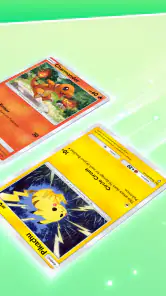
Visually, the app is a treat. The card artwork is beautifully rendered, and the animations during battles are smooth and vibrant. It really captures the essence of the Pokémon world. The sound effects and music add to the atmosphere, making every battle feel epic.
For a short everyday session, I can imagine opening it during a quiet break, checking a new card, and playing a match without needing to set anything up. I’d keep sound low or off in public and use the calmer moments to inspect cards and refine a deck, saving focused battles for when I have time to follow each turn. That division makes the game easier to fit around a routine, rather than letting collection screens and one-more-match momentum stretch a brief pause into a longer session.
One practical consideration is spending. The game is free to download, but it includes optional in-app purchases, with listed items ranging from $0.99 to $99.99. I’d set a personal limit before browsing purchase options, especially if collecting is the part that hooks you. Spending can add friction to a hobby that is otherwise easy to enjoy casually, and a purchase should not be treated as a guarantee of getting the specific cards you want.
Because the screen is where both the artwork and the battle decisions live, readability matters more here than it might in a game built around large, simple buttons. I’d try a few matches in the way I expect to play most often, rather than deciding from a quick first launch. If card text feels cramped on my phone or animations distract me in a busy setting, I’d save battles for a more comfortable moment and use short visits for collection browsing instead.
User Experience
One of the things I appreciate about Pokémon TCG Pocket is its accessibility. Whether you’re a seasoned player or a rookie, the app offers tutorials and guides to help you get started. The user interface is clean and easy to navigate, which enhances the overall experience.
The game is published by The Pokémon Company and is rated Everyone, so it’s approachable for a broad audience, including families looking for a familiar card game to explore together. It first arrived on October 22, 2024, and version 1.2.0 is listed for devices running Android 7.0 or later. I’d still check that the game runs comfortably on your particular phone before settling into longer sessions, since card details and animated battles are best enjoyed when the screen is easy to read.
It also helps to decide what you want from a card game before you commit to a routine. If you enjoy collecting, trying different deck ideas, and playing against AI or friends, there is a clear reason to return. If you want deep, uninterrupted competitive play above all else, a more demanding traditional card-game client may suit you better. Pocket’s appeal is its approachable mix, not a promise that every match will become a serious tournament-style contest.
What’s more, the app frequently updates with new cards and events, keeping the gameplay fresh and exciting. It’s like a living, breathing card game that evolves over time.
That ongoing change is a reason to check in, but it also means a deck you enjoy may not stay your only sensible choice. I’d keep a simple note of which cards make a deck work for me, rather than rebuilding from scratch whenever something new appears. For new players, that creates a clear starting point; for returning players, it makes it easier to tell whether an update has genuinely changed their options or merely added another collecting goal.
If I’m coming back after a break, I’d first look at what I already enjoy playing instead of trying to catch up with every new addition at once. That makes the return less like homework and gives me a practical question to answer: does a new card offer an interesting variation on my deck, or am I simply reacting to the fact that it is new? That is a better way to keep the game welcoming over time, especially for someone who wants a hobby rather than another checklist to complete.
Who Will Enjoy It Most
I’d recommend it first to Pokémon fans who like opening up a collection, noticing the art, and then turning those cards into a plan. It also works for newcomers who want tutorials and AI practice before trying matches with friends. The broad appeal is reflected in its 4.5 average from around 1.4 million ratings, and it has passed 10 million installs, though popularity alone cannot tell you whether its pace will suit you.
I’d skip it if you dislike collecting as a long-term loop, want every card-game session to be purely competitive, or prefer the physical ritual of shuffling and laying out cards. The game is free, which makes trying it straightforward, but optional purchases mean it is worth deciding in advance whether you are comfortable with spending prompts. For anyone who wants Pokémon cards close at hand and enjoys short tactical decisions, though, it is an inviting place to start.
As a first step, I’d play the tutorials, try the AI, and give myself time to learn how the cards I own work together before worrying about building an ideal deck. That approach is especially suitable for someone new to the Pokémon TCG: it leaves room to enjoy the characters and art while learning through actual choices. Experienced players may settle in quickly, but should still expect a phone-focused experience rather than a direct replacement for in-person play.
There is a sizable audience around the game: it has about 30,000 written reviews alongside its strong rating. I take that as a sign that many people have had enough of an experience to comment, not as proof that every player will enjoy the same parts. The useful question is whether you want a relaxed collecting-and-battling routine, or a more austere competitive tool. Pocket is much easier to recommend for the first than for the second.
The best everyday use is probably a little more deliberate than simply opening the app whenever boredom strikes. I’d choose a small goal for a visit—look through a new card, test one deck adjustment, or play a match—then stop when that goal is done. It helps keep the game’s several attractions from competing for attention and makes the experience feel satisfying even when I do not have time for a longer session.
In conclusion, if you’re looking for a card game that combines nostalgia with modern gaming elements, Pokémon TCG Pocket is a must-try. It’s a fantastic way to dive into the world of Pokémon and test your strategic skills. Just be warned – it’s highly addictive!
My recommendation is straightforward: try it if the idea of building a Pokémon collection and putting it to use sounds equally appealing. The phone format makes that combination convenient, and the AI gives me a sensible place to learn before challenging friends. I would not choose it for physical trading, the feel of a tabletop match, or competition as the only measure of fun. With those expectations in place, its strengths are easy to appreciate and its limits are easier to live with.
Pokémon TCG Pocket - Card Game Frequently Asked Questions
How much storage space should I have available before downloading Pokémon TCG Pocket?
It is sensible to check that your device has room for a new game and its app files before you start downloading Pokémon TCG Pocket. The game focuses on collecting and battling Pokémon cards, so you may want to keep it installed and ready to play. You can check your device’s available storage in its settings before proceeding.
Can I transfer my Pokémon TCG Pocket progress to another device?
If you expect to change phones or play on more than one device, it is worth checking the game’s account and data-transfer options before you begin. Keeping your progress connected to the appropriate account can matter for a collection-focused game. Review the options shown in the app and follow its instructions when setting up or changing devices.
Does Pokémon TCG Pocket require an internet connection?
Pokémon TCG Pocket primarily requires an internet connection to access its full range of features, including multiplayer battles and live events. However, there are offline modes available where players can practice against AI opponents. This allows users to enhance their skills and enjoy the game without needing a constant internet connection.
Is Pokémon TCG Pocket free to download, and what can cost extra?
Pokémon TCG Pocket is free to download, so you can try the card-collecting and battle experience without paying upfront. It also offers optional in-app purchases, with prices ranging from $0.99 to $99.99 per item. Consider your spending preferences before making purchases, especially if children will be playing, and check purchase settings on your device.
What age is Pokémon TCG Pocket suitable for?
Pokémon TCG Pocket has an Everyone content rating, making it suitable for a broad audience. Its focus is on collecting cards and playing a Pokémon-themed card game, so it may appeal to younger fans as well as longtime players. Parents should still review the game together with children and consider the optional in-app purchases before downloading.
Pros
- Intuitive interface for easy navigation.
- Regular updates with new content.
- Seamless integration with physical cards.
- Visually appealing graphics.
- Active online community.
Cons
- Requires constant internet connection.
- In-app purchases can be costly.
- High battery consumption.
- Limited offline features.
- Occasional bugs and glitches.
- Category
- Card
- Version
- 1.2.0