Brain Test: Tricky Puzzles
- 115.39K
- 4.7
- Installs
- 100.00M
- Price
- Free

Screenshots


Analysis by Reviewed
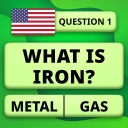
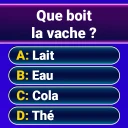
My first few sessions with Brain Test: Tricky Puzzles made its appeal easy to understand: it turns familiar-looking questions into playful little traps. I expected ordinary trivia, but this is a trivia puzzle game where the fun comes from questioning what a prompt or picture is really asking. That makes it a lively choice when I want a quick mental change of pace, though its lasting value depends on whether I enjoy that style of surprise after the novelty wears off.
Why the first week feels so lively
The early appeal is the gap between what a puzzle seems to ask and what it actually expects. I have to look carefully, try an unconventional interpretation, and accept that the obvious answer may be wrong. The humor softens the frustration, so a failed attempt can feel like part of the joke rather than a test I should already have passed.
That makes it particularly handy in small gaps in the day. If I have a few minutes before an appointment or am waiting for a drink, I can tackle a puzzle without settling in for a long session. A useful habit is to read the wording twice and inspect the whole screen before tapping; these puzzles reward attention to context, not just quick recall.
Reads About Brain Test: Tricky Puzzles
A good fit for casual, shared play
I find the game especially easy to recommend to someone who wants a light activity to share without needing to explain complicated rules first. One person can read a prompt aloud while another studies the image, and the conversation often becomes part of the entertainment. It works well during a quiet wait or at home when people want something more interactive than scrolling, but less involved than a board game.
For a fair group round, I would let each person offer one guess before anyone touches the screen. That small rule gives quieter players room to contribute and stops the quickest guesser from ending the puzzle immediately. It also makes the game’s misdirection easier to enjoy: the point is not simply to be first, but to notice why several reasonable interpretations might lead in the wrong direction.
What keeps the puzzles enjoyable
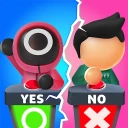
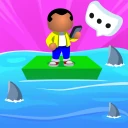
It's not just another puzzle game; Brain Test: Tricky Puzzles is a delightful journey through a series of whimsical challenges. As soon as you open the app, you're greeted with colorful graphics and a quirky soundtrack that sets the tone for what's to come. Each level presents a unique challenge that defies conventional logic, encouraging you to think outside the box.
Gameplay that Keeps You Hooked
The gameplay is straightforward yet addictive. You’ll find yourself scratching your head, laughing, and sometimes even facepalming as you solve each puzzle. Some levels might seem deceptively simple, but beware, they often have a twist. The developers have done a brilliant job of keeping the levels diverse, ensuring that it never feels repetitive.
More From Our News Desk

Clash of Clans Is Won Between the Battles

Android Auto Makes the Case for Quieter Car Software

MobiOffice: Transforming Mobile Productivity with Seamless Integration

EA SPORTS FC™ Mobile Soccer: Redefining Mobile Sports Gaming

How Microsoft OneDrive Became a Mobile Productivity Giant

How Google Translate Breaks Language Barriers Effortlessly
One of the standout features is the hint system. It’s there to nudge you in the right direction without giving too much away. This is especially handy for those moments when you’re completely stumped but don’t want to give up just yet.
When hints help—and when to wait
I get more satisfaction when I give a puzzle another careful look before using a hint. If I am stuck, I try changing one assumption at a time: perhaps the wording matters more than the image, or the answer involves interacting with something rather than naming it. That small pause can make the eventual solution feel earned. Hints are useful when I am ready to move on, but leaning on them too quickly can take away the discovery that gives this game its personality.
This is also where it differs from a conventional trivia quiz. A quiz usually rewards stored knowledge and fast recall; here, a clever interpretation can matter more than knowing a fact. If I want structured questions about history, science, or general knowledge, a standard quiz app is a better fit. If I want short, playful challenges that invite experimentation, this is the more appealing option.
The Perfect Blend of Fun and Education
What I particularly love about this app is how it makes you feel smarter with every level you conquer. The puzzles are designed to engage various cognitive skills, from logical reasoning to pattern recognition. It’s a game that subtly educates while it entertains, making it a fantastic choice for players of all ages.
Parents, take note: this is a game you’ll want your kids to play. It’s a wonderful tool for developing critical thinking skills and it’s far more rewarding than the average screen time activity.
For the competitive spirits out there, Brain Test offers achievements and leaderboards. You can challenge your friends and see who has the sharpest mind of the bunch, adding an extra layer of excitement to the gameplay.
Who will want to keep it installed?
For a family, it can be a nice way to compare different ways of reading the same puzzle: one person can suggest an answer while another spots a detail everyone missed. I would treat it as a playful prompt for discussion, not as a substitute for a lesson or a measure of intelligence. It is best for people who enjoy surprise, wordplay, and occasional trial and error. Anyone who dislikes trick questions, wants a calm game with predictable rules, or mainly plays to improve at a particular subject may find another kind of puzzle or quiz more rewarding.
It is also a reasonable choice for someone who rarely has time to play for long. A single puzzle can give a short break a clear beginning and end, so I do not need to remember a complicated story or rebuild a strategy after putting the phone down. That convenience is a genuine strength for commuters, people waiting between errands, or anyone who tends to play in scattered moments. If I want a game that rewards a long uninterrupted session, though, the compact format may feel too slight.
Month-to-month value and small points of friction
The game is free, and Unico Studio is the developer behind it. Its 4.7 average comes from around 8.8 million ratings, while the game has passed 100 million installs. Those figures suggest broad appeal, but they do not guarantee that every player will enjoy the same joke-driven format. It is rated Everyone, runs on Android 7.0 or later, and version 2.759.2 is the current version. Optional in-app purchases range from $1.99 to $7.99 per item.
For ongoing use, I would think of it as a game to return to in short bursts rather than a daily routine that needs maintaining. The main trade-off is that its central trick—spotting the unexpected interpretation—can become familiar. When I start predicting the kind of misdirection a puzzle may use, the surprise can fade, and a session that once felt fresh may begin to feel like a sequence of similar traps. Taking a break and coming back when I actually want that style of humor makes more sense than forcing a streak.
It also suits a shared moment better than a long, focused evening if people are likely to call out guesses together. On the other hand, anyone looking for deep strategy, a continuous story, or a serious brain-training plan should probably choose a different game. The appeal here is lightness and lateral thinking, not a promise of measurable improvement.
Maintenance without turning play into a chore
I would not build a strict schedule around this game. Its strongest use is as an easy option for an empty moment, so there is little reason to feel behind if I leave it untouched for a while. The practical maintenance is simply deciding whether I still enjoy the format: if I catch myself tapping out guesses without looking closely, I stop and return later rather than treating progress as an obligation.
That approach also helps with purchases. The game can be tried for free, and optional purchases are available, but I would first see whether I enjoy its basic rhythm over several separate sessions. If the puzzles are already a welcome occasional diversion, there is no need to spend just to justify keeping it installed. If purchase prompts are a deal-breaker for me, a paid puzzle game with a straightforward upfront price may be a more comfortable alternative.
Final Thoughts
In a world overflowing with mobile games, Brain Test stands out as a gem. Its combination of humor, challenge, and charm makes it a must-download. Whether you’re waiting for your coffee or winding down after a long day, this game will provide the perfect mental escape.
So, if your brain is itching for a workout and your heart longs for some fun, give it a try. It might just become your new favorite pastime.
Making a short session work
I get the most out of a quick visit when I treat each level as a small observation exercise rather than racing to clear a run. I read the prompt, scan the corners and objects, then test a single idea. If that fails, I reset my approach instead of tapping randomly. This keeps the game playful and makes it less likely that I burn through the amusement by brute force.
It also works as a low-pressure shared activity in an everyday setting: while waiting for a meal, I can pass the phone around and let everyone offer one guess before trying it. The useful trade-off is that collaboration can make a tricky level more enjoyable, but it can also spoil the surprise if someone immediately gives away the answer. Agreeing to offer hints rather than solutions preserves the fun.
What to expect from the longer run
A common question is whether this is a conventional IQ test. I would not use it that way. The satisfaction comes from noticing wordplay, visual clues, and unexpected ways to interpret a task, not from receiving a dependable measure of intelligence. It can encourage flexible thinking in the moment, but I would choose a dedicated learning tool if my goal were systematic practice in a subject or tracking progress over time.
Another practical consideration is spending. The game is free to start, while optional purchases are available; I would decide whether to buy anything only after seeing how naturally the free experience fits my routine. Since the core appeal is the puzzle-solving itself, paying is not automatically necessary for someone who only wants occasional brain teasers. Anyone who strongly dislikes optional purchase prompts in mobile games may prefer a one-time-purchase alternative, if available in their preferred store.
The Everyone age rating makes it broadly approachable, but children may still benefit from playing with an adult who can help keep the experience light when a puzzle feels frustrating. I would avoid framing a missed answer as a failure of intelligence. The game’s trick questions are designed to catch assumptions, and that is different from testing school knowledge or ability.
When another kind of game is a better fit
If I want a dependable daily routine, a structured quiz, or a clear sense of mastery that builds through increasingly complex rules, this is not my first pick. Its pleasures depend on surprise and quick interpretation, so repeated play can make the underlying style easier to anticipate. A classic trivia game is better for testing facts with friends, while a deeper logic game may suit someone who wants sustained planning rather than a succession of compact twists.
That distinction is useful when deciding whether to keep it installed. I would keep it for spare moments, family banter, or a light change of pace, but I would not expect it to replace every other puzzle on my phone. Its strongest long-term role is as a casual option I can return to when I am in the mood for playful misdirection, not a game I need to check every day.
A lasting place for a playful puzzle
After the first burst of novelty, the question is less whether the game can surprise me once and more whether I still enjoy its particular sense of humor. For me, it earns a place when I use it selectively: a few puzzles during a wait, a shared round with someone nearby, or a brief break from more demanding games. Leaving it alone when the trick-question format feels familiar is part of making that value last.
I would recommend it to people who like lateral thinking and do not mind being playfully misled. I would steer away anyone seeking a serious IQ assessment, a fact-based trivia challenge, or a long-form strategy experience. With those expectations in place, Brain Test is an easy game to sample and a useful casual choice, even if it is not the one I would play continuously.
Brain Test: Tricky Puzzles Frequently Asked Questions
Does Brain Test: Tricky Puzzles have ads?
Ads are mentioned as one of the features that may need an internet connection, and ad removal is listed among possible in-app purchase options. That means advertising may be part of the experience, while an optional purchase may offer a way to remove it. If ads are a concern, check the options available in the game before deciding whether to continue.
Can I transfer my progress to another device?
If you expect to switch phones or tablets, it is worth checking how the game handles saved progress before you move. Progress transfer can depend on the device platform and the account or backup options available to you. Before uninstalling the game or changing devices, review its settings and the relevant app-store guidance so you understand what may carry over.
Does Brain Test: Tricky Puzzles need a powerful phone?
The game focuses on individual brain puzzles, so its appeal is more about solving challenges than demanding fast action or elaborate controls. For compatibility, check your device’s operating system and the requirements shown in the app store. A device that meets the stated system requirement is a sensible starting point, while available storage is also worth checking before installation.
Can I pause a puzzle and come back to it later?
The game is built around individual challenges, which suits players who like to stop between puzzles and return when they have time. If you are midway through a particular challenge, check whether your progress remains available when you leave the game or close the app. The format is generally easy to fit around short breaks, rather than requiring a long uninterrupted session.
Is Brain Test: Tricky Puzzles a good game for improving problem-solving?
Its puzzles encourage you to look beyond an obvious response and consider a question from a different angle, which can make it an enjoyable way to exercise creative thinking. It is best treated as light entertainment with a problem-solving element, rather than a guaranteed training tool. Whether it feels rewarding depends on how much you enjoy playful brain teasers and trying alternate interpretations.
Pros
- Engaging brain-teasing puzzles.
- Variety of challenges keeps it fresh.
- Hints available for tough levels.
- Suitable for all age groups.
- No internet connection required.
Cons
- Ads can be intrusive at times.
- Some puzzles may feel repetitive.
- Limited free hints available.
- In-app purchases can be expensive.
- Graphics are simple
- not impressive.
- Category
- Trivia
- Version
- 2.759.2