Barrah Alsalfah
- 136.00
- 4.5
- Installs
- 5.00M
- Price
- Free

Screenshots


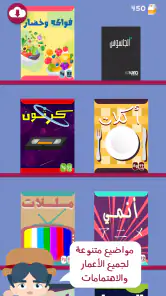
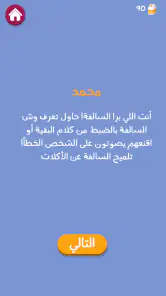
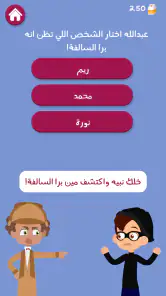
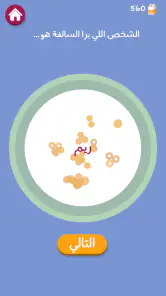
Analysis by Reviewed
When I’m choosing a party game for a casual get-together, I want the first move to be easy to explain and the next one to give everyone a reason to pay attention. Barrah Alsalfah is a trivia game from Table Knight Games built around bluffing and social play. Its appeal is less about quietly answering questions alone and more about reading the room, making a choice, and seeing how other players respond.
Starting with a simple move
The useful way to approach a round is to treat the first decision as an invitation to take part, not a test of specialist knowledge. The game’s party-game framing makes it a natural fit for friends or family who want to play together, especially when the group is more interested in conversation and playful suspicion than in a formal quiz. I’d introduce it when people are already gathered rather than expect it to serve as a solo brain-training routine.
That distinction matters if you are deciding between this and a conventional trivia app. A standard quiz tends to reward knowing the answer; a game based on trickery and deceit also asks players to consider what others might believe. That social layer can make a familiar question-and-answer format feel livelier, but it also means the mood depends on having people willing to participate. If your group prefers taking turns in silence or competing only on factual recall, a straightforward quiz is likely the better choice.
Choosing the right table and moment
I would not make this the first activity for a gathering where most people have only just met. Bluffing works best when players are comfortable enough to tease one another, and that comfort can take a while to build. A useful way to introduce it is after a meal or another low-pressure activity, when conversation is already flowing. Then the game can become a shared topic rather than a demand that everyone perform immediately.
It can also suit a mixed group, but the host’s tone matters. I’d present the deception as playful rather than as a reason to catch someone out. If one person is especially competitive, reminding the group that the point is the exchange—not proving who is smartest—can keep the session friendly. This is a small practical distinction, yet it can decide whether a social bluffing game feels welcoming or uncomfortable.
Getting to Know Barrah Alsalfah
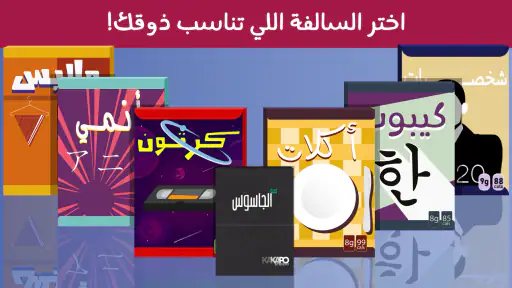
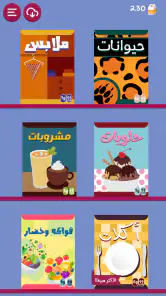
So, what’s the deal with Barrah Alsalfah? At first glance, it appears to be a simple card game, but once you dive in, you quickly realize it’s much more than that. The game beautifully intertwines traditional Arabic culture with modern gaming mechanics, providing a unique experience that’s both educational and entertaining.
The Gameplay Experience
Let’s talk about the gameplay. You start with a deck of cards, and the goal is to strategically play your cards to maximize points. Sounds simple, right? But here’s where it gets interesting: each card is steeped in Arabic cultural references, and understanding these can give you an edge over your opponents. This element not only makes the game challenging but also educational. You find yourself learning about different cultural nuances without even realizing it.
More From Our News Desk

Weather by Xiaomi Review: Clear at a Glance, Less Clear Up Close

X Under Pressure: Can It Recover When Posting Goes Wrong?

Clash of Clans Is Won Between the Battles

Android Auto Makes the Case for Quieter Car Software

MobiOffice: Transforming Mobile Productivity with Seamless Integration

EA SPORTS FC™ Mobile Soccer: Redefining Mobile Sports Gaming
The feedback in a social game comes from people as much as from the screen: a confident move may draw a reaction, while a surprising result gives the table something to talk about. That immediate response is a big part of why I can imagine another session starting after one ends. Still, this is not the best pick for someone who wants a predictable, quiet puzzle. The uncertainty and player interaction are part of the attraction, so they can also be the friction if your group dislikes bluffing or playful deception.
For a realistic use case, I’d bring it out during a relaxed evening when friends are waiting for food or deciding what to do next. It can give the group a shared activity without requiring everyone to commit to a long, serious game night. A practical tip is to begin with people who enjoy teasing and quick back-and-forth; if the table is shy, explain the basic aim in your own words and let the first round set the tone rather than turning the rules into a lengthy pre-game discussion.
There is a useful hosting trade-off here: explain too little and new players may feel lost, but explain every possible angle before anyone starts and you risk draining the room’s energy. I’d keep the introduction brief, then pause for questions when they arise. After the first exchange, people usually have something concrete to react to, which is easier to follow than an abstract explanation. If someone is still unsure, letting them watch briefly before joining can be kinder than putting them on the spot.
Barrah Alsalfah is free to download, with optional in-app purchases ranging from $1.99 to $15.99 per item. I’d start without spending and see whether the group returns to it; the value here depends more on whether your friends enjoy the style of play than on collecting extras. It is rated for Everyone, though that does not mean every family gathering will find bluffing equally comfortable. The game had its initial release on February 24, 2020, and version 1.30 supports Android 5.0 and later.
For parents or anyone planning to play across age groups, I’d focus less on the age label and more on the group’s attitude toward teasing and deception. The content rating is Everyone, but a comfortable session still depends on how players treat one another. A gentle table can make the bluffing feel light; a group that turns every reveal into a personal criticism may not. I’d set that expectation before play, particularly if younger relatives are joining adults who enjoy sharper banter.
Its reach is substantial: it has passed 5 million installs, with a 4.5 average from around 20,000 ratings and 136 written reviews. Those figures suggest many people have tried it, but they cannot tell you whether your particular group will click with its social rhythm. I’d judge it by one short get-together rather than assuming popularity alone makes it a match.
One trade-off versus familiar trivia alternatives is that a conventional quiz is easier to play alone and easier to evaluate by right-or-wrong answers. This title makes more sense when players can respond to one another, so it is less dependable as a quick personal pastime. If you want a low-pressure game for mixed company, check first that people are comfortable with a little bluffing; if not, choose a cooperative quiz or a simple knowledge challenge instead.
Visuals and User Interface
The developers have done a stellar job with the visuals. The graphics are vibrant and engaging, drawing you into the game’s world. The user interface is intuitive, making it easy for anyone to pick up and start playing. Whether you’re a seasoned gamer or a newbie, you’ll find the controls straightforward and user-friendly.
For a group session, a clear interface is useful because attention naturally shifts between the game and the people around you. I would still avoid assuming that every player will understand the cultural references at the same pace. Letting someone ask what a reference means can keep the atmosphere welcoming, while treating unfamiliarity as a mistake could turn a playful round into an awkward one. That small hosting choice makes a difference in a game whose character depends on interaction.
If your group includes players with different levels of familiarity with Arabic culture, I’d treat that difference as part of the conversation rather than a barrier to joining. Someone who recognizes a reference may have an advantage, but another player can still take part by observing how the table reacts and deciding whom to trust. This is also a reason not to rush through the choices: giving the group a moment to discuss what they understood can make the experience more inclusive without turning it into a lesson.
Another practical consideration is the setting. Because the fun relies on people noticing one another’s reactions, a noisy room or a group split across separate conversations can blunt the effect. I’d choose a spot where players can see and hear each other, and keep the phone or device in a place everyone can follow. If the gathering is mostly background chatter, a fast solo quiz or a music-based party game may be easier to run.
Why You Should Try It
Moreover, the game’s sound design deserves a special mention. The background music and sound effects are well-crafted, adding to the immersive experience. It’s one of those games where you might find yourself humming the tunes even after you’ve stopped playing!
The reset between sessions is part of the practical appeal: you can finish a round, laugh about the choices, and decide whether the group wants another without needing to turn the evening into a fixed tournament. That makes it suited to casual gatherings, but not necessarily to people who want a carefully balanced competitive ladder or a quiet activity with a clear personal-best goal. I’d pick it when shared reactions matter more than measuring progress.
That reset also makes it easy to fit around an unpredictable evening. If food arrives, someone needs to leave, or the conversation naturally moves on, the game does not have to become the entire event. I’d use it as a flexible activity rather than planning the night around a long sequence of rounds. The trade-off is that players looking for a lasting campaign or a detailed sense of advancement may find this kind of stop-and-start appeal too light.
For a small gathering, I’d make the first session a test of the group’s mood rather than a referendum on whether the game is good. Notice whether people start making predictions about each other, whether the jokes stay good-natured, and whether anyone is left watching without a way in. If the table warms up, continue; if not, switch to a simpler quiz without treating that as a failure. The game’s strongest feature—social uncertainty—is also the clearest reason it will not suit every crowd.
If you’re looking for a game that’s not just fun but also intellectually stimulating, Barrah Alsalfah should be on your radar. It’s a perfect blend of culture and strategy, offering a gaming experience that’s both entertaining and enriching. Plus, it’s a great way to connect with friends and family, challenging them to see who’s the ultimate card master.
I would recommend it most to people who enjoy discussing choices as much as making them. It can give a familiar group a different kind of trivia night, especially when the usual format of reading a question and naming an answer has started to feel repetitive. It is less compelling for a player who wants a steady stream of factual challenges, a fully solo experience, or a rules-heavy strategy game. Those players may be happier with a conventional quiz or a dedicated tabletop game built around deeper planning.
One question people often have before trying a party game is whether it works for a short visit or needs a full evening. I’d approach this as something to sample in a modest window: gather the interested players, give the premise a quick explanation, and see if the interaction catches on. That is a better fit for its casual social role than asking everyone to commit in advance. If the first round prompts discussion and laughter, another session has a natural reason to begin; if not, you can move on without reorganizing the whole gathering.
Another sensible question is whether it is worth paying for anything right away. My answer is to begin with the free download and let actual use guide that decision. The optional purchases are there, but the main test is whether the people you play with want to return. I would not treat spending as a way to solve a mismatch in group mood: if players dislike bluffing, extra content is unlikely to change the core appeal that matters most.
In conclusion, Barrah Alsalfah is more than just a game; it’s an experience. It’s about culture, strategy, and the joy of playing. So, why not give it a try? You might just find yourself hooked!
Barrah Alsalfah Frequently Asked Questions
Does Barrah Alsalfah work on iPhone or Android?
Barrah Alsalfah is an Android game that requires Android 5.0 or later. Before downloading, check the operating system on the device you plan to use and make sure it meets that minimum. The game’s party-focused trivia format is intended for shared play, so it may be most enjoyable when you have friends or family ready to join in.
What should I know about the game’s age rating before installing it?
Barrah Alsalfah has an Everyone content rating, which indicates that it is intended for a broad audience. Its premise is a party game involving trickery and deceit, so it can be a fit for groups looking for lighthearted competition. As with any game, parents may want to consider whether its style and group-play setting suit the children in their care.
Who makes Barrah Alsalfah, and what kind of app is it?
Barrah Alsalfah is a trivia game developed by Table Knight Games. Its party-game premise centers on trickery and deceit, making it a choice for groups who enjoy playful challenges and trying to outwit one another. The game is free to download, and its content rating is Everyone, so it may suit a broad audience looking for a lighthearted group activity.
What is Barrah Alsalfah and what can I do with it?
Barrah Alsalfah is a social gaming application that allows users to engage in fun and interactive group games. It is designed to bring friends and family together through a series of entertaining challenges, quizzes, and games that encourage communication and laughter. Users can create private rooms, invite friends, and enjoy a variety of games that are designed to be both competitive and cooperative, making it a perfect choice for social gatherings and virtual hangouts.
Is Barrah Alsalfah free to download and use?
Yes, Barrah Alsalfah is free to download and play. However, the app may offer in-app purchases for additional features, game packs, or customization options. These purchases are optional and are designed to enhance the gaming experience. Users can enjoy a wide array of games without spending any money, making it accessible for everyone. Optional in-app purchases range from $1.99 to $15.99 per item.
Pros
- User-friendly interface for easy navigation.
- Wide range of customizable themes available.
- Real-time collaboration with team members.
- Efficient task management features.
- Secure data encryption for privacy.
Cons
- Limited offline functionality.
- Subscription required for premium features.
- Occasional sync issues reported.
- Lacks integration with some third-party apps.
- Customer support response can be slow.
- Category
- Trivia
- Version
- 1.30