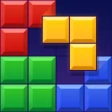
Block Puzzle
- 40.22K
- 4.6
- Installs
- 10.00M
- Price
- Free
Screenshots
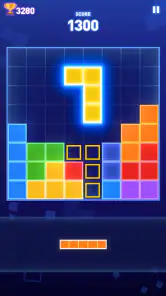
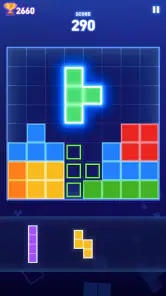
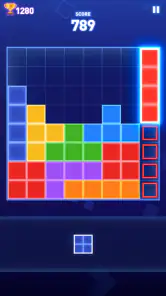
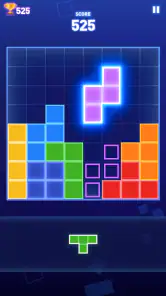
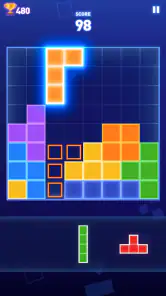
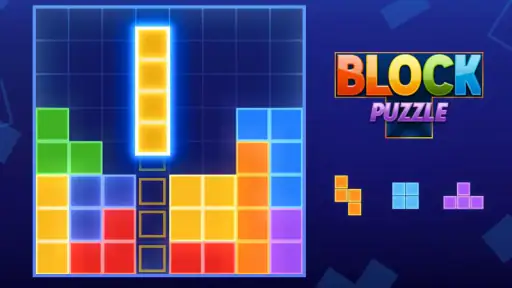
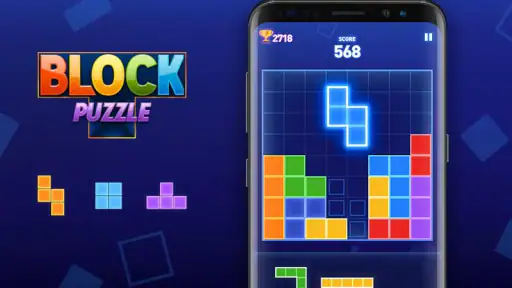
Analysis by Reviewed
I like puzzle games that let me get to the point quickly, and this one makes that easy: the board is the focus from the start. Block Puzzle is a straightforward spatial puzzle from Candy Mobile, built around fitting pieces into open space and deciding what to clear next. Its cheerful look makes a friendly first impression, but the real appeal is quieter: I enjoy the small moment of concentration it asks for, even when I only have a few minutes.
A quick break that asks for attention
My first impression is of a game that gets out of the way quickly: there is no elaborate setting to learn before the puzzle begins. That directness is its appeal, but it also means the grid and the pieces have to carry the experience. Candy Mobile’s puzzle game is free, rated for Everyone, and has a 4.6 average from around 187,000 ratings, with over 10 million installs. Those figures suggest broad appeal, though they do not change the basic question: do you enjoy planning placements instead of chasing a story or a timer?
I find it best when I have a short stretch of attention available, rather than when I want a game to occupy an entire evening. A realistic example is waiting for a coffee: I can start a round, think through a few placements, and put the phone away when my order is ready. The catch is that a promising board can make “one more move” tempting, so I avoid opening it when I need to leave immediately or focus on something else.
Engagement at Its Best
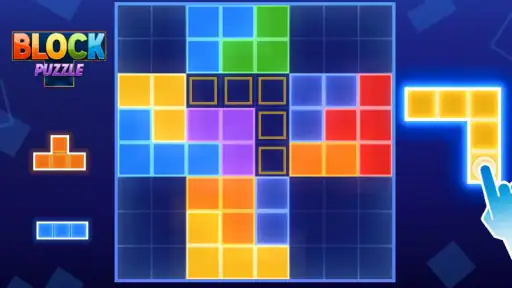
What I love about Block Puzzle is its simplicity coupled with its capacity to challenge. The premise is straightforward – fit the blocks into the grid to complete rows or columns and watch them disappear. But don't let its simplicity fool you; the game ramps up the difficulty as you progress, ensuring that your brain stays on its proverbial toes.
Addictive Gameplay
The game strikes a perfect balance between being addictive and mentally stimulating. It's not just about placing blocks; it's about strategizing. With every move, you're weighing options, considering future possibilities, and sometimes, just crossing your fingers hoping the next block fits perfectly. That's where the real fun lies - in the unpredictability and the challenge.
A useful habit is to scan the whole board before committing a piece, not just the most obvious open space. I try to preserve a broad, usable area and avoid creating narrow pockets that are hard to fill. Clearing a row or column feels good, but a placement that leaves flexible space can be more valuable than a quick clear. That is a small shift in mindset, yet it makes the puzzle feel less like luck and more like a series of decisions.
User-Friendly Interface
Another aspect that stands out is the user-friendly interface. The controls are intuitive, making it easy for anyone to pick up and play. Whether you're a seasoned gamer or someone who's just looking to kill time, you'll find yourself quickly immersed in the game without any steep learning curve.
More From Our News Desk

Clash of Clans Is Won Between the Battles

Android Auto Makes the Case for Quieter Car Software

MobiOffice: Transforming Mobile Productivity with Seamless Integration

EA SPORTS FC™ Mobile Soccer: Redefining Mobile Sports Gaming

How Microsoft OneDrive Became a Mobile Productivity Giant

How Google Translate Breaks Language Barriers Effortlessly
That ease of entry makes it suitable for casual players and for anyone who prefers a quiet, hands-on puzzle over a word game or a match-three game full of extra objectives. The trade-off is a narrower kind of variety: the pleasure comes from fitting shapes and managing space, not from unlocking a narrative or learning a large set of special mechanics. If you want a changing cast of challenges or a strong sense of progression, another puzzle game may hold your interest longer.
Visually Appealing
I also appreciate the game's aesthetics. The vibrant colors and smooth transitions make for a visually pleasing experience. It’s like eye candy, but for gamers. Plus, the game runs seamlessly without any annoying lags, which is a big plus in my book!
The art direction supports the simple premise rather than competing with it: clear, colorful blocks keep the board easy to read while I think about the next placement. The mood is light, and that suits a puzzle built around repeated, deliberate moves. I would not choose it for atmospheric storytelling or a dramatic setting; its visual identity is functional cheerfulness, not a separate world to explore.
The Perfect Time Killer
Whether you're in line for coffee or just lounging at home, Block Puzzle is the ideal companion. It’s one of those games that you can play for five minutes or five hours, depending on how much time you have to spare. And trust me, it's easy to lose track of time once you get into the groove.
Its rhythm is calm rather than frantic, which makes it easier to fit around small pauses than games that rely on quick reactions. Sound is not what I come back for here; the appeal is in watching the board change as pieces find a place. If you usually play with your phone muted, the core puzzle still makes sense. If audio atmosphere is a priority, a richer game with a more expressive soundscape would be a better match.
For a fair comparison, think of it as a stripped-back alternative to puzzle games that add timed rounds, boosters, or themed stages. Those options can offer more variety and clearer milestones, while this one keeps the focus on spatial choices. I prefer that restraint when I want a clean mental reset, but it can feel repetitive during a long session. A practical approach is to play in short bursts and stop when the board starts to feel like routine rather than a fresh problem.
Making each board work harder
The puzzle rewards a little patience before every placement. When I have several open areas, I check which one leaves the most routes for later pieces rather than choosing the spot that simply looks neat. This is especially useful when the board has uneven gaps: a space that appears small may be the only place for a particular shape, while a larger open patch can remain useful for several pieces. Thinking in terms of options, not just empty squares, is the most reliable way I have found to make a run last.
I also try not to treat a clear as automatically good. Completing a row or column can open the board, but sometimes a move that clears immediately leaves awkward corners behind. If I can place a piece without sealing off a difficult gap, I may take that safer option and wait for a more useful clear. That trade-off gives the simple rules a bit more depth than the first few moves suggest, though it does not remove the uncertainty of what shape will be useful next.
For a relaxed session, I play more freely and accept that a board may end sooner. When I want to make a better attempt, I slow down and inspect the remaining spaces before using each piece. The game is at its best for me when I can choose between those two moods: casual placement when I want a distraction, or deliberate planning when I want a small mental challenge. It is not a substitute for a deep strategy game, but it offers enough room to improve my decisions within its compact rules.
Where it fits among puzzle games
Compared with a match-three puzzle, this asks less of my memory for objectives and more of my ability to judge shape and space. I do not need to look for combinations or follow a level-specific goal; my attention stays on how a piece will affect the board. That makes it a good alternative when I want fewer moving parts. On the other hand, players who enjoy varied goals, character progression, or a steady stream of new mechanics may find a match-three game more rewarding over time.
It also differs from a word puzzle. A word game tests recall and language, while this one is more visual and spatial. I can play it when I do not feel like reading clues or searching for a particular answer, but it still asks me to think ahead. If I am tired enough that even weighing placements feels like work, a casual game with almost no planning may be a better fit. The best choice depends on whether I want to exercise spatial judgment or simply watch something happen.
There is a similar trade-off against timed puzzle games. A timer can create urgency and make each choice feel sharper; here, the more measured pace is a welcome change when I want to unwind. That calm does not mean the board is effortless: poor placements can limit future choices. It means the pressure comes from the consequences of my decisions rather than from racing a clock, which suits players who prefer thinking time over reflexes.
Small moments, sensible limits
A useful everyday routine is to open a round during a predictable pause, such as waiting for a drink or sitting through a short gap between tasks. I can focus on the current board, then stop when the pause ends rather than letting the game take over the rest of the day. If I am using it before bed or in a shared space, I can keep the experience low-key and play without relying on sound. The important caveat is that the board may still invite another move, so I would not start a session when I have to respond immediately to something else.
For someone trying the game for the first time, I would not chase the largest clear on every turn. I would first learn how different shapes sit in the available spaces, then make a habit of keeping more than one workable area open. This avoids the common frustration of leaving a small isolated pocket that cannot accommodate a later piece. It is a modest adjustment, not a hidden mode or complicated trick, but it makes the choices feel more intentional and helps explain why two apparently similar boards can play out differently.
The main limitation is that the central activity stays the same. Colorful presentation and a clean board help it feel inviting, but they do not turn the puzzle into a story or a collection of distinct challenges. I would recommend looking elsewhere if I wanted new objectives to keep arriving, if I needed a strong audio-led mood, or if my favorite part of a game is unlocking new systems. The simplicity is a strength for brief sessions and a weakness when I am looking for a long-term sense of discovery.
The game is free, and its current version is 1.9.9; it was released on March 12, 2019, and supports Android 4.0 or later. Candy Mobile has kept the presentation accessible, and the game has around 40,000 written reviews. I’d recommend it to people who like compact spatial puzzles and don’t need a plot to stay engaged. I’d skip it if I wanted a story-led adventure, a fast reflex challenge, or lots of new mechanics. My most useful tip is to leave room for awkward pieces instead of filling every gap just because it is available.
A calm puzzle with a clear purpose
In conclusion, Block Puzzle is a must-try if you're looking for a game that's both fun and challenging. It ticks all the right boxes - engaging gameplay, user-friendly interface, and appealing visuals. So, the next time you find yourself with a few minutes to spare, give this game a try. You might just find yourself hooked!
My recommendation comes with a simple distinction: choose it for a focused, low-pressure board puzzle, not because you expect it to become a different kind of game after a few sessions. Its light art, readable pieces, and steady pace work together to make the act of planning feel approachable. The mood is pleasant without being elaborate, and the mechanics stay visible instead of being hidden beneath effects or story. That coherence is why I return to it for a brief reset, even though I would switch to a more varied puzzle when I want a bigger sense of progression.
Block Puzzle Frequently Asked Questions
Does Block Puzzle need a powerful phone, and which devices can install it?
Block Puzzle is a lightweight-style puzzle game built around placing shapes on a grid, rather than fast action or complex controls. It supports Android 4.0 and later, so it can work on a broad range of Android devices that meet that requirement. If your phone or tablet runs an older system, check compatibility before downloading.
Is Block Puzzle easy to learn for someone who rarely plays games?
Yes. The central idea is simple: choose from the available shapes, fit them onto the grid, and clear complete rows or columns. There is no need to learn complicated controls or follow a long story before starting. New players can grasp the basics quickly, while planning placements carefully gives the puzzle enough strategy to stay engaging.
Who developed Block Puzzle, and what kind of game is it?
Block Puzzle is a puzzle game developed by Candy Mobile. Its straightforward concept makes it easy to understand: place shaped blocks on a grid and look for opportunities to clear complete rows or columns. If you enjoy thoughtful, low-pressure games rather than action-focused play, its simple format may be a good fit.
What is Block Puzzle and how does it work?
Block Puzzle is a simple yet addictive puzzle game that challenges players to fit different shaped blocks into a grid. The goal is to fill up rows or columns to clear them, similar to Tetris but without the pressure of falling pieces. You have unlimited time to think and plan your moves, making it a relaxing yet engaging experience for puzzle enthusiasts.
Is Block Puzzle free to play or are there in-app purchases?
Block Puzzle is free to download and play. However, like many free apps, it includes in-app purchases and ads. These purchases can enhance your gameplay by providing additional features, such as removing advertisements, accessing special blocks, or obtaining hints, giving users a more personalized gaming experience without interruptions.
Pros
- Engaging and addictive gameplay.
- Simple controls for easy play.
- Suitable for all age groups.
- Enhances problem-solving skills.
- No internet required for play.
Cons
- Ads can be intrusive.
- Limited game modes.
- In-app purchases can be costly.
- Graphics are basic.
- No multiplayer option.
- Category
- Puzzle
- Version
- 1.9.9