Pool Tour - Pocket Billiards
- 10.08K
- 4.7
- Installs
- 5.00M
- Price
- Free

Screenshots
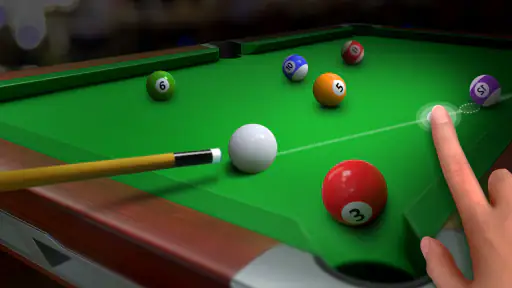
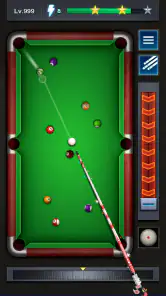
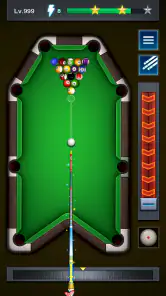
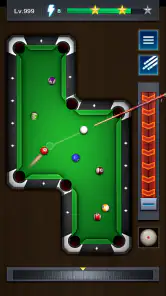
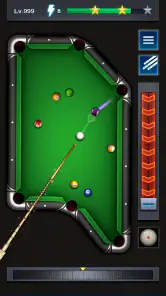
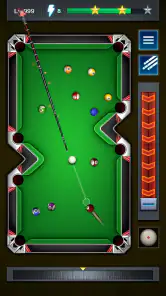

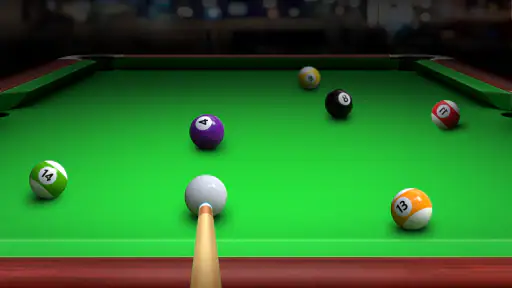
Analysis by Reviewed
I find Pool Tour - Pocket Billiards easiest to enjoy when I want a quick, hands-on sports game rather than a long simulation. Its arcade approach makes lining up a shot and seeing the balls scatter the main pleasure, while the familiar pool-table setting gives each turn an instantly understandable goal. The presentation aims for a lively, polished feel, though the appeal ultimately rests on whether you enjoy judging angles and adjusting after a missed shot.
A pocket-sized pool break
As a free sports game from Candy Mobile, it is an easy option to consider for a spare moment: I can picture opening it during a short break, playing a few turns, and putting my phone away without needing to set aside an evening. The game is rated for Everyone, which makes its straightforward pool theme accessible to a broad audience. Its average rating is 4.7 from around 108,000 ratings, and it has passed 5 million installs, so it has clearly found an audience among mobile pool fans.
How the arcade mood works
The appeal of a mobile pool game is different from sitting at a real table. There is no need to find a venue or arrange a match, and the screen brings the cue, balls, and pockets together in a compact setting. That convenience is also the trade-off: a touchscreen cannot reproduce the feel of a physical cue, so I would treat the game as a casual pool pastime rather than a substitute for practicing in person. If you mainly want a realistic table simulation or a social game night, a different kind of pool experience may suit you better.
For a useful routine, I would focus on making deliberate shots instead of rushing through turns. Before tapping, take a moment to consider where the cue ball may finish, not only whether the target ball can reach a pocket. That small habit makes misses more instructive and helps keep the game engaging even when a shot does not go as planned. It is a practical way to turn a few spare minutes into light skill practice without expecting the controls to teach real-world technique.
The game is free, and its current version is 1.9.8; it supports Android 4.0 and later. Those details make it approachable for people using older Android devices, though actual performance can still vary by phone. I would check that the controls feel comfortable on your screen before settling in for a longer session. For a quick casual match, the central question is simple: do you enjoy aiming, taking a shot, and adapting when the table does not unfold as expected?
The Thrill of the Game
One of the first things that grabbed my attention with Pool Tour - Pocket Billiards was its stunning graphics. The tables and cues are designed with meticulous detail, and the physics engine ensures that the balls move just as they would in a real-life game. It's not just about knocking balls into pockets; it's about strategy, precision, and a bit of flair.
As you launch the app, you're greeted with an interface that's both intuitive and easy to navigate. The game offers various modes, from practice sessions to competitive tournaments, each designed to test your skills in different ways. I spent countless hours trying out different shots and strategies, and I found the learning curve to be just right—not too easy, but not frustratingly difficult either.
More From Our News Desk

Clash of Clans Is Won Between the Battles

Android Auto Makes the Case for Quieter Car Software

MobiOffice: Transforming Mobile Productivity with Seamless Integration

EA SPORTS FC™ Mobile Soccer: Redefining Mobile Sports Gaming

How Microsoft OneDrive Became a Mobile Productivity Giant

How Google Translate Breaks Language Barriers Effortlessly
Customization and Challenges
What makes this app stand out is its customization options. You can choose from a range of cues and tables, each with unique attributes. This feature allows you to tailor your gameplay experience to match your personal style. Plus, the game regularly updates with new challenges and levels, keeping the content fresh and exciting.
During my time with the app, I particularly enjoyed the multiplayer feature. Competing against players from around the world added a layer of excitement and unpredictability. Every match felt like a fresh challenge, and the chat feature allowed for some friendly banter with opponents.
Why You'll Love It
If you're on the fence about downloading Pool Tour - Pocket Billiards, let me assure you, it's worth your time. The app manages to capture the essence of billiards while adding its own unique twists. It's perfect for those moments when you want to unwind or when you're feeling competitive and want to test your skills against others.
Overall, Pool Tour - Pocket Billiards is not just a game; it's an experience. The combination of realistic gameplay, customization options, and competitive elements make it a must-try for any billiards enthusiast or casual gamer. So grab your virtual cue and start playing—trust me, you won't be disappointed!
Making short sessions count
The best way I can see this fitting into an ordinary day is as a small, self-contained break: perhaps waiting for a ride or winding down after finishing a task. Pool is naturally turn-based, so I can pause between shots to think rather than needing the fast reactions demanded by many mobile sports games. That gives the game a calmer rhythm, even when a match becomes competitive. If I have only a few minutes, I can concentrate on a single decision—the angle, the target, or the cue ball’s next position—rather than treating every session as a long commitment.
That slower pace also makes it easier to notice patterns in my own play. When a shot misses, I would try to identify whether I misjudged the line or simply failed to leave a useful position for the next shot. This is more rewarding than tapping quickly and hoping for a lucky result. It does not turn a phone game into formal billiards coaching, but it gives casual play a modest sense of purpose. For someone who enjoys improving through small adjustments, that can be enough to make a spare-minute game feel more satisfying.
Choosing the right kind of pool game
Compared with a pure sports simulation, the arcade framing here makes the experience feel more approachable. A simulation-oriented pool game is usually the better fit if your main priority is painstaking realism, close attention to physical technique, or a measured practice environment. Pool Tour is more attractive when I want the basic pleasure of aiming and pocketing balls without making the session feel like a study exercise. The familiar table keeps the objective clear, while its arcade identity sets expectations that the experience is designed for play first.
It also occupies a different place from a party game built around quick, noisy rounds. Pool offers more time to consider a move, so it suits someone who wants a little concentration rather than constant stimulation. On the other hand, if you want a lively group activity around one phone, a dedicated party game may be easier to share. I would choose this one for personal play or a competitive pool match, not as a guaranteed replacement for a face-to-face evening with friends.
There is a useful distinction between playing against another person and simply enjoying a pool-themed challenge. Competitive play can make each decision feel more consequential, but it may also be less relaxing if you are hoping to switch off completely. When I want low-pressure entertainment, I would focus on the parts of the game that let me work on shots at my own pace. When I want a reason to care about every turn, a head-to-head match is the stronger choice. That flexibility is appealing, although players who dislike competition may prefer a game built entirely around solo puzzles or casual practice.
Small decisions that improve a match
One practical habit is to look beyond the immediate pocket. A shot that sinks a ball but leaves the cue ball in an awkward place can make the next turn harder, while a less ambitious shot may preserve a clearer route. I find that thinking one step ahead gives the table more texture and makes the game feel less like a sequence of isolated taps. It is a useful approach whether I am playing casually or trying to make a stronger showing against an opponent.
I would also avoid changing several parts of my approach at once after a mistake. If a shot goes wrong, adjusting the aim first gives me a clearer idea of what caused the miss. Then I can pay attention to the next position or choose a different target. This is a simple way to make experimentation feel informative instead of random. The game’s quick access to another attempt is part of its appeal, but repeating a shot without thinking can turn that convenience into a dull habit.
The selectable cues and tables add another layer of personal choice, but I would not assume that appearance alone tells me which option is best for my style. Since they have different attributes, it makes sense to pay attention to how a choice feels in play rather than picking only the one that looks nicest. I would settle on a comfortable setup before a longer competitive session, then experiment when I have time to compare. That keeps customization useful instead of letting it distract from the core question of where to aim.
What to expect from controls and competition
For a new player, the central task is straightforward to understand: line up a shot, take it, and respond to what the table does next. The challenge lies in developing a consistent feel for aiming on a touchscreen. Small movements can matter, and a control method that feels natural to one person may feel imprecise to another. I recommend trying a few shots before judging the whole game; if aiming feels comfortable, the basic pool loop is easy to settle into. If it remains awkward, the physical limits of a phone screen may outweigh the convenience.
Players looking for opponents have a competitive option, which can bring welcome variety to the familiar task of potting balls. A human rival makes the outcome harder to predict than a routine solo session, and that can keep a match engaging. But competition is not automatically the best choice for every mood. If I am tired, or only have a moment to spare, I would rather keep the session casual than feel obliged to play with intensity. The distinction matters: the game can suit both a quick pastime and a more focused contest, but those are different reasons to open it.
Because the game includes chat, I would treat conversation as an optional extra rather than the main reason to play. The pool itself should be the attraction. A player who wants rich social features or a dedicated community experience may be happier with a game centered on those elements; someone who simply likes competing over a table can enjoy the added possibility of friendly interaction without needing it to carry the experience.
Who will enjoy it, and who may want another choice
I think it is a particularly good match for people who already like pool but do not always have access to a table, as well as casual players who want a recognizable sports game they can learn by doing. The everyone age rating reflects a broadly accessible theme, and the basic idea is easy to explain to someone who has never played a mobile billiards game. It is also suitable for players who like measured decision-making more than frantic tapping. The game asks for attention, but the familiar rules and compact format help keep that attention manageable.
I would steer away from it if your main goal is to learn proper cue technique, read a physical table, or practice the feel of a real shot. A touchscreen can teach you to consider angles and outcomes, but it cannot reproduce the weight, stance, and touch involved in using a real cue. Likewise, someone seeking a deep narrative, a sprawling sports career, or an elaborate team-management layer should choose a different genre. Pool Tour’s strongest appeal is much narrower and clearer: it puts a pool-table challenge on a phone and lets the player focus on the next shot.
Its free price lowers the barrier to trying it, and the Android support reaches back to version 4.0. That can make it worth considering on an older device, but I would still test the feel and responsiveness on the actual phone rather than assume every screen will be equally comfortable. A small screen can make careful alignment more demanding, especially for someone who prefers precise control. If that is a concern, a larger display may make aiming easier to judge, while a physical table remains the better option for tactile realism.
A clear-eyed atmosphere verdict
The game’s mood comes from the combination of a familiar billiards setting, direct turns, and a presentation intended to make the table feel inviting. The result is easy to return to because the goal is always visible: choose a shot and see how it changes the layout. Its pace leaves room for thought, while competition can add tension when I want it. That balance is more important to me than a long list of modes; the table remains the focus rather than a complicated layer of systems.
I would keep expectations grounded around the word “arcade.” The game is built to make mobile pool convenient and enjoyable, not to replace the atmosphere of a real venue or the precision of serious in-person practice. Some players will find the touchscreen compromises distracting, and those who want a deeply realistic simulation may prefer another pool title. Yet if the aim is a portable billiards pastime with room to improve shot choices and enjoy a contest, this is a sensible place to start.
With a 4.7 average and roughly 10,000 written reviews, it has drawn plenty of attention from players, although popularity alone cannot guarantee that its controls will suit your hands or screen. I would judge it by a short trial: take time to line up a few shots, notice whether the table’s response feels satisfying, and decide whether you want a calm solo break or a competitive match. If those small decisions are what you enjoy about pool, Candy Mobile’s game can make an ordinary wait feel more engaging. If you need tactile realism or a full social night out, I would reach for a real table or a different kind of game instead.
Pool Tour - Pocket Billiards Frequently Asked Questions
Does Pool Tour - Pocket Billiards support both Android and iOS?
Pool Tour - Pocket Billiards is presented as a mobile pool game, but the Android requirements are the only platform details to consider here: the game’s minimum Android operating system is 4.0. If you are choosing a device, check that it meets this requirement before installing. The game is also described as an arcade-style pool experience, so it is suited to players looking for billiards on a phone or tablet.
How much space does Pool Tour - Pocket Billiards need, and will it run on an older phone?
The game’s minimum Android operating system is 4.0, which means it can be considered on older Android devices that still meet that requirement. Before downloading, it is sensible to check your phone’s available storage and compatibility in the app store, since those can depend on the device and installation. Pool Tour - Pocket Billiards is a sports game built around arcade-style pool, rather than a general-purpose app.
Is Pool Tour - Pocket Billiards suitable for beginners?
Yes. Pool Tour - Pocket Billiards is a sports game built around the familiar rules and aiming mechanics of pool, so it can be approachable even if you are new to mobile billiards. Its intuitive controls make it easier to line up shots and learn through play. Beginners can start at their own pace, while more experienced players may enjoy working on accuracy and strategy.
Who makes Pool Tour - Pocket Billiards, and what is its age rating?
Pool Tour - Pocket Billiards is developed by Candy Mobile and is rated Everyone, making it suitable for a broad audience. It is a casual take on a classic cue sport, with play focused on lining up shots and pocketing balls. The game has an average rating of 4.7 from around 108,000 ratings, giving prospective players a sense of its popularity.
What is Pool Tour - Pocket Billiards?
Pool Tour - Pocket Billiards is a mobile game designed for both Android and iOS platforms that brings the classic game of pool to your fingertips. It offers a realistic billiards experience with various game modes, challenges, and online multiplayer options, making it a favorite among pool enthusiasts. The game is listed in the sports category and its store description presents it as an arcade-style pool experience.
Pros
- Realistic physics enhance gameplay.
- Variety of game modes to explore.
- User-friendly interface for beginners.
- Regular updates with new features.
- Engaging multiplayer experience.
Cons
- In-app purchases can be pricey.
- Occasional lag issues.
- Ads can be intrusive.
- Limited customization options.
- Requires stable internet connection.

- Category
- Sports
- Version
- 1.9.8