Baby Panda's Daily Habits
- 96.00
- 3.6
- Installs
- 10.00M
- Price
- Free
Screenshots



Analysis by Reviewed
When a preschooler resists a familiar routine, I find that a playful prompt can sometimes make the first step feel less like a demand. Baby Panda's Daily Habits is an educational game from BabyBus built around everyday self-care, with a cheerful presentation aimed at young children. I would use it as a gentle rehearsal before or after a real task, not as a replacement for helping a child brush, wash, or learn at the sink.
What the game is useful for
The appeal here is practical: children can encounter familiar routines in a playful setting before being asked to do them in real life. A child who is unsure about handwashing, for example, may find it easier to approach the subject when a friendly character is part of the experience. That does not mean the game will settle every disagreement or teach every step perfectly. Its best role is to give a parent another way to introduce a routine and invite a child to participate.
I’d especially consider it for a family looking for a brief activity to connect screen time with a specific habit. It may suit a child who enjoys bright characters and simple interaction, or one who responds better to seeing an action than hearing another reminder. If your child prefers quiet books, physical toys, or doing the task alongside an adult, those options may work better; there is no need to make this game the center of a routine.
Learning routines through play
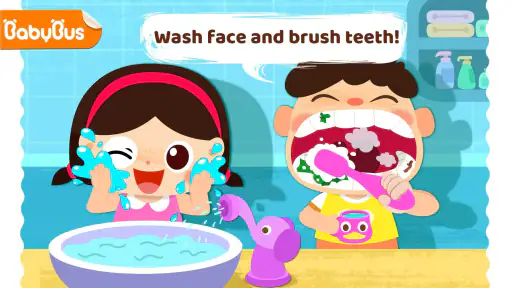
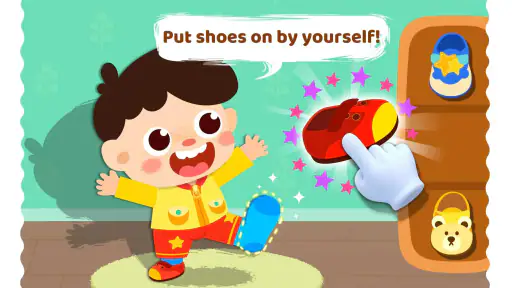
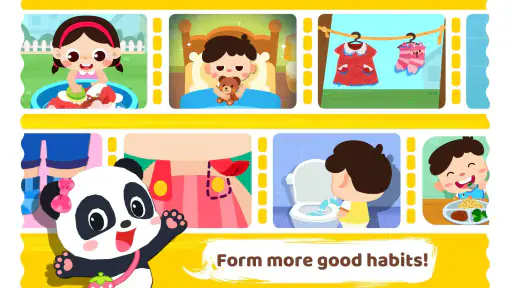
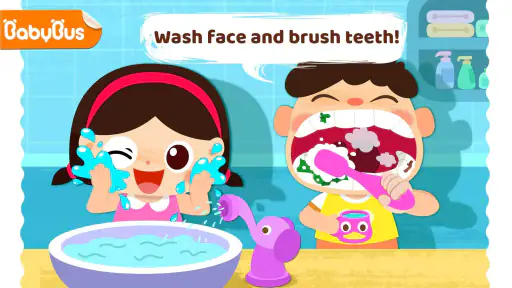
Right off the bat, what I love about Baby Panda's Daily Habits is its engaging learning experience. The app is designed to make learning fun and interactive for kids. Through a series of colorful animations and playful characters, children are gently introduced to daily habits like brushing teeth, washing hands, and tidying up. Each activity is crafted to encourage kids to follow along, turning everyday chores into fun games.
Interactive and Child-Friendly Interface
The interface is incredibly user-friendly, which is a big win for parents who are worried about their kids navigating complex menus. The app features big, colorful buttons and intuitive controls that make it easy for children to interact with the app independently. Plus, the cheerful panda character acts as a guide, providing simple instructions and encouragement along the way.
Another standout feature is the app's ability to adapt to a child's learning pace. The activities are designed with varying levels of difficulty, allowing children to progress as they master each task. This not only keeps them engaged but also gives them a sense of accomplishment.
Where a little help may be needed
Even an easy interface can leave a young child unsure what to tap next. I’d sit nearby for the first session, help them find an activity, and then let them take the lead. If a tap seems not to register, I’d first check that the child is touching the button itself rather than the surrounding artwork, then pause briefly before trying again. That simple approach avoids turning a small delay into a frustrating string of taps.
More From Our News Desk

Clash of Clans Is Won Between the Battles

Android Auto Makes the Case for Quieter Car Software

MobiOffice: Transforming Mobile Productivity with Seamless Integration

EA SPORTS FC™ Mobile Soccer: Redefining Mobile Sports Gaming

How Microsoft OneDrive Became a Mobile Productivity Giant

How Google Translate Breaks Language Barriers Effortlessly
For a useful routine, choose one real-life moment to pair with play: for example, open the handwashing activity before heading to the sink, then invite your child to try the same steps with soap and water. The game can provide a prompt and a friendly rehearsal, but it should not replace an adult’s guidance or the actual routine. This is especially helpful when a child understands the idea but needs a calm reminder to begin.
Making the routine feel manageable
A small change in timing can make the game easier to use. If a child is already tired, hungry, or eager to leave, adding a new screen activity may create one more transition rather than smooth the routine. I’d try it at a calmer moment first, then see whether the child naturally accepts the connection between the on-screen activity and the real one. If the link does not happen, that is useful feedback: the game may be enjoyable on its own without being a helpful prompt for that particular child.
It can also help to keep the adult’s language concrete. Instead of asking a young child to remember a whole routine, I’d name the immediate next step and let them try it. After the game, a simple invitation such as “let’s wash our hands now” keeps the transition clear. This is not a special feature of the app, but it is a practical way to avoid expecting a game to do the work of a parent or caregiver.
Promoting Positive Habits
One of the core goals of Baby Panda's Daily Habits is to promote positive habits among preschoolers. The app emphasizes the importance of hygiene and self-care, which is especially important in today’s world. By integrating these lessons into playful activities, kids are more likely to adopt these habits in real life. It's a win-win for parents hoping to instill good habits early on.
Moreover, the app encourages a routine, which can be incredibly beneficial for young children. By repeating these activities daily, kids start to understand the importance of consistency and responsibility.
Making it work in an everyday routine
I see this as a short, shared activity rather than something to hand over for an extended stretch. A parent could use it while getting ready in the morning: let the child explore a hygiene activity, then move directly to brushing or washing in real life. Keeping the app tied to one task makes the lesson easier to act on and gives a child a clear stopping point. If screens tend to make transitions harder in your household, use it after the real routine as a recap instead of before it.
Compared with a picture book, the animated interaction may hold a restless preschooler’s attention more easily; compared with simply explaining a routine, it gives the child something to follow. A book or direct demonstration may be better for children who prefer slower, screen-free learning, or for parents who want more room to talk through each step. I would treat this game as one tool in a varied routine, not as a substitute for practice, conversation, or supervision.
A realistic morning test
Imagine a child who stalls when it is time to wash up before breakfast. I would avoid introducing the game in the middle of a rushed morning if that child tends to resist putting a device away. Instead, I’d try it the evening before, with a caregiver beside them, and then mention the same routine the next morning. That gives the child a chance to recognize the idea without making the device a condition for washing hands. If the child asks to keep playing, calmly close the session and move on; the purpose is the real-life habit, not a longer game session.
For a child who is already comfortable with the routine, the game may be more useful as a conversation starter than as instruction. A caregiver can ask what the character is doing and then let the child demonstrate the corresponding action away from the screen. For a child who finds animated prompts distracting, skip that bridge and model the task directly. These different responses are normal, and they are a reason to judge the app by how your child reacts rather than by the promise of any one learning method.
Setup checks and sensible expectations
BabyBus is the developer, and the game is free to start, with optional in-app purchases priced from $0.99 to $4.99 per item. I’d let a parent handle any purchase prompts and agree on a simple limit before a child begins playing. The game is rated Everyone, runs on Android 5.0 or later, and version 8.71.05.01 is the current version. If something feels off, check that the device meets the operating-system requirement and that the app is up to date before assuming the activity itself is broken.
It is an educational game with a 3.6 average from around 16,000 ratings and over 10 million installs. I take that reach as a sign that many families have tried it, not a guarantee that every child will enjoy its pace or style. The practical test is whether your child is willing to connect its playful prompts with the real task. Some children will want to repeat a familiar activity; others may lose interest quickly, and that is a reasonable point to switch to a book, a song, or a parent-led demonstration.
When a problem may be elsewhere
If an activity seems stuck, I would separate a one-off device hiccup from a child’s difficulty with the task. First, check that the screen is responding normally in other apps and that the child is tapping the visible control rather than an illustration nearby. If the issue persists, close and reopen the game, then check the device’s available updates and compatibility. These are basic troubleshooting steps, not a guarantee that every problem will be fixed, but they help avoid blaming the child or the lesson too quickly.
Sometimes the app is working as expected and the mismatch is simply about timing, attention, or preference. A child may enjoy the panda but not want to imitate the routine, or may be ready to move on before an adult is. In that case, I would stop rather than keep prompting. Repeated attempts can make a helpful activity feel like another demand. A short demonstration, a familiar song, or a calm reminder may be a better fit in that moment.
Who should choose another approach
This game is not my first pick for families who want a fully screen-free approach, detailed health instruction, or a tool that independently manages a child’s daily schedule. It is also a poor match if a child becomes upset whenever playtime ends, unless a caregiver can keep the session brief and make the stopping point clear. For those households, a book, a real-life demonstration, or simply doing the routine together may bring less friction and more conversation.
Parents should also keep expectations modest. Playful practice can help a child recognize a routine, but it cannot ensure that the child will remember or complete it without support. A young child may need repeated reminders and hands-on guidance, and hygiene tasks still call for adult supervision. I would look for small signs of usefulness—more willingness to approach the sink, for instance—rather than expecting a quick change in behavior.
Final Thoughts
In a nutshell, Baby Panda's Daily Habits is more than just an app—it's a learning tool that brings fun and education together. Its colorful design, interactive gameplay, and positive messaging make it a standout choice for parents looking to teach their kids about daily routines. Whether it's brushing teeth or washing hands, this app turns mundane tasks into exciting adventures.
So, if you’re a parent looking for an app that combines education with entertainment, give this one a try. It’s an excellent way to introduce your child to daily habits while ensuring they have a blast along the way. Happy parenting!
Baby Panda's Daily Habits Frequently Asked Questions
What everyday skills can children explore in Baby Panda's Daily Habits?
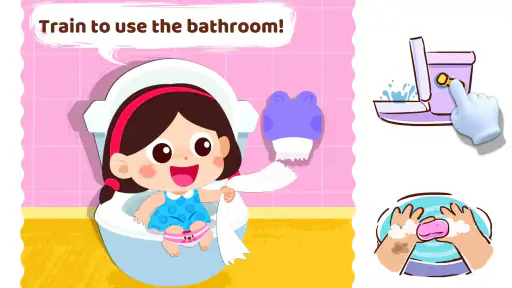
The game focuses on familiar self-care routines, giving children a playful way to explore habits they encounter during the day. Its activities include learning to use the toilet, brushing teeth, and washing hands. These themes can give parents a starting point for talking about routines, while children interact with the game at their own pace.
Is Baby Panda's Daily Habits a good fit for a child who is just beginning to use learning games?
Baby Panda's Daily Habits is an educational game built around simple, recognizable daily routines. Its child-focused subject matter can make it approachable for a young player who is getting used to learning through games. Parents can sit with their child at first, see how they respond to the activities, and decide whether the style and pace are a good match.
Can parents use Baby Panda's Daily Habits to reinforce routines outside the game?
The game’s focus on everyday habits can make it a useful conversation starter at home. After a child explores activities about brushing teeth, washing hands, or using the toilet, a parent can connect those themes to the child’s own routine. It works best as a playful supplement to everyday guidance rather than a replacement for practice and support.
What does the Everyone content rating mean for Baby Panda's Daily Habits?
Baby Panda's Daily Habits has an Everyone content rating, and its educational focus is on everyday routines for young children. Parents can preview the game and decide whether its activities suit their child’s age, interests, and learning needs. As with any app intended for children, it is a good idea to stay nearby and guide play when appropriate.
Will Baby Panda's Daily Habits work on my device?
The game requires Android 5.0 or later, so check your device’s operating system before downloading. Baby Panda's Daily Habits is a free educational game from BabyBus, with optional in-app purchases priced from $0.99 to $4.99 per item. Reviewing purchase settings with your child can help avoid unintended transactions while they explore the activities.
Pros
- Engaging and interactive for young kids.
- Promotes healthy daily habits effectively.
- Colorful graphics and user-friendly design.
- Frequent updates with new content.
- No in-app purchases or ads.
Cons
- Limited content may bore older kids.
- Requires internet for some features.
- Audio quality could be improved.
- Not suitable for advanced learners.
- Some parents find it too simplistic.
- Category
- Educational
- Version
- 8.71.05.01