Snapseed
- 19.92K
- 4.0
- Installs
- 100.00M
- Price
- Free
Screenshots
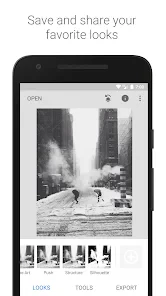
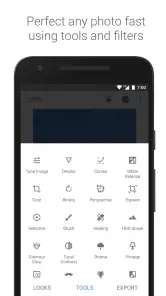
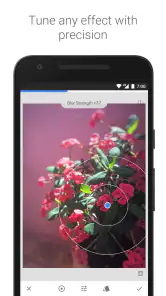

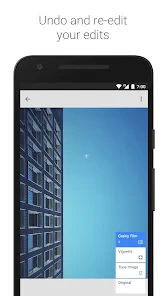
Analysis by Reviewed
When I want to make a phone photo feel more finished without moving to a desktop editor, I reach for Snapseed. Its appeal is the balance between quick adjustments and tools that let me work on a small part of an image. I don’t treat it as a magic fix: it works best when I know what I want to improve and make changes carefully.
How it feels in everyday use
Snapseed is a free photography app from Google LLC, rated for Everyone. It has an average rating of 4.0 from around 1.7 million ratings and over 100 million installs. Those figures fit my impression of an editor with broad appeal, though popularity alone doesn’t tell you whether its hands-on style suits your own habits.
The app’s tools make the most sense when I edit one photo at a time. I can start with the overall light and color, then decide whether a local adjustment or a more distinctive look is actually needed. That sequence helps me avoid the common phone-editing trap of stacking effects before I have corrected the picture itself.
Who will get the most from it?
I’d recommend Snapseed to people who want more control than a one-tap filter provides but don’t want to begin with a complicated desktop editor. Its tools work for quick phone edits as well as more considered adjustments, and the app is approachable enough for someone still learning what contrast or selective brightness can do.
A realistic use for me is taking a slightly flat photo on a walk, lifting the shadows, easing back the highlights, and adding a little contrast before sharing it. I’d start gently rather than push every slider; edits that look dramatic on a bright phone screen can feel too strong elsewhere. For a portrait, I might use Selective to brighten a face without washing out the background, then check the full image again before saving.
A small routine that prevents over-editing
I find it helpful to pause between the broad correction and the finishing look. After adjusting the overall light, I check whether the subject still looks natural and whether the background has become distracting. Only then do I decide if a filter or local tweak adds anything. This quick second look can save a photo from looking polished in the editor but oddly artificial in a message or social feed.
For a casual product photo, such as a mug I want to send to a friend, I’d first straighten the composition if needed and correct the exposure, then stop once the object is easy to see. A strong vintage treatment might suit a travel scene but can distort the useful color of food, clothing, or a household item. The best choice depends on the reason I’m editing, not on how many tools are available.
Getting Started with Snapseed
First off, downloading Snapseed is a breeze. It's available on both Android and iOS, so no one’s left out of the fun. Once installed, the app opens up to a clean and intuitive interface, which is a relief because no one wants to deal with a confusing layout when they’re just trying to edit some photos.
Features That Stand Out
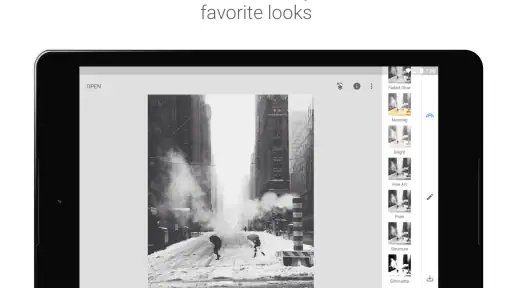
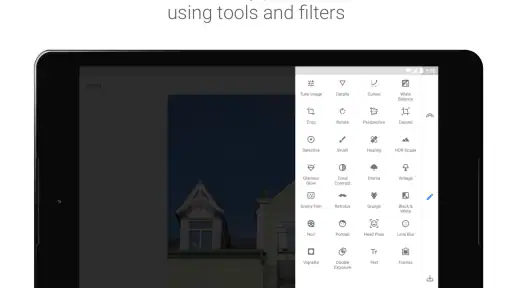
Now, let's dive into what makes Snapseed stand out. The app offers a variety of tools that cater to both beginners and seasoned photographers. One of my favorites has to be the "Tune Image" feature. It allows you to adjust brightness, contrast, saturation, and even ambiance with just a few taps. For those who love a vintage look, the "RetroLux" filter is a must-try; it gives your photos a classic, timeless appeal.
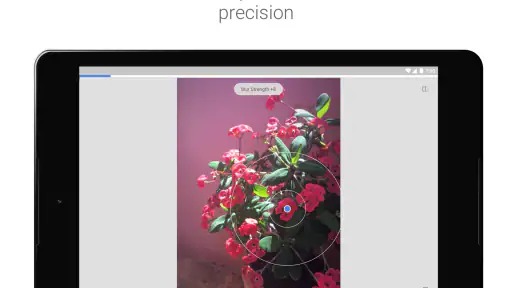
Another highlight is the "Healing" tool. I found it particularly useful for removing unwanted blemishes or objects from my photos. It’s like having a mini Photoshop right in your pocket! Plus, the "Selective" tool lets you enhance specific parts of the image without affecting the whole picture. This level of control can make a world of difference in achieving that perfect shot.
Small workflow choices that matter
A useful habit is to make broad tonal adjustments before applying a distinctive look. I’d tune brightness and contrast first, then try RetroLux only if the image suits a vintage treatment. If the filter becomes the main event, reduce its strength rather than layering on more effects. This keeps skin tones and everyday scenes from looking overly processed.
Healing is handy for a small distraction near the subject, but it is not a dependable way to erase a large object from a complicated background. I’d zoom in, work on a small area at a time, and inspect the result at normal size; repeating the repair can create visible smudges. Selective edits also reward restraint: a subtle lift in one region often looks more natural than a conspicuous bright spot.
What to do when a tool looks wrong
If a Healing repair leaves a fuzzy patch, I undo it rather than trying to cover the mistake with another repair. A clean, small correction usually looks better than a large retouch that changes the texture around the subject. For a portrait, I’d be especially cautious around hair, patterned clothing, and other detailed edges, where a quick fix can become obvious.
Selective adjustments are most useful when the area I want to change is visually distinct from its surroundings. If a face, sign, or object blends into a busy scene, a local edit may affect more than I intended. I check the whole frame after every targeted change, not just the enlarged area under my finger; that broader view catches uneven brightness and color shifts.
Where it fits among editing options
Compared with the usual quick-filter editors, Snapseed is a better fit when I want to decide exactly which parts of a photo change. Compared with a full desktop workflow, it is more convenient for edits on the phone, but a small screen makes fine retouching less comfortable. RAW support gives photographers room to work with suitable files, though people who rely on a tightly connected camera-to-desktop process may prefer their existing software.
It also helps to know what the app is not for. I would skip it if I needed batch processing for a large shoot, a shared team workflow, or detailed graphic design with text and layers. Its strength is hands-on editing of individual photographs, not replacing every tool in a photographer’s setup.
Choosing the right alternative for the job
When I only want a quick mood change, a simple filter app can be faster because it asks for fewer decisions. Snapseed makes more sense when I want to correct a backlit face, tame an over-bright sky, or remove a small distraction while leaving the rest of the photo alone. For a group of images that need consistent treatment, a workflow built around batch editing is usually more practical than repeating careful phone adjustments one image at a time.
A desktop editor is a better choice when precision, a larger display, or a more involved sequence of changes matters. Snapseed’s phone-first approach is convenient for a single image I want to share soon, but it doesn’t make detailed compositing or a team review process unnecessary. I’d choose the tool based on the task instead of expecting one app to cover every kind of photography work.
Why Snapseed is a Must-Have
One of the aspects I appreciate about Snapseed is its non-destructive editing. This means you can make as many changes as you want without permanently altering the original image. You can always revert back to the original if you’re not happy with the changes. Additionally, Snapseed supports RAW files, which is a huge plus for professional photographers who need high-quality edits.
The app is not just about editing; it’s also about learning. The "Insights" section provides users with photography tips and tricks, which is a nice touch for those looking to improve their skills. It’s like having a mini photography class bundled within the app.
Making reversibility useful
Being able to revisit an edit is valuable when I’m unsure whether a stronger look improves the picture. I can experiment, compare the result with the original, and pull back if the change starts to distract from the subject. That freedom is a practical reason to try adjustments in stages rather than aim for a perfect result on the first pass.
It is still sensible to keep an untouched copy of an important image. Reversible editing makes experimentation less stressful, but I don’t rely on it as my only safeguard when a photo matters. I also review the saved version before sharing, because a finished image can read differently outside the editing screen.
What to expect from continued use
For an existing user, the main value is still the practical combination of local adjustments, tonal controls, and reversible editing. The app was released on December 6, 2012, and its long history helps explain why many people already know its core workflow. I would judge any future changes by whether they make editing clearer or more reliable, rather than assuming a particular feature or redesign is coming.
One point worth checking in your own routine is how you preserve the finished image. Keep an untouched original when the photo matters, and review the saved result before deleting or sharing anything; that simple step protects you if an edit does not look right outside the editor. RAW support is useful, but it does not automatically make every phone photo a RAW file, so the benefit depends on what you shoot.
Who may want something else
I would steer away from Snapseed if my main need were to apply one consistent treatment to a large set of images with minimal effort. Its strength is the attention it gives to an individual photograph, and that attention takes time when repeated across a whole shoot. Someone who prefers automatic enhancements may also find the extra choices less convenient than a basic editor that makes most decisions for them.
It is also not the right fit when my next step depends on a highly controlled desktop workflow or detailed graphic design. A phone editor can make a photo look more balanced and ready to share, but that does not replace tools built for complex layouts or coordinated collaboration. Knowing that boundary makes Snapseed easier to appreciate for what it does well.
Final Thoughts
In conclusion, Snapseed is more than just a photo editing app; it’s a comprehensive tool for anyone looking to enhance their photography skills. Whether you’re a casual user or a professional photographer, this app offers something for everyone. The fact that it’s free is just the cherry on top. So, if you haven’t tried Snapseed yet, give it a go. Your photos will thank you!
My recommendation is strongest for someone who enjoys making a few thoughtful edits and wants to learn what each adjustment does. If speed, batch work, or elaborate compositing matters more, another editor may suit you better. For everyday photos, though, I like having a capable set of controls close at hand, provided I keep the edits subtle and check the finished image before sharing.
What I would watch for in future changes
For me, useful evolution would mean that familiar editing steps remain clear and dependable, especially when I’m working quickly on a phone. I wouldn’t plan a workflow around a feature I hope might arrive; I’d judge any changes by how they affect the real tasks I already use the app for, such as balancing a portrait or making a small cleanup.
If you’re deciding whether to try it, the simplest test is to edit a photo you know well. Make one broad tonal change, one local adjustment, and then compare the result with the original. If you enjoy the control and the image still feels like itself, Snapseed is likely a good everyday fit. If you’d rather tap once and move on, a simpler filter editor may be the happier choice.
Snapseed Frequently Asked Questions
Can Snapseed edit photos without an internet connection?
Snapseed is designed for editing photos on your device, so you can work on images without needing to make the editing process social or account-based. This can be convenient when you want to adjust a picture while offline. You will still need an internet connection for tasks that depend on your device or other services being online, such as downloading the app.
Can I use Snapseed without creating an account?
Snapseed is a photo-editing app for working on images from your device, and its core editing experience is centered on the tools rather than a social profile. If you want a straightforward editor for adjusting and styling photos, it can be a practical choice without needing to treat the app as a social network. The app is developed by Google LLC.
Is Snapseed suitable for editing photos for social media?
Yes. Snapseed can help you polish photos before sharing them on social platforms, with options for adjusting color and detail, cropping, and applying creative effects. You can shape an image to suit your preferred look rather than relying on a single preset. It is also useful for personal photo projects, so its editing tools are not limited to social media posts.
Can I save my edits and return to a photo later?
Snapseed is intended for editing pictures from your device, which makes it suitable for working through an image at your own pace. Your preferred workflow may include revisiting a photo after trying adjustments or effects. Before relying on a particular editing history or backup process, check how the app handles saved work on your device, and keep important originals stored safely.
What is Snapseed and who is it for?
Snapseed is a powerful photo-editing application developed by Google. It's designed for both amateur and professional photographers who want to enhance their images directly from their smartphones. With a wide array of tools and filters, Snapseed allows users to tweak details, adjust colors, and apply creative effects, making it ideal for anyone who loves photo editing, whether for personal use or professional projects.
Pros
- Free with no in-app purchases
- Supports RAW file editing
- User-friendly interface
- Wide range of filters
- Powerful editing tools
Cons
- No cloud storage integration
- Limited social media sharing
- Occasional app crashes
- High battery usage
- Steep learning curve for beginners

- Category
- Photography
- Version
- Varies with device