OpenTable
- 52.29K
- 4.6
- Installs
- 10.00M
- Price
- Free

Screenshots


Analysis by Reviewed
Have you ever had that moment where you're just starving and can't decide where to eat? Well, welcome to my world! But fear not, because I've recently stumbled upon an app that will make those hangry moments a thing of the past. Let me introduce you to OpenTable, your new best friend when it comes to dining out.
What to expect when you open it
OpenTable is a free food-and-drink app from OpenTable, built around finding restaurants and arranging a table rather than ordering a meal for delivery. That distinction matters: I reach for it when I want to eat out and need to make the decision and reservation easier, not when I want dinner brought to my door. Its simple purpose is useful for a first-time user because the main question is practical: where would I like to go, and can I reserve a time that works?
The app is rated for Everyone, and its current version is 26.4.0, with Android support starting at version 8.0. It has a 4.6 average from around 183,000 ratings, and more than 10 million installs. Those numbers suggest that it is a well-established option, but they do not tell me whether every restaurant I personally want is available. I still treat the search results as a starting point and check the details of the particular place before settling on a plan.
Articles Related to OpenTable
Compared with opening a general map app and browsing pins, OpenTable puts reservations closer to the centre of the experience. A map is often better when I already know the exact place or mainly need directions; OpenTable makes more sense when I am weighing several restaurants and want to see whether I can book one. It also differs from calling restaurants: reserving in the app can spare me a phone call, while a direct call can be better if I have a complicated request or need to discuss details that a booking screen cannot capture.
Getting ready for a useful first search
For a first try, I would start with a real occasion rather than browsing without a plan. Choose an area you can reach, decide roughly when you want to eat, and settle on the size of your group. Those choices give the search a purpose and make it easier to judge whether a result is genuinely convenient. If I am flexible about cuisine or timing, I keep that flexibility in mind instead of rejecting every option that does not match an idealized plan.
It is also worth thinking about what matters most before scanning listings. For a quick weeknight meal, I may care most about a suitable time and location. For a birthday or a first date, I might care more about the restaurant’s atmosphere and the impression its menu and photos give. Reading reviews and looking at dish photos can help me narrow down the shortlist, but I do not treat a photo as a guarantee of what will arrive or assume that someone else’s taste will match mine.
One practical habit is to compare a few plausible choices before booking the first appealing result. A highly rated restaurant that is awkward to reach or has a time that clashes with the evening is not necessarily the best choice for this particular plan. I use the available restaurant information to make a shortlist, then weigh the trade-off between convenience and the kind of meal I want. That small pause can prevent the familiar mistake of choosing a place because it looks exciting and only later noticing that it does not fit the occasion.
You May Like

How Microsoft OneDrive Became a Mobile Productivity Giant

How Google Translate Breaks Language Barriers Effortlessly
Why Google Sheets Is the Ultimate Mobile Productivity Tool

Unveiling the Dynamic World of My Talking Tom Friends

Free Fire MAX: Dominating the Battle Royale Arena

Free Fire: Winterlands – The Ultimate Winter Gaming Adventure
Turning a search into a reservation
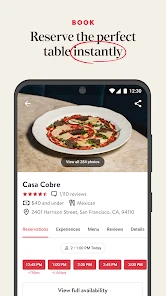
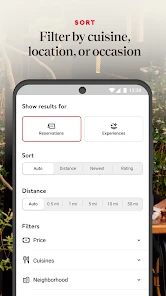
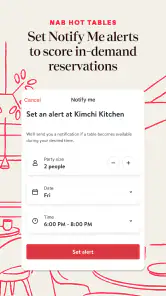
Let's talk usability. The app's interface is sleek and super user-friendly, making it a breeze to navigate. You can search for restaurants by location, cuisine, or even by specific meals. Once you've found the spot that tickles your fancy, booking a table is as easy as pie. Just select your preferred time and party size, and you're good to go. No more waiting on hold or dealing with grumpy hosts.
That flow is most helpful when the group has a clear headcount and a time window. If our plans are still shifting, I avoid treating a tentative search as a confirmed dinner arrangement. I make sure the selected time and party size match what we actually intend, and I look over the booking details before I finish. For a group, agreeing on the essentials in the chat first saves the awkward back-and-forth of changing the plan after everyone has assumed it is settled.
A realistic use case is deciding on dinner after work when nobody has chosen a place. I can search near the area where we expect to meet, compare restaurant options, and see whether a time works for the group. If the first choice has no suitable opening, I can adjust the time or consider another restaurant rather than spending the evening calling around. The useful outcome is not simply finding somewhere attractive; it is getting to a choice that fits the people, place, and timing together.
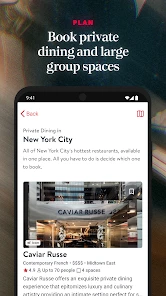
For a special occasion, I would use the same process but make the decision more carefully. I would not rely on the first open slot alone: I would also review the restaurant information, consider whether the cuisine suits the guests, and use photos as one clue among several. If a guest has an important dietary need or the group requires a specific arrangement, I would contact the restaurant directly rather than assuming a standard reservation covers it. That is where a phone call can complement the app instead of competing with it.
Using discovery without letting ratings decide for you
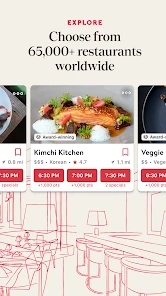
One of my favorite features is the discovery aspect of the app. With OpenTable, you can browse through a ton of restaurant reviews and ratings from fellow foodies. It's like having a foodie friend who always knows the best spots. Plus, you can see photos of the dishes, which is a lifesaver for those of us who eat with our eyes first. Who doesn't love a good food pic, right?
I find those reviews most useful as a way to spot patterns, not as a final verdict. A single enthusiastic comment may tell me little about whether a restaurant suits my evening, while several comments that touch on the same kind of experience can help me decide what to investigate. I also keep the occasion in view: a lively room might be exactly right for a casual group meal and a poor fit for a quiet conversation. Ratings can help me make a shortlist, but they cannot choose the atmosphere for me.
Photos have a similar strength and limitation. They can help me understand the style of the food and whether the restaurant’s offering looks appealing, especially when I am choosing somewhere unfamiliar. But a dish photo is a snapshot, not a promise about portion size, presentation, or what will be available when I visit. I use images to answer “does this look like the kind of place I want?” rather than “will my meal look exactly like this?” That distinction keeps discovery helpful without setting unrealistic expectations.
For someone new to the app, it is reasonable to wonder whether it is only useful for popular restaurants or major nights out. I would not limit it that way: the same search-and-reserve approach can help with a routine meal when I want a definite plan. Still, the app’s value depends on the restaurants and available times that fit a particular search. If a familiar neighbourhood spot is not represented in the options I see, a map search or direct call may be the more useful next move.
Rewards, expectations, and a small note of caution
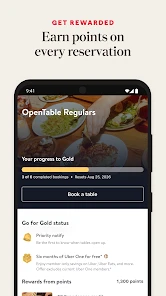
As if finding and booking a table wasn't enough, OpenTable also rewards you for dining out. Every reservation earns you points, which can be redeemed for dining rewards. It's like getting a little thank you for treating yourself to a nice meal. And who doesn't love a good reward?
I see the rewards as a pleasant extra, not the reason to choose a restaurant. The most important questions remain whether the place suits the occasion and whether the reservation works. A points benefit does not make an inconvenient location convenient, and it should not persuade me to book somewhere that otherwise feels wrong. I would check the reward information shown in the app and make sure I understand the terms before counting on a particular benefit.
The main friction is that a restaurant search can look simple while the real decision still takes thought. Availability can narrow the choices, and a time that works for one person may not suit the rest of the group. Reviews and photos also cannot answer every personal question. I do not consider those shortcomings unique to OpenTable; they are part of choosing a restaurant through any digital listing. The sensible response is to use the app for the parts it handles well, then contact the restaurant when the plan needs a human answer.
If someone asks me whether they need an account or what details they must provide, I would avoid guessing and follow the prompts shown during setup. The important first goal is modest: reach a restaurant choice that fits, select the party size and time carefully, and check the resulting reservation details. For questions about a special request, accessibility, or an unusual group arrangement, asking the restaurant directly is more dependable than assuming the booking flow has settled it.
Who will get the most from it
I would recommend OpenTable most readily to people who eat out often enough to value a smoother way to compare restaurants and reserve a table. It is especially handy for someone planning a date, coordinating dinner with friends, or exploring an unfamiliar part of town and wanting more than a list of map pins. The reviews and photos can make an unfamiliar choice feel less like a guess, while the reservation step helps turn a promising idea into a plan.
It is less compelling if you rarely make reservations, already know exactly where you are going, or mainly want delivery and takeaway. In those situations, the app may add an unnecessary step: a map can get you to a known restaurant, and a delivery service is designed for a different need. It may also be the wrong tool when a reservation depends on detailed personal arrangements that should be discussed directly with staff. I would use it as a convenient route to a booking, not as a substitute for every kind of restaurant communication.
For a first-time user, the most reassuring way to begin is to make one low-pressure plan. Pick a meal you would genuinely like to have, search an area that makes sense, compare a few options, and reserve only once the time and group size are settled. That gives you a clear test of whether the app fits your habits without requiring you to change how you dine. If the result is a suitable restaurant and a confirmed plan, it has already done its most useful job.
The Ultimate Dining Companion
So, what's the deal with OpenTable? First off, it's not just another app cluttering your phone. This little gem is a table reservation powerhouse. Imagine having the ability to book a table at your favorite restaurant with just a few taps. It's like having a personal assistant dedicated to your dining needs. Whether you're planning a romantic date night or a group dinner with friends, OpenTable has got you covered.
Easy Peasy Reservations
Let's talk usability. The app's interface is sleek and super user-friendly, making it a breeze to navigate. You can search for restaurants by location, cuisine, or even by specific meals. Once you've found the spot that tickles your fancy, booking a table is as easy as pie. Just select your preferred time and party size, and you're good to go. No more waiting on hold or dealing with grumpy hosts.
Discover New Favorites
One of my favorite features is the discovery aspect of the app. With OpenTable, you can browse through a ton of restaurant reviews and ratings from fellow foodies. It's like having a foodie friend who always knows the best spots. Plus, you can see photos of the dishes, which is a lifesaver for those of us who eat with our eyes first. Who doesn't love a good food pic, right?
Perks and More Perks
As if finding and booking a table wasn't enough, OpenTable also rewards you for dining out. Every reservation earns you points, which can be redeemed for dining rewards. It's like getting a little thank you for treating yourself to a nice meal. And who doesn't love a good reward?
In conclusion, if you're someone who loves eating out but hates the hassle that sometimes comes with it, OpenTable is a game changer. It's convenient, easy to use, and packed with features that make dining out a delightful experience. So next time you're wondering where to eat, just fire up OpenTable, and let the app do the heavy lifting. Bon appétit!
OpenTable Frequently Asked Questions
Can I use OpenTable to find restaurants for a particular occasion?
Yes. OpenTable is designed to help you find a restaurant that suits an occasion, whether you are planning a meal out or exploring dining options nearby. You can browse restaurants and make reservations through the app, which brings discovery and booking together in one place. It is most useful when you want to compare options before deciding where to dine.
Is OpenTable available for my device, and is it suitable for all ages?
OpenTable is a Food & Drink app developed by OpenTable, and it is rated Everyone. The Android version requires Android 8.0 or later, so check your device’s operating-system version before installing. If your device meets that requirement, you can download the app for free and use it to explore restaurants and arrange reservations.
What should I check before installing OpenTable on my device?
OpenTable is a Food & Drink app for finding restaurants and making reservations. It is free to download, is rated Everyone, and requires Android 8.0 or later. The app is developed by OpenTable, and its store summary is “Find the perfect restaurant for any occasion on OpenTable.” Checking that your device meets the operating-system requirement can help you decide whether it is ready to install.
What is OpenTable and how does it work?
OpenTable is a restaurant reservation platform that allows users to discover and book tables at various restaurants worldwide. By using the app, users can search for restaurants by location, cuisine, and availability. Once a choice is made, users can quickly reserve a table for their preferred time and date, often with instant confirmation. The app also provides restaurant reviews, photos, and menus to help users make informed decisions.
Is OpenTable free to use, or are there any hidden fees?
OpenTable is free for users to search for restaurants and make reservations. The app does not charge any fees for booking a table. However, it's important to note that some restaurants may have their own policies regarding deposits or cancellation fees, so users should check these details in advance. The app also offers a loyalty program where users can earn dining points for reservations, which can be redeemed for rewards.
Pros
- User-friendly interface for easy reservations
- Wide selection of restaurants globally
- Real-time availability updates
- Integration with Google Maps for directions
- Loyalty rewards for frequent users
Cons
- Limited to participating restaurants only
- Occasional app crashes reported
- Inconsistent customer service experiences
- Requires internet connection for use
- Some features locked behind account sign-up

- Category
- Food & Drink
- Version
- 26.4.0