Baraja de Lotería Mexicana ®
- 1.28K
- 4.7
- Installs
- 10.00M
- Price
- Free
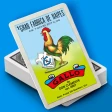
Screenshots



Analysis by Reviewed
Some card games are easy to understand but forgettable after a few rounds. Baraja de Lotería Mexicana ® takes a different route: it turns a familiar Mexican lottery-style card game into a colorful, sound-led experience that feels made for a table full of people. I found its appeal less in complicated strategy and more in the way its images, calls, and pauses create a shared rhythm. It is the kind of game I would suggest when the goal is to get several players involved quickly, without making anyone study a rulebook first.
At the same time, its simplicity is both its strongest quality and its main limitation. If you want a deep competitive card game with long-term deck building, complex decisions, or a campaign to work through, this is not the right destination. If you want an accessible digital version of a traditional game, with the original visual identity and spoken or audible feedback, it makes a much better case. The free download lowers the barrier to trying it, although optional purchases range from $0.99 to $199.99 per item, so I would still pay attention during any purchase flow.
From a familiar card table to a playable mood
The first impression is immediate and recognizable
What stood out to me first was how quickly the game communicates what it is. The title points directly to Mexican lottery, and the presentation follows that promise instead of burying it under menus or an unrelated visual theme. The cards are the center of attention, and the experience is built around recognizing them, waiting for the next call, and checking your board. That directness matters because this type of game works best when players can start participating almost immediately.
Runo Networks, the developer behind the game, has kept the focus on the traditional card identity rather than trying to turn it into a generic mobile card battler. The result feels more like bringing a familiar activity to a phone or tablet than learning an entirely new game. I especially appreciate that choice when playing with relatives or friends who may not normally play mobile games. The basic action is readable: listen, look, find the matching image, and mark progress.
The game is free and suitable for Everyone, which fits the approachable design. It is also a lightweight concept in terms of mental entry cost. A new player does not need to understand character abilities, resource economies, or elaborate scoring systems before taking a turn. That makes it useful for mixed-age gatherings, provided everyone is comfortable with the pace and the way the digital version presents the round.
Its popularity also gives some context without changing the personal experience. The game has passed 10 million installs and holds a 4.7 average from around 37 thousand ratings, with roughly 1.3 thousand written reviews. Those figures suggest that the format has found a broad audience, but they do not replace trying it yourself. The important question is whether you enjoy a game based on recognition and anticipation rather than constant decision-making.
The artwork does more than decorate the cards
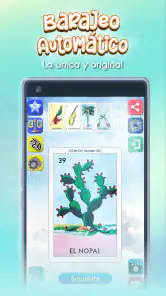
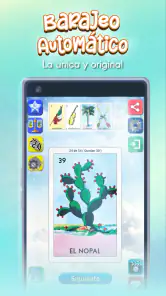
The phrase “original images” is central to the experience, but I do not read that as a simple visual bonus. In a lottery game, the card pictures are the language of play. A clear, distinctive image lets me identify a call quickly, and a consistent art direction helps the board feel like part of one coherent world. The visual personality is therefore tied to usability: the more memorable the images are, the less effort I spend translating a call into a location on the board.
More From Our News Desk

Clash of Clans Is Won Between the Battles

Android Auto Makes the Case for Quieter Car Software

MobiOffice: Transforming Mobile Productivity with Seamless Integration

EA SPORTS FC™ Mobile Soccer: Redefining Mobile Sports Gaming

How Microsoft OneDrive Became a Mobile Productivity Giant

How Google Translate Breaks Language Barriers Effortlessly
This is where the setting becomes effective without needing a large story. There is no need for a fantasy map or a narrative campaign to create a sense of place. The Mexican lottery tradition supplies the identity, while the card illustrations provide the vocabulary. I found that the atmosphere comes from repetition: the same visual symbols return across rounds, gradually becoming familiar enough that I react to them almost automatically.
That familiarity can also expose a weakness. Once I know the cards well, the visual discovery fades, and the game depends more heavily on the social situation around it. Playing alone or in a quiet room may feel less lively than playing with people who react to each call. The art gives the game character, but it cannot by itself provide the strategic depth that a more demanding card title would offer.
Sound turns waiting into part of the game
Sound is one of the most important parts of this adaptation. The game includes voice and sound, so the next card is not presented as a silent visual update. That audio layer gives each call a small moment of ceremony. I found myself listening first and looking second, which is closer to the feeling of a person calling cards across a table than simply tapping through a list.
The spoken element also changes the pacing. A silent version could become a repetitive sequence of checking the screen, but a voice creates a beat between calls. That pause gives players time to scan their boards and decide whether the latest image matters. The experience is more relaxed than frantic, and that is appropriate for a game designed around anticipation rather than rapid input.
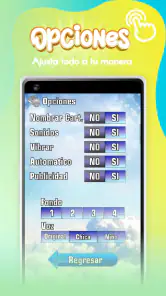
For the best result, I would play with the device volume at a comfortable level and avoid treating the audio as background noise. If the sound is muted, the game may still be understandable through its visuals, but part of its personality disappears. This is also a practical consideration for public spaces, shared rooms, or late-night play: headphones can preserve the intended rhythm without making the calls disruptive.
The audio-led format is not ideal for everyone. Players with hearing difficulties may prefer to rely on the visual presentation, and people looking for a completely quiet puzzle may find the spoken calls unnecessary. I would also avoid assuming that sound automatically makes every round exciting. The calls create atmosphere, but the tension still depends on how close the players are to completing their boards.
Its rhythm is deliberately unhurried
The pacing is best understood as a sequence of small expectations. A card is called, players inspect their boards, someone reacts, and the cycle continues. That rhythm makes the game easy to follow during a casual gathering, because conversation can happen between calls without the entire round collapsing. I could imagine leaving it running while people chat, then returning attention to the board whenever a new image is announced.
That same quality may frustrate players who want constant interaction. There are stretches where the main activity is waiting and checking, not making a meaningful tactical choice. The game does not appear designed to overwhelm the player with speed, and I consider that a strength for family use, but a drawback for anyone who measures fun by the number of decisions made per minute.
A useful way to approach it is to match the session to the mood. For a short break, one round can work as a simple distraction. For a social evening, the slower rhythm leaves room for conversation and playful reactions. I would not choose it when I only have a few seconds and need an instantly active challenge; I would choose it when the game is meant to support the gathering rather than dominate it.
The mechanics fit the traditional idea
The core mechanics are deliberately easy to grasp: cards are called, matching images are located, and progress is tracked on the player’s board. That simplicity is not a lack of design; it is the reason the game can welcome people who have never touched a modern card app. I did not need to think about complicated combinations before I could understand what I was supposed to do.
There is still a small skill element in attention. I have to recognize the image quickly, remember where it appears on my board, and avoid marking the wrong space in the excitement of a close round. The challenge is not strategic planning so much as concentration and pattern recognition. That makes it accessible while giving the player something to do beyond passively watching the screen.
The mechanical fit with the art direction is particularly strong. Because the images are the objects being called and matched, the visual theme is never separate from the rules. The sound reinforces the call, and the board gives that call a practical destination. This alignment is why the game feels coherent: presentation, audio, and interaction all point toward the same simple activity.
Still, I would set expectations carefully. This is not a substitute for a collectible card game, a tactical duel, or a strategy title where every turn changes the larger plan. There is no reason to install it if your priority is building a powerful collection or mastering layered card effects. The better comparison is with a digital family game: it succeeds through clarity, recognition, and shared anticipation.
How it compares with physical cards and other mobile games
Compared with a physical deck, the digital version offers convenience. I do not need to find, shuffle, or keep track of every card before starting. The device can provide the calls and keep the experience moving, which is useful when I want a quick round without preparing a table. It is also easier to carry than a physical set when the game needs to travel with me.
The trade-off is tactile and social. Physical cards have weight, people can point across the table, and the caller can create a personal performance through timing and voice. A phone or tablet provides consistency, but it can also place a screen between players. If the group already owns a beloved physical deck and enjoys being the caller, the app may feel less special. If the group wants convenience or lacks the physical materials, the app becomes more attractive.
Against more complex mobile card games, this title is calmer and more welcoming. It does not ask me to learn a large rules system or spend time optimizing a deck before I can enjoy a match. That makes it a better choice for children, older relatives, and casual players who might be put off by competitive digital card games. The downside is that experienced players may reach the limits of its decision-making sooner.
One practical trade-off is attention. Because the game is built around calls, I can play while talking, but I cannot ignore it completely. Missing a card may mean missing the moment to mark it. I would not treat it like an idle game that can be left unattended for long periods. Its relaxed pace is social, not passive.
Small habits that improve a round
I found that the best way to play is to prepare the board before the first call rather than tapping around while the round is already moving. Taking a moment to understand where the spaces are reduces confusion later, especially when several players are reacting at once. The visual design works better when I give myself a second to scan the whole board instead of focusing on one corner.
Another useful habit is to keep the audio clear but not overpowering. The voice is part of the game’s identity, yet excessive volume can make conversation uncomfortable. In a group, placing the device where everyone can see it is more important than simply holding it close. The game depends on shared recognition, so visibility affects the social experience as much as the sound does.
I also recommend treating each round as a complete social activity rather than rushing to repeat it. The calls create natural pauses for people to comment, joke, or compare how close they are to finishing. If everyone focuses only on speed, the game can feel mechanically thin. If the group uses the pauses, the same mechanics become a framework for conversation.
For younger players, the straightforward image matching can be a gentle way to practice attention and visual recall, but I would still play alongside them rather than assuming the app replaces supervision. For older players, the clear card-centered format may be more comfortable than a fast action game, though screen size and audio clarity will matter. A tablet could make the shared board easier to see than a small phone, particularly when several people are gathered around it.
What the current version means for a new player
The current version is 1.10.42, and the game supports devices running Android 6.0 or later. That makes it relevant to people using older compatible phones, although the actual comfort of play will still depend on screen size, speaker quality, and how easily the device displays the cards. A technically compatible phone may not be the most enjoyable one for a group session if everyone has to lean in to see it.
The game was released on September 27, 2015, which helps explain its established, traditional focus. It does not present itself as a constantly changing modern competitive platform; its appeal comes from making a recognizable game available in digital form. I would approach it as a dependable casual title rather than something chosen for cutting-edge systems or a constantly expanding world.
Because it is free, trying it is straightforward. The presence of in-app purchases means I would be mindful when handing the device to a child or when allowing someone unfamiliar with mobile purchases to explore the menus. The free entry point is valuable, but it should not be confused with every possible element being free. That is a normal distinction for mobile games, and it is worth remembering before a family session begins.
Who will enjoy it, and who should skip it?
I would recommend Baraja de Lotería Mexicana ® to someone who wants a recognizable Mexican card-game experience on a mobile device, especially for family gatherings or relaxed play with friends. It is also a good fit for players who value art direction and sound as part of the mood, rather than seeing them as decoration added after the mechanics. The original images and audio calls give the simple rules a stronger identity than a bare-bones matching game would have.
I would be more cautious recommending it to a player who expects a solo progression system, deep strategy, or a competitive ladder. The game’s pleasure comes from the round itself and from the people sharing it, not from building a complex long-term plan. Someone who dislikes waiting between decisions may also find the pacing too gentle, while someone who prefers silent play may want to mute the device and accept that the atmosphere will be reduced.
It is also not the ideal replacement for a physical gathering if the group values handling cards and taking turns as a caller. The app brings portability and automation, but it cannot reproduce every tactile detail of a real table. I see it as a convenient companion to the tradition, not a universal improvement over it.
The atmosphere works because the mechanics stay visible
My strongest impression is that the game does not separate mood from play. The illustrations establish the identity, the voice and sounds give the calls a pulse, and the board turns every call into a small visual search. Nothing needs to be explained through a large story because the atmosphere is carried by the repeated relationship between image, sound, and recognition.
That coherence also keeps the game honest. It does not pretend that a simple lottery structure is a tactical epic. Instead, it makes the basic loop pleasant enough to revisit when the social setting is right. I value that restraint. Many mobile games add layers that distract from their original idea; this one is more effective when it lets the cards remain the main event.
After spending time with it, I would describe the experience as a digital gathering game with a distinctly Mexican visual and audio character. Its free price makes it easy to test, its Everyone rating broadens its audience, and its large install base shows that the format has traveled well to mobile. The optional purchase range is the one area where I would advise extra care, especially on a shared device.
My final recommendation is simple: choose it for atmosphere, accessibility, and shared rounds, not for deep strategy. When I want a game that can sit in the middle of a family conversation and still give everyone a reason to look up, the combination of original card imagery, spoken calls, and unhurried pacing works well. When I want demanding decisions or a long personal progression, I would choose another card game instead. Baraja de Lotería Mexicana ® knows exactly what kind of experience it wants to be, and its success comes from making that modest idea feel complete.
Baraja de Lotería Mexicana ® Frequently Asked Questions
How much storage space should I leave for Baraja de Lotería Mexicana ®?
It is sensible to leave some free storage before installing any mobile game, since the download and its app data need room on your device. Baraja de Lotería Mexicana ® is a card game centered on a complete illustrated deck, with voice and sound as part of its presentation. Check the download size shown for your device and make sure you have enough space for installation and future app data.
What language and audio experience can I expect from the game?
The game features voice and sound alongside the traditional lotería images, giving card calls an audio element as well as a visual one. That can make a round feel closer to the familiar way lotería is played. If you prefer to play quietly, check your device’s media volume and sound controls; the cards can still be followed visually as they appear.
Who developed Baraja de Lotería Mexicana ®, and what devices can run it?
Baraja de Lotería Mexicana ® is a card game developed by Runo Networks. Its current version is 1.10.42, and it requires Android 6.0 or later. Check your device’s operating system before downloading to make sure it meets that requirement. The game is also described as a mobile version of the traditional Mexican lotería deck, with its familiar illustrated cards.
What is Baraja de Lotería Mexicana ®?
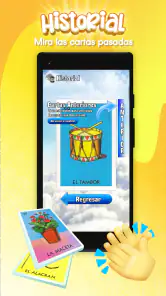
Baraja de Lotería Mexicana ® is a digital version of the traditional Mexican lotería card game. It recreates the familiar illustrated deck, including iconic cards such as El Gallo, La Sirena, La Muerte, and El Catrín. Depending on the available game modes, you can play casually, practice calling cards, or enjoy matches with friends and family on a mobile device.
How do you play Baraja de Lotería Mexicana ®?
The game follows the classic lotería rules. Each player receives a board containing different images, while a caller reveals cards one at a time. When a revealed image appears on your board, you mark it using the in-game controls. The objective is usually to complete the required pattern before the other players and announce “¡Lotería!” when you win.
Pros
- Authentic Mexican artwork gives the game a distinctive cultural feel.
- Simple rules make it accessible for casual players and families.
- Rounds are generally short and easy to fit into a quick break.
- Supports entertaining group sessions with friends or relatives.
- Digital format avoids carrying physical cards and boards.
Cons
- Some features or content may require in-app purchases.
- Gameplay can become repetitive after extended sessions.
- Requires a compatible device and enough storage space.
- Ads may interrupt play
- depending on the version or settings.
- Online features can be affected by connection or server issues.
- Category
- Card
- Version
- 1.10.42