Geometry Dash SubZero
- 37.21K
- 4.5
- Installs
- 100.00M
- Price
- Free

Screenshots
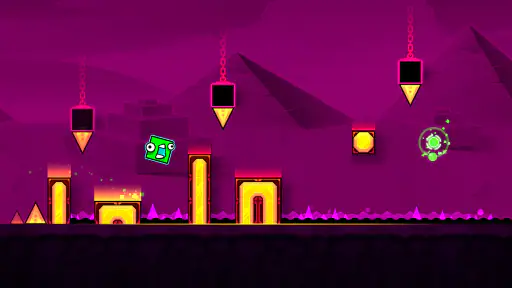
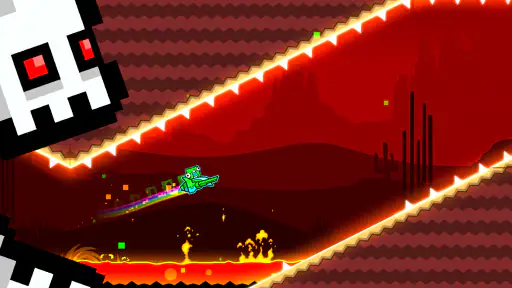
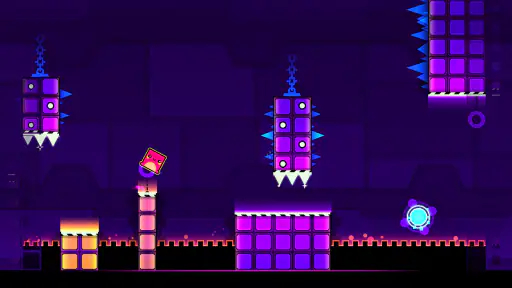
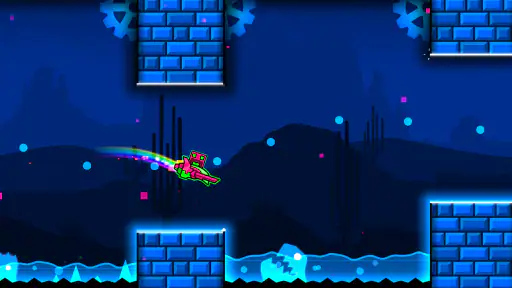
Analysis by Reviewed
Have you ever found yourself tapping your foot to the beat of a song while navigating through a sea of obstacles? Well, that's exactly what Geometry Dash SubZero offers—a thrilling, yet challenging, musical journey that will keep your fingers and reflexes in top shape.
Who will enjoy this kind of challenge?
I’d recommend this arcade game to anyone who likes learning a level through repeated attempts rather than easing through a long story. A commute, a short break, or a few minutes waiting for a friend can suit it well: one run gives you a clear goal, and a failure sends you straight back into the effort. The free price makes trying it an easy decision, while its Everyone age rating makes the presentation approachable for a broad audience. Still, the demanding timing may frustrate younger or less patient players, so I’d treat the age rating as guidance about content, not a promise that the gameplay is gentle.
It also helps to know what kind of “rhythm game” this is. You are not primarily choosing notes or tapping a beat chart; the central task is guiding a moving icon through hazards, with the music helping you anticipate the action. Compared with casual tap-to-the-music games, this asks for more precise reactions and persistence. Compared with a conventional platformer, it moves forward automatically and leaves less room to pause and inspect what is coming. That focused design is its appeal, but it is not my pick when I want a relaxed game or freedom to explore at my own pace.
A useful way to fit it into a day
For me, the best everyday use is a brief, focused break rather than something to play while half-watching another screen. If I have a few minutes before a bus arrives, I can start a run, concentrate on a particular obstacle sequence, and stop when the break ends. That works because the game gives each attempt a clear immediate purpose. It is less suited to a moment when I need to keep checking messages or talking, since interruptions can break the concentration needed to read the next hazard.
There is also a practical difference between playing for progress and playing to unwind. A short session can feel satisfying when I am willing to repeat a section and notice small improvements, but it can feel tense if I expect every attempt to go smoothly. I would choose it when I want a compact skill challenge, not when I need a calming game after a tiring day. That distinction matters more than whether you usually enjoy arcade games in general.
Jumping into the Rhythm
From the moment you open Geometry Dash SubZero, you’re thrown into a world where timing is everything. This game is a spin-off from the popular Geometry Dash series and it brings its own set of unique challenges. Unlike its predecessors, SubZero is all about embracing the cold, dark vibe with pulsating neon lights and rhythm-driven gameplay.
The Gameplay Experience
The premise is simple: you control a small icon that continuously moves forward. Your job is to jump, fly, and flip your way through various obstacles while staying in tune with the beat. Sounds easy? Trust me, it’s not. The difficulty level is high, but that’s part of what makes it so addictive. Each level is set to a different soundtrack, and the music not only enhances the gameplay but also acts as a guide to help you time your jumps perfectly.
One of the things I absolutely love about this game is how it seamlessly integrates music with gameplay. The synchronization between the beats and your movements is almost hypnotic, urging you to try “just one more time” every time you fail. And fail, you will, but that’s all part of the fun. The satisfaction of finally nailing a tricky section after multiple attempts is unparalleled.
Why the feedback makes a retry worthwhile
The satisfying part is not simply reaching farther; it is being able to identify the moment a run went wrong. Because the icon keeps moving, a mistake gives immediate feedback: I can often tell whether I misjudged a jump, reacted too late, or lost track of the pattern. That clarity makes a reset feel less like starting from nothing and more like taking another focused attempt at a specific problem.
There is a trade-off, though. The fast, continuous movement does not leave much room to recover from a bad decision, so a small lapse can end a promising run. Players who prefer generous checkpoints or a slower platforming pace may find that unforgiving. I think the design works best when I treat each failure as information rather than proof that I am not improving.
Making practice count
The useful way to approach a difficult passage is to notice what caused the miss, rather than simply tapping faster on the next attempt. If you jump too early, keep your attention on the approach to that obstacle; if you react late, listen for the musical cue and prepare before the hazard reaches you. This turns a string of resets into a small practice routine. The beat can be a helpful guide, but I wouldn’t treat it as a substitute for watching the screen: the visual sequence and your timing still matter.
For a more comfortable session, I’d use headphones when the surroundings are noisy and keep the volume at a level where the beat is clear without becoming distracting. If you’re playing in a place where sound would be inconvenient, the obstacle pattern remains important, but losing the musical cues can make timing feel less intuitive. That trade-off is worth considering before starting a level in a crowded waiting room or during a quiet break.
Small habits that improve a run
One useful habit is to focus on the next obstacle rather than trying to predict an entire level at once. I find that listening for the beat while keeping my eyes on the immediate visual pattern helps avoid turning the music into a distraction. If a section repeatedly catches me, I try to name the specific error before tapping again; “late on the approach” is a more useful diagnosis than “that part is impossible.”
Another practical tip is to avoid changing several things between attempts. If I alter my timing, grip, and attention all at once, it becomes harder to tell what helped. Keeping the same comfortable hold and making one small adjustment gives each retry a clearer purpose. This is a simple way to make repetition feel like practice instead of frantic button pressing.
Graphics and Design
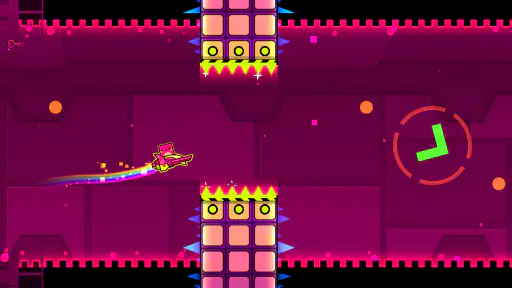
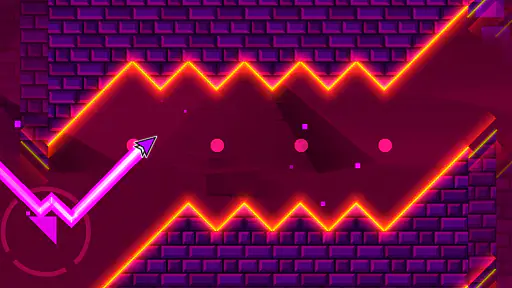
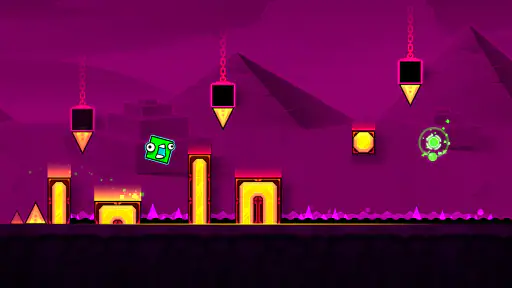
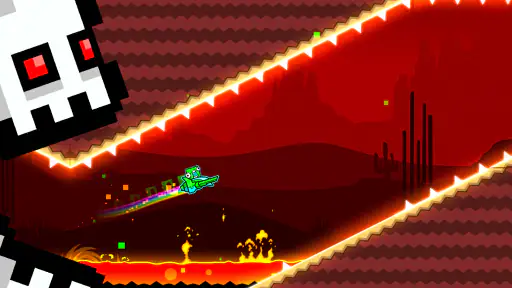
The visuals in Geometry Dash SubZero are nothing short of spectacular. The neon colors and sharp contrasts create a visually stimulating environment. Coupled with the dynamic music, it’s a feast for the senses. The design is clean yet intricate, with every obstacle and platform meticulously placed to challenge your skills and patience.
Each level is uniquely themed, taking you through icy landscapes and futuristic settings that are both visually appealing and mentally engaging. The game doesn’t rely on complex graphics but rather focuses on providing a smooth and responsive experience, which is crucial for a game where precision is key.
What to expect from the download
RobTop Games is the developer behind the game, which has been available since December 21, 2017. It has reached over 100 million installs and holds an average rating of 4.5 from around 930,000 ratings, with roughly 37,000 written reviews. Those figures suggest a large audience for this demanding style, though popularity doesn’t mean every player will enjoy repeating tricky sections.
The current version is 2.2.145, and the minimum operating system requirement is Android 5.0. If you’re deciding whether an older device can run it, checking that requirement before downloading is a practical first step. Its free price also lowers the barrier to trying it, but the more important question is whether you enjoy a game built around careful timing, frequent mistakes, and gradually improving your run.
What makes this different from other arcade choices?
Many arcade games offer quick rounds, but their challenge may come from reacting to changing targets or surviving as long as possible. Here, the appeal is more about learning a designed obstacle sequence and refining how you pass through it. That gives each retry a recognizable reference point: I can compare my latest attempt with the last one and work out whether my timing improved.
That same structure makes it a narrower recommendation than a broad collection of mini-games. If you want variety from one round to the next, or a game that gives you room to wander and experiment, another arcade or platform title may feel more rewarding. If you enjoy mastering a fixed, demanding route through repetition, this focused format can be more compelling than a game that constantly changes its rules.
Final Thoughts
In a world full of games that often feel the same, Geometry Dash SubZero stands out with its unique blend of music and challenging gameplay. It’s a game that doesn’t just test your reflexes but also your perseverance. Every failure is a lesson, every success a triumph.
If you’re a fan of rhythm-based games and are looking for something that offers more than just mindless tapping, this is the game for you. Whether you’re new to the Geometry Dash universe or a seasoned player, SubZero has something to offer. Just remember, it’s not about how many times you fail, but how many times you get back up and try again.
So, plug in your headphones, crank up the volume, and dive into the mesmerizing world of Geometry Dash SubZero. It’s a ride you won’t want to miss!
When another game may fit better
I’d skip this one if repeated failure quickly spoils the fun for you, or if you want a platform game with exploration, a slower pace, or a forgiving learning curve. A more relaxed arcade title is a better choice when you only want a low-pressure distraction. On the other hand, if you like turning a seemingly impossible sequence into a practiced pattern, the short action-and-reset loop gives you a clear reason to return without needing a long session.
My practical verdict is to try it when you have a few uninterrupted minutes and are in the mood to concentrate. Don’t judge it by a single failed run; pay attention to whether each attempt teaches you something. If the music, visuals, and precise obstacle timing make you want to retry, its tough approach is the point. If you find yourself annoyed rather than curious about the next attempt, that is a good sign that a gentler arcade game will serve you better.
A good stopping point matters
It is easy to let the “one more try” feeling stretch a quick break longer than planned. I find it helps to decide on a natural stopping point before starting, such as the end of a short free moment, rather than waiting until frustration sets in. That keeps the retry loop enjoyable and makes it easier to return later with fresh attention instead of tapping through attempts while tired.
The game is also a better fit for someone who can accept uneven progress. You may have a run that feels promising and then lose it to one mistimed action; that is part of its challenge, not a sign that every session will show obvious improvement. If gradual mastery sounds satisfying, the resets have purpose. If you need a game that reliably rewards each brief visit with a clean win, I would choose something more forgiving.
The loop verdict
The core loop is easy to understand: act on the approaching hazard, get immediate feedback, take the reward of a cleaner attempt or a hard-won passage, then reset and decide whether you have the focus for another go. I like that the next session begins for a concrete reason: I know what I want to correct. That is a stronger hook than simply chasing a vague high score, but it depends on enjoying repetition.
Overall, I’d recommend it to players who want a precise, music-led arcade challenge and are comfortable learning through mistakes. The free entry makes it easy to see whether that style clicks, while the Everyone rating describes its broad content appeal rather than its difficulty. If you want exploration, a gentle pace, or a run that rarely ends abruptly, pick another game; if mastering a tricky sequence sounds satisfying, this one gives each retry a clear purpose.
Geometry Dash SubZero Frequently Asked Questions
Is Geometry Dash SubZero suitable for younger players?
Geometry Dash SubZero is an arcade game with an Everyone content rating, so it is presented as suitable for a broad audience. Its main appeal is fast, rhythm-based platforming: players jump and fly through hazards while following the music. Parents may still want to consider whether repeated attempts at challenging sections suit their child, and review the game together before deciding to download it.
Does the game offer a clear introduction for first-time Geometry Dash players?
Geometry Dash SubZero is built around an easy-to-understand idea: time your movements to get through obstacles while the music plays. That straightforward premise makes it approachable even if you have not played another Geometry Dash game. The challenge comes from learning when to react and remembering the patterns, so newcomers should expect to improve through practice rather than instantly clear every section.
What is Geometry Dash SubZero?
Geometry Dash SubZero is a rhythm-based platformer game developed by RobTop Games. Released as a spin-off of the popular Geometry Dash series, this version features challenging levels that are synced with intense music tracks. Players must navigate through various obstacles by jumping, flying, and flipping to the rhythm. It's available for both Android and iOS devices, offering a thrilling experience for fans of rhythm and platformer games.
Is Geometry Dash SubZero free to play?
Yes, Geometry Dash SubZero is free to play. However, like many free games, it may contain in-app purchases or ads. These purchases are optional and generally offer cosmetic changes or additional features to enhance gameplay. It’s important for players, especially parents, to be aware of these in-app purchases to avoid unexpected charges.
How much space should I expect the game to take up?
Before installing, make sure your device has enough free storage for the download and installation. The amount of space a game uses can vary with a device and its software, so checking the available storage on your phone or tablet is a sensible step. Keeping some extra room free can also help your device continue working comfortably after installation.
Articles Related to Geometry Dash SubZero
Clash of Clans Is Won Between the Battles
Its raids are quick; its community is a long-term project of coordination, teaching, rivalry, and shared responsibility—with all the friction that entails.
Android Auto Makes the Case for Quieter Car Software
The car interface is no longer judged by how much it can do, but by how quietly it helps. Android Auto shows what drivers now expect—and what still gets in the way.
MobiOffice: Transforming Mobile Productivity with Seamless Integration
MobiOffice: Word, Sheets, PDF is redefining mobile productivity with a surprising blend of functionality and innovation.
EA SPORTS FC™ Mobile Soccer: Redefining Mobile Sports Gaming
Dive into EA SPORTS FC™ Mobile Soccer, where immersive gameplay and strategic depth transform mobile sports gaming.
Pros
- Exciting rhythm-based platformer.
- Free to play with optional in-app purchases.
- Unique levels with vibrant graphics.
- Intuitive controls for easy gameplay.
- Regular updates with new content.
Cons
- Limited levels compared to full version.
- Ads can be intrusive at times.
- Requires internet for some features.
- High difficulty may frustrate some players.
- No cloud save for progress tracking.
- Category
- Arcade
- Version
- 2.2.145