Find The Cat - Spot It!
- 8.17K
- 4.9
- Installs
- 10.00M
- Price
- Free

Screenshots



Analysis by Reviewed
Have you ever found yourself scrolling through your phone, looking for an amusing way to pass the time? Well, you're in luck! Let me introduce you to Find The Cat - Spot It!, a quirky little game that's perfect for cat lovers and puzzle enthusiasts alike. Whether you're waiting for your coffee to brew or just need a break from the daily grind, this fun app might be just what you need.
A quick puzzle for short breaks
I find this kind of hidden-object puzzle works best when I treat it as a small, focused activity rather than something to play for hours. A level gives me a clear visual task: scan the picture, identify the cat, and enjoy the little click of recognition when it finally stands out. That makes it a natural fit for a quiet moment between errands or while waiting for an appointment. It is less suited to anyone looking for a story, a competitive challenge, or a game that demands long sessions.
For a realistic example, I might open it while waiting for a drink and try one puzzle, then put my phone away when my order is ready. The simple premise makes it easy to return to without needing to remember a plot or complicated controls. If I am tired or distracted, though, I may miss details and find the search more frustrating than relaxing; a slower, deliberate scan is usually more enjoyable than tapping randomly.
How the game feels now
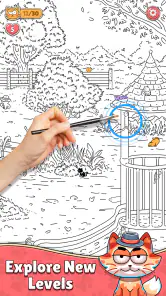
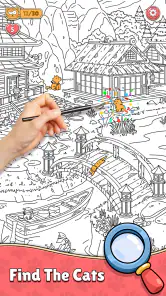
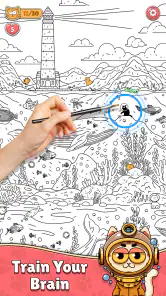
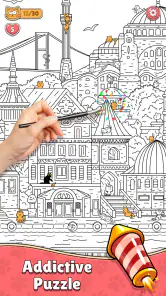
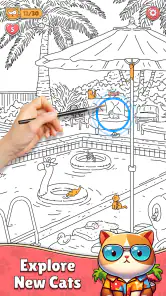
So, what's the deal with Find The Cat - Spot It!? It's a simple yet addictive game where the primary goal is to spot hidden cats in various pictures. At first glance, you might think, "How hard can it be?" But trust me, it can get surprisingly challenging! The cats are masters of disguise, expertly hidden among the clutter and chaos of different settings.
The game offers a wide variety of levels, each with its unique theme and difficulty. You start off with easier puzzles, allowing you to get your feet wet and understand the mechanics. As you progress, the challenges become more intricate, requiring a keen eye and a strategic mind. The satisfaction of finally spotting that elusive feline is incredibly rewarding!
Its current place in the puzzle shelf
Agave Games makes this free puzzle game, which has reached a 4.9 average from around 486,000 ratings and over 10 million installs. It is rated Everyone, and optional in-app purchases range from 99 cents to $8.99 per item. On a phone crowded with match-three boards, word puzzles, and conventional hidden-object adventures, this one keeps its appeal narrower: the pleasure comes from visually searching a single illustrated scene, not matching pieces or solving clues. Choose it when you want observation practice without a rules tutorial; pick a word or logic puzzle instead if you want each move to build toward a deduction.
Why You'll Love It
One of the things I absolutely adore about this app is the adorable artwork. The illustrations are vibrant and charming, making every level a visual treat. The developers have done an impressive job in creating engaging and colorful environments that draw you in.
You May Like

Clash of Clans Is Won Between the Battles

Android Auto Makes the Case for Quieter Car Software

MobiOffice: Transforming Mobile Productivity with Seamless Integration

EA SPORTS FC™ Mobile Soccer: Redefining Mobile Sports Gaming

How Microsoft OneDrive Became a Mobile Productivity Giant

How Google Translate Breaks Language Barriers Effortlessly
Another fantastic feature is the hint system. Stuck on a level and can't find that darn cat? No worries! The game provides hints to nudge you in the right direction. But be careful, as these hints are limited, adding an extra layer of strategy to the game. You have to decide when it's the right time to use them, which keeps the gameplay fresh and exciting.
Ways to search without wasting a hint
I get more out of each scene by scanning it in a repeatable pattern: divide the picture into rough sections, sweep each section once, and only then revisit areas where shapes or outlines look cat-like. This is more reliable than jumping around the image, especially when the artwork is busy. I also try a short pause before using a hint; after looking away for a moment, the target can become easier to notice because I am no longer fixated on the same details.
Hints are most useful when I have genuinely searched the whole picture, not when I am still checking the obvious focal points. Since they are limited, spending one early can remove the satisfaction of solving a scene unaided. If you prefer steady guidance over self-directed searching, that constraint may feel irritating rather than strategic. The game’s central pleasure is visual attention, so the hint system works best as a backup, not a routine shortcut.
Room for Improvement
While Find The Cat - Spot It! is a delightful game, it isn't without its flaws. Some players might find the ads a bit intrusive. Although they aren't overwhelming, they do pop up occasionally, which can disrupt the flow of your gaming experience. However, this is a minor inconvenience compared to the overall enjoyment the game provides.
Another point worth mentioning is that the game could benefit from more frequent updates. Adding new levels and themes would keep the content fresh and players engaged over a longer period. The foundation is solid, but there's always room for growth!
Version, continuity, and what to watch
The current version is 3.7.1, following a release on August 29, 2024. Those details establish where the game stands now, but they do not by themselves tell me which specific changes arrived between versions, so I would not assume a particular new feature or overhaul. For someone already playing, the practical question is whether the latest build continues to feel smooth and whether fresh scenes keep the visual search from becoming familiar. The version number is useful context, not a promise that the core experience has changed.
If you are deciding whether to keep it installed, I would watch for variety in the scenes and whether the interruptions still suit your preferred pace. A quick visual game benefits from a steady supply of unfamiliar compositions; once you recognize the same kinds of hiding spots, the challenge can feel less surprising. On the other hand, the fixed, easy-to-understand premise is exactly what makes it approachable when I do not want to learn a new system. I would not choose it for deep progression, but I would keep it handy if short spotting sessions are my kind of downtime.
Who it suits, and when I would pass
I would recommend it most to people who enjoy cats, illustrated scenes, and low-pressure tests of attention. It can also be a pleasant shared activity: one person can hold the phone while another suggests where to look, turning a quiet wait into a small collaborative search without needing a separate multiplayer mode. For a child or an adult, the Everyone rating gives a useful age label, though each family can still decide whether the game’s ads and optional purchases fit their preferences.
I would skip it if I wanted fast action, a demanding logic system, or a puzzle that keeps escalating through varied mechanics. It asks me to look carefully, not to plan a chain of moves, and that distinction matters. If visual searching is tiring for you, or you would rather avoid occasional ad interruptions and purchase prompts, a paper puzzle or an offline logic game may be a better match. The game is free to start, while its optional purchases mean it is worth checking the in-game choices before handing a device to a child.
Before you settle into a session
A useful way to decide whether this suits your routine is to notice what kind of break you actually want. If I have only a minute and need something I can stop without losing track, a single picture is more convenient than a level-based puzzle that depends on a sequence of moves. If I have a longer stretch and want my attention to build toward a solution, a logic game will probably feel more satisfying. This is a small distinction, but it prevents the common disappointment of expecting a hidden-picture search to offer the same kind of mental workout as a deduction puzzle.
It can also work well as a low-pressure handoff between people. I might let a younger player take the first scan, then ask someone else to check a different part of the picture rather than immediately pointing out the answer. That keeps the activity cooperative and gives the person holding the phone a chance to stay involved. I would avoid turning it into a race if the goal is a calm shared moment; the game’s appeal is noticing details, not proving who can tap fastest.
What the simple format trades away
The narrow objective is both the game’s strongest design choice and its clearest limit. Because each scene asks for the same basic kind of attention, I can get started immediately and focus on the illustration instead of learning a collection of controls. But anyone hoping for puzzles that alternate between searching, pattern recognition, and multi-step problem-solving may find the format repetitive. A standard hidden-object game with a longer list of items, or a logic title with changing rules, is a better pick when variety in the task matters more than the quick satisfaction of a successful search.
The artwork also means that how I feel while playing can depend on how much concentration I have available. In a quiet room, I can work through a busy image patiently; on a crowded commute, movement and interruptions can make it harder to inspect small details. I would save the more demanding searches for a moment when I can look at the screen steadily, instead of treating every spare second as equally suitable. That small adjustment makes the game feel more relaxing and reduces the temptation to spend a hint simply because I am distracted.
How I would judge the next stretch
For existing players, I would evaluate a new build by what changes in the actual play session, not by the version number alone. Does the game still open into the sort of quick visual task I came back for? Do the scenes continue to make me search rather than immediately reveal familiar hiding patterns? Those are more useful tests than assuming that a later version means a new mode or a major redesign. The current release gives a point of reference, while the value of continuing to play comes down to whether the scenes remain enjoyable.
For a new player, the practical questions are straightforward: can I enjoy repeated visual scanning, am I comfortable with occasional ads, and do I want optional purchases in a free game? If the answers are yes, it is easy to try without committing to a complicated system. If not, there is little reason to force it; another puzzle style may fit better. I would also check the in-game purchase choices before letting a child explore on their own, since the age label does not replace a family’s own preferences about spending.
Final Thoughts
In conclusion, Find The Cat - Spot It! is a charming and engaging app that offers hours of entertainment. It's perfect for anyone who loves a good puzzle and has an affinity for our feline friends. While it may have a few minor drawbacks, the overall experience is delightful, making it a fantastic addition to your app collection.
So, if you're in the mood for a light-hearted challenge that will test your observation skills, give Find The Cat - Spot It! a try. It's a game that promises not only to keep you entertained but also to bring a smile to your face. Happy cat hunting!
Find The Cat - Spot It! Frequently Asked Questions
Does Find The Cat - Spot It! have a suitable age rating for children?
Find The Cat - Spot It! has an Everyone content rating, so its listed audience includes players of all ages. Its central activity is looking for cats hidden in scenes, making it an approachable choice for families and younger players who enjoy visual puzzles. If children play on your device, you may also want to review purchase settings before they download or play.
How popular is Find The Cat - Spot It! among players?
Find The Cat - Spot It! has attracted a large audience, with more than 10 million installs. It has an average rating of 4.9 from around 486,000 ratings, alongside roughly 8,200 written reviews. These figures suggest that many players have tried the game, although individual enjoyment will depend on whether you like visual search puzzles and the relaxed challenge of spotting concealed cats.
Is Find The Cat - Spot It! free to download, and what should I know about its cost?
Find The Cat - Spot It! is free to download, so you can try its hidden-cat puzzles without paying upfront. The game also offers optional in-app purchases, priced from $0.99 to $8.99 per item, which are charged separately if you choose to buy them. It is worth checking purchase details before confirming a transaction, especially if children use your device. You can enjoy the basic game without making a purchase.
What is the main objective of Find The Cat - Spot It! app?
Find The Cat - Spot It! is a fun and engaging puzzle game where the main objective is to locate a hidden cat within various images. Each level presents a different scene, and players must carefully scan the image to find the cleverly concealed feline. It's designed for both relaxation and mental stimulation, making it a perfect choice for cat lovers and puzzle enthusiasts alike.
Is Find The Cat - Spot It! suitable for all ages?
Yes, Find The Cat - Spot It! is suitable for players of all ages. The game features a simple and intuitive interface, making it accessible for children, while the increasingly challenging levels offer enough complexity to keep adults engaged. It's a family-friendly game that encourages observation skills and patience.
Pros
- Fun and engaging gameplay.
- Improves attention to detail.
- Great for all age groups.
- Simple and intuitive UI.
- Regular updates with new levels.
Cons
- Ads can be intrusive.
- Limited free levels.
- Occasional app crashes.
- Requires internet connection.
- No multiplayer mode.

- Category
- Puzzle
- Version
- 3.7.1