Daily Mahjong Match
- 401.00
- 4.9
- Installs
- 1.00M
- Price
- Free

Screenshots



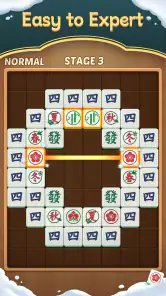

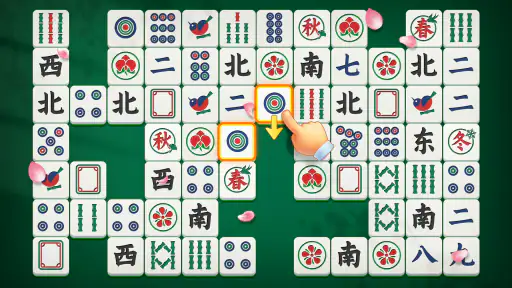


Analysis by Reviewed
I like a tile puzzle best when I can pick it up for a few minutes, make a little progress, and put it down without needing to learn a complicated system. That is the appeal of Daily Mahjong Match: it gives the familiar task of clearing matching tiles a daily rhythm, with enough choices to make a short session feel like a small break rather than a commitment. I would consider it for a shared household device too, as long as everyone understands that the experience is a casual game, not a coordinated family activity.
A small shared-device ritual
It fits naturally into ordinary gaps: I can imagine one person playing while waiting for dinner, then handing the device to someone else who wants a quiet puzzle after a busy day. The board-game format is easy to understand at a glance, so there is little explanation needed before a new player can try it. That makes it more approachable for casual turns than a strategy game with a long tutorial or a competitive game that expects everyone to follow the same match.
There is a trade-off when several people use one device. The game’s daily challenge gives the day a clear point of entry, but a household should not assume that separate people automatically get separate histories or progress. I would agree on whose turn it is before starting a puzzle if preserving an individual run matters. For a shared screen, the safest expectation is simple: take turns, and treat the game as a relaxed pastime rather than a private account space.
Choosing the right kind of session
The daily puzzle is a useful default when I do not want to spend time deciding what to play. If I have more time, the theme options offer a way to change the look without changing the basic tile-matching appeal. A practical tip is to pause before using a hint or shuffle: first scan the exposed pairs and consider which match opens the most useful tiles. That small habit makes the tools feel like a second chance rather than the first move whenever a board gets awkward.
This is also where the game’s limits become clearer. A hint can help when I am stuck, and a shuffle can make the layout feel fresh, but neither turns a puzzle into a social contest or a deep planning game. If you want head-to-head play, a campaign with a story, or a board game built around conversation and cooperation, another kind of game will suit you better. This one is strongest when the goal is a calm solo puzzle that can be shared informally.
If you enjoy Mahjong-style matching but dislike being pushed into a long session, the daily format is a sensible fit. If you prefer endless variation with no daily routine, or you want a game that rewards group decisions, I would look elsewhere. I also would not choose it as a substitute for learning traditional Mahjong rules: tile matching is the draw here, not a full table game with the same play and social conventions.
First Impressions: A Seamless Start
Upon downloading Daily Mahjong Match, I was immediately drawn in by its clean and user-friendly interface. The app opens up to a welcoming screen that provides easy navigation options. Whether you're a seasoned Mahjong player or a newbie, the initial setup and tutorial make it super simple to dive right in. The app doesn't bombard you with ads or unnecessary pop-ups, which is a huge plus in my book.
Gameplay: A Daily Dose of Fun
The main draw of this app is its daily challenges. Each day, you get a new Mahjong puzzle to solve, and the sense of accomplishment you get from completing these daily tasks is genuinely rewarding. The puzzles vary in difficulty, which keeps things exciting and ensures you're always sharpening your skills. Plus, you can track your progress and see how you stack up against other players, adding a competitive edge to the fun.
One of the standout features for me is the variety of themes you can choose from. Whether you're feeling a classic vibe or want to switch things up with a modern twist, there's a theme for every mood. The graphics are vibrant and crisp, making the gameplay visually appealing and immersive.
Features: More Than Just a Game
What sets Daily Mahjong Match apart from other Mahjong apps is its attention to detail and added features. The app offers a hint system for when you get stuck, which is a lifesaver on those particularly tricky puzzles. There's also a shuffle option to rearrange the tiles, giving you a fresh perspective when you're feeling stumped.
The app is designed to be played both online and offline, so you can enjoy your daily Mahjong fix no matter where you are. This flexibility is great for those long commutes or when you're just looking to relax at home. Plus, the app's performance is smooth, with no lag or crashes, ensuring a seamless gaming experience.
Cost, age fit, and household expectations
Big Cake’s board game is free to install, with in-app purchases ranging from $1.99 to $79.99 per item. I would keep that in mind if a child uses a shared device: the Everyone age rating is reassuring for the game’s general audience, but it does not replace an adult’s usual attention to purchase settings. The game is suitable for a broad range of ages as a tile puzzle, while spending decisions still belong with the device owner.
For anyone wondering whether they need to be online every time, the offline play option is a practical advantage for travel or a weak connection. I would still open it while connected when I want to check any progress or comparison features, rather than assuming every online element works offline. On a family device, that distinction helps keep expectations clear: the puzzle itself can be a quiet solo activity, while rankings and progress comparisons are not the same thing as shared play.
Where it sits among Mahjong alternatives
Compared with a plain Mahjong solitaire app, the daily challenge gives me a reason to return and a clear puzzle to tackle without browsing through a large menu. The themes add visual variety, while hints and shuffling make a difficult board less likely to end in frustration. The trade-off is that the daily structure may feel repetitive if you want a constant stream of unusual modes or more control over what kind of board comes next. I see it as a convenient routine, not a replacement for every Mahjong-style game.
The game is free to start, and its current version is 1.0.8. It has a 4.9 average from around 8,500 ratings, with over a million installs, which suggests that many players have found the simple format appealing. Those figures are useful context, but they do not tell me whether its pace will suit you: the best test is whether a daily board feels like a pleasant mental reset rather than another task to keep up with.
Making a daily puzzle fit real life
I would treat the daily board as an invitation, not an obligation. On a weekday, a useful routine might be to open the game during a short wait, make a few deliberate matches, and leave the rest for later if the moment ends. That approach suits the format better than trying to turn a daily challenge into a streak you must protect. When a puzzle becomes one more item on a checklist, the relaxing part can disappear; the game works best when returning to it feels optional.
For a shared tablet, I would make the handoff explicit rather than assuming the next person will know which board is in progress. A quick agreement—finish the current puzzle before passing it on, or let the next player start fresh—avoids the small annoyance of someone changing a layout another person meant to solve. This is a simple household habit, not a game feature, and it matters most for people who care about personal progress. If nobody minds whose turn it is, the device can simply stay available for casual play.
How I would approach a stubborn board
When the board looks blocked, I would resist tapping a hint immediately. First, I would look for matching exposed tiles that uncover a layer or open access to several other tiles, rather than clearing the first pair that happens to be available. This makes each move a small decision about future options. If I still cannot see a workable route, a hint can help me restart my thinking; I would save the shuffle for when the layout itself feels unpromising, since it changes the arrangement rather than teaching a broader strategy.
That distinction is useful if you are deciding whether the assistance tools make the puzzle too easy. They can reduce frustration, but they do not remove the satisfaction of noticing a better sequence before using them. I would use them selectively, especially when playing with someone new: letting a less experienced player make the first choices can be more enjoyable than taking over as soon as they hesitate. For a player who wants strict, uninterrupted logic with no safety net, the presence of help may be less appealing than a more austere puzzle app.
What the daily format does—and does not—replace
Among casual board and tile games, this is closer to a quiet solitaire activity than to a tabletop game night. A conventional Mahjong game built around shared turns, table talk, and deeper rules is a better pick when the point is spending time together. A free-form puzzle collection may be better if you want to choose a different style of challenge every time. Here, the daily entry point reduces decision-making, which is convenient, but it also means the routine is part of the appeal and part of the limitation.
I would recommend it to someone who already likes matching tiles, wants an uncomplicated puzzle to revisit, and is content with mostly individual play. I would skip it if my main goal were live competition, a cooperative family activity, extensive control over puzzle selection, or a full lesson in traditional Mahjong. Those are not small differences in presentation; they are different reasons to play. Knowing what kind of company you want from a game is a better guide than simply choosing anything with Mahjong in its name.
Age, purchases, and practical boundaries
The Everyone rating makes the basic subject matter broadly suitable, but I would still handle the device’s purchase controls separately if children can use it. The game is free to install and offers optional purchases, so the household decision is less about whether a child can understand the puzzle and more about who is allowed to approve spending. I would also avoid treating a shared device as a personal account: agree on a simple turn-taking rule and do not promise that different family members will have separate records.
Big Cake developed the game, which was released on February 4, 2025, and requires Android 6.0 or later. Those details make it easier to judge basic compatibility, while the actual household fit still depends on the device people share and how they prefer to play. The age rating is not a substitute for checking the purchase settings, and the daily challenge is not a built-in system for coordinating family turns. I would keep those boundaries clear and let the puzzle remain what it does well: a low-pressure way to spend a few quiet minutes.
Final Thoughts: A Must-Try for Mahjong Lovers
In conclusion, Daily Mahjong Match is a delightful app that offers a perfect blend of tradition and innovation. It's easy to see why it's becoming a favorite among Mahjong enthusiasts. The daily challenges provide a consistent source of entertainment, and the variety of features keeps the gameplay fresh and engaging. Whether you're looking to kill time or seriously improve your Mahjong skills, this app has something for everyone.
If you haven't yet tried Daily Mahjong Match, I highly recommend giving it a go. It's a fantastic way to unwind, challenge your mind, and enjoy a classic game with a modern twist. Who knows, you might just find yourself eagerly waiting for the next daily challenge!
Daily Mahjong Match Frequently Asked Questions
What kind of phone or tablet do I need to play Daily Mahjong Match?
Daily Mahjong Match runs on Android devices with version 6.0 or later, so it is worth checking your device’s software before downloading. As a board puzzle game, it centers on matching tiles rather than demanding complicated controls. If your device meets the minimum system requirement, you can install the game and see whether its daily tile-matching routine suits your play style.
Who developed Daily Mahjong Match, and how popular is it?
Daily Mahjong Match is made by Big Cake and has attracted a sizeable audience for a casual board game. It has more than a million installs and an average rating of 4.9 from around 8.5 thousand ratings, giving prospective players a useful sense of its reception. Those figures suggest broad interest, though your own enjoyment will depend on whether you like relaxing tile puzzles.
What is Daily Mahjong Match and how do I play it?
Daily Mahjong Match is a classic tile-matching puzzle game where the goal is to clear the board by matching pairs of identical tiles. Each tile has a unique symbol, and players must strategically remove all tiles in pairs without any tiles left. New puzzles are available daily, providing endless gameplay opportunities. The game features intuitive controls, making it easy to pick up for beginners while offering challenging puzzles for seasoned players.
Is Daily Mahjong Match free to play or does it have in-app purchases?
Daily Mahjong Match is free to download and play, offering a wide variety of puzzles at no cost. However, the game does include optional in-app purchases that can enhance the gaming experience. These purchases may include additional tile sets, hints, or ad-free gameplay. Players can still enjoy the full game experience without spending money, but purchasing options are available for those who wish to customize their experience further.
Can I play Daily Mahjong Match offline?
Yes, Daily Mahjong Match can be played offline, making it a great option for those who want to enjoy the game while traveling or without access to Wi-Fi. However, some features, such as daily challenges and updates, may require an internet connection to access the latest content. Offline mode ensures that you can enjoy the basic gameplay anytime, anywhere, without interruption.
Pros
- Intuitive gameplay for beginners
- Beautiful and calming graphics
- Daily challenges keep players engaged
- Suitable for all ages
- Offline play available
Cons
- Limited tile sets available
- Ads can be intrusive
- No multiplayer mode
- Some puzzles are too easy
- In-app purchases are pricey

- Category
- Board
- Version
- 1.0.8