Classic Dominoes: Dominos Game
- 191.00
- 4.8
- Installs
- 1.00M
- Price
- Free

Screenshots



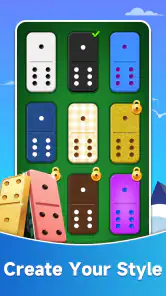

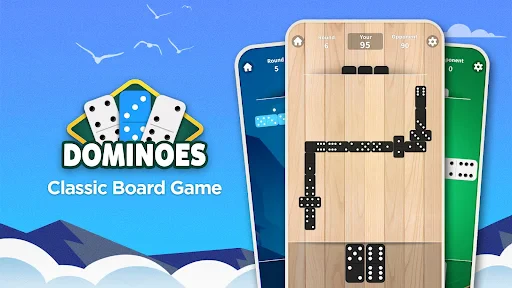


Analysis by Reviewed
When I want a quick game that rewards a little thought without demanding a long session, dominoes is an easy choice. Classic Dominoes: Dominos Game brings that familiar tile game to a phone, where I can settle in for a match without setting up a table or finding a partner first. It is a board game from Big Cake, and its appeal is straightforward: a recognizable pastime in a portable format. The game is free to install, rated for Everyone, and has an average score of 4.8 from around 4.9 thousand ratings, which suggests it has found an audience among casual players.
Getting Started with Classic Dominoes
First things first, downloading and installing Classic Dominoes: Dominos Game is a breeze, whether you’re on Android or iOS. The app’s interface is clean and user-friendly, making it easy for even the most tech-averse among us to navigate. Upon launching the app, you’re greeted with a crisp and uncluttered home screen that invites you to jump right into a game.
A familiar game for short breaks
The biggest practical advantage of a phone version is how easily it fits into spare moments. I’d choose it for a quiet ten-minute break, while waiting for a meal, or during a low-key evening when I want something more engaging than scrolling but less involved than a lengthy strategy game. Dominoes still asks me to notice which ends are open and think about what I may need later; the small screen does not remove that basic pleasure.
It is also a reasonable pick for someone returning to the game after years away. The digital format removes the setup and cleanup, so a player can focus on the tiles and rebuild confidence at their own pace. If you mainly want face-to-face conversation and the feel of physical pieces, though, an app cannot replace sitting across the table from another person.
Choosing the right moment and opponent
I find the game most useful when I have enough time to finish a round but not enough attention for something demanding. A short wait between errands is a better fit than opening it in the middle of a conversation, since even a relaxed turn benefits from looking at the board and weighing the next move. If I am interrupted, I would rather pause before playing a tile than rush a decision simply to clear the screen.
For a family member who knows dominoes but has never played on a phone, I would demonstrate one round and let them take the next. That makes it easier to see how selecting and placing a tile works without turning a casual visit into a rules lesson. For a child, I would stay nearby at first: the Everyone rating makes the game broadly accessible, but adults may still need to explain house rules or help a young player follow the board.
Game Modes Galore
One of the standout features of this app is the variety of game modes it offers. Whether you’re a solo player looking to challenge your skills against an AI opponent, or you prefer the thrill of competing against friends in multiplayer mode, Classic Dominoes has you covered. The multiplayer mode deserves a special mention. It’s remarkably smooth, and connecting with friends or other players is a seamless experience.
More From Our News Desk

Weather by Xiaomi Review: Clear at a Glance, Less Clear Up Close

X Under Pressure: Can It Recover When Posting Goes Wrong?

Clash of Clans Is Won Between the Battles

Android Auto Makes the Case for Quieter Car Software

MobiOffice: Transforming Mobile Productivity with Seamless Integration

EA SPORTS FC™ Mobile Soccer: Redefining Mobile Sports Gaming
For a useful way to approach a match, I try not to play only the tile that fits immediately. I also consider whether it leaves an end that gives me more options on my next turn. That habit matters most when my hand has several different values; using a convenient tile too early can leave me dependent on a narrow set of plays. It is a small strategic discipline, but it makes casual rounds feel less automatic.
Another worthwhile habit is to notice which values keep appearing on the open ends and which tiles I have already seen played. I do not need to track every move like a tournament player; simply remembering a few awkward values can help me avoid closing off my own next turn. This is particularly useful in solo games, where I can test a choice, see how the board changes, and learn without feeling that I am holding up a group.
Compared with paper scorekeeping and a physical set, the app is easier to start and more convenient when nobody else is nearby. Compared with a dedicated online competitive game, a classic dominoes app is better suited to relaxed play than to players seeking deep rankings, tournaments, or a large competitive scene. I would pick the format based on the company and mood I want, rather than expecting one version to replace every other way of playing.
That distinction matters if you are deciding whether to invite someone to play. A friend looking for a quick, familiar match may be perfectly happy with the phone version, while a group that enjoys table talk, agreed house rules, and keeping score together will get more from physical tiles. I see the app as a convenient way to play dominoes, not as a claim that digital play is better in every setting.
Graphics and Sound
Now, let’s talk about the aesthetics. The developers have done a solid job in recreating the classic look and feel of a traditional dominoes set. The tiles are beautifully rendered and the animations are fluid, adding a touch of modernity without losing the charm of the game. The sound effects are subtle and complement the gameplay perfectly, enhancing the overall experience without being intrusive.
That restrained presentation suits the game: dominoes is easier to enjoy when the board stays legible and visual flourishes do not compete with the choices in front of me. If I play in a shared room, I still prefer to keep sound low or off so the taps and tile effects do not draw attention. A quick glance at the board before making a move is useful on a small display, especially when I am playing one-handed or in a hurry.
On a phone, the board can be comfortable to inspect during an ordinary round, but a compact display is still less spacious than a table. I would hold the device in a steady position and check the open ends before tapping, rather than relying on a hurried glance while walking or juggling something else. This is a small practical trade-off: portability makes a match easy to start, but it does not make every setting a good one for careful play.
Learning Curve
For newcomers, the app includes a helpful tutorial that breaks down the rules and strategies of the game. It’s concise and clear, ensuring that even beginners can get into the swing of things without feeling overwhelmed. As someone who’s played a fair share of dominoes, I found the AI opponents to be challenging enough to keep me engaged, yet not so daunting that it became frustrating.
If you are new, I would use the tutorial as a starting point and then play a few relaxed rounds before worrying about strategy. The useful question is not only which tile fits, but which move keeps later choices open. Players who already know dominoes can skip the basics and use solo play to warm up; multiplayer makes more sense when the point is to share a match with other people.
One question a new player may have is whether the tutorial is enough to cover every version of dominoes they have encountered. I would treat it as an introduction to playing in the app, then check the rules shown in the game before assuming they match a family or regional variant. That quick check can prevent needless frustration when a familiar tile game is played with a different scoring habit or house rule.
One of the features I particularly appreciated was the ability to customize the difficulty level. It’s a small touch, but it goes a long way in making the game accessible to players of all skill levels.
That setting gives the game a practical role for mixed experience levels: a beginner can avoid being pushed too hard while learning, then raise the challenge as decisions become familiar. I would change difficulty deliberately between learning sessions and more focused practice, rather than treating one setting as the right choice for every mood. Someone who wants a persistent, highly competitive test may still prefer a specialist opponent or a local group, where the social pressure and play style differ.
For practice, I would use a lower challenge when I am learning the flow of turns and a tougher one when I want to test whether I am planning ahead. The trade-off is that an AI match can help me think through tile choices, but it cannot prepare me for every human habit or house rule. A player who wants to sharpen social reading as much as tile selection will need real opponents too.
What the current version tells me
The game was released on September 11, 2024, and its current version is 1.0.15. That establishes a concrete point in its product history, but a version number by itself does not tell me which features changed or how the experience has evolved. For existing players, the useful takeaway is that this is the version identified for the current offering; I would not assume a particular new mode or improvement without seeing it in the game.
It has passed one million installs, and there are 191 written reviews alongside its ratings. That gives a prospective player a sense of reach, not a guarantee that every match or device will feel the same. The game supports Android 6.0 and later. It is free to download, while optional in-app purchases range from $1.99 to $59.99 per item, so I would check purchase prompts carefully if I want a strictly no-spend experience.
For someone already playing, the practical question is whether the current version continues to suit the way they use the game, not whether a higher version number automatically means a better match. I would look at the app’s own update notes when considering a change, then judge the result by whether the board remains comfortable to use and the play options still meet my needs. That keeps expectations grounded: the release date and version identify its present place in the product’s history, while specific improvements need to be assessed when they are actually visible.
The free download lowers the barrier to trying it, but I would still treat optional purchases as a separate decision. If I am setting the game up for a child or sharing a device, I would check purchase controls before handing it over. If I only want an occasional dominoes match, I would start without spending and decide later whether anything offered is useful to me; the existence of purchases does not by itself make them necessary to enjoy the core pastime.
Where it may not fit
The main limitation is inherent to digital dominoes: an AI opponent cannot recreate the conversation, table presence, or small social rituals of a real match. Multiplayer can help when I want another person involved, but someone who expects a specific house rule or a highly structured competitive ladder should first make sure the available play suits them. Players seeking elaborate progression or action-heavy visuals may also find the classic board-game focus too restrained.
For an ordinary evening, I can imagine opening it while waiting for a friend who is running late, playing a short solo round, and then switching to multiplayer when they arrive. That is where the format makes sense: it can fill a gap without requiring a big commitment. If the goal is to teach children, I would sit with them at first and use the tutorial, rather than assume a digital explanation will cover every family’s preferred rules.
I would also skip it if what I really want is a game built around a long campaign, collectible rewards, or a constant stream of visual activity. The appeal here is the tile play itself, so anyone who needs a strong sense of progression may feel that rounds begin and end without enough surrounding structure. Likewise, if I have unreliable access to the kind of play I want at a particular moment, I would choose a format that clearly suits that situation rather than assume every mode will fit it.
A useful everyday routine is to decide before opening the game whether I want practice or company. Solo play suits a spare moment and lets me focus on decisions; multiplayer is the better choice when I am specifically hoping to share the match. That simple distinction helps avoid expecting an AI round to feel social or expecting a casual online match to behave like a carefully organized table game.
Final Thoughts
In conclusion, Classic Dominoes: Dominos Game is a delightful digital rendition of a timeless classic. It manages to capture the spirit of the original game while offering features that cater to both newbies and seasoned players. Whether you’re looking to relive old memories or create new ones, this app is a fantastic way to enjoy a game of dominoes anytime, anywhere. So, go ahead and give it a try; you might just find that it’s the perfect way to unwind after a long day.
I would recommend it to anyone who wants accessible dominoes for solo practice or casual matches, especially if adjusting the challenge and starting quickly matter more than recreating a full tabletop gathering. It is less compelling for players who need strict tournament structure or a substitute for in-person company. Big Cake has made a familiar game easy to pick up on a phone; I would keep an eye on future versions for clearly documented changes, while judging the current experience on the simple pleasure of a well-paced round.
My recommendation is strongest for someone who already likes dominoes, wants a low-commitment way to play, and is comfortable choosing between a solo match and multiplayer when each suits the moment. I would be more cautious if a buyer expects every familiar local rule, a deep competitive framework, or the warmth of a real table to come along with the digital convenience. For me, the best reason to keep it installed is modest but useful: it makes a thoughtful little board-game session easy to reach when the timing is right.
Classic Dominoes: Dominos Game Frequently Asked Questions
Is Classic Dominoes: Dominos Game suitable for children?
Classic Dominoes: Dominos Game is a board game with an Everyone age rating, so it is presented as suitable for a broad audience, including families. Its familiar tile-based gameplay can make it an approachable choice for children and adults alike. As with any game, parents may want to check the app’s purchase settings before letting children play.
What devices and operating systems can run Classic Dominoes: Dominos Game?
Classic Dominoes: Dominos Game is made for mobile devices and supports Android phones and tablets running version 6.0 or later. The game is developed by Big Cake, and its current version is 1.0.15. Check that your device meets the minimum operating-system requirement before downloading, so you can install and launch the game smoothly.
What platforms is Classic Dominoes: Dominos Game available on?
Classic Dominoes: Dominos Game is available for both Android and iOS platforms. Users can download the app from Google Play Store for Android devices or the Apple App Store for iOS devices. It is designed to be compatible with most smartphones and tablets, ensuring a smooth gaming experience across different devices.
Is an internet connection required to play Classic Dominoes?
While Classic Dominoes: Dominos Game offers both online and offline modes, an internet connection is only required for online multiplayer gameplay. If you prefer to play solo or with friends locally, you can enjoy the game offline without needing an internet connection, making it convenient for travel or areas with limited connectivity.
Are there any in-app purchases in Classic Dominoes?
Yes, Classic Dominoes: Dominos Game includes in-app purchases. While the game is free to download and play, players have the option to purchase various in-game items, such as additional themes, tokens, or premium features. These purchases are optional and designed to enhance the gaming experience.
Pros
- Engaging traditional domino gameplay.
- Multiple game modes for variety.
- User-friendly interface design.
- Offline play available without ads.
- Free to download and play.
Cons
- Limited customization options.
- Occasional in-game bugs.
- Ads in online mode.
- No multiplayer chat feature.
- Requires frequent updates.
- Category
- Board
- Version
- 1.0.15