Daily Bubble
- 4.63K
- 4.9
- Installs
- 10.00M
- Price
- Free
Screenshots
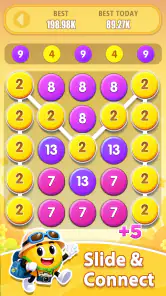
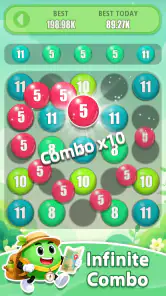
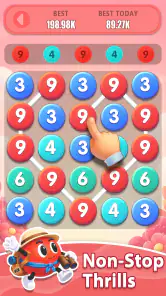
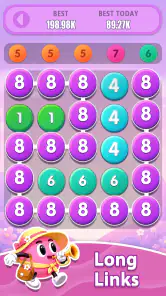

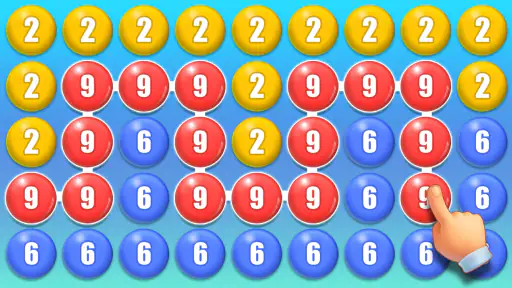
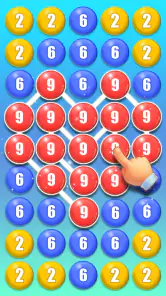
Analysis by Reviewed
I spent time with Daily Bubble as a quick, touch-friendly puzzle game, and its appeal became clear almost immediately: it is easy to understand, pleasant to pick up, and built around the simple satisfaction of combining bubbles. Big Cake keeps the presentation focused on that central idea rather than burying it under a complicated story or a long tutorial. For me, that makes it a natural choice when I want a short break instead of a game that demands a full evening.
This is a free puzzle game for Android, suitable for Everyone, with a minimum requirement of Android 6.0. It has reached over ten million installs and holds a 4.9 average from around sixty-eight thousand ratings, which matches my impression that its basic loop is immediately accessible to a wide audience. The game was released on September 28, 2022, and the current version is 1.0.72. Those details matter less than the way it feels in use, but they also show that this is an established casual title rather than an obscure experiment.
How Daily Bubble Turns Simple Moves Into a Routine
I find Daily Bubble easiest to judge as a shared-device game when I think about the small gaps in a household’s day: someone can pick it up for a few moves, then pass the phone along without needing to explain a story or a complicated setup. That convenience makes it a plausible common-room pastime, but it also makes device habits and spending boundaries worth considering before it becomes part of a family routine.
The first goals are clear, even when the board is busy
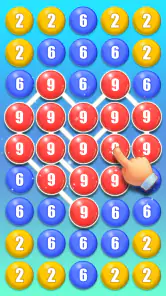
The opening experience works because I never had to spend time learning a complicated control scheme. The interaction is built for quick decisions: look at the bubble layout, identify a useful merge, and act before the board becomes harder to read. That clarity gives the early stages a gentle sense of purpose. I am not chasing a story objective or managing an inventory; I am trying to make the next good combination and keep the board under control.
That simplicity is also the first important trade-off. Players who enjoy discovering elaborate rules may find the initial goals too modest. Daily Bubble is not trying to overwhelm me with systems. Its early motivation comes from the immediate visual result of a successful merge and the desire to improve the next attempt. If you prefer puzzle games with characters, narrative rewards, or several distinct modes, this will feel deliberately narrow.
I found the game particularly comfortable in situations where attention is divided but I still want something interactive. A realistic example is waiting for a train: I can begin a session, make a few careful moves, and put the phone away without needing to remember a complex plot. It also fits a short break between tasks because the basic objective is understandable at a glance. That does not mean every session is effortless; it means the entry cost is low.
Progress is felt through board control rather than a large reward structure
The strongest progress signal is the board itself. A crowded or awkward arrangement tells me that I need to change my approach, while a clean chain of merges gives an immediate sense that I am playing well. I like this because the feedback is visible rather than hidden behind menus. The puzzle communicates success through the state of the play area, the timing of combinations, and the growing pressure to use space wisely.
More From Our News Desk

Weather by Xiaomi Review: Clear at a Glance, Less Clear Up Close

X Under Pressure: Can It Recover When Posting Goes Wrong?

Clash of Clans Is Won Between the Battles

Android Auto Makes the Case for Quieter Car Software

MobiOffice: Transforming Mobile Productivity with Seamless Integration

EA SPORTS FC™ Mobile Soccer: Redefining Mobile Sports Gaming
At the same time, the game’s progression can feel lighter than that of a traditional level-based puzzler. I did not come to Daily Bubble for a deep collection system or a long-term character build. Its motivation is closer to improving a personal rhythm: spot opportunities earlier, avoid wasting useful positions, and keep the board manageable for longer. That makes it easy to revisit, but it may not provide enough external milestones for someone who needs constant unlocks to stay interested.
One useful habit is to stop treating every available merge as automatically good. When the board offers several choices, I first consider which move leaves the most flexible space afterward. A quick combination can look rewarding while quietly blocking better options. Saving room for a future merge is often more valuable than taking the first visually obvious match. This is the kind of small decision that gives the game more depth than its relaxed appearance suggests.
I also recommend playing with a deliberate pause between moves, especially when the board begins to fill. The game is casual, but rushing can turn a manageable position into a poor one. I found that scanning the lower and outer areas first helped me notice combinations that were easy to miss when I focused only on the most colorful or prominent bubbles. That approach makes the experience feel less like random tapping and more like a compact planning exercise.
The difficulty curve depends on pressure, not complicated rules
Daily Bubble’s challenge comes from maintaining options as the arrangement develops. The rules remain approachable, but the consequences of a weak move become more noticeable when space is limited. This is a smart form of escalation for a casual puzzle: I do not need to learn a new control method every few minutes, yet my decisions matter more because the board gives me fewer comfortable choices.
The difficulty is therefore personal. A player who is happy to experiment may enjoy the relaxed nature of the game, while a player who carefully plans several moves ahead may start looking for more demanding puzzles. I would describe the challenge as accessible first and thoughtful second. It rewards attention, but it does not create the same intensity as a timed logic game or a puzzle built around strict, multi-step solutions.
That pacing makes it suitable for younger players and casual family use, helped by the Everyone age rating. I would still guide a child toward thinking about available space rather than tapping quickly, because the most useful lesson here is patience. Adults who want a quiet mental reset can appreciate the same quality. The game asks for enough concentration to interrupt a distracted mood without requiring the sustained focus of a competitive strategy title.
There is an important exception. If you dislike repeating a familiar action loop, the steady nature of the challenge may become predictable. Daily Bubble does not seem designed to reinvent itself constantly. Its pleasure is in refining the same kind of decision, not in presenting a new gameplay concept each time. I would choose a more varied puzzle collection if I wanted word challenges, physics problems, and logic grids in one app.
What keeps me returning, and where retention can feel forced
The daily appeal is straightforward: the game is available whenever I want a few minutes of bubble merging, and the low-friction format makes returning easy. I do not need to rebuild a complicated plan before playing. That convenience is a genuine strength. A game can have excellent ideas and still fail as a break-time companion if it takes too long to get started; this one avoids that problem.
However, the same convenience can create a sense of repetition. Because the core activity is so focused, long sessions may expose the limits of the format. I enjoyed it more when I treated it as a series of short visits rather than trying to force an extended play session. That is my main pacing recommendation: use it as a compact reset, not as a replacement for a large puzzle adventure.
The free entry point also deserves a practical look. The game can be installed without paying, while optional in-app purchases range from $1.99 to $59.99 per item. I would not spend anything immediately. First, I would see whether the basic loop fits my habits and whether the available play feels comfortable without purchases. Anyone who dislikes seeing optional spending in a free game should check the purchase controls on the device before handing it to a child.
I did not find the existence of optional purchases enough to define the whole experience, but it does affect how I judge the game’s long-term comfort. A relaxing puzzle should not make me feel that every session needs to become a transaction. My advice is to approach the paid elements as extras rather than part of the reason to install it. If your priority is a completely distraction-free puzzle environment, a paid alternative may suit you better even if it offers fewer casual touches.
Small decisions make the difference between a calm run and a messy board
The best way to improve is to manage future space. I try to avoid building a tall, awkward cluster in one area when another move can keep the layout more balanced. This is not about following a rigid formula; it is about preserving choices. A move that creates one impressive merge but leaves no useful follow-up can be weaker than a quieter move that keeps several paths open.
Another practical tip is to identify the least flexible bubble group before acting. If one section is already difficult to use, I give it priority instead of repeatedly improving the easiest area. That prevents the board from looking productive while a problem quietly grows elsewhere. It also gives each move a reason, which helps the game stay engaging after the novelty of the first combinations wears off.
For a short session, I would set a simple personal target such as maintaining a clean arrangement through several decisions rather than chasing an undefined high score. The game becomes more satisfying when I measure quality of play by how many options I preserve. This approach is especially useful for people who find endless casual games empty: the goal comes from the way you play, not only from the next visual effect.
Players using an older phone should also keep expectations realistic. Android 6.0 compatibility makes the game broadly approachable, but an older device may not provide the same smooth feel as a newer one. I would install it and test touch response during a normal session before deciding whether it is comfortable. Since the game depends on precise, quick interaction with a compact board, even minor input frustration can matter more here than in a turn-based puzzle.
Who should choose it over a more elaborate puzzle game?
I would recommend Daily Bubble to someone who wants a free, uncomplicated puzzle for short breaks, especially if visual merging and gradual board management sound more appealing than words or numbers. It is also a reasonable option for a family device because the controls are approachable and the age rating is Everyone. The game’s strongest audience is not necessarily expert puzzle fans; it is people who want a small, repeatable activity that can start and stop easily.
I would be more cautious about recommending it to players who need a campaign with a strong narrative, carefully authored stages, or a clear sequence of major unlocks. The game’s motivation is internal and immediate: make better choices, keep the board useful, and enjoy the next merge. That can be refreshing, but it will not satisfy someone looking for a sense of adventure or a constantly expanding set of mechanics.
Compared with match-three games, its appeal is less about clearing a fixed arrangement through colorful combinations and more about handling the consequences of the pieces already present. Compared with number-merging puzzles, it offers a softer visual identity and a more casual mood, but the same general satisfaction of planning around limited space. Compared with idle games, it asks me to make active decisions rather than simply wait for progress. Those distinctions help explain why it works for a particular kind of player.
I would choose a traditional logic game instead when I want a definite solution and a clean finish to each challenge. I would choose a competitive puzzle title when I want rankings or pressure from other players. Daily Bubble is better when I want to settle into a familiar loop without committing to either. Its lack of dramatic variety is a weakness in one context and a benefit in another.
My verdict on goals, pacing, and long-term value
After playing it, I see Daily Bubble as a focused casual puzzle whose progression is carried by improving decisions rather than collecting a long list of rewards. The early goals are easy to grasp, the board provides useful feedback, and the challenge grows through reduced flexibility instead of sudden rule changes. That creates a pleasant learning curve, provided I accept that the game is intentionally modest in scope.
The retention design works best when I keep sessions short and give myself a small strategic purpose. Returning every day can feel natural because the game is convenient, but the loop may become repetitive if I demand hours of fresh content from it. I also keep the optional purchase range in mind and prefer to evaluate the free experience before considering any spending.
Big Cake has made a puzzle that is easy to recommend for a quick mental break, but I would not present it as a complete substitute for deeper puzzle games. Its value is in the balance between calm presentation and small, meaningful choices. When I preserve space, examine the awkward part of the board, and resist automatic merges, the simple format gives me more to think about than the first few minutes suggest.
With over four thousand reviews and a strong average rating, it is clear that the straightforward approach has connected with many players. My own recommendation is similarly specific: try it if you want a free bubble-merging game that fits into spare moments and rewards light planning. Skip it if repetition, optional purchases, or a lack of a richer progression structure would bother you. For the right player, the real strength is its dependable rhythm: one board, one decision, and one more chance to leave yourself room for the next move.
Daily Bubble Frequently Asked Questions
What devices can run Daily Bubble?
Daily Bubble is available for Android, and its minimum operating-system requirement is Android 6.0. Before downloading, check your device’s software version and make sure you have enough storage for the game. If you are considering another platform, check its app store for compatibility details before installing, since device requirements can affect whether the game runs properly.
Does Daily Bubble include optional purchases, and can I avoid spending money?
Daily Bubble is free to download, and you can begin playing without paying for the app. It also offers optional in-app purchases, priced from $1.99 to $59.99 per item. If you prefer not to spend, review your device’s purchase settings before playing, especially if children use the device. Purchases are optional rather than a requirement to download the game.
Is Daily Bubble an appropriate choice if I enjoy casual puzzle games?
Daily Bubble is a puzzle game centered on matching bubbles, making it a natural fit for players who like colorful, straightforward challenges. Its basic play is easy to pick up, while changing objectives and board situations can encourage more careful aiming. It is intended as a relaxing game to enjoy in short sessions, rather than a complicated game that demands extensive experience.
Does Daily Bubble require a lot of time or experience to enjoy?
Daily Bubble is designed for quick, approachable puzzle sessions, so you can start playing without learning complicated controls or rules. Matching bubbles is easy to understand, while changing board layouts and level objectives can make later stages more demanding. It can suit both newcomers and experienced puzzle fans looking for a relaxed game to pick up whenever they have a little free time.
Who developed Daily Bubble, and what kind of game is it?
Daily Bubble is a puzzle game developed by Big Cake. Its focus is bubble-shooter gameplay: aim, match colors, and clear bubbles while working toward each level’s objective. That familiar format makes it easy to begin, while the changing challenges give players reasons to think about their shots. It is a casual option for people who enjoy simple, colorful matching puzzles.
Pros
- Simple daily gameplay that is easy to learn and enjoy.
- Short sessions fit well into quick breaks or commutes.
- Bright visuals make the bubble-based interface pleasant to use.
- Progressive challenges help keep the experience engaging over time.
- Suitable for casual players of different ages and skill levels.
Cons
- Some levels may feel repetitive after extended play sessions.
- Difficulty can increase unevenly between certain stages.
- The game may offer limited depth for experienced puzzle players.
- Ads may interrupt gameplay
- depending on the app version.
- Offline features and content may be limited in some situations.
- Category
- Puzzle
- Version
- 1.0.72