Mahjong Blast
- 19.66K
- 4.8
- Installs
- 50.00M
- Price
- Free
Screenshots
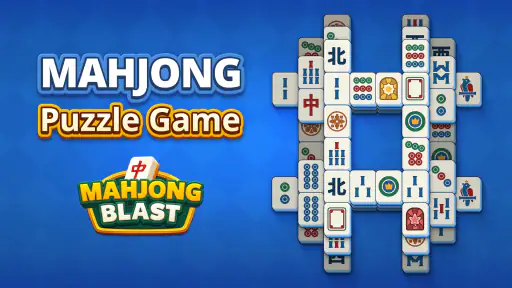
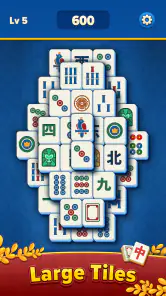
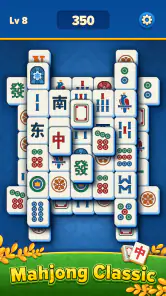
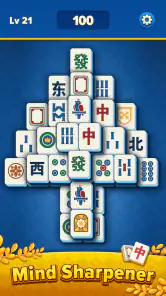
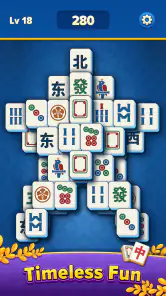
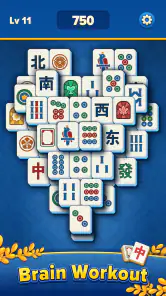
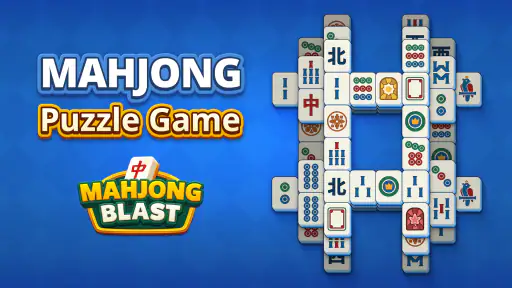
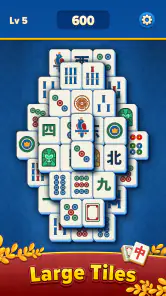
Analysis by Reviewed
The first thing I like about Mahjong Blast is how little commitment a round of tile matching seems to ask from me. It is a board game built around mahjong solitaire puzzles, so the appeal is less about racing other people and more about finding a calm moment to scan a layout and make a thoughtful match. That makes it easy to try during a short break, though whether it deserves a lasting place on your phone depends on how much you enjoy this particular kind of puzzle.
From an easy first session to a lasting habit
I approach this kind of tile puzzle as a brief, deliberate pause rather than a game that needs to fill every spare moment. In the sections ahead, I look at what makes the first sessions welcoming and how a simple habit of choosing moves can make the boards more engaging. I also consider when that familiar rhythm remains worthwhile—and when I would rather reach for a different kind of game.
Why the opening sessions work
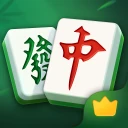
Mahjong solitaire has a clear rhythm: look across the board, identify available matching tiles, and consider which pair to remove. The basic idea is approachable even if you are new to the genre, and the board gives your attention a simple task without demanding the quick reactions of an action game. I find that especially useful when I want something more engaging than scrolling, but not so involved that I need to set aside a long stretch of time.
The early appeal is also its main promise and its main limitation. Matching tiles can feel pleasantly absorbing, but the satisfaction comes from the puzzle itself, not from a complicated story or a broad collection of activities. If you enjoy noticing patterns and weighing a move before committing, that restraint is a strength. If you need frequent changes in pace or a strong sense of progression to stay interested, the familiar board-and-match loop may lose its shine quickly.
A practical way to approach each layout is to avoid choosing the first obvious pair automatically. I scan for tiles that seem to open up other choices, then make the move that gives me more useful options afterward. This small habit makes the puzzle feel less like clearing whatever is easiest to spot and more like planning a few steps ahead. It is a useful distinction for anyone who wants the game to hold their attention beyond the first few sessions.
Making the game fit real life
I get the most from a puzzle like this when I decide how much attention I can give it before I start. On a short break, I focus on the next useful match rather than trying to solve the whole layout in my head. When I have more time, I can slow down and compare several possible moves. That simple adjustment makes the same board feel more manageable in one setting and more thoughtful in another.
A realistic use is a quiet wait before an appointment: I can open the game, spend a little time studying the available pairs, and put the phone away when it is time to go. This is a better fit than a game that expects me to follow a long sequence or keep track of a multiplayer turn. I would still avoid starting when I know I will be interrupted every few seconds, because the puzzle’s enjoyment comes from giving the layout a little attention, not from tapping without looking.
More From Our News Desk

Weather by Xiaomi Review: Clear at a Glance, Less Clear Up Close

X Under Pressure: Can It Recover When Posting Goes Wrong?

Clash of Clans Is Won Between the Battles

Android Auto Makes the Case for Quieter Car Software

MobiOffice: Transforming Mobile Productivity with Seamless Integration

EA SPORTS FC™ Mobile Soccer: Redefining Mobile Sports Gaming
It also suits people who want a screen activity with a modest mental task but no pressure to compete. I would not treat it as a replacement for a full tabletop evening or a deep strategy session. Instead, it can fill the small gaps between those activities. For someone who likes the visual logic of mahjong solitaire, that modest role can be a genuine reason to keep it installed rather than a sign that the game needs to become a major hobby.
What keeps it useful over time
For me, the strongest recurring value is how naturally the game fits into spare moments. A short session can occupy a wait, a quiet pause at home, or the wind-down before bed. It does not require me to coordinate with friends or remember a complex sequence of controls. As a casual board puzzle, it is best suited to people who want a small, self-contained challenge they can pick up when the mood strikes.
That convenience is not the same as endless variety. The core pleasure remains the same kind of visual search and decision-making, so the game’s staying power depends on whether you find that process calming or repetitive. I would treat it as a dependable option for occasional play rather than assume it will become a daily ritual. If I go a few days without opening it, the straightforward rules make it easy to return; if I play for long stretches, the repeated pattern becomes more noticeable.
One useful way to keep sessions from blurring together is to set a simple personal goal before starting: play one puzzle while taking a break, or focus on making choices that preserve future options instead of clearing the board as quickly as possible. That changes how I pay attention without requiring extra systems or special modes. It also helps me recognize when I am playing because I enjoy the puzzle and when I am simply continuing out of habit.
Compared with other familiar choices in the board-game category, this is closer to a solo logic pastime than a digital version of a social table. A competitive board game gives me another person’s decisions to respond to; a larger puzzle collection can switch mechanics when I tire of one idea. This one makes more sense when I specifically want to examine a tile layout at my own pace. If that is the part I enjoy, its narrow focus is efficient. If I want changing rules or interaction, the alternatives have an advantage.
Low upkeep, with a few things to consider
There is little to learn before getting started, which keeps the mental overhead low. I do not need to study a rulebook or build a routine around the game. The latest listed version is 3.0.2, and Nebula Studio is the developer. It is free to download, with optional in-app purchases listed from $1.49 to $12.99 per item. I would keep that distinction in mind: the basic price makes trying it easy, while anyone who prefers not to spend inside games can simply decide in advance whether optional purchases fit their own limits.
The game is rated for Everyone, so its general puzzle premise is suitable for a broad audience. It has a 4.8 average from around 2.5 million ratings, and it has been installed over 50 million times. Those figures point to a large audience, but they do not tell me whether its repeated tile-matching will suit a particular player. I would use them as context, not as a substitute for asking whether this is the kind of quiet, methodical play I actually want.
For maintenance, my main advice is to treat it as a small leisure option rather than another obligation. Because the rules are easy to pick up, it works well when I have a few spare minutes, but it does not need a scheduled daily slot to make sense. If I notice that I am opening it automatically without enjoying the decisions, taking a break is likely more useful than trying to force a streak of play. The format is forgiving in that respect: returning later does not require relearning a complicated system.
For anyone wondering whether it demands regular attention, I would say the simple rules make occasional play practical. There is no need to remember a long campaign or coordinate with other players before returning. That is a meaningful convenience, but it should not be confused with a promise that every session will feel fresh. I would install it for easy access to this specific puzzle style, not because I expect it to supply a changing schedule of reasons to come back.
Where the repetition can set in
The same consistency that makes the game approachable can also make it feel familiar sooner than some players would like. Its central activity is tile matching, and anyone hoping for a narrative campaign, a competitive table, or a sharply different challenge from session to session should look elsewhere. I would choose a strategy-heavy board game when I want deeper planning against an opponent, and a broader puzzle collection when I want several mechanics rather than one recognizable loop.
Another source of fatigue is playing beyond the point when the puzzle is still holding my attention. Because the activity is easy to understand, it is tempting to keep going even after each board starts to feel much the same. I get more from shorter, intentional visits: look carefully, make a few considered decisions, and stop when the process becomes automatic. That is not a flaw unique to this game, but it matters here because the appeal is so closely tied to the repeated act of scanning and matching.
It is also worth being honest about what a calm puzzle can and cannot provide. If I want a relaxing diversion, the low-pressure format is a good fit. If I want social competition, a sense of discovery, or a strong reward structure that keeps changing the stakes, tile solitaire is unlikely to satisfy that need on its own. Choosing the game for the right mood is a better route to enjoying it than expecting one puzzle app to cover every kind of downtime.
There is a trade-off in the very simplicity that makes it approachable: once I understand the basic decision, the challenge depends on how much I enjoy examining the board, not on learning new systems. I would not recommend it as the sole game on a device for someone who regularly gets bored with repeated mechanics. Keeping another, more varied option nearby can make it easier to enjoy this one for its intended purpose, instead of asking it to provide novelty it is not built around.
Who should keep it installed
I would recommend giving it a try if you like visual puzzles, enjoy making deliberate choices, or want an uncomplicated game for brief breaks. It is particularly suitable for someone who already likes mahjong solitaire and wants a readily available way to revisit that format. Newcomers can also understand the basic appeal without a steep learning curve, while experienced puzzle players may appreciate the familiar mental exercise as a change of pace from more demanding games.
I would skip it if repeated layouts and matching are not satisfying to you, or if your ideal board game depends on taking turns with another person. It is also a weaker choice for anyone who wants a broad mix of puzzle types in one app. Those players may be better served by a multiplayer board game or a varied puzzle collection, depending on whether they value interaction or changing mechanics more.
For a household deciding whether it is suitable for different ages, the Everyone rating and uncomplicated puzzle premise make it an approachable option to consider. I would still think about the style of play each person actually enjoys: some may like calmly spotting pairs, while others may prefer a shared game or a more varied challenge. The rating is useful context, but personal taste remains the better guide to whether the app will get used.
The game is free, and the optional purchases are priced from $1.49 to $12.99 per item. My practical suggestion is to start with the free experience and decide whether the core puzzle is enjoyable before considering spending. That keeps the decision tied to what matters most here: whether you want more time with this particular style of tile matching, not whether a purchase might somehow make a repetitive loop feel new.
My long-term verdict
Mahjong Blast earns space on my device when I want a calm, low-effort puzzle that is easy to return to after a break. It is strongest as a small part of a varied collection of games, not as something I would expect to occupy me for hours every day. The first sessions are inviting because the objective is clear; its value over time comes from whether I continue to enjoy scanning the board and thinking through a move.
Released on June 23, 2025, and requiring Android 7.1 or later, it is an accessible option for people whose devices meet that requirement and who want a simple mahjong solitaire experience. My lasting recommendation is measured: try it if the familiar matching format sounds relaxing, keep it if those short sessions remain enjoyable, and move on without guilt if the repetition starts to outweigh the pleasure. For the right player, it is an easygoing puzzle to revisit; for someone seeking variety, competition, or deeper strategic layers, another board game will be a better fit.
Mahjong Blast Frequently Asked Questions
What is Mahjong Blast?
Mahjong Blast is a casual puzzle game built around matching identical mahjong tiles to clear a board. It is generally designed for short play sessions, with levels that introduce different tile layouts and objectives. Before downloading, check the store listing to confirm which version you are getting, since features, level counts, and presentation can vary between apps with similar names.
How do you play Mahjong Blast?
In a typical level, you tap two matching tiles that are available to select, removing them from the layout and revealing tiles underneath or beside them. You continue matching until the board is cleared or the level’s goal is met. Pay attention to which tiles are blocked and plan ahead: choosing a pair too early can leave fewer useful matches later. Exact rules and helpers depend on the version.
Is Mahjong Blast free to download and play?
The game may be available to download without an upfront purchase, but that does not necessarily mean every feature is free. Some versions include advertisements, optional in-app purchases, or paid items such as hints, boosters, and extra attempts. Review the current Google Play or Apple App Store listing for pricing and purchase details, and use device-level purchase controls if children may play.
Can I play Mahjong Blast offline?
Offline availability depends on the specific Mahjong Blast release. Core tile-matching levels may work without an internet connection in some versions, while daily rewards, advertisements, cloud saves, events, or other online features may require connectivity. If offline play matters to you, check the app’s store description and test it after installation with your device disconnected. Do not assume progress will sync until you reconnect.
Is Mahjong Blast suitable for children, and what permissions should I check?
The tile-matching gameplay is generally straightforward and does not require advanced gaming experience, but suitability also depends on the version’s ads, purchases, and privacy practices. Check the age rating, developer information, privacy policy, and requested permissions on the store page before installing. If a child will use the app, consider enabling parental controls and restricting purchases, since optional spending or third-party advertising may be present.
Pros
- Quick rounds make it easy to play during short breaks.
- The familiar tile-matching rules are simple to pick up.
- Clearing tiles offers satisfying visual feedback.
- A broad range of levels provides plenty of puzzles to try.
- The game works well as a casual
- low-pressure pastime.
Cons
- Some puzzles may feel repetitive after extended play.
- Later levels can be challenging without careful planning.
- Frequent prompts or ads may interrupt the flow
- depending on the version.
- Small tiles can be harder to distinguish on compact screens.
- Progression may depend on lives
- boosters
- or other limited resources.
- Category
- Board
- Version
- 3.0.2