Amazon Flex
- 4.65K
- 4.5
- Installs
- 5.00M
- Price
- Free

Screenshots


Analysis by Reviewed
I see Amazon Flex as a work app that can fit into a household’s routine, but it works best when the person delivering is also the person managing the account and making the work decisions. It is built around delivery shifts, not shared family planning, so the useful question is less “Can everyone use it?” and more “Can one driver use it without disrupting everyone else’s day?”
One driver, one account, one clear plan
Before signing up, I’d agree at home on when the car and phone will be available. A delivery block can overlap with school runs, errands, or another person’s commute, and that can turn an apparently convenient shift into a household scheduling problem. I would treat the driver’s account as personal rather than passing the phone around; another household member can help with general planning, but the person who accepts and completes work should remain in control of the app and its account.
That boundary is practical as well as considerate. Keep the phone charged, make sure navigation is easy to follow from a secure mount, and avoid relying on a shared device if someone else may need it during a route. If the household has only one vehicle, check the day’s commitments before choosing a block. These small checks are more useful than assuming that flexible work automatically means a shift can be interrupted or handed off.
Where it fits—and where it does not
The app is aimed at people who want delivery work arranged around other commitments and who are comfortable driving independently. It may suit someone with a free stretch of time and a vehicle already available. It is a weaker fit if you need predictable hours every week, do not want to absorb fuel and maintenance costs, or depend on another person to cover your responsibilities at short notice. I would compare it with other delivery platforms by looking at the actual schedule and expenses, not just the advertised pay for a shift.
For a realistic example, imagine a driver with a free Saturday morning while the rest of the household is home. Before accepting work, they can confirm the car is not needed later, set aside time for the route, and tell everyone when they expect to be unavailable. That is a simple way to make a flexible shift genuinely workable. If plans are likely to change or the vehicle is shared tightly, a different source of extra income that does not depend on driving may be the calmer option.
Getting Started with Amazon Flex
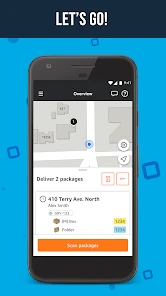
First things first, downloading the Amazon Flex app is a breeze. Available on both Android and iOS, it’s as simple as pie to set up. After a quick sign-up process, you’re all set to start delivering packages. The app itself is quite intuitive, guiding you through each step, from picking up packages at the warehouse to delivering them to the customer’s doorstep.
The Delivery Experience
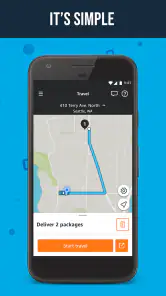
So, here’s the deal: you get to choose your own hours. That’s right, you decide when you want to work. Need to make a quick buck between classes or on weekends? No problem. The flexibility is pretty awesome. Plus, the app provides a detailed map and navigation system, ensuring you won’t get lost in the middle of nowhere. I found the real-time tracking feature particularly helpful to keep tabs on my deliveries.
More From Our News Desk

Weather by Xiaomi Review: Clear at a Glance, Less Clear Up Close

X Under Pressure: Can It Recover When Posting Goes Wrong?

Clash of Clans Is Won Between the Battles

Android Auto Makes the Case for Quieter Car Software

MobiOffice: Transforming Mobile Productivity with Seamless Integration

EA SPORTS FC™ Mobile Soccer: Redefining Mobile Sports Gaming
For a smoother start, I’d use the route view as a planning aid rather than assuming every stop will take the same amount of time. Parking, access instructions, and finding the right entrance can affect how a route feels, even when navigation is clear. Before leaving the pickup point, take a moment to get organized so you are not searching through packages at each stop. That little bit of preparation can reduce stress without rushing the actual handoff.
Earnings and Payments
Now, on to the juicy bit – the money. The pay structure is transparent, and you know exactly how much you'll earn for each block of work before you even start. It's like having your cake and eating it too. Payments are processed twice a week, so you’re never left hanging for too long. While the earnings can vary based on location and demand, it's generally competitive with other delivery services.
I would still judge a block by its likely net value, not the headline amount. Fuel, vehicle wear, and the time spent getting to a pickup point all matter. A useful habit is to note your own costs after a few shifts and compare them with the time the work actually takes; that personal record is more meaningful than assuming every block will suit every driver. If you are comparing it with hourly work, remember that a block-based offer and a guaranteed recurring schedule are different kinds of commitments.
What You’ll Need
Before you hit the road, make sure you have the essentials: a reliable vehicle, a smartphone, and a valid driver's license. The app runs smoothly on both Android and iOS devices, although having a good phone mount is a lifesaver for navigation. Trust me, you don't want to be fumbling with your phone while trying to find an address.
Amazon Flex is a business app from Amazon Mobile LLC. It is free to download, rated for Everyone, and has an average rating of 4.5 from around 76,000 ratings, with about 4,700 written reviews and over 5 million installs. The release date is June 4, 2024; its current version is 3.129.6.23.0, and it requires Android 11 or later. Those details make it easy to identify the app, but they do not change the main practical test: whether delivery work and your phone fit your own routine.
For a shared household, I would also keep age and trust in perspective. The Everyone rating describes the app’s content classification; it does not make delivery work a family activity or mean a young person should handle the driver’s account. The adult doing the work should make the choices and remain responsible for the route, the vehicle, and customer handoffs. Other household members can coordinate around availability without using the driver’s login or being expected to take part in deliveries.
One trade-off compared with ordinary shopping or navigation apps is that this is not a general-purpose tool for planning family errands. Its value is tied to delivery work, so it is a poor download if you simply want to track a household vehicle or organize shared tasks. Likewise, someone who dislikes driving in unfamiliar areas may prefer a job with a fixed workplace, even if that means giving up some control over when to work.
One thing to keep in mind is the wear and tear on your vehicle. If you’re planning to deliver a lot, factor in the cost of gas and maintenance. It's something that can sneak up on you if you're not careful.
Planning Around a Shared Vehicle
A useful household routine is to treat a block as a firm appointment rather than a loose window that can be moved around. Before choosing one, I’d check who needs the car before and after the delivery period, where the keys will be, and whether the phone will be free for the whole route. This prevents a common mismatch: the driver may be available, but the vehicle or device is not.
If another person shares the driving, agree on a simple handover plan that does not involve handing over the delivery account. For example, one person can take the car for a work block, while the other plans errands for a different time or uses another transport option. That arrangement is less convenient than sharing everything, but it keeps responsibility clear and avoids confusion about who is completing the deliveries.
Making a Route Easier to Manage
One small habit I’d recommend is checking your own energy and timing before accepting a block, not just whether the calendar looks open. A free stretch on paper may follow a long day or include an appointment immediately afterward. Leaving a buffer for returning home, dealing with traffic, or sorting out an unexpected delay makes the shift easier to fit into real life. I would avoid promising someone a precise return time if the route could run unpredictably.
During a route, package organization can also make a difference. If you can keep the items arranged in a way that makes the next delivery easy to locate, you spend less time searching at the curb. That is especially useful when stops are close together or the car is carrying several packages. It is not a shortcut around safe parking or careful handoffs; it simply reduces avoidable rummaging and helps keep attention on the task.
Who Should Choose a Different Kind of Work
Although flexible delivery can be appealing, I would not recommend making it the default choice for someone who needs stable weekly income, cannot comfortably use a vehicle for work, or finds road-based work stressful. A regular part-time job may offer a clearer routine, while another gig platform may suit a driver better if its available work and operating costs fit their area. The sensible comparison is personal: estimate the full time and expense involved, then ask whether the remaining return is worth the uncertainty and responsibility.
It is also worth separating “I can drive” from “I want to spend work hours driving.” Routes involve attention, patience, and repeated transitions between navigation, parking, and delivery. If those tasks leave you worn out, the freedom to choose a shift may not make the work enjoyable. I’d try a limited commitment before reshaping a household schedule around delivery, and I would not count on the app as a substitute for a dependable main job.
Final Thoughts
In a nutshell, Amazon Flex is a solid option for those looking to earn extra cash on their own schedule. The flexibility it offers is a major selling point, and the app’s user-friendly interface makes the whole process pretty straightforward. Just remember, as with any gig job, balancing the costs of vehicle upkeep and time management is key.
So, if you’re ready to take the wheel and start delivering smiles (and packages), give Amazon Flex a shot. It’s a flexible, easy-to-use platform that might just be the side hustle you’ve been searching for.
Amazon Flex Frequently Asked Questions
Can I use Amazon Flex if I have never worked as a delivery driver before?
Amazon Flex is intended for people who want to deliver Amazon packages, and the app guides drivers through the delivery process. Previous delivery experience is not listed among the requirements in the information available here, but drivers do need to meet the program’s eligibility conditions, including age, licensing, vehicle, insurance, and background-check requirements. Consider whether you are comfortable driving and following delivery instructions before signing up.
Does Amazon Flex let me choose when I work?
Amazon Flex is designed to offer flexibility: drivers can select available delivery blocks and choose their own schedules. That does not necessarily mean every preferred time will be available, since blocks can be competitive and availability varies by location. If you need consistent hours, consider that uncertainty before relying on delivery work as your main source of income.
Is the Amazon Flex app free to download, and what devices can run it?
Amazon Flex is free to download, and it is a Business app designed for people interested in delivering with Amazon. The app’s current version is 3.129.6.23.0, and it requires Android 11 or later. Before installing, check that your phone meets this requirement and has enough battery and storage for regular use while you are out making deliveries.
Who develops Amazon Flex, and what is the app’s age rating?
Amazon Mobile LLC develops Amazon Flex, the app that lets you deliver with Amazon. Its content rating is Everyone, so the rating itself does not restrict it to adults. However, the delivery program has separate driver eligibility requirements, including an age requirement, a valid license, and other qualifications. Review those requirements before downloading if your main goal is to sign up as a driver.
What is Amazon Flex and how does it work?
Amazon Flex is a delivery program that allows individuals to earn money by delivering Amazon packages. Drivers use their own vehicles to make the deliveries. The process involves signing up through the Amazon Flex app, selecting available delivery blocks, and then picking up packages from Amazon locations to deliver them to customers' doors. It's a flexible way to earn, as drivers can choose their own schedules.
Pros
- Flexible work hours for better work-life balance.
- Potential to earn more with tips and bonuses.
- Easy-to-use app interface for navigation.
- Choose delivery blocks that fit your schedule.
- Opportunity to work independently.
Cons
- No guaranteed minimum wage for shifts.
- Wear and tear on personal vehicle.
- Limited availability of delivery blocks.
- No health benefits or insurance coverage.
- Inconsistent earnings each week.
- Category
- Business
- Version
- 3.129.6.23.0