Sprunki Funky Beat
- 118.00
- 4.7
- Installs
- 5.00M
- Price
- Free
Screenshots
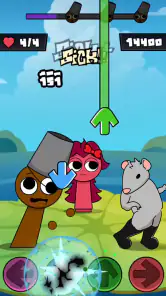
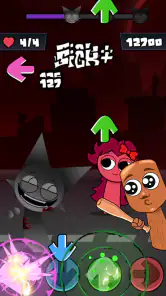

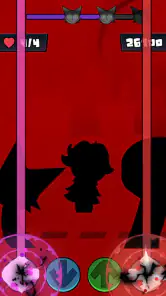

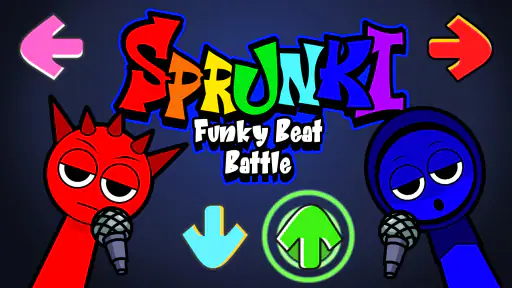
Analysis by Reviewed
I judge a music game partly by what happens before the first note: can I understand what it wants me to do, and can I enjoy it without needing a long setup? Sprunki Funky Beat is built around musical battles with Sprunki characters, giving it an immediately playful premise. My overall impression is of a casual rhythm game best approached in short bursts, especially if you like tapping along to music and don’t mind learning by trying. Its cheerful framing is inviting, but the experience will suit some players much better than others, particularly when timing, screen attention, or sound sensitivity matter.
How the game communicates its rhythm
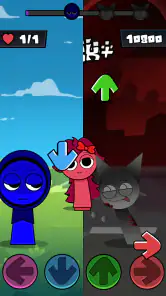
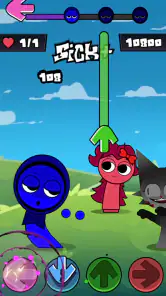
The basic idea is easy to grasp: follow the beat and take part in a music-themed challenge. That makes the game approachable for someone who has not played many rhythm titles. You do not need to arrive knowing music theory or the conventions of a complicated simulation. The Sprunki theme also gives the action a light, character-led feel rather than presenting it as a serious test of musical skill.
In practice, I would treat the first session as an opportunity to learn how the game signals its timing and what it expects from a tap. In rhythm games, a prompt can seem obvious once you understand its visual language, yet confusing when several cues arrive quickly. Taking a moment to watch before tapping is a useful way to separate the beat from decoration. If a stage feels harder than expected, repeating it with attention on one cue at a time is more productive than simply tapping faster.
The navigation question is important for players who prefer predictable interfaces. A music game should make it clear when I am choosing something, when play has begun, and what action is expected next. Sprunki Funky Beat’s simple premise gives it a relatively low learning barrier, but a straightforward concept does not automatically make every screen effortless. I would advise new players to explore at an unhurried pace rather than assuming every animated element is an instruction.
One practical habit is to play the opening moments with the sound on and the screen unobstructed, then decide whether the rhythm cues make sense to you. This helps identify whether you are responding to the beat, a visual prompt, or both. It also avoids a common frustration: mistaking a lively screen for a clear one. If you share a device, showing a younger player how to begin and how to pause can make the first try calmer.
Who is likely to enjoy the format?
I can see this working well for people who want an accessible music-game premise without committing to a long, narrative-heavy experience. A short break between other tasks is a natural use case: play a round, see how well you follow the rhythm, then put the phone away. It can also be a fun option for friends or family who enjoy taking turns, provided everyone is comfortable with the pace and the screen’s visual activity.
It is less suited to someone looking for a detailed instrument simulator, a deep music-production tool, or a rhythm game whose main appeal is building a large library of familiar tracks. The central attraction here is the Sprunki-flavoured battle concept. If your priority is precise practice, extensive customization, or a quieter presentation, a different kind of music app may be a better match.
Sound, timing, and different ways to play
Rhythm games ask for a combination of listening, looking, and moving at the right moment. That combination can be satisfying, but it also creates barriers. A player with limited hearing may find audio-led timing difficult; someone with limited dexterity may have trouble keeping up with repeated taps; and bright motion or busy sound can be tiring for people who are sensory-sensitive. I would not assume that the game offers specific accessibility controls unless I can see them in the version I am using.
A useful adjustment is to choose a comfortable setting and keep the first attempts short. If the sound feels overwhelming, lower the device volume before starting; if the screen is distracting, focus on the area where the game gives its timing cues rather than watching every animation. These are practical ways to test comfort, not substitutes for dedicated options such as remapping, adjustable speed, or visual alternatives to audio cues. Players who need those controls should check the current in-game settings before investing time or money.
For motor comfort, posture and grip can make a surprisingly large difference. I would hold the phone in a way that keeps the tapping hand relaxed, avoid playing while walking, and stop if repeated inputs become uncomfortable. A stand or a stable surface may help someone who finds one-handed play difficult, though it is worth checking that the chosen setup still lets them reach the required controls. The important trade-off is that a more stable position can improve comfort while making quick interaction less convenient.
For younger players or anyone easily overstimulated, playing in a calm room and agreeing on a stopping point can keep a lively music game enjoyable rather than exhausting. Conversely, a noisy bus or a crowded waiting area can make it harder to hear rhythm cues and concentrate on the screen. If you are playing without sound, first see whether the visual timing is enough to make the game understandable; don’t count on silent play being equally clear in every rhythm title.
Where it fits into everyday use
Sprunki Funky Beat makes the most sense when I have a few spare minutes and can give the screen my attention. It is not the game I would choose while crossing a street, waiting for a complicated appointment, or trying to listen to someone nearby. Even a short round needs focus, and splitting attention between the beat and another task can turn a fun challenge into missed cues.
On a quiet break at home, the same short-session format can be a strength. I can try a round, notice which timing cues I keep missing, and adjust how I watch the screen on the next attempt. That small self-check is more useful than treating every miss as proof that I lack rhythm. If the game remains difficult after a few tries, it may reflect a mismatch between its timing demands and your preferred way of playing, rather than a lack of effort.
Compared with music games that emphasize following a familiar song catalogue, this one foregrounds its own character-based battle identity. Compared with music-making apps, it is about responding to a beat rather than composing one. Those distinctions matter: someone hoping to create mixes or rehearse an instrument should look elsewhere, while someone who wants a light, game-like rhythm challenge may appreciate the more playful framing.
Practical details and points to weigh
Gotstar Studio developed this free music game, which carries an Everyone age rating. It has a 4.7 average from around 30,000 ratings, and it has passed five million installs. Those figures suggest that many players have tried it, but they cannot tell me whether its pace or sensory presentation will suit a particular person. I would use them as background, not as a substitute for trying a short session.
The game is currently at version 4.4 and requires Android 7.0 or later. It is also worth knowing that free access does not mean every possible purchase is free: optional in-app items range from $0.99 to $49.99 each. I recommend checking the purchase prompts carefully, especially if a child will use the device. The clearest way to avoid an unwanted spend is to review the device’s purchase controls before handing over the phone, rather than relying on a young player to interpret a prompt.
The release date was June 11, 2025, so this is a relatively recent release. That can be appealing if you want to try a newer Sprunki-themed game, though it also means I would make my decision based on how it feels now rather than assuming a long history of refinements. The current version is the practical point of reference for anyone installing it today.
One trade-off I would keep in mind is that the energetic theme and rhythm-first interaction are inseparable from the appeal. They are also the main reasons someone might decide it is not for them. Players who need slow, customizable input, minimal motion, or a fully accessible alternative to sound should look for those specific options before settling in. Players who simply want a cheerful challenge can start with a brief session and judge whether the cues feel readable and the pace comfortable.
A considered recommendation
I would recommend Sprunki Funky Beat to someone who enjoys casual rhythm challenges, likes the Sprunki characters, and is comfortable learning through a few attempts. Its best use is a focused, short play session—not background entertainment that can be ignored while doing something else. I also think it is a reasonable pick for family play when an adult can help a younger player understand the controls and keep an eye on optional purchases.
I would skip it, or at least test it cautiously, if fast tapping is painful, visual motion is unpleasant, or audio-led timing is inaccessible for you. I would also choose another app if I wanted to make music, practise an instrument, or play a quieter game with more deliberate controls. Those are not faults in themselves; they are differences in purpose that make a real difference to the right recommendation.
My inclusive verdict is that the simple music-battle premise lowers the conceptual barrier, but it does not by itself guarantee comfortable play for every ability or setting. Approach it with the sound and screen at a level that works for you, try only a short round at first, and check the available controls before expecting the game to accommodate a particular need. If its cues feel clear and its pace suits your hands and senses, it can be an enjoyable little rhythm break. If not, choosing a calmer or more adjustable alternative is the sensible call.
Sprunki Funky Beat Frequently Asked Questions
What is Sprunki Funky Beat?
Sprunki Funky Beat is a music-focused game built around creating or enjoying rhythmic combinations with colorful characters and a playful, beat-driven style. The exact features can vary depending on the version and platform, so check the store listing and screenshots before installing. If you enjoy casual rhythm experiences, musical experimentation, or Sprunki-inspired games, its presentation may be appealing.
How do you play Sprunki Funky Beat?
Gameplay generally centers on interacting with musical elements in time with a beat, such as selecting characters, sounds, or on-screen controls to shape a rhythm. The controls and available modes may differ between releases, and the store description is the best place to confirm what a particular download includes. New players should start with any tutorial or practice mode offered.
Is Sprunki Funky Beat free to download?
Whether Sprunki Funky Beat is free depends on the version and the storefront where it is offered. Some releases may be free to install but include advertising or optional in-app purchases, while others may be paid or distributed outside an official store. Check the current listing for the price, purchase details, and developer information before downloading.
Can I play Sprunki Funky Beat offline?
Offline availability depends on how the specific version is built. A basic music or rhythm experience may work without a connection, but features such as ads, online sharing, updates, or account services can require internet access. To avoid surprises, review the app’s store description and test its main features while connected before relying on it during travel or offline play.
Is Sprunki Funky Beat safe for children to download?
The suitability of Sprunki Funky Beat for children depends on the version, its age rating, and any advertising, purchases, or external links it contains. Before installing it on a child’s device, review the store rating, permissions, privacy information, and in-app purchase settings. Downloading from a trusted official storefront can also reduce the risk of installing an altered or misleading copy.
Pros
- Quick rounds make it easy to play during short breaks.
- Bright visuals give each session a lively
- playful look.
- Simple tap-based controls are approachable for new players.
- The music-focused gameplay offers a change from typical action games.
- Unlockable content can provide goals beyond completing individual rounds.
Cons
- The rhythm gameplay may feel repetitive over longer sessions.
- Fast beats can make precise timing difficult for some players.
- Ads or in-app purchases may interrupt play
- depending on the version.
- Limited variety in tracks could reduce replay value.
- Performance and features may vary across devices and app versions.
- Category
- Music
- Version
- 4.4