Phase 10: Casual Card Game
- 53.98K
- 4.7
- Installs
- 10.00M
- Price
- Free
Screenshots







Analysis by Reviewed
So, I recently dived into the world of Phase 10: Casual Card Game, and let me tell you, it's like Uno and rummy had a fun, little baby! It's one of those games that you can easily get hooked on, whether you're playing with friends or challenging yourself against random opponents. Let me break down my experience with this colorful and strategic card game.
Getting Started: A Smooth Entry
First off, let's chat about the setup. Downloading Phase 10 was a breeze. It's available on both Android and iOS, so no matter what team you're on, you're covered. Once it's on your device, the interface is super user-friendly. It guides you through the basics quickly, so you're not stuck in a tutorial loop forever. Thank goodness, right?
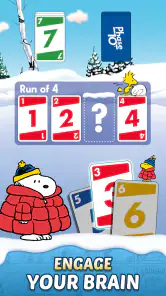
The game itself is structured around ten phases, each with its own unique set of requirements, like collecting sets of cards or runs. The initial phases are pretty straightforward, but as you progress, the challenges get a bit more brain-teasing. It's like a workout for your brain, but in a fun way!
Gameplay Mechanics: Strategy and Fun
What I love about this game is the balance between luck and strategy. Sure, you need the right cards to pop up, but there's also a lot of strategy involved in deciding which cards to keep and which ones to discard. The thrill of completing a phase just before your opponent is incredibly satisfying!
That mix makes it a good fit for players who enjoy thinking a few turns ahead without wanting a heavy ruleset. I find it especially useful for a short break when I can focus on a hand and finish the round before returning to something else. If I am playing with family or friends, the familiar card-game rhythm makes it easier to explain than a more elaborate strategy game, though the changing phase goals still give experienced players something to weigh.
Playing Solo, Together, or in Passing
Playing against friends is a blast, but if none of your pals are around, the game offers a robust single-player mode. The AI opponents are surprisingly clever, which keeps things interesting. And if you're feeling competitive, there's a global leaderboard where you can see how you stack up against players worldwide.
For a practical everyday use, I would reach for it while waiting for a pickup, sitting through a quiet stretch at home, or taking a break where a quick card round feels better than scrolling. The main trade-off is that a round asks for attention: keeping track of the current phase and choosing discards is less convenient if you are being interrupted every few seconds. I would not start a match while walking, driving, or doing anything that needs my eyes and hands elsewhere.
You May Like

Clash of Clans Is Won Between the Battles

Android Auto Makes the Case for Quieter Car Software

MobiOffice: Transforming Mobile Productivity with Seamless Integration

EA SPORTS FC™ Mobile Soccer: Redefining Mobile Sports Gaming

How Microsoft OneDrive Became a Mobile Productivity Giant

How Google Translate Breaks Language Barriers Effortlessly
Compared with a standard digital solitaire game, this is more social and more dependent on what other players do; compared with a simple matching game, it gives me more decisions but also asks me to remember the current objective. If I want a completely private, interruption-friendly puzzle, solitaire is the easier choice. If I want a shared card-table feel without arranging a physical deck, this is the more appealing option. Playing with people you know can be a nice way to keep a familiar game going when you are not in the same room, while the solo option gives the game somewhere to go when nobody is available.
Visuals and Sound: A Vibrant Experience
The design of the game is bright and engaging. The cards are easy to read, and the animations are smooth, which keeps the gameplay flowing without any hitches. The sound effects and background music are pleasant without being distracting. It's a game you can easily lose track of time with, thanks to its immersive experience.
That readable presentation matters most when I am glancing between cards and the phase I am trying to complete. Still, a bright look is not automatically comfortable for every player: people who are sensitive to animation or prefer a quieter screen may find the visual activity less relaxing than a plain physical deck. I would try a short session first and see whether the movement and sound suit the moment. In a shared room, muting the device is a sensible habit if sound effects would bother someone nearby.
There is also a useful way to approach each hand: decide what phase you are pursuing before treating every attractive card as worth keeping. A card that looks promising may be a poor choice if it delays the set or run you actually need. I also try to notice what opponents discard, but I do not let that replace my own plan; chasing every possibility can leave me with a hand that serves none of them. This is where the game’s luck-and-choice balance feels most tangible.
For anyone wondering whether it costs anything to get started, it is free to play, with optional in-app purchases ranging from $0.99 to $399.99 per item. I would treat purchases as optional rather than necessary to enjoy the basic card-game appeal, and check carefully before confirming anything, especially if a child shares the device. The game is rated Everyone, but that does not mean every purchase choice is automatically suitable for every household.
Rewards, Limits, and Who Should Play
And let's not forget the little rewards system. Completing daily challenges and earning in-game rewards adds a nice touch to keep you coming back for more. It's like getting a little pat on the back for a game well played.
That daily structure can be motivating, but it may also make the game feel like another task if you prefer to play only when the mood strikes. I would ignore the urge to check in just for a reward if that turns a relaxing card game into a routine obligation. The strongest reason to return, for me, is the changing decisions within a hand, not the idea of maintaining a streak or collecting every available item.
The game is made by Mattel163 Limited and has a 4.7 average from around 550,000 ratings, with more than 10 million installs. It is a card game, currently at version 1.11.8509, and supports Android 4.4 and later. Those details make it easy to see why it has found a broad audience, but they do not change the basic fit: I would recommend it to someone who likes rummy-style goals, light competition, and a bit of planning. Someone who dislikes turn-based play, wants complete control over outcomes, or finds changing objectives frustrating may be happier with a simpler card game.
Readability and Navigation in Real Play
The interface’s quick introduction is helpful, but understanding the rules and making good choices are separate things. I would use the first few rounds to learn how each phase changes the goal rather than trying to play quickly from the outset. When a hand feels confusing, pause long enough to identify the target set or run, then decide which cards support it. That small habit makes the screen easier to scan because I am comparing cards against one clear objective instead of reconsidering every possible combination.
For players who have used the physical card game, the app removes some table-management work: there is no deck to shuffle or discard pile to tidy, and the game keeps the digital match moving. That convenience is useful when a group has limited space or would rather not carry a deck. The trade-off is that the app’s screen becomes the shared focal point. A physical game lets several people lean over one table and handle cards themselves; on a phone, the display may feel cramped when multiple people are trying to follow the same hand.
Motor and Sensory Considerations
Because each turn involves choosing a card and responding to what has changed, this is not quite as hands-off as watching a game unfold. I would recommend it to someone comfortable with tapping through a card interface, but it is less suitable when precise interaction is difficult or the player needs to keep both hands free. A physical deck may be easier for someone who prefers larger, tactile cards, while this digital version avoids the shuffling and sorting that can be awkward for others. Which format works better depends on the person, not simply on whether the game is digital.
The lively presentation is part of its appeal, yet it can be the wrong mood for a tired evening or a quiet waiting room. I would lower or mute the sound when other people are nearby and choose a short session to see whether the motion feels comfortable. The cards being easy to read is a genuine plus, but visual clarity alone does not make the whole experience equally comfortable for everyone. If a player finds animated screens tiring, a plain deck or a quieter card app may be a better fit.
Situational Access: Choosing the Right Moment
A good match for me is a settled break: I can sit down, focus on the hand, and stop when the round is over. The same game is a poor companion for a rushed queue if I may need to put the phone away at any moment. Interruptions make it harder to follow the phase goal and remember what I planned to keep, so I would choose a predictable pause rather than opening it whenever there are a few spare seconds.
It also suits a household that wants a familiar card activity without needing everyone in the same place, especially when someone wants to play alone between group sessions. On the other hand, if the point of gathering is conversation, a screen-based match can draw attention away from the room. I would use it as the activity when people are ready to play, not as background entertainment while trying to talk or watch something else.
Remaining Barriers and Practical Trade-Offs
The most important limitation is the combination of changing objectives and chance. Planning helps, but it cannot guarantee that the cards needed for a phase will arrive at the right time. Players who get frustrated when a careful plan is disrupted may prefer a puzzle with a fixed solution, or a more straightforward card game where the aim stays the same from start to finish. Phase 10 is most enjoyable when I can accept an imperfect hand and adapt instead of treating every lost round as a failure.
There is also a difference between casual play and competitive play. The leaderboard may appeal to someone who likes comparing progress, but it can make a relaxed session feel more serious than intended. I would focus on learning the phases and enjoying the turns if competition is not the reason for opening the game. If the social side matters more, playing with people I know is a better aim than worrying about how I rank against strangers.
For families, the Everyone age rating makes the game broadly suitable, but I would still be mindful of optional purchases on a shared device. The free starting point is convenient; the listed purchase range, from $0.99 to $399.99 per item, is wide enough that I would check purchase controls before handing a phone to a child. That is a practical household precaution, not a reason to avoid the game altogether.
Inclusive Verdict: Who Will Enjoy It
I would put this card game on the shortlist for people who already enjoy rummy-like combinations, want a little more tactical choice than solitaire, and are happy to play at a measured pace. The solo option helps when no one else is available, while matches with friends can bring a familiar tabletop pastime to a phone. Its broad appeal is reflected in a 4.7 average and more than 10 million installs, but those figures do not mean it will suit every style of play.
I would steer away from it if you want a game that is effortless to pick up and put down during constant interruptions, if changing phase requirements feel irritating, or if you need a screen-free way to spend time with family. In those cases, a simple solitaire game, a physical deck, or a puzzle with a stable objective is likely to be more satisfying. For anyone who can give a hand their attention and enjoys adapting a plan as cards appear, it offers a friendly balance of familiar rules and decisions that stay interesting from phase to phase.
Final Thoughts: A Must-Try for Card Game Lovers
Overall, Phase 10: Casual Card Game is a fantastic addition to any card game lover's app collection. Whether you're in it for the casual fun or the competitive edge, it offers something for everyone. The blend of luck and strategy, coupled with its vibrant design and engaging gameplay, makes it a standout in the mobile gaming world.
If you haven't given it a whirl yet, I'd say it's about time you did. So grab your phone, download the game, and get ready to enjoy hours of card-playing goodness. You might just find it becoming your go-to game for those moments when you need a little escape. Happy playing!
Phase 10: Casual Card Game Frequently Asked Questions
Is Phase 10: Casual Card Game the same game as the classic Phase 10?
Phase 10: Casual Card Game brings the familiar Phase 10 format to mobile, with rounds built around completing card combinations. Its central idea is still to work through phases in order, so players who already know the tabletop game should recognize the basic challenge. If you are new to Phase 10, the app offers a way to explore its card-based format on a mobile device.
Can I play Phase 10: Casual Card Game offline?
Phase 10 can be played solo against AI, which gives you an option for playing without joining a match with other people. Online play is also available for multiplayer games, so those matches call for an internet connection. If you mainly want a card game to play on your own, the solo option may suit you; for social competition, you can choose multiplayer.
Does Phase 10: Casual Card Game support playing with friends?
Yes. Phase 10 supports private games with friends as well as open matches with random players. Playing with people you know can make it easier to share the game’s familiar phase-based challenge, while open matches offer a way to compete with other players. The multiplayer format adds a social element to building combinations and trying to complete phases first.
Who developed Phase 10: Casual Card Game, and what kind of game is it?
Phase 10: Casual Card Game is a card game developed by Mattel163 Limited. It brings the familiar Phase 10 format to mobile, with rounds built around completing card combinations. If you enjoy rummy-style play and working toward a series of goals, its basic premise is easy to understand before you decide whether it suits your tastes.
What is the objective of Phase 10: Casual Card Game?
Phase 10: Casual Card Game is a rummy-type card game where the objective is to complete 10 varied phases with specific card combinations. These phases range from collecting a certain number of cards of the same color to forming sequences. Each player must complete the phases in order and be the first to finish all 10 phases to win.
Pros
- Engaging gameplay with strategic elements.
- Easy to learn rules for all ages.
- Multiplayer mode for social interaction.
- Regular updates with new features.
- Colorful graphics enhance user experience.
Cons
- Occasional bugs in multiplayer mode.
- In-app purchases can be costly.
- Requires internet for full features.
- Some ads disrupt gameplay.
- Limited customization options.
- Category
- Card
- Version
- 1.11.8509