NYT Crossplay: Play and Spell
- 1.17K
- 4.7
- Installs
- 1.00M
- Price
- Free

Screenshots
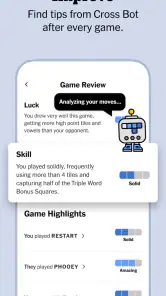
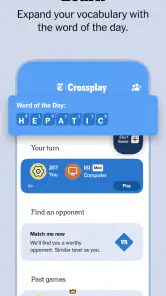
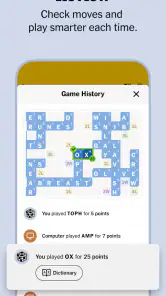
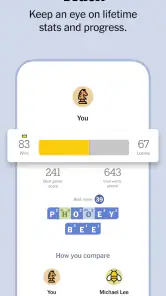
Analysis by Reviewed
I judge a word game by what happens after the first move: do I want to make another one, and does playing with someone else make the puzzle more interesting? NYT Crossplay: Play and Spell is a two-player word-board game from The New York Times Company that builds its appeal around exactly that choice. You place a word, see how the board changes, and weigh what your opponent might do next. It is more social and tactical than a solo word puzzle, though that also means it works best when you are in the mood to think against another person rather than simply unwind.
From a first word to a real contest
I’ll look at how the opening move turns a familiar word challenge into a shared contest, and why the board quickly asks for more than vocabulary alone. I’ll also consider what makes that first exchange welcoming without pretending every player wants a head-to-head puzzle.
Starting with the board, not a blank page
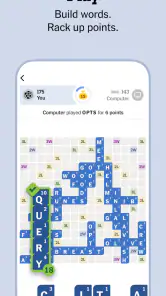
The basic action is easy to understand: make a word, connect it to the developing board, and leave your opponent a position to answer. That familiar foundation makes NYT Crossplay: Play and Spell approachable even if you have not played many word-board games. The interesting part arrives quickly, once a move has to do more than spell something valid. You begin considering where it fits, what it opens up, and whether the next player can turn your placement into an advantage.
I like that this kind of play gives a word game a visible sense of progress. A solo puzzle often asks me to search for a solution in isolation; here, every word becomes part of a shared position. A safe move can keep the game moving, while a more ambitious one may create better opportunities—or give the other player something useful. That push and pull is the game’s central decision, and it makes even a short turn feel like a small act of judgment.
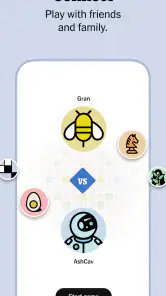
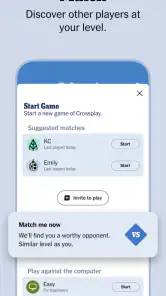
The two-player format is also a practical filter for deciding whether to try it. If you have a friend or family member who enjoys wordplay, the game gives you a direct reason to compare choices rather than merely share a score. If you mostly want a quiet, self-contained challenge with no opponent to consider, a daily word puzzle or a solo anagram game may fit your routine better.
How the move-to-move rhythm feels
The feedback comes from the board itself: after a word is placed, the shared layout changes, and both players have a new position to interpret. That keeps the loop concrete. You are not just collecting correct answers; you are shaping the next problem. I find that distinction makes the game more engaging than a simple word search, especially when a modest-looking move creates an awkward choice for the other player.
It also means that spelling skill is only part of the contest. A player who spots an unusual word may still need to decide whether it is worth using in that particular position. Conversely, a familiar word can be the better choice if it connects cleanly or avoids giving away an easy reply. The useful habit is to pause before submitting and look at the board from the opponent’s side: what would you play if you were answering this move?
More From Our News Desk

Weather by Xiaomi Review: Clear at a Glance, Less Clear Up Close

X Under Pressure: Can It Recover When Posting Goes Wrong?

Clash of Clans Is Won Between the Battles

Android Auto Makes the Case for Quieter Car Software

MobiOffice: Transforming Mobile Productivity with Seamless Integration

EA SPORTS FC™ Mobile Soccer: Redefining Mobile Sports Gaming
That small mental switch is one of the game’s better lessons. It makes word knowledge feel practical rather than purely academic, and it gives experienced players room to plan without making the first turn intimidating. The trade-off is that a turn can lose its snap if you overthink every possibility. I would treat it as a measured head-to-head puzzle, not a fast reflex game.
Why another turn feels worthwhile
The reward is less about a dramatic flourish and more about seeing a plan work. You may find a word that fits a tight spot, prevent an easy response, or notice an opening your opponent has overlooked. When a move changes the shape of the contest, the payoff is immediate: the next turn is no longer the same puzzle you were considering a moment ago.
That makes it a good fit for small social pockets of time. I can imagine opening a match while waiting for a meal or taking a quiet break, then returning to it when I have enough attention to consider a reply. It is also a reasonable choice for two people who enjoy friendly competition but do not want a game that depends on quick reactions or elaborate controls. The appeal comes from talking through word choices, teasing out a better placement, and seeing whether a clever idea survives the response.
For a household or friend group, the game can offer a more interactive alternative to taking turns sharing a daily puzzle result. It gives both players a common board to discuss, so the conversation can be about the move itself rather than only who finished first. That does depend on having another interested player; without that social element, the board-game structure may feel less compelling than a solo challenge that reliably offers a fresh task on demand.
Making a match fit real life
A useful way to decide when to play is to match the game to the kind of break you actually have. If I have a few calm minutes and know the other person can give the board some attention, a move can be a satisfying pause between errands or during a relaxed evening. If I am standing in a queue with only a moment to spare, I would not count on getting the same pleasure from it: the appeal is in considering the position, not simply tapping through a quick distraction.
It can also work as a low-pressure activity between people who live apart, because the shared board gives a conversation something concrete to return to. The game does not need to become a serious contest for that to matter. A player can explain why a word seemed tempting, or point out the opening they noticed, and the exchange becomes part of the entertainment. That said, I would choose another activity if one person wants a rapid exchange while the other likes to deliberate; the same turn-based pace that gives this game room for thought can create mismatched expectations.
For a first match, I would keep the goal simple: concentrate on making a legal, sensible placement and noticing what it changes. Trying to invent a clever strategy before you understand the board is an easy way to make a welcoming idea feel harder than it is. Once the shared layout starts to make sense, you can add the opponent-focused question—what reply have I made attractive? This gradual approach is more useful than treating every turn as a vocabulary test.
Resetting without losing the thread
A satisfying loop needs a reason to begin again. Here, the reason is the change in position: a new turn creates a different set of possibilities, and a fresh contest invites you to test whether you can read the board better next time. I find that more motivating than repeating an identical word exercise, because your choices have consequences for another person’s next move as well as your own.
There is a useful way to keep a match from becoming a string of guesses: before playing, decide what you want the move to accomplish. Are you trying to make a strong word, keep the board manageable, or avoid leaving an obvious opportunity? Even if you do not calculate every outcome, that one question makes your turns more deliberate. It is a simple approach that helps newer players learn the strategic side without needing to memorize elaborate tactics.
The reset is not automatically a benefit for every mood. If you are tired, distracted, or looking for a game that gives instant closure, thinking about an opponent’s options can feel like extra work. I would choose a lightweight solo word puzzle in that moment. Crossplay is strongest when I can give the board a little attention and enjoy the back-and-forth, rather than trying to squeeze it into a hurried minute.
Who should make room for it?
I’ll focus on the kind of player who is most likely to enjoy returning to this game, along with the practical trade-offs that can make another word-game format a better fit. The key question is whether you want a changing board and an opponent to read, or a self-contained puzzle you can play entirely on your own.
Better for rivals than solitary solvers
As a word game, it sits between crossword-style solving and competitive board play. Compared with a conventional crossword, it is less about completing a fixed grid and more about reacting to a shared, changing one. Compared with an anagram game, it asks for placement and opponent awareness in addition to finding words. That difference is the main reason to choose it, but it is also why it will not replace every other word game in your collection.
I would recommend it to people who already enjoy comparing vocabulary, planning a move, or gently trying to outthink a friend. It can also suit a word-game newcomer who wants a clear central action and does not mind learning strategy gradually through play. On the other hand, players who dislike head-to-head competition, prefer a guaranteed solo challenge, or find turn-based thinking slow should look elsewhere. The game’s social format is not a minor extra; it is what gives the board much of its purpose.
One practical tip is to agree on the mood you want before inviting someone to play. If you both want a relaxed exchange, take turns without treating every placement as a test of vocabulary. If you enjoy competition, spend more time considering what each word makes possible. That flexibility can make the same board feel friendly or tactical, but a mismatch in expectations may leave one player feeling hurried while the other is still thinking.
What to expect before installing
The game is free to download and is rated for everyone, with in-app purchases listed at prices ranging from $5.99 to $49.99 per item. Those purchases are worth checking before spending: if your goal is simply to see whether this two-player style suits you, start by exploring the free experience and decide whether anything additional matters to your own use. I would not treat the presence of purchases as a reason to assume they are necessary for enjoying the core word-board idea.
Its audience is substantial, with over a million installs and a 4.7 average from around 22,000 ratings. I take that as a useful sign that many players have found the format appealing, not as a guarantee that it will match every preference. The app was released in January 2026, its current version is 2.32.0, and it requires Android 10 or later. Those details make it easier to check basic compatibility before downloading, particularly if you are considering installing it on an older device.
There is one expectation I would keep modest: a competitive word game depends on the person across the board being willing to engage. If your friends are not interested in wordplay, the social premise may be hard to put to use. I would consider whether you have a likely opponent before choosing it over a solo game you can pick up at any time. That is a more important decision than whether you already know a lot of unusual words.
Practical expectations for two players
A common question is whether someone needs to be an expert in vocabulary to enjoy a head-to-head word game. I do not think expertise is the entry requirement here: the clear act of placing a word gives a newcomer somewhere to start, while the tactical choices can develop with experience. The more important match is between the players’ appetite for wordplay. If one person enjoys considering several possibilities and the other only wants to make a quick move, a friendly agreement about pace can prevent the board from feeling like a test.
Another sensible question is whether it can replace a solo daily puzzle. For me, it serves a different purpose. A solo puzzle is easier to pick up when I want a contained challenge that belongs only to me; this game is better when I want another person’s choices to change my own. I would keep both kinds of game in mind rather than expecting one format to cover every mood. That distinction also helps set expectations before inviting a friend: it is a shared contest, not simply a private puzzle with a score to compare afterward.
Before installing, I would also check the platform requirements and consider how much I want to spend. The game is free, but purchases are available, so I would make a deliberate choice rather than assume every option is part of the basic experience. Android users should check that their device meets the minimum operating-system requirement. These are practical checks, not reasons to avoid it; they simply help make sure the game suits both your device and the way you want to use it.
The loop’s real strength—and its limit
The action-feedback-reward-reset cycle works because each placement changes the problem. You choose a word, inspect what that choice has done to the board, enjoy the payoff when a plan lands, and return for another turn because the other player has altered the possibilities again. My strongest tip is to think one response ahead, not ten: looking for the opponent’s most obvious answer is often more useful than trying to forecast every route the match could take.
My reservation is that this same loop can feel dependent on the pace and interest of both players. It does not have the same self-contained convenience as a short solo puzzle, and its strategic layer may be more involved than someone wants from a casual word break. If those are deal-breakers, another word-game format is likely a better match. If you like language challenges that become a conversation and a contest, those trade-offs are part of the appeal rather than defects.
Overall, I would recommend NYT Crossplay: Play and Spell to a friend who wants to turn word knowledge into a shared decision-making game. It is most rewarding when both players notice that a word is not only an answer but also a move that shapes what comes next. Try it if you have someone who will enjoy that back-and-forth; skip it in favor of a solo puzzle if you want a completely independent, low-commitment round. That clear distinction is what makes the game easy to place in a word-game collection—and easy to know when to open again.
NYT Crossplay: Play and Spell Frequently Asked Questions
What is NYT Crossplay: Play and Spell?
NYT Crossplay: Play and Spell is a word game from The New York Times that combines crossword-style clues with letter-based wordplay. Players use the available letters to form answers and work through a puzzle, making it a choice for people who enjoy vocabulary challenges and quick daily games. The exact puzzle format and available features may change with updates, so check the app listing for the latest details.
Is NYT Crossplay: Play and Spell free to download and play?
The app’s download and access terms can depend on your device, region, and current New York Times subscription offerings. Some games or features may be available without a paid plan, while other content could require a subscription or account. Before downloading, review the App Store or Google Play listing and the in-app purchase details to confirm what is included and whether any recurring charges apply.
Does NYT Crossplay: Play and Spell require an internet connection?
An internet connection may be needed to download the game, sign in, access current puzzles, or sync progress, although some previously loaded content might remain playable offline. Offline availability can vary by version and account status. If you plan to play while travelling or away from Wi-Fi, check the game’s current settings and store information, and avoid assuming that every feature will work without a connection.
Is NYT Crossplay: Play and Spell suitable for beginners?
The game is designed around forming words and solving clues, so familiarity with common vocabulary can help, but beginners can still try it at their own pace. Difficulty may vary between puzzles, and challenging clues can make some rounds take longer. If you are new to word games, start with the easiest available content, use any in-game help thoughtfully, and expect to learn the puzzle’s conventions as you play.
What devices can run NYT Crossplay: Play and Spell, and what should I check before installing?
Availability and compatibility depend on the current app release, your operating system, and your region. Before installing, check the official Google Play or Apple App Store page for supported Android or iOS versions, required storage, age guidance, and any in-app purchases. Download from an official store, and make sure your device has enough free space and a stable connection for installation and updates.
Pros
- A relaxed way to build vocabulary through short
- approachable puzzles.
- Familiar New York Times word-game formats make it easy to get started.
- Daily challenges provide a simple reason to return regularly.
- Clean presentation keeps the focus on solving rather than visual distractions.
- A good fit for players who enjoy wordplay without fast-paced action.
Cons
- Some puzzles may feel too easy or repetitive for experienced word-game fans.
- Progress can depend on a steady internet connection.
- Hints and other helpful features may be limited or tied to a subscription.
- Daily puzzle availability may not suit players who prefer unlimited rounds.
- The focus on English wordplay can make it difficult for language learners or non-native speakers.
- Category
- Word
- Version
- 2.32.0