Magic: The Gathering Arena
- 25.48K
- 4.3
- Installs
- 5.00M
- Price
- Free

Screenshots
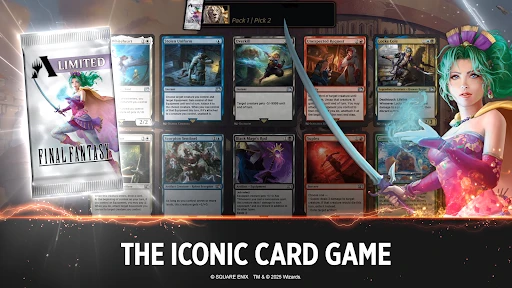
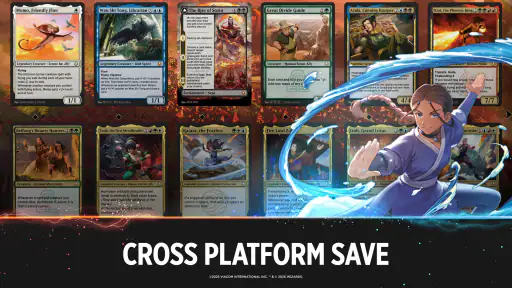
Analysis by Reviewed
Hey there, fellow gamers! Let’s dive into the enchanting world of Magic: The Gathering Arena, the digital adaptation of the iconic trading card game that has been captivating fans for decades. If you’ve ever been curious about exploring the mystic realms and thrilling battles of the Magic universe, this app might just be your portal to an exciting adventure.
What the mobile version is best at
For me, the phone version works best as a convenient way to fit a thoughtful card game into the day, not as a replacement for every kind of Magic session. It brings the familiar play of building a deck and making decisions turn by turn to a handheld screen. That makes it a natural choice when I want a match without arranging a table, but it still expects me to read carefully and think ahead.
The difference from a lighter mobile card battler is noticeable. Arena asks you to manage resources, understand card interactions, and consider what an opponent might do next. If that puzzle is the reason you enjoy card games, the extra complexity is a strength. If you want quick rounds with very little rules reading, a simpler title may be a better fit; Arena’s appeal depends on enjoying the decisions, not merely collecting wins.
A Magical Experience Awaits
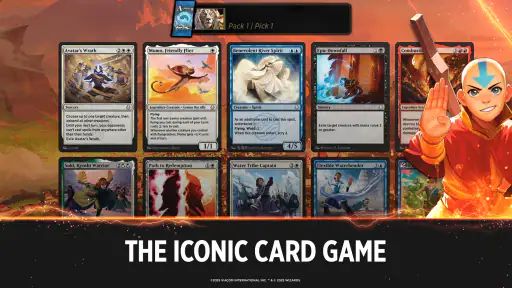
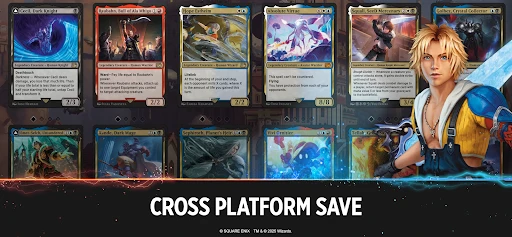
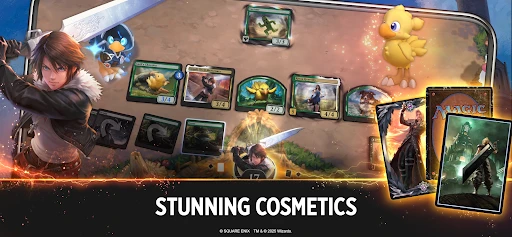
From the moment you fire up Magic: The Gathering Arena, you’re greeted with stunning graphics and an intuitive interface. The developers have done a fantastic job of translating the complex mechanics of the tabletop game into an accessible digital format. Whether you’re a seasoned planeswalker or a newbie just starting, the app offers a seamless entry into the mystical battlefield.
Dueling Dynamics
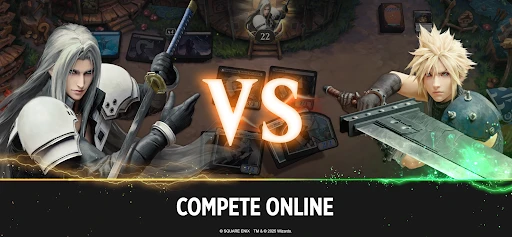
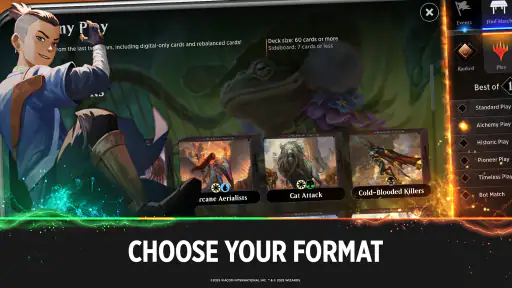
Once you’re in, the game offers a variety of modes to keep you engaged. You can jump into quick matches, test your skills in ranked play, or explore draft events for a unique deck-building challenge. Each mode offers its own flavor of excitement, and the matchmaking system does a pretty good job of pairing you with opponents of similar skill levels.
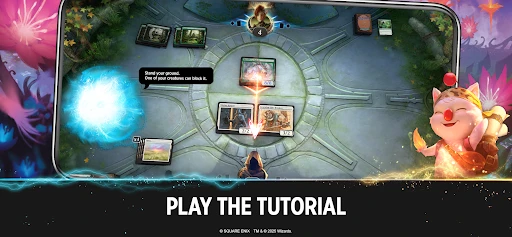
One of the standout features is the tutorial system, which is incredibly helpful for newcomers. It guides you through the basics and gradually introduces more complex strategies, ensuring that you’re well-prepared to take on more formidable foes. And trust me, nothing beats the satisfaction of pulling off a perfectly timed combo or watching your opponent’s strategy crumble under pressure.
Deck Building Delight
Let’s talk about one of the core aspects of the game – deck building. Magic: The Gathering Arena offers a plethora of cards to choose from, allowing you to craft a deck that suits your play style. Whether you prefer aggressive, control, or combo decks, there’s a world of possibilities waiting for you.
You May Like

Clash of Clans Is Won Between the Battles

Android Auto Makes the Case for Quieter Car Software

MobiOffice: Transforming Mobile Productivity with Seamless Integration

EA SPORTS FC™ Mobile Soccer: Redefining Mobile Sports Gaming

How Microsoft OneDrive Became a Mobile Productivity Giant

How Google Translate Breaks Language Barriers Effortlessly
As you play, you’ll earn new cards and rewards, encouraging you to experiment with different strategies and combinations. The thrill of opening a new booster pack and discovering a rare card never gets old. Plus, the app regularly updates with new expansions, keeping the meta fresh and exciting.
Making progress without wasting wildcards
One useful habit is to avoid crafting cards just because a deck list looks exciting. I first ask what role a card fills, then check whether I already own a close substitute that lets me test the strategy. That small pause matters in a collectible game: a card can be powerful in one shell and awkward in another, so copying a list before understanding its plan can leave you with a deck you do not enjoy piloting.
I also find it helpful to make one change at a time after a match. If I replace several cards at once, I cannot tell which adjustment improved the deck or made it clumsier. When a new card arrives, I look for a specific job it could do—improve early turns, support a theme, or answer a problem I keep facing—rather than treating every new addition as an automatic upgrade. This approach makes collecting feel more purposeful and reduces the urge to spend simply to keep up.
For someone who is completely new to Magic, the practical question is whether the game can be learned without already knowing the tabletop rules. The tutorial gives a starting point, and introductory play is a sensible place to apply those lessons before trying competitive modes. I would expect to make mistakes while learning timing and card text; that is part of the process, not a reason to judge the whole game after one confusing match.
Playing on a Phone: Useful Trade-Offs
Mobile play changes how I approach a match. A short session is convenient when I have a few minutes free, but Magic rewards careful attention: tracking available mana, reading card text, and planning around an opponent’s response are easier when I’m not rushing. I treat quick games as practice or a way to test a deck, rather than assuming every spare minute is enough for a focused ranked run.
Touch controls also make the game approachable, though long turns can feel less comfortable on a small screen. I take a moment to check the battlefield before confirming an action, especially when several effects could trigger. That simple habit helps avoid misclicks and makes complicated turns easier to follow. If you mainly want a relaxed card game that asks little reading or planning, Arena may feel demanding compared with lighter mobile card battlers.
Who Will Enjoy It Most
I’d recommend Arena to players who enjoy learning a rules-rich game, tuning a deck over time, and adapting when an opponent presents an unexpected plan. Returning tabletop players can use it to get matches without arranging a paper game, while newcomers can learn the basic rhythm before deciding whether they want to explore Magic more deeply. The free-to-play entry point is useful, but optional in-app purchases range from $4.99 to $199.99 per item, so I’d set a spending limit rather than treating purchases as necessary for enjoying the game.
It is less suited to someone who wants every card and strategy immediately, or who dislikes collecting and gradual deck development. Compared with simpler digital card games, Arena asks more of you: turns involve resource choices, timing, and a wide range of card interactions. That depth is its appeal, but it also means the learning curve can be steep. I’d start with the tutorial and introductory play rather than jumping straight into competitive matches.
Building a Practical Routine
A useful way to play is to choose one deck and learn what its key cards are meant to do before changing several things at once. After a loss, I look for the decision that mattered most—whether I spent a resource too early, kept a hand that did not support a plan, or missed a possible response—instead of blaming the whole deck. This turns a quick match into a concrete lesson and makes card rewards more valuable, because new cards can be judged against an actual need.
For a realistic everyday session, I might use a brief break to play a casual match, then save a draft or ranked session for a time when I can concentrate. Drafting is especially interesting if you enjoy making a deck from limited choices, but it requires a different kind of focus from bringing a prepared deck. If you are new, watching how your choices work in a few ordinary games can tell you more than constantly switching modes.
Current State and What to Keep in Mind
Wizards of the Coast LLC develops Arena, and the game is listed as a card title with a Teen age rating. It is free to install, has an average rating of 4.3 from around 246,000 ratings, and has passed 5 million installs. It was released on March 17, 2021; the current version is 2025.48.50.4042, and the listed minimum Android requirement is 7.0. Those details make it a substantial, established mobile option, though the size of its audience does not remove the need to decide whether its pace and complexity suit you.
The version number shows that the app has continued to receive version updates, but a version label alone does not tell me exactly what changed in any particular release. For an existing player, the practical question is whether the current build runs comfortably on their device and whether the game’s present card environment still fits their interests. I would check the version and device compatibility before installing, especially on an older phone, and treat future changes as something to assess when they arrive rather than assume a specific feature or improvement is coming.
Settling in after an update
For returning players, the smoothest way back is to spend a little time checking what feels familiar and what has shifted in the current card environment before committing to a competitive run. A version label confirms that the app has moved forward, but it is not a substitute for learning the present state of play. I would start with a deck I already understand, use a lower-pressure match to reacquaint myself with its choices, and only then decide whether I want to rebuild around newer cards or try a different mode.
That routine also helps separate changes to the app itself from changes in how a deck performs. If an old strategy feels weaker, it may be because opponents and available cards have changed, rather than because the mobile controls have become unfamiliar. Taking one match to observe the pace, common threats, and decision points is more useful than assuming a returning player can pick up exactly where they left off.
Community and Competition
Magic: The Gathering Arena isn’t just about solo play. The app fosters a vibrant community where you can connect with other players, discuss strategies, and even participate in tournaments. The sense of camaraderie and competition adds another layer of depth to the game, making each match feel like a shared experience.
The developers also host regular events and challenges, offering a chance to earn exclusive rewards and showcase your skills on a grand stage. It’s a great way to keep things interesting and push yourself to improve.
One thing I’d keep in perspective is that competition is not the only reason to play. If ranked pressure makes a loss frustrating, casual matches and learning-focused play are a better fit; if you thrive on testing a refined list against strong opposition, competitive modes offer a clearer challenge. The game’s depth rewards patience, but it does not make every session equally relaxing.
Choosing how much time and money to invest
A common concern with a free-to-install collectible game is whether spending is essential. I would begin by playing with the cards and rewards earned through ordinary play, then decide whether a purchase would solve a real limitation for me. The presence of optional purchases does not make them a requirement, but the wide price range means it is sensible to set a boundary before browsing offers, especially if opening packs is more tempting than refining a deck.
Time is another part of the cost. A quick match can fit a short break, but a draft or a careful ranked session is a poor choice when I may need to stop halfway through my concentration. If I only have a couple of minutes, I would rather review a deck idea or wait for a better moment than begin a match distracted. That distinction makes the game easier to enjoy without turning every spare moment into a commitment.
What I would watch next
For a game that has been available since March 17, 2021, its current build, 2025.48.50.4042, is a useful marker of ongoing version progression. It does not tell me what a future update will contain, so I would avoid installing with expectations about a particular feature or balance change. Existing players should watch for changes that affect the formats and cards they actually play, while newcomers can focus first on whether the current learning curve and mobile presentation feel comfortable.
My overall test would be practical: does the game still make me curious about the next decision, and can I enjoy that decision-making on my phone? If yes, the evolving card environment gives me a reason to return. If the reading, collection pace, or competitive pressure feels like work, there is no need to force it; a lighter card game or a paper session with friends may suit that mood better.
In conclusion, Magic: The Gathering Arena is a fantastic way to dive into the world of Magic without the need for physical cards. It captures the essence of the original game while offering the convenience of digital play. Whether you’re looking to relive your childhood memories or discover a new hobby, this app is definitely worth checking out. So, grab your virtual deck, summon your creatures, and let the magical battles begin!
Magic: The Gathering Arena Frequently Asked Questions
How much storage space and internet data does Magic: The Gathering Arena need?
Magic: The Gathering Arena is a full digital card game, so it is worth making sure your device has room for the app and its game content before installing. You will also need an internet connection to play, and downloading or updating the game uses data. If you have a limited data plan, using Wi-Fi for downloads and updates can help you manage it.
What is the current version of Magic: The Gathering Arena?
The current Android version is 2025.48.50.4042. Keeping the game updated is important because it lets you use the latest available release and continue playing online. Before downloading, check that your device runs Android 7.0 or later. Updates may require an internet connection and additional storage, so it is sensible to leave enough room on your device for the game to install and update.
What kind of game is Magic: The Gathering Arena?
Magic: The Gathering Arena is a digital card game based on Magic: The Gathering. Players collect cards, build decks, and compete in online matches. It brings the original collectible card game to mobile, with visual effects and animations that bring the cards and battles to life. It is designed for both people discovering Magic and players already familiar with its strategic card play.
What is Magic: The Gathering Arena?
Magic: The Gathering Arena is a digital adaptation of the popular card game Magic: The Gathering. It allows players to build decks and compete against others online, offering an immersive experience with stunning graphics and animations. The game is available for both PC and mobile platforms, making it accessible for a wide range of players.
Is Magic: The Gathering Arena free to play?
Yes, Magic: The Gathering Arena is free to play. However, it offers in-game purchases that allow players to buy booster packs, cards, and other items to enhance their gameplay experience. While you can enjoy the game without spending money, purchasing items can accelerate your deck-building process and competitive edge. Optional purchases range from $4.99 to $199.99 per item, so it is worth reviewing them before spending.
Pros
- High-quality graphics and animations
- Regular updates with new cards
- Strategic gameplay with diverse decks
- Cross-platform availability
- Active online community
Cons
- In-app purchases for boosters
- Steep learning curve for beginners
- Occasional server issues
- High storage space required
- Limited offline play options

- Category
- Card
- Version
- 2025.48.50.4042