ABC Games: Tracing & phonics
- 17.00
- 4.4
- Installs
- 5.00M
- Price
- Free

Screenshots
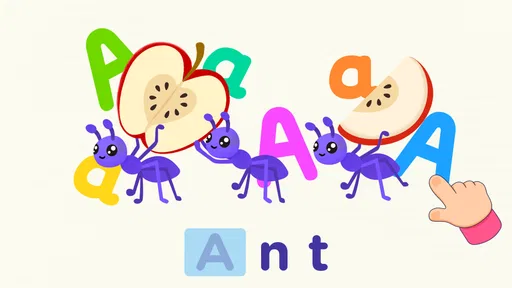
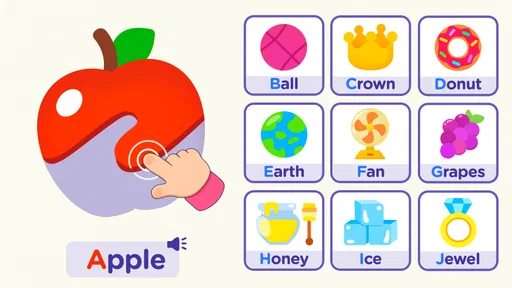
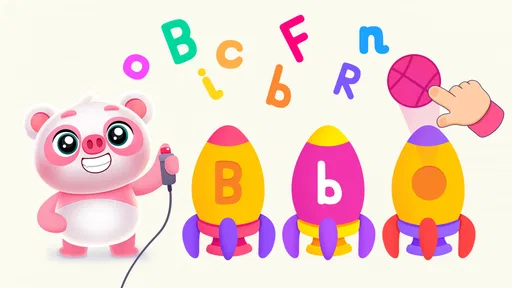
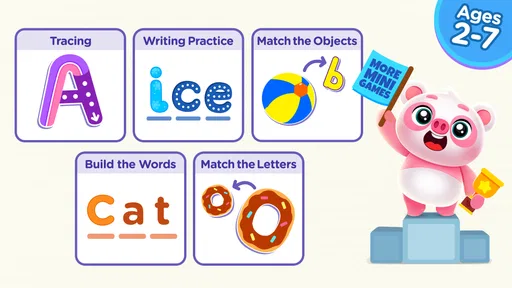
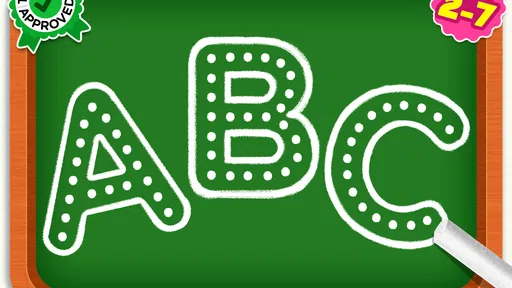
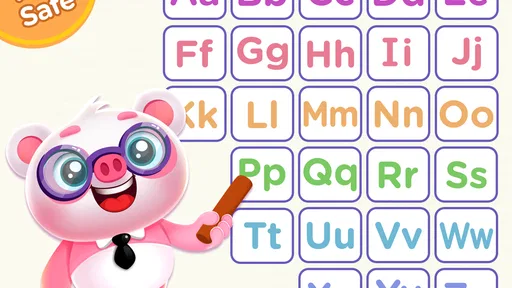
Analysis by Reviewed
I look for early-learning games that can hold a young child’s attention without turning every quiet moment into a battle over a screen. ABC Games: Tracing & phonics is an educational game from Piggy Panda Inc built around early letter practice. Its focus makes sense for toddlers, preschoolers, and children in kindergarten, especially when a grown-up wants a short activity to complement time with books, drawing, or conversation rather than replace them.
What the game offers, and what it costs
The game is free to download, with optional in-app purchases listed from $1.49 to $59.99 per item. That gives families a way to try the basic experience before deciding whether they want to spend, but the range is wide enough that I’d check the purchase details with an adult before handing over the device. I wouldn’t assume every activity is included at no cost, or that a purchase is necessary: the sensible approach is to explore what is available first and only pay if a particular option suits your child.
It has an average rating of 4.4 from around 640 ratings and more than a million installs. Those figures suggest it has reached plenty of families, but they don’t tell me whether it will match a particular child’s learning style. It is rated for Everyone, and the current version is 2.7; it runs on Android 6.0 or later. The game was released on March 29, 2023. These details make it straightforward to check basic device fit, while the purchase range is the more practical point for parents to keep in mind.
Practice without turning it into a test
Tracing and letter sounds are most useful when a child can pause, repeat, and try again without feeling that every mistake is a score. I’d use the game in a brief, low-pressure session: let the child choose a letter, trace it, then say the sound together and look for that letter on a book cover or cereal box. That small bridge to the real world matters. The game can prompt practice, but it cannot tell whether a child recognizes the same letter away from the screen or understands how it is used in a word.
For a preschooler who enjoys tapping and drawing with a finger, this format may make alphabet practice feel more inviting than a worksheet. A child who is already comfortable with letters may find repeated basics less challenging, while one who gets frustrated by tracing may do better with chunky crayons and paper beside an adult. I’d treat it as one activity in a mix, not a complete reading course or a substitute for shared reading and conversation.
Fairness, choice, and a parent’s role
This is not a competitive game in the usual sense: the appeal is individual practice rather than beating other players. That makes it easier to use without comparing one child’s speed or performance with someone else’s. Still, “educational” does not automatically mean every child will benefit equally. Younger learners may need an adult nearby to keep the session calm and connect screen prompts to spoken language; older or more advanced beginners may need richer reading material.
My practical tip is to decide the session’s purpose before opening the game. If the goal is pencil control, stay with tracing for a little while. If the child is ready to connect sounds and letters, say the sound aloud and invite them to find an example nearby. Keeping one small goal prevents the activity from becoming aimless tapping, and it gives a parent a clearer sense of whether this particular style is helping.
More From Our News Desk

Weather by Xiaomi Review: Clear at a Glance, Less Clear Up Close

X Under Pressure: Can It Recover When Posting Goes Wrong?

Clash of Clans Is Won Between the Battles

Android Auto Makes the Case for Quieter Car Software

MobiOffice: Transforming Mobile Productivity with Seamless Integration

EA SPORTS FC™ Mobile Soccer: Redefining Mobile Sports Gaming
Where it fits among early-learning options
Compared with a paper alphabet book, a tracing game can respond immediately to a child’s finger movements and make practice feel more playful. A book, however, is easier to share side by side and encourages looking at letters in words and pictures. Compared with a broad preschool learning app, a game focused on ABC skills may be easier to choose for a quick literacy activity, but it is less suitable when a family wants a varied set of subjects in one place.
A realistic use is a short turn while dinner is being prepared: a child traces a few letters, then joins an adult to spot one of them on a label. I would avoid relying on the screen as a babysitter for long stretches. Young children often learn better when an adult notices confusion, offers a different example, or suggests a break—things an app cannot replace.
Useful limits to keep in mind
One trade-off with finger tracing is that it is not the same physical practice as holding a pencil. If handwriting readiness is the goal, pair the game with paper and a crayon or pencil, and let the child make large, relaxed strokes rather than insisting on neat results. Likewise, hearing a letter sound in a game is only a starting point; children need chances to hear that sound in different words and to talk about what they notice.
The game’s free entry and optional purchases make trying it relatively simple, but adults should review purchase prompts and decide what spending, if any, is appropriate. I’d also check whether the available activities suit the child before making a purchase, rather than treating the highest-priced option as automatically more useful. For a family that prefers entirely offline, hands-on learning materials or wants a structured phonics curriculum, a book, classroom resource, or another carefully chosen tool may be a better fit.
Engaging Interface and Easy Navigation
First things first, let's talk about the interface. The design of ABC Games: Tracing & Phonics is vibrant and colorful, immediately grabbing the attention of young learners. The app is structured in a way that makes navigation a breeze. I found it incredibly intuitive, which is fantastic because the last thing you want is a complicated app when dealing with kids. The animations and sounds are not only engaging but also serve as positive reinforcement, encouraging kids to keep learning.
Interactive Learning Experience
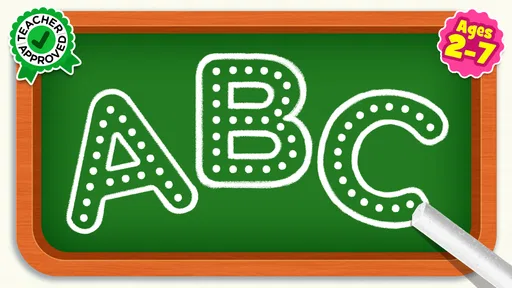
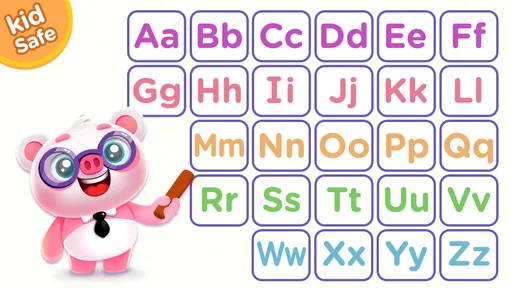
This app stands out because it transforms the traditional learning experience into something interactive and fun. Kids can trace letters with their fingers, and the app provides instant feedback. I noticed that this feature helps in improving their motor skills and hand-eye coordination. The phonics section is equally impressive, introducing kids to the sounds of letters through catchy tunes and repetitive exercises. It’s like turning learning into a game, which keeps kids motivated and eager to learn more.
Customization Options
One of the aspects I appreciate about this app is the customization options. Parents can adjust the difficulty level according to their child's age and learning pace. This feature ensures that the app grows with your child, providing a personalized learning experience. Additionally, the app tracks progress, which is a neat way for parents to monitor how their child is doing and where they might need some extra practice.
Offline Access
Another highlight of the ABC Games: Tracing & Phonics app is its offline accessibility. Whether you're on a long car ride or in a place with no internet access, the app continues to function seamlessly. This is a lifesaver for parents looking to keep their children entertained and educated on the go.
In conclusion, ABC Games: Tracing & Phonics is a fantastic tool for any parent looking to give their child a head start in learning the alphabet and phonics. With its engaging interface, interactive learning features, and customizable options, it’s an app that grows with your child and provides endless opportunities for learning. If you’ve been on the hunt for an educational app that keeps your child entertained while learning, this might just be the perfect match. Give it a try and watch your child’s love for learning blossom!
My take for families weighing it up
I’d recommend it most readily to a parent looking for a focused, approachable way to add letter tracing and sound practice to a preschool routine. If your child likes colorful feedback and is happy to repeat a small task, it can be a handy change from paper exercises. If they resist tracing, need more advanced reading work, or do best with an adult leading every step, I’d choose a different activity or use this only together.
Before a first session, I’d open the game myself, see how its activities are arranged, and set a simple stopping point. That makes it easier to guide a child toward one useful task instead of leaving them to wander through prompts. For a family deciding whether to pay, the free option is a practical place to start; any purchase should be based on the specific content the child will use, not on a promise that more screen time means faster progress.
Overall, I see this as a convenient supplement, not a stand-alone teaching plan. Its appeal is the combination of tracing, sound practice, and child-friendly presentation, while its limits are the usual ones for screen-based learning: finger movements do not fully prepare a child for pencil writing, and digital feedback cannot replace a parent’s explanation. Used in short turns alongside books, conversation, and real drawing, it is a reasonable option for early alphabet practice.
ABC Games: Tracing & phonics Frequently Asked Questions
What devices can run ABC Games: Tracing & Phonics?
ABC Games: Tracing & Phonics is available for Android devices running Android 6.0 or later. Before downloading, check your device’s operating system so you can be sure it meets that requirement. The game is free to download, though optional in-app purchases are available, so it is worth considering those when deciding whether it suits your family.
Who developed ABC Games: Tracing & Phonics, and what do other users think of it?
The game is made by Piggy Panda Inc and has an average rating of 4.4 from around 640 ratings, alongside a small number of written reviews. Those figures offer a useful snapshot of user feedback, but individual experiences can differ. Its educational focus and tracing, phonics, and spelling activities make it a title aimed at young children beginning to explore letters and sounds.
What is ABC Games: Tracing & Phonics?
ABC Games: Tracing & Phonics is an educational app designed to help young children learn the alphabet through interactive tracing and phonics exercises. It provides a fun and engaging way for kids to develop foundational literacy skills by tracing letters and associating them with sounds, enhancing their reading and writing abilities.
Is ABC Games: Tracing & Phonics suitable for all age groups?
This app is primarily targeted at preschoolers and kindergarteners, typically aged 3 to 6 years, who are in the early stages of learning to read and write. It offers age-appropriate content and activities to ensure that children in this age range can easily grasp the concepts of letter tracing and phonics.
Does ABC Games: Tracing & Phonics require an internet connection to use?
ABC Games: Tracing & Phonics does not require a constant internet connection to function. Once downloaded and installed, the app can be used offline, making it convenient for parents and children to use on-the-go without worrying about internet access. However, an internet connection may be needed for updates or additional content downloads.
Pros
- Engaging graphics for kids
- Interactive learning experience
- Customizable game settings
- Supports multiple languages
- Enhances early literacy skills
Cons
- Limited free content
- Requires internet for updates
- May not suit older kids
- Ads in free version
- Occasional app crashes