2 Player games : the Challenge
- 9.06K
- 4.7
- Installs
- 100.00M
- Price
- Free

Screenshots




Analysis by Reviewed
Some games ask you to settle in; this one makes more sense when you have only a few minutes and someone beside you. I like that 2 Player games : the Challenge turns a phone into a shared arcade without first asking either player to set up a separate device. Its best moments are small and immediate: a quick contest while waiting, a rematch after a close finish, or a playful way to break a lull in conversation. That convenience comes with a clear condition, though: the fun depends on having another person nearby and enough room to share the screen.
The shared-screen trade-off in practice
One device is an advantage when you want to start quickly, but it changes how you should choose where to play. At a table, both people can see the screen and take a comfortable position; standing in a crowded queue or trying to hold the phone between two people is less appealing. I’d set the phone down rather than pass it back and forth, especially if the round needs quick reactions. It makes the contest easier to follow and reduces the small distraction of adjusting the device between turns.
This format is also a useful icebreaker when one person is a confident gamer and the other rarely plays. Instead of explaining a complicated game or asking someone to download something, I can offer a short contest and let the shared screen make the activity feel casual. It works best when both people are happy to try a few rounds rather than expecting a winner to prove much. If one player dislikes being watched or prefers to learn privately, a solo game will be a kinder introduction.
Picking the right moment, not just the right game
My practical rule is to consider attention before choosing what to play. When a friend has only a minute before leaving, a quick, familiar contest is a better fit than anything that needs a long explanation. If we have a relaxed stretch together, trying a different kind of challenge can make the session feel less predictable. That small bit of planning helps the collection work as a social option instead of a menu that slows everyone down.
For families, the same idea helps avoid turning a casual game into a forced activity. I’d offer it during a quiet pause, let each person choose whether to join, and stop when interest fades. That keeps the phone from becoming the centre of the whole visit. The game suits mixed ages in part because the invitation is easy to understand; it is less suited to a group that wants several people to play at once, since its central setup is for two people sharing one device.
How it differs from other casual arcade choices
Many arcade games are built around one person improving a score or beating a series of increasingly demanding stages. Here, the immediate comparison is not simply whether a mini-game is more polished; it is whether playing against someone beside you is more appealing than playing alone. If I’m by myself, a conventional single-player arcade title gives me a clearer reason to return and improve. If a friend is present, this collection makes the interaction itself the point, even when a round is brief.
It also occupies a different place from online multiplayer. Online play is the natural choice when friends are far apart, while this game is for the moment when both people are physically together and do not want to coordinate separate devices. Neither format replaces the other. The shared-phone approach is wonderfully low-friction in person, but it cannot solve the basic problem of distance, and it may feel cramped if both players need to reach across a small screen.
You May Like

Clash of Clans Is Won Between the Battles

Android Auto Makes the Case for Quieter Car Software

MobiOffice: Transforming Mobile Productivity with Seamless Integration

EA SPORTS FC™ Mobile Soccer: Redefining Mobile Sports Gaming

How Microsoft OneDrive Became a Mobile Productivity Giant

How Google Translate Breaks Language Barriers Effortlessly
Small habits that make sessions smoother
I’d keep the first round simple: choose something both people can understand quickly, play once, then decide together whether to repeat it or switch. This avoids spending the whole break browsing through options and gives a newcomer a chance to settle in before a more demanding contest. It also makes the game easier to put away when something else comes up; a short, agreed stopping point is more practical than treating every visit as an open-ended session.
Another useful habit is to alternate who picks the next game. When one player always chooses, the other can end up feeling like a spectator, especially if the first choice favours a familiar style. Taking turns with the selection gives both people a reason to stay engaged and can expose you to a different kind of challenge without needing to commit to it for long. If a particular round is clearly not working for one person, switching is more considerate than insisting on repeated attempts.
The shared device also means that visibility matters. Bright surroundings, a stable surface, and a screen both players can comfortably see make a bigger difference than they would in a game played privately. I’d avoid starting a fast contest while walking or in a place where the phone is likely to be bumped. That is not a fault unique to this title; it is the practical cost of turning one small screen into a two-person play space.
Who will enjoy it, and who may not
I’d recommend it to friends, siblings, couples, or relatives who enjoy low-stakes competition and often find themselves waiting together. It is especially handy when one person has a phone and the other does not want to install or learn a more involved game. The collection can also suit a household looking for a simple way to share a playful moment, provided everyone is comfortable taking turns and playing close together.
I would not choose it for someone who wants a substantial solo arcade experience, carefully developed long-term progression, or competition with people in other places. It is also a poor match for anyone who dislikes sharing a device, has difficulty seeing a small screen from the side, or wants a game that can entertain a larger group simultaneously. In those situations, a solo title, an online multiplayer game, or a spoken group activity is likely to fit better.
What the numbers say about its audience
JindoBlu’s arcade game has a 4.7 average from around 609,000 ratings and has passed 100 million installs. Those figures suggest that its simple, social premise has reached a broad audience, but they do not change what matters most in everyday use: whether you have a willing opponent right there. I’d treat its popularity as reassurance that the format is familiar to many players, not as a promise that every mini-game will suit every pair.
A World of Mini-Games
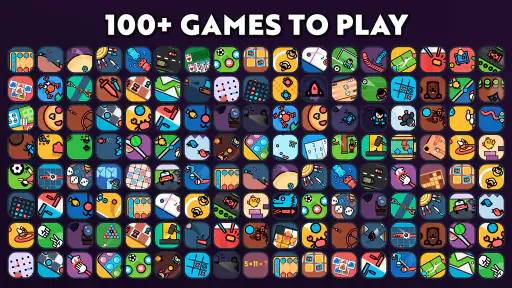
The beauty of 2 Player games : the Challenge is in its simplicity and variety. Once you fire up the app, you’re greeted with a collection of games that range from brain-teasers to reflex tests. I mean, who doesn’t love a good old tic-tac-toe or a quick round of table tennis? The app has it all—games that are easy to pick up but hard to put down. What's more, each game is designed to be played with two players, making it perfect for some friendly competition.
Easy Peasy Setup
No account setup, no internet required, just pure unadulterated fun. The app’s interface is so intuitive that even your tech-challenged friend can navigate through it without breaking a sweat. It's all about bringing back the essence of gaming without the digital hurdles. Just select a game, grab a corner of your device, and let the games begin!
Choosing a game that suits the moment
For a very short break, I’d pick a familiar, low-explanation option rather than asking a new player to learn several rules while everyone is waiting. When there’s more time, switching between a brain-teaser and a reflex challenge can keep the mood fresh without turning the visit into a long commitment. That little choice matters: the collection is most useful when you match the game to the group’s patience and the space around the phone.
Because the experience is built around two people at one screen, it also works well as a low-pressure way to draw someone into play. A child can try a simple round with an adult, or friends who don’t usually play games can compete without needing accounts or a shared gaming history. I’d skip it if you want solo progression, a deep campaign, or remote matchmaking; this is about the person beside you, not a long-term world to explore.
A Visual Treat
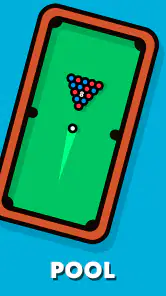
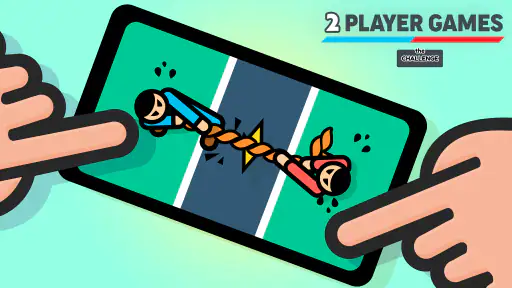
Now, let's talk graphics. While the games are simple, the developers have done a commendable job with the visuals. Each game is vibrant and colorful, adding a charming retro feel that brings a sense of nostalgia. It's like reliving the arcade days, but right at your fingertips!
When a quick match becomes repetitive
The same quick-start design that makes a first round painless can make repeated sessions feel familiar fast. I get the most replay value by treating the games as a rotating set of small contests, not expecting one mini-game to hold my attention all evening. If one match ends in a lopsided win, swapping to a different style is a better reset than immediately replaying the same contest and hoping the result feels new.
Compared with a typical single-player arcade game, the draw here is less about mastering one mechanic and more about the social back-and-forth of sharing a screen. Compared with online multiplayer, it is less convenient across distance but much easier to start in person. That makes it a handy casual pick, though players looking for rankings, a substantial solo challenge, or a game that occupies one person while others watch may prefer a different format.
Fun for All Ages
What I love about this app is its universal appeal. Whether you're 8 or 80, there's something here for everyone. The games are straightforward enough for kids but engaging enough to keep adults hooked. Plus, it's a great way to bond with family or friends, especially during those long road trips or lazy evenings.
For a practical example, I’d bring it out while waiting for food with a friend: set the phone on the table, choose a quick contest, and stop when the order arrives. The game’s short-session nature suits interruptions better than a match that requires a long, uninterrupted run. On a bumpy trip or in a crowded place, though, sharing a screen may be awkward, so a spoken game or separate-device option could work better.
What to expect before installing
The game is free to download and rated Everyone, so it can suit a broad household audience. It was released on May 29, 2019, and version 7.6.5 requires Android 5.1 or later. Optional in-app purchases are listed at $1.99 per item; I’d check the purchase prompts before handing the phone to a child, and remember that the free entry point doesn’t mean every optional item is included.
The key question is whether you have someone nearby who wants to play. If yes, the shared-device format removes several usual setup steps and gets you into a contest quickly; if not, its central appeal largely disappears. I’d recommend it for casual face-to-face breaks, especially with mixed ages or gaming experience, while anyone seeking a deep arcade progression or remote competition should look elsewhere.
So, if you're looking for a way to stay entertained without diving into complex gaming worlds, give 2 Player games : the Challenge a try. It's the kind of app that reminds you that sometimes, the simplest games are the most fun. Grab a friend, download the app, and let the good times roll!
2 Player games : the Challenge Frequently Asked Questions
Can two people play on one phone or tablet, and how does the shared-screen setup work?
Yes. The central idea is to let two players compete on the same device, so you do not need a separate phone or tablet for each person. You can sit together, choose a mini-game, and take part in quick matches using the shared screen. This setup is especially convenient for casual play with a friend or family member, though the controls and layout may feel more comfortable on a device with enough screen space.
Is 2 Player Games: The Challenge suitable for quick breaks or longer play sessions?
The game is built around a collection of short arcade-style challenges, making it easy to start a match without committing to a long session. You can play a round while waiting or keep switching between mini-games when you have more time. Its simple, competitive format also makes it easy for players to jump in and understand the aim of a match without a lengthy introduction.
Does 2 Player Games: The Challenge work offline?
The game is designed around two players sharing one device, making it a handy choice for playing together in person. You can take turns or compete side by side without needing a separate device for each player. If you plan to play while away from an internet connection, check that the game is ready on your device before you go.
What is '2 Player Games: The Challenge' and how does it work?
'2 Player Games: The Challenge' is a mobile application designed to provide a variety of games that can be played by two people on the same device. It features a collection of simple, yet engaging mini-games that are perfect for quick play sessions with friends or family. The app offers intuitive controls, making it accessible and easy to use for players of all ages. The games are designed to be completed within a few minutes, enabling users to have fun without a long-term commitment. Each game focuses on competitive play, providing a fun and interactive experience.
Is '2 Player Games: The Challenge' free to download and play?
Yes, '2 Player Games: The Challenge' is free to download and play on both Android and iOS devices. It also offers optional in-app purchases, listed at $1.99 per item. The shared-device mini-games provide a way to enjoy matches without paying upfront, while purchases are available for players who want them. As with any game that offers in-app purchases, it is sensible to check purchase settings before handing a device to a child.
Pros
- Engages players with fun
- competitive spirit.
- Simple controls for easy gameplay.
- Wide variety of mini-games included.
- Encourages social interaction.
- Great for quick
- on-the-go sessions.
Cons
- Ads can interrupt the gaming experience.
- Limited customization options.
- Some games may seem repetitive.
- Requires two players physically present.
- No single-player mode available.

- Category
- Arcade
- Version
- 7.6.5