thredUP: Online Thrift Store
- 30.39K
- 3.9
- Installs
- 5.00M
- Price
- Free

Screenshots

Analysis by Reviewed
If I were deciding whether to try thredUP, I’d start with one practical question: do I enjoy browsing second-hand clothes, or do I need a very specific item quickly? This is a shopping app from thredUP, Inc for women’s and kids’ clothing, and it makes most sense when you’re open to finding something appealing rather than expecting every search to produce an exact match. The app is free, rated for Everyone, and its current version is 7.1.0. Its average rating is 3.9 from around 69,000 ratings, with over 5 million installs, so it has a substantial audience without being everyone’s ideal way to shop.
Choose your priority before you open the app
I find the experience easier to judge when I separate three goals: finding a particular item, exploring for inspiration, or moving clothes out of my closet. Those goals call for different expectations. A targeted search benefits from flexible criteria; casual browsing is better when I have time to compare; selling requires me to think about convenience rather than assume a predictable return.
It also helps to set a personal limit before browsing. I might decide that I’m looking for one work layer or a few children’s basics, rather than treating every appealing listing as a reason to buy. That small boundary makes the changing selection feel useful instead of overwhelming, and it gives me a clearer way to decide whether a result is genuinely worth considering.
Start with what you actually need
Before browsing, I’d decide whether I’m shopping by size, garment type, or a particular brand. Second-hand inventory can be less predictable than a conventional retailer’s, so searching with a little flexibility is often more useful than arriving with a single exact color-and-cut combination in mind. Filters for size, brand, and condition help narrow the choices; I’d use them early, then loosen one at a time if the results feel too limited.
That approach also helps answer a common question: is this a good app for replacing a wardrobe staple? It can be, especially if you’re willing to compare several listings and wait for a suitable option to appear. If a particular item is needed for an event tomorrow, or you want a precise match with minimal browsing, a regular retailer with dependable stock is likely the easier choice.
The Shopping Experience
Have you ever found yourself scrolling endlessly through online shopping sites, seeking that perfect blend of style, sustainability, and affordability? Well, let me introduce you to thredUP: Online Thrift Store, a pioneer in the world of online second-hand fashion. This app is a game-changer for anyone who loves fashion but also cares about the environment and their wallet.
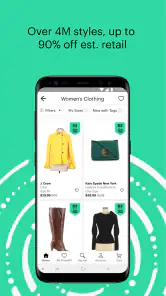
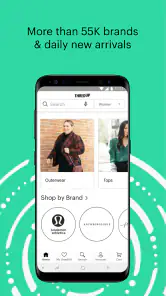
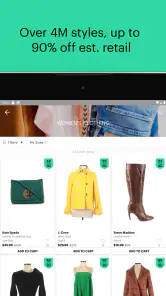
Once you dive into the app, the first thing you notice is its user-friendly interface. It’s like window shopping, but from the comfort of your couch. You can browse through thousands of items with ease, thanks to the app’s intuitive design. Whether you’re looking for a vintage dress, a chic handbag, or stylish shoes, thredUP’s extensive collection has got you covered. I especially love the filter options that let you sort by size, brand, and even condition, making it super easy to find exactly what you’re looking for.
More From Our News Desk

Weather by Xiaomi Review: Clear at a Glance, Less Clear Up Close

X Under Pressure: Can It Recover When Posting Goes Wrong?

Clash of Clans Is Won Between the Battles

Android Auto Makes the Case for Quieter Car Software

MobiOffice: Transforming Mobile Productivity with Seamless Integration

EA SPORTS FC™ Mobile Soccer: Redefining Mobile Sports Gaming
When browsing beats a quick search
The strongest fit, in my view, is a shopper who likes discovery: someone building a work wardrobe, looking for children’s clothes, or comparing styles across brands without needing everything to be new. A realistic way to use it is to browse during a quiet moment, filter to your size and a garment type, and save promising possibilities mentally or in your own notes before deciding. That pause matters: it makes it easier to judge whether a second-hand find fills a real gap instead of becoming another impulse purchase.
For example, if I had a few minutes while waiting for a child’s activity to finish, I could search for a jacket in the right size, then compare a handful of options instead of trying to make a decision from the first result. I’d look for the listing that seems most wearable in everyday life, not merely the most eye-catching one. If nothing fits the need, I can leave without buying; the app is more rewarding when I treat browsing as a way to find possibilities, not a task that must end in checkout.
Compared with buying new from a brand’s own store, the appeal here is the chance to encounter pre-owned pieces and potentially spend less, balanced against less predictable selection. Compared with local thrift shops, an app lets you browse from home and apply filters, while an in-person visit lets you inspect fabric and fit directly. Neither route wins for every shopper. If trying clothes on before paying is essential to you, a physical shop may feel more reassuring.
Sustainability at Its Core
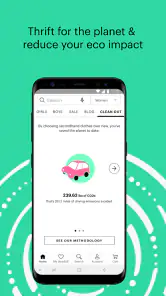
One of the standout features of thredUP is its commitment to sustainability. By shopping second-hand, you’re giving clothes a second life, and that’s something we should all be on board with. The app even provides statistics on how much water and energy you save by choosing second-hand over new, which is a neat touch for the eco-conscious shopper.
I see that information as a helpful nudge, not a reason to buy something I don’t need. The most meaningful choice is still whether the garment will be worn and cared for; a second-hand purchase only makes sense for me when it fills a real role in my wardrobe. If I’m browsing with that in mind, the environmental angle supports a practical decision rather than turning into a vague promise that every purchase is automatically a good one.
There’s also a difference between shopping second-hand and shopping without a plan. If I already have several similar tops, finding another at a lower price does not solve a wardrobe problem. I’d use the app to look for a missing layer, a replacement for a well-worn item, or clothes a child can use, then pause before checkout to make sure the choice is still useful outside the moment of browsing.
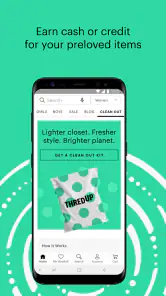
Moreover, thredUP offers a Clean Out Kit, which allows you to send in your own clothes for resale. This not only helps you declutter your closet but also contributes to the circular economy. It’s a win-win!
Think through the selling side
The Clean Out Kit makes the app relevant even when you’re clearing space rather than shopping. I’d treat it as a convenient route to pass clothes along, not as a guaranteed way to earn a particular amount: resale depends on what you send and what can be sold. Before packing anything, I’d sort out pieces I’m genuinely ready to part with and check the kit’s current instructions in the app, rather than assuming every item will be accepted or sold.
A useful way to approach a closet clear-out is to make separate piles: items I’m ready to send, items I still wear, and items I’d rather give away another way. That keeps the decision about resale from becoming a reason to hold onto things indefinitely. I’d also avoid treating the process like a quick sale; if my main need is to empty a closet today, a donation or local handoff may be more straightforward.
That trade-off is important if your priority is getting the highest return or selling quickly. A direct person-to-person marketplace may suit someone prepared to photograph, describe, and manage individual listings; a donation route may be simpler when earning money is not the goal. thredUP’s appeal is that it offers a resale path within the same shopping destination, but convenience and certainty are not the same thing.
Deals and Discounts Galore
If you’re a bargain hunter like me, you’ll appreciate the frequent discounts and deals offered on the app. There are always sales going on, and you can often find high-end brands at a fraction of the original price. I snagged a designer coat for less than half its retail value during one of their flash sales, and believe me, it felt like I hit the jackpot!
Plus, thredUP has a rewards program that lets you earn points with every purchase. These points can be redeemed for discounts, which is a sweet bonus for regular shoppers.
Judge the whole purchase, not just the deal
A low displayed price can make a listing feel irresistible, but I’d still compare its condition and usefulness with what I already own. For a less familiar brand, check the listing details carefully and think about how you’ll wear the piece; a bargain that stays in the closet is not much of a saving. On a first order, I’d choose items I can imagine wearing in several situations rather than building a cart around one risky statement piece.
When I’m unsure about fit, I’d avoid making a whole order depend on one unfamiliar cut. Comparing listing details across a few options can help me choose with more confidence, but it cannot replace trying a garment on. That is the central online-thrift trade-off: filtering saves time, yet I still need to accept some uncertainty about how a pre-owned item will work once it arrives.
Rewards and sale offers are most useful if you already expect to shop. I wouldn’t buy extra just to collect points, and I’d check the final order details before paying so the total is clear. That’s a sensible habit with any shopping app, but especially when browsing deals can make several small decisions feel cheaper than they are.
If I’m comparing options, I’d judge the full decision rather than the discount alone: do I need the item, is its condition suitable, and can I see myself wearing it often? A new garment from a regular retailer may be the better choice when I need a consistent size range or a matching piece that is easy to replace. A second-hand find is more compelling when I’m open to variation and the specific item offers something I’ll genuinely use.
Who should choose another route?
I’d skip thredUP if I need a guaranteed match, want to inspect every item in person, or prefer buying directly from a maker with a predictable range of new stock. It may also be less satisfying if scrolling through changing second-hand options feels like work rather than fun. For those shoppers, a conventional online clothing store or a local shop can be a better fit, even if the selection and trade-offs differ.
I’d also choose another route if I need to sell a specific piece quickly and want to control how it is presented. A person-to-person marketplace involves more work, but that effort can make sense when direct control matters more than having a single destination for browsing and resale. If I’m simply trying to pass along usable clothes with less personal listing work, the Clean Out Kit is the more relevant part of this app; if I want the simplest possible exit, donation may suit me better.
For parents shopping for children, the changing selection can be useful when the goal is to browse for clothes without insisting on one exact item. But if a child needs a particular garment for a set occasion or a specific uniform requirement, I’d prioritize a source where I can get the exact match with less searching. The same distinction applies to adults: the app can serve flexible wardrobe needs, while a tightly defined shopping list often favors a conventional store.
For everyone else, the most useful question is whether you’re happy to trade a little certainty for the chance to find a pre-owned piece that suits your taste. I’d start with one focused search, use the condition and size filters, and take time over the item details. That small routine makes browsing feel more deliberate and helps the app work as a shopping tool rather than an endless feed.
What to expect before making it a habit
It is free to download, but I’d still think of shopping costs separately from access to the app. A free app does not make every purchase a good value, so I’d compare the listing with my needs and review the final order details before deciding. That distinction answers a practical question many shoppers have: trying the app is low-commitment, while buying is still a decision that deserves the same care as any clothing order.
The app’s age rating is Everyone, and it has been available since July 20, 2012. It runs on Android 6.0 or later, which makes it an option for people using older compatible Android devices as well as newer ones. Those basics make it easy to consider, but the deciding factor is less technical than personal: whether browsing pre-owned women’s and kids’ clothes fits how you like to shop.
The current version is 7.1.0, and the developer is thredUP, Inc. Its 3.9 average from around 69,000 ratings and over 5 million installs suggest that many people have tried it, but I wouldn’t use popularity as a substitute for checking whether its shopping style matches mine. The roughly 30,000 written reviews also show that shoppers have plenty to say about their experiences; I’d read recent comments for context if a particular concern matters to me, while remembering that individual experiences can differ.
Final Thoughts
In a world where fast fashion dominates, thredUP: Online Thrift Store offers a refreshing alternative. It’s not just an app; it’s a movement towards more mindful consumption. With its vast selection, easy navigation, and commitment to sustainability, it’s no wonder this app has become a favorite among fashion enthusiasts.
So, if you’re looking to revamp your wardrobe without breaking the bank or the planet, give thredUP a try. It’s fashion with a conscience, and I promise you won’t be disappointed.
My recommendation is more measured: I’d try it if you enjoy second-hand discovery, want to shop women’s or kids’ clothing, or are interested in sending clothes on for resale. The app was released on July 20, 2012, and it remains a free option for shoppers on Android 6.0 or later. Its core idea is appealing, but the best experience comes from browsing with patience, checking each listing thoughtfully, and treating discounts as a bonus rather than the whole reason to buy.
thredUP: Online Thrift Store Frequently Asked Questions
What can I browse for in the thredUP app?
thredUP is a shopping app centered on pre-owned fashion, with women’s and kids’ clothing at its core. It brings browsing and selling together, so you can explore second-hand pieces or consider passing along clothes you no longer wear. If you are mainly looking for those categories, the app may be a useful place to start your thrift-shopping search.
Who can use thredUP, and is it suitable for younger shoppers?
The app is rated for Everyone, making it suitable for a general audience. Its shopping focus is women’s and kids’ clothing, which may appeal to adults shopping for themselves or for children. As with any shopping app, a parent or guardian can help younger users make choices and manage purchases. You can browse its second-hand fashion offerings before deciding whether they fit your needs.
Is thredUP free to download, and what kind of app is it?
thredUP is a free shopping app for browsing second-hand clothing and accessories. Its focus is women’s and kids’ clothes, and it brings buying and selling into one place. The app is suitable for a general audience, so it may be worth considering if you want to explore pre-owned fashion or pass along items you no longer wear.
What is thredUP and how does it work?
thredUP is an online thrift store where you can buy and sell second-hand clothing and accessories. Offering a wide range of brands at discounted prices, it focuses on sustainability by encouraging the reuse of garments. Users can shop for high-quality, gently-used clothing, or send in their own items to be sold. The app provides a platform to browse, purchase, and manage your sales all in one place, making it convenient for both buyers and sellers.
Is the clothing on thredUP authentic and in good condition?
Yes, thredUP ensures that all items listed on their platform are authentic and meet quality standards. Each piece undergoes a rigorous inspection process before being accepted for sale. They focus on offering gently-used clothing that is free from major defects, ensuring customers receive items that are in good, wearable condition. However, as with any second-hand store, it's important to review item descriptions and photos carefully before purchasing.
Pros
- Affordable prices for high-quality items.
- Wide variety of brands and styles available.
- User-friendly interface enhances shopping experience.
- Eco-friendly shopping option reduces waste.
- Frequent discounts and promotions.
Cons
- Limited availability in certain regions.
- Some items may not match online description.
- Return policy can be restrictive.
- Shipping can take longer than expected.
- Limited customer service hours.
- Category
- Shopping
- Version
- 7.1.0