Alibaba.com - B2B marketplace
- 51.80K
- 4.4
- Installs
- 500.00M
- Price
- Free

Screenshots
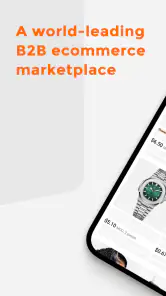
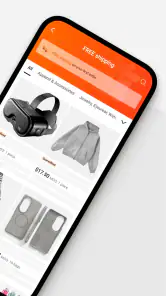
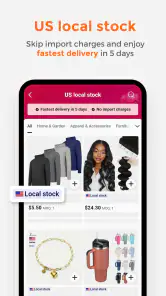
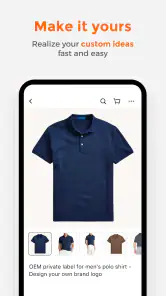

Analysis by Reviewed
My first-week impression of Alibaba.com is that it works best when I treat it as a sourcing tool, not as a regular shopping app. I can browse a wide range of business goods, compare supplier offers, and start conversations from my phone. That breadth is immediately appealing, especially if I’m testing a product idea or trying to find a supplier beyond the usual local options. The important adjustment is to shop with a clear brief: business marketplaces reward specific searches far more than casual scrolling.
Where the first-week appeal comes from
For a small retailer, a realistic first task might be sourcing packaging or comparing options for a new product line. I would write down the material, size, intended use, target order quantity, and any must-have requirements before searching. Then I’d compare several offers rather than treating the first promising result as a recommendation. That simple habit makes the app’s breadth more useful and helps keep a polished product page from doing all the persuading.
Alibaba.com is a free shopping app from Alibaba Mobile, and its business focus sets it apart from the consumer marketplaces most people use for one-off purchases. It is rated for Teen audiences, has an average rating of 4.4 from around 3 million ratings, and has passed 500 million installs. Those figures suggest wide adoption, but they don’t tell me whether a particular supplier, product, or order is a good fit. I still need to assess each deal on its own terms.
The Latest on Alibaba.com - B2B marketplace
A more useful first search
I find it helps to search by the job a product must do, then refine toward the details that actually affect the purchase. For example, if I’m looking for packaging, the material and dimensions matter more than a dramatic product photo. I’d note which offers describe the same specification and which leave important points unclear. This turns browsing into a comparison exercise instead of a contest between attractive listings.
That approach is especially useful when I’m still shaping an idea. I can use the marketplace to see what kinds of supplier offers exist, but I wouldn’t mistake a broad search for evidence that a particular item is suitable or profitable. Before contacting anyone, I’d decide what information would change my mind: a different material, a particular order quantity, or a condition that affects how the product will be used.
A World of Opportunities
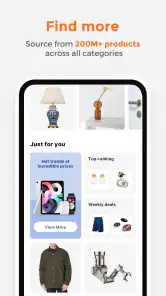
The first thing you'll notice about Alibaba.com is the sheer diversity of products available. From electronics to fashion, and machinery to consumer goods, it feels like an endless aisle of possibilities. The platform connects you with suppliers from around the globe, making it easy to explore international markets without leaving your desk. This vast network offers not just variety but also the potential for competitive pricing, helping you to scale your business efficiently.
User-Friendly Interface
One of the standout features of Alibaba.com is its user-friendly interface. Even if you're not tech-savvy, you'll find navigating this platform a breeze. The search functionality is robust, allowing you to filter by product categories, supplier location, and even minimum order quantity. Plus, the app offers a personalized experience with recommendations based on your previous searches and purchases, which can be a real time-saver.
More From Our News Desk

Android Auto Makes the Case for Quieter Car Software

MobiOffice: Transforming Mobile Productivity with Seamless Integration

EA SPORTS FC™ Mobile Soccer: Redefining Mobile Sports Gaming

How Microsoft OneDrive Became a Mobile Productivity Giant

How Google Translate Breaks Language Barriers Effortlessly

Why Google Sheets Is the Ultimate Mobile Productivity Tool
Trust and Security
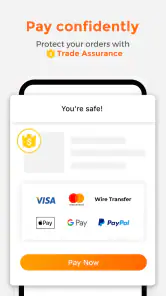
In the world of online marketplaces, trust is paramount. Alibaba.com understands this and has implemented several features to ensure safe transactions. The Trade Assurance program is a highlight, providing a layer of protection for your orders by safeguarding payments and ensuring timely delivery. Additionally, the platform offers verified supplier badges, giving you peace of mind when choosing who to do business with.
The communication tools on Alibaba.com also deserve a mention. The platform's messaging service allows for seamless interaction with suppliers, enabling you to negotiate terms or clarify product details with ease. This direct line of communication can enhance trust and transparency, making your transactions smoother.
Using conversations to judge the fit
I get more value from supplier messaging when I ask questions that lead to concrete answers: whether a sample is available, what the quoted order includes, and whether a requested specification can be met. I keep the answers alongside the product details so I can compare offers on the same basis. A quick, friendly reply is useful, but it is not proof that an order will match expectations; clear written terms matter more than conversational confidence.
That distinction is also why I would not use Alibaba.com as my first choice for a single household item I need quickly. Consumer shopping apps are usually simpler for small, immediate purchases, while this marketplace makes more sense when I can evaluate suppliers, plan quantities, and allow time to work through order details. If I’m unwilling to compare terms or follow up on uncertainties, the extra choice becomes work rather than a benefit.
Trust without switching off judgment
Trust tools can help me narrow the field, but I still read the offer carefully. I would check that the product description, specifications, quantity, and messages all refer to the same item before committing. I would also keep important questions and agreed details in the platform’s conversation rather than relying on a vague recollection later. This is a practical way to reduce misunderstandings, not a guarantee that every transaction will go smoothly.
For a first order, I’d prefer a manageable commitment over a large purchase made on optimism. A sample, where available, can help me judge a product before planning around it; if sampling is not a fit for the item or the supplier’s terms, I’d be especially careful about checking specifications and the full order conditions. The trade-off is time: a cautious process takes longer than tapping “buy” on a familiar consumer storefront, but that extra attention is part of sourcing responsibly.
Boosting Your Business
For those looking to expand, Alibaba.com isn’t just about buying. It’s a powerful tool for sellers too. If you’re a manufacturer or distributor, listing your products on this platform can open doors to international markets. The app provides analytics and insights that help you understand market trends and consumer behavior, enabling you to adapt and thrive in a competitive environment.
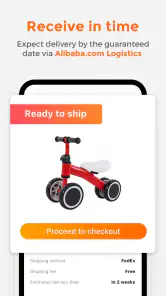
Moreover, the mobile app ensures that you’re not tied to your desk. You can manage your orders, communicate with suppliers, and even track shipments on the go. This flexibility is invaluable for busy entrepreneurs who need to stay connected at all times.
Making supplier comparisons practical
One non-obvious discipline I’d use is to compare like with like rather than ranking offers by the first number I see. I’d keep a short note for each candidate covering the exact specification, order quantity, included items, and any open questions. If two offers differ on several of those points, they are not yet a fair comparison. Asking a supplier to clarify one specific ambiguity is often more useful than sending a broad message asking for a better deal.
I’d also separate discovery from decision-making. A first pass can identify possible suppliers, while a second pass checks whether each one can meet the same brief. This prevents recommendations or a long list of search results from quietly expanding the project. The app is most useful when it helps me make a small number of better-informed choices, not when it keeps me browsing indefinitely.
Does it earn a place in the routine?
The app’s month-to-month value depends on whether sourcing is a recurring part of my work. If I regularly replenish stock, develop products, or compare suppliers, saved familiarity with my requirements and ongoing conversations can make it a useful working tool rather than a novelty. If I only need one purchase, its value may fade once that task is done. I’d keep a simple comparison note for each sourcing project—specifications, quoted terms, and unanswered questions—so I can pick up the process without starting from memory every time.
Maintenance is mostly attention, not technical effort: revisit the requirements when a product changes, check current offer details, and avoid assuming an old conversation settles a new order. Recommendations can help surface possibilities, but I would return to deliberate searches when the exact specification matters. That balance keeps browsing from turning into an endless feed of plausible but irrelevant products.
A realistic routine might be a shop owner checking stock needs at the start of a workday, reviewing a short list of potential replacements, and sending one focused question before deciding whether an offer deserves more time. The value is not that everything happens instantly; it is that the app keeps supplier discovery and communication accessible while I’m away from a desk. I’d still reserve time for careful review rather than making an important sourcing choice in a distracted moment between other tasks.
For a seller, the recurring value is different. The mobile access may help with routine order communication, while the broader marketplace can support efforts to reach business buyers. But listing products and responding to potential customers require ongoing work; simply having an app does not create a sales process. I’d choose it as part of a considered sourcing or selling routine, not as a substitute for knowing my margins, stock needs, or customer.
When the choice starts to feel tiring
The same scale that makes browsing attractive can also cause fatigue. Many similar-looking offers demand careful comparison, and price alone is a poor shortcut if quantities, specifications, or terms differ. I’d narrow the search before opening lots of product pages and keep only a small shortlist to compare. That is more manageable than treating every result as a serious candidate.
Another friction point is that a business purchase often involves decisions beyond the item itself. A supplier conversation, order size, delivery expectations, and product fit all affect whether an offer works for my needs. Trade Assurance and supplier badges can contribute reassurance, but they do not remove the need to read and ask. If I want a simple checkout with minimal research, an ordinary retail marketplace is likely the less demanding option.
Where another option may be better
For a single urgent purchase, I’d usually choose a familiar consumer retailer or a nearby shop. Those options are built around getting one item with less supplier comparison, which is often the right trade-off when speed and simplicity matter more than sourcing choice. For a business order, a local distributor can also be a better fit if I need to inspect the product directly or want a nearby point of contact. Alibaba.com’s advantage is broader supplier discovery, not the removal of every practical step.
I would also skip it if I cannot explain what I need clearly enough to compare offers. A broad category search can be a useful starting point, but an unclear brief makes it harder to judge whether two listings describe equivalent products. In that situation, I’d first define the intended use and essential specifications, or ask someone with product expertise to help. More browsing cannot compensate for not knowing what would make an offer suitable.
The app has been available since October 17, 2012, and version 25.17.0 supports Android 5.0 and later. For me, those details matter less than whether the current workflow suits my business, but they help identify the product and its compatibility. I would still judge its usefulness by the quality of my sourcing process, not by age or popularity alone.
Who I’d recommend it to
I’d recommend Alibaba.com to small businesses, makers, and product teams prepared to compare offers and communicate clearly with suppliers. It is particularly useful when a project involves multiple sourcing options or a repeat need, because the effort spent evaluating suppliers can pay off across more than one purchase. Sellers who want to explore access to business buyers may also find a reason to use it, provided they are ready to maintain their listings and respond consistently.
I’d skip it for urgent personal shopping, a one-off item where a local retailer is easier, or any situation where I cannot verify that the product and terms meet my needs. It is not the app I would open just to browse for entertainment; its strongest use is purposeful research. For a new buyer, starting with a narrow search and a short list is less overwhelming than trying to survey the whole marketplace.
My long-term verdict
What determines whether I keep using it is not the thrill of seeing a huge catalogue on day one; it is whether the marketplace helps me handle a real, repeating task. A small business with changing stock needs may return to it because supplier discovery and direct questions are part of the work. Someone who rarely sources goods may find that the learning and comparison effort outweigh the benefit after the first project. That is a sensible difference in fit, not a flaw that affects every user equally.
My practical advice is to treat each project as a small sourcing file: define the brief, shortlist a few plausible offers, record the answers that matter, and review the terms before making a commitment. That habit makes it easier to pick up a project later and reduces the temptation to confuse a confident listing with a verified match. The app can support that process, but the judgment and follow-through remain mine.
In conclusion, Alibaba.com is more than just a marketplace; it’s a comprehensive ecosystem designed to support your business growth. With its vast range of products, user-friendly design, and robust security features, it’s no wonder that it’s a favorite among entrepreneurs worldwide. Whether you’re buying or selling, this platform can be a game-changer for your business. So why wait? Dive into the world of Alibaba.com and watch your business soar!
Alibaba.com - B2B marketplace Frequently Asked Questions
Can I use Alibaba.com to find products from suppliers around the world?
Yes. Alibaba.com is a global B2B marketplace where suppliers can showcase products and buyers can explore sourcing options across borders. You can browse listings and contact suppliers to discuss what you need. Because products and terms vary by supplier, review each listing and clarify the details directly before making a purchase decision.
Do I need a business account to browse Alibaba.com?
Alibaba.com is built around business-to-business sourcing, but individual shoppers can explore the marketplace as well. Browsing products and contacting suppliers can help you understand what is available and whether the platform suits your plans. Keep in mind that listings and supplier conversations are generally geared toward business purchasing rather than the familiar checkout experience of a retail shopping app.
Can I contact suppliers directly through Alibaba.com?
The marketplace is designed to help buyers and suppliers connect, so communication is an important part of exploring products and discussing a potential order. You can ask suppliers about product details, order terms, and delivery arrangements before deciding whether to proceed. Clear, direct discussion can help you understand what a supplier offers and avoid mismatched expectations.
Is Alibaba.com free to download, and what devices can run the app?
Alibaba.com is a free shopping app from Alibaba Mobile, designed for businesses and buyers exploring wholesale products and suppliers. It is rated for Teen users and runs on Android devices with version 5.0 or later. Before downloading, check that your device meets this requirement and consider whether a business-focused marketplace suits the way you plan to shop.
Who is Alibaba.com intended for: individual shoppers or businesses?
Alibaba.com is primarily a B2B marketplace, so its main purpose is helping businesses and buyers connect with suppliers for sourcing products. Individuals can explore the marketplace too, but product listings and supplier discussions are generally oriented toward business purchasing. If you are looking for a conventional retail shopping experience, check product details and order terms carefully before deciding whether it fits your needs.
Pros
- Wide range of products available.
- User-friendly interface.
- Competitive pricing.
- Easy communication with suppliers.
- Secure payment options.
Cons
- Shipping can be slow.
- Some suppliers may not be reliable.
- Quality varies between suppliers.
- Occasional app glitches.
- Limited customer support.
- Category
- Shopping
- Version
- 25.17.0