Sincerely - Off My Chest
- 211.00
- 4.3
- Installs
- 100.00K
- Price
- Free

Screenshots
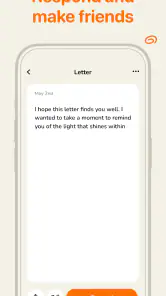
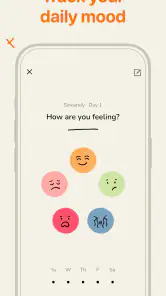
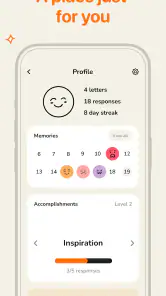
Analysis by Reviewed
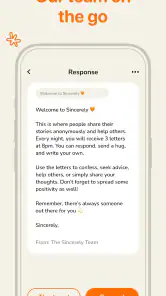
I opened Sincerely - Off My Chest expecting a simple place to read anonymous stories, but the experience is more interesting than that short description suggests. It is a social app built around personal writing rather than profiles, public timelines, or polished updates. The appeal is immediate: you can share something difficult to say openly, browse other people’s experiences, and decide how much of yourself you want to reveal.
That focus also changes how I judge it. With a conventional social network, I usually care about discovery, messaging, notifications, and the quality of the feed. Here, the important questions are different. Does the app make it easy to write when a thought is fresh? Can I read without feeling pushed into endless scrolling? What happens when my connection is unstable while I am trying to post something personal? And does anonymity make the conversation more honest, or simply less accountable?
After spending time with it, my view is that this is best suited to people who want a low-pressure outlet for thoughts and stories, especially when they are not looking for a traditional audience. It is less convincing for anyone who wants dependable private journaling, deep one-to-one support, or a social space with strong identity and accountability. The anonymous format is both its main strength and its biggest limitation.
How the anonymous format feels in everyday use
Writing when the thought is still fresh
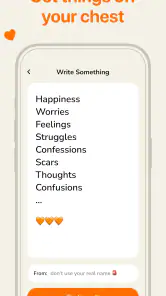
The strongest use case is a small, emotionally loaded moment that you do not want to turn into a conversation with friends. Maybe you had an uncomfortable exchange at work, are carrying an awkward family problem, or simply want to describe a worry without attaching your name to it. Sincerely gives that thought a social destination instead of leaving it trapped in a notes app.
I found the distinction from ordinary journaling important. A private note is useful because it belongs entirely to me. An anonymous story is useful because someone else may recognize the feeling. That possibility adds motivation to write, but it also changes the emotional risk. Even without a visible identity, I still have to decide whether the details make me recognizable.
My practical advice is to write the first version as if it were private, then edit it before posting. Remove names, workplaces, locations, unusual dates, and combinations of details that could identify another person or you. Anonymity is not the same as invisibility. The app’s concept encourages openness, but responsible editing remains the user’s job.
Reading without the usual social pressure
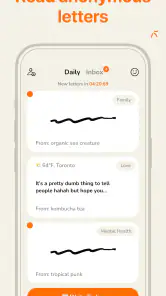
Reading anonymous stories feels quieter than browsing a standard social feed. There is less emphasis on building a personal brand, and the material is more likely to be reflective, confessional, or emotionally direct. I appreciated that difference when I wanted to read for a few minutes without comparing lifestyles or deciding whether to react publicly as myself.
More From Our News Desk

Clash of Clans Is Won Between the Battles

Android Auto Makes the Case for Quieter Car Software

MobiOffice: Transforming Mobile Productivity with Seamless Integration

EA SPORTS FC™ Mobile Soccer: Redefining Mobile Sports Gaming

How Microsoft OneDrive Became a Mobile Productivity Giant

How Google Translate Breaks Language Barriers Effortlessly
Still, anonymous content can be unpredictable. One post may feel comforting because it puts a familiar experience into words; the next may be repetitive, exaggerated, or simply too heavy for the moment. That makes the app more dependent on my mood than a general-purpose social network. I would not open it automatically when I need a light distraction.
The best way to use it is intentionally. If I have a few spare minutes and want human stories, it can feel unusually personal. If I am already anxious, tired, or emotionally raw, I would choose a more controlled activity instead. The lack of public identity reduces social performance, but it does not remove the emotional effect of what I read.
Where connectivity becomes part of the experience
Because the app revolves around reading and writing shared stories, the quality of the connection matters at several points. A weak signal can interrupt the flow just when I am opening a post, moving through the feed, or trying to submit something I have carefully written. That is more frustrating here than in a casual entertainment app because the content is often tied to a particular emotional moment.
I would treat Sincerely as a connected social experience rather than assuming it will behave like a standalone journal. If I am on a train, in a crowded building, or switching between mobile data and Wi-Fi, I prefer to draft important thoughts elsewhere first and then paste or re-create them in the app when the connection feels stable. That small habit protects the writing I care about and avoids turning a vulnerable moment into a technical annoyance.
The same consideration applies to reading. A reliable connection makes the experience feel immediate, while an unstable one can break the rhythm and make the app seem less responsive than it may be under normal conditions. For quick browsing, that is tolerable. For a long, thoughtful session, I would use it where I know the network is dependable.
A realistic mobile scenario
Imagine finishing a difficult conversation during a lunch break. You have twenty minutes before returning to work, but you do not want to call a friend or leave a revealing note in a shared environment. Sincerely can give you a place to describe what happened anonymously, read similar experiences, and regain a little perspective before going back to your day.
That scenario shows both sides of the app. It is convenient because the phone is already with you and the writing can be direct. It is also a poor moment for an unreliable connection, because losing a post after finally deciding to share it could make the situation feel worse. I would write the story in a separate text field first, remove identifying details, and only then publish it through the app.
Who benefits most from the format
I think it works particularly well for people who enjoy reflective social content but dislike the identity management of mainstream platforms. You do not need to maintain a polished profile or explain every thought to people who already know you. That makes the barrier to participation lower for shy users, private people, and anyone testing whether sharing a certain experience feels helpful.
It can also suit readers who want reassurance that their reaction is not unique. Anonymous stories often create a sense of recognition that a generic motivational post cannot. The value is not necessarily in receiving an answer; sometimes seeing a similar situation described clearly is enough to make a problem feel less isolated.
However, I would not treat it as a replacement for professional care, emergency help, or a trusted personal relationship. A community of strangers may offer empathy, but it cannot reliably understand the full context of a serious situation. If I needed qualified guidance or immediate support, I would use a service designed for that purpose instead of relying on anonymous reactions.
How it differs from familiar alternatives
Compared with a private notes app, Sincerely offers the possibility of being understood by strangers, but gives up control over where the writing goes and how it may be received. Compared with a conventional social network, it removes much of the pressure to perform an identity, while also reducing accountability and continuity between conversations. Compared with a messaging app, it is better for expressing something without choosing a specific recipient, but worse when I need a dependable, personal response.
That trade-off is the central design decision. If my priority is preserving a record of my feelings, a journal is the better tool. If I want a known person to respond, direct messaging is more appropriate. If I want broad public discussion with recognizable contributors, a normal social platform may suit me more. Sincerely occupies the middle ground: personal enough to feel meaningful, public enough to invite outside reactions, and anonymous enough to lower the fear of being judged by people in my life.
What I would check before posting
I would ask myself three questions. Could someone identify the people involved from the details? Am I posting because I genuinely want to share, or because I am hoping strangers will settle an argument? And would I be comfortable with the story being read outside the emotional moment that inspired it?
Those questions are not unnecessary caution; they improve the quality of the experience. Anonymous writing can become more honest when it is less specific about identities and more precise about feelings, choices, and consequences. Instead of writing, “My manager at a particular shop did this on a certain day,” I would focus on what happened and why it affected me. That produces a stronger story while protecting privacy.
Handling interruptions, failed posts, and recovery
Any app that asks me to write something personal needs a sensible recovery habit. If a post does not go through, I do not want to reconstruct it from memory. The safest workflow is to compose longer stories in a temporary note first, then paste the finished version into Sincerely. I also avoid switching networks halfway through submission and wait until the app visibly finishes before closing it.
This approach is especially useful for longer writing, but it also helps with short posts that took emotional effort. A failed upload is not merely lost text; it can interrupt the willingness to share at all. Drafting outside the app adds one extra step, yet I consider that a worthwhile trade-off whenever the story matters.
When a connection drops while I am reading, I simply pause rather than repeatedly tapping buttons. Retrying too quickly can create confusion about whether an action worked. I prefer to check the screen, restore a stable connection, and continue only when the app responds normally. That is ordinary mobile discipline, but it matters more when the app is being used during an emotionally sensitive moment.
I also recommend separating “I need to get this out” from “I am ready for other people to see it.” The first goal can be handled in a private draft. The second belongs in the app. Keeping those steps distinct makes failure less damaging and reduces impulsive posting.
Using it without wasting mobile data
Story-based social apps can consume more data than expected when I browse continuously, particularly if posts include media or if content refreshes as I move through it. I would use Wi-Fi for extended reading when possible and reserve mobile data for short checks. That is not a criticism unique to Sincerely; it is simply a sensible way to keep a content feed from becoming an invisible background expense.
My more important data-conscious habit is emotional rather than technical: I avoid opening the app repeatedly just to see whether anyone has reacted. That pattern can turn a reflective tool into a notification loop, even when the original intention was to share once and move on. I get more value when I decide in advance whether I am writing, reading, or checking responses.
On a limited data plan, I would keep sessions purposeful. Read a small selection, leave when the experience stops feeling useful, and write longer pieces in another editor before returning to publish. This also makes the app easier to use in places where the connection is present but inconsistent.
Age, tone, and emotional boundaries
The mature rating is meaningful here because anonymous confession naturally attracts subjects and language that are not suitable for younger users. I would not install it on a child’s device or recommend it as a general family social app. Adults should also remember that mature does not mean every post will be thoughtful, accurate, or emotionally safe.
For my own use, I would set a boundary around sensitive topics. If a story starts making me feel worse rather than understood, I would leave instead of trying to read through the discomfort. The app can encourage empathy, but it cannot guarantee that every anonymous contribution will be constructive. That is part of the cost of an open, identity-light format.
Practical details and value
Sincerely is free to install, which makes trying the basic experience straightforward. The listing also shows optional in-app purchases ranging from around eight dollars to around forty-six dollars per item. I would not decide whether it is worthwhile based on the existence of those purchases alone; I would first see whether the free experience fits my habits and whether any paid option solves a problem I actually have.
The app comes from MWM - AI Music and Creative Apps, and its current version is 1.91.00. It supports Android 7.0 and later, so compatibility should be comfortable for many older Android phones, although the quality of the experience will still depend on the device, connection, and how smoothly it handles a live social feed.
Its average rating is 4.3 from around 1.5 thousand ratings, with over two hundred written reviews and more than one hundred thousand installs. Those figures suggest a real audience and generally positive reception, but I would read them as a starting signal rather than proof that the app suits everyone. Anonymous social products are especially personal: one person’s feeling of freedom can be another person’s feeling of uncertainty.
Where I would draw the line
I would skip Sincerely if I wanted a carefully organized personal archive, guaranteed privacy, or expert moderation as the main purpose. I would also avoid depending on it for urgent emotional support. The app’s strength is expression among strangers, not structured care or long-term relationship building.
I would be cautious if anonymous replies tend to affect my mood strongly. Without stable identities, it is harder to judge someone’s background, intentions, or consistency. A kind response may feel powerful, but a careless one can also linger. Users who prefer clear accountability may feel more comfortable in communities where people have persistent profiles and visible histories.
For everyone else, the app makes sense when the goal is modest and clear: write honestly, read selectively, and leave with a little more perspective. Its connected nature means I would not use it as my only place to compose important thoughts, and its mature anonymous environment calls for good judgment. Those are manageable limitations if I approach it deliberately.
My connectivity verdict
Sincerely - Off My Chest works best when a stable connection supports a focused, short session: I open it to share a carefully edited thought or read a few stories that help me feel less alone. The network is not just a technical background detail because interruptions can affect writing, posting, and the emotional rhythm of reading. I therefore keep drafts separate, avoid unnecessary refreshing, and use mobile data selectively.
My final recommendation is positive but specific. Choose it if anonymous expression and recognition from strangers sound more useful than a private diary or a conventional social profile. Skip it if you need dependable professional support, strong identity-based accountability, or a fully controlled record of your writing. Used with privacy awareness and realistic expectations, it offers a distinctive social outlet rather than another generic feed.
Sincerely - Off My Chest Frequently Asked Questions
Is Sincerely - Off My Chest suitable for younger users?
Sincerely - Off My Chest is rated Mature 17+, so it is intended for adults rather than children or younger teens. Its focus on anonymous stories and candid personal expression may involve sensitive subjects or emotionally difficult experiences. If you are considering it for someone else, check the age rating and discuss whether this kind of social space is appropriate for them.
What does Sincerely - Off My Chest let users do?
Sincerely - Off My Chest is a social app for reading and writing anonymous stories. It may appeal to people who want to put personal thoughts into words or read experiences shared by others. Its central idea is straightforward: a place for candid expression. As with any social app, consider how you feel about sharing personal writing and interacting with content from other users before installing.
What is Sincerely - Off My Chest?
Sincerely - Off My Chest is an app designed for expressing thoughts, feelings, and personal experiences in a private, low-pressure environment. It can be useful when you want to write something honestly without preparing a polished social media post or starting a direct conversation. Before downloading, users should review the app’s current privacy information and community guidelines to understand how entries are stored, shared, or moderated.
Is Sincerely - Off My Chest completely anonymous and private?
The app is intended to support personal and candid expression, but users should not automatically assume that every post or message is completely anonymous. Privacy can depend on the feature being used, account settings, device permissions, and the platform’s current policies. Avoid including passwords, financial details, full addresses, or other sensitive information, and read the official privacy policy carefully before sharing anything deeply personal.
Can I use Sincerely - Off My Chest to receive mental-health support?
Sincerely - Off My Chest may provide a way to release emotions and feel heard, but it should not be treated as a replacement for a licensed therapist, doctor, or emergency service. Responses from other users may be kind and helpful, but they are not necessarily professional or accurate. If you are in immediate danger or considering self-harm, contact local emergency services or a qualified crisis resource instead.
Pros
- Anonymity makes it easier to share sensitive thoughts openly.
- Simple interface keeps posting and browsing straightforward.
- Supportive replies can help users feel less alone.
- Topic-based browsing makes relevant posts easier to discover.
- Useful for journaling feelings without linking them to your identity.
Cons
- Anonymous spaces may attract trolls or insensitive responses.
- Posts can be emotionally heavy and affect your mood.
- Advice from strangers should not replace professional support.
- Privacy depends on the app’s policies and moderation practices.
- Smaller communities may mean limited replies on some posts.
- Category
- Social
- Version
- 1.91.00