Potty Whiz: Training App
- 593.00
- 4.2
- Installs
- 100.00K
- Price
- Free

Screenshots





Analysis by Reviewed
Potty training is one of those parenting jobs where good intentions can disappear after a few wet clothes, rushed mornings, and a child who suddenly refuses to sit on the toilet. Potty Whiz: Training App takes a focused approach: it turns the process into a guided routine rather than leaving parents to remember every step on their own. I found its biggest appeal in that sense of structure. It does not make potty training effortless, but it can make the day feel less improvised.
This is a free parenting app from Kidplay Technologies LLC, available for everyone to use, with optional in-app purchases ranging from $1.99 to $34.99 per item. It has an average rating of 4.2 from around 2.1 thousand ratings, and it has passed 100 thousand installs. Those figures suggest that it has found a real audience among families looking for a dedicated potty-training tool rather than a general parenting planner.
How Potty Whiz Fits Into Real Family Routines
The first week: helpful momentum, not instant magic
During the first week, the app’s main strength is psychological. Potty training often feels like a vague project: parents know the goal, but not always what to do next or how to keep the child interested. A dedicated app gives the process a visible shape. Instead of treating every accident as a setback, I found it more useful to treat each day as another chance to repeat the same basic habits.
That distinction matters. The store summary promises a child becoming a potty-trained whiz quickly, but I would not read that as a guarantee of speed. Children develop at different rates, and an app cannot replace readiness, patience, or a calm adult. What it can do is help parents turn reminders, encouragement, and small wins into a consistent routine.
For a family starting on a Saturday, a practical approach is to use the app as a prompt for regular check-ins rather than opening it every few minutes. Pair its guidance with predictable moments such as waking up, before leaving home, after meals, and before bed. The child still needs to learn bodily signals, but a repeating schedule gives those signals more opportunities to be noticed.
I also recommend deciding in advance how much attention the app will receive. If the parent spends more time managing the phone than watching the child, the tool has become a distraction. The most effective use is quick and purposeful: check what comes next, involve the child when appropriate, then put the device away.
Making the child part of the process
The best parenting tools do not merely organize adults; they help children understand what is happening. Potty Whiz works best when the parent presents it as a shared activity instead of a scoreboard used to judge performance. A child who feels watched or corrected after every attempt may resist, even when the routine itself is sensible.
One useful tactic is to let the child participate in the positive moments while the parent handles the practical record-keeping. Celebrate trying, sitting, telling an adult, and washing hands, not only successful toilet use. This separates effort from outcome and reduces the pressure that can make toilet training emotionally tiring.
Another practical insight is to use the app consistently across caregivers. If one parent follows a routine while a grandparent or babysitter uses completely different language and timing, the child receives mixed signals. I would agree on a few simple phrases and expectations before handing over care. The app can support consistency, but adults still need to coordinate outside it.
What changes after the novelty fades
The first few days are usually the easiest time to feel enthusiastic about any training app. The real test is whether it remains useful once the child has seen the same prompts repeatedly. In my view, Potty Whiz earns its place month to month only when it becomes a quiet support system rather than the center of the household’s attention.
That means using it selectively. During an active training phase, regular use may help keep everyone aligned. Once the child is having more successful days, the parent may need less frequent guidance and can shift toward occasional check-ins. Continuing every routine forever can make the process feel like a permanent project, so I would gradually reduce dependence as the child becomes more confident.
This gradual step-down is important because potty training has several stages that can be confused with one another. Daytime toilet use, communicating the need to go, staying dry during outings, and nighttime dryness are not always achieved together. I would avoid treating progress in one area as proof that every other area is complete. The app is most valuable when it helps the family notice what still needs practice without turning normal variation into failure.
For travel and childcare, the app can also serve as a reminder of the routine the family is trying to maintain. Before a long car ride or a visit to a new place, I would use the same basic sequence at home: toilet attempt, suitable clothing, spare clothes, and a calm explanation of what will happen. The phone is not the solution in that situation; preparation is. The app’s value is in helping the parent remember the preparation until it becomes automatic.
The maintenance burden for parents
Every routine app creates a small amount of work. Someone has to open it, interpret its guidance, encourage the child, and decide how much of the process to record or discuss. That burden is easy to underestimate when the app is new. If both parents are already exhausted, adding another daily task may create frustration instead of relief.
I would therefore assign one adult primary responsibility for checking the app, while keeping the other caregivers informed through a short verbal update. This avoids the common problem of several people assuming someone else handled the next step. It also prevents the child from receiving repeated prompts from multiple adults within a short period.
Parents should also resist turning the app into evidence in an argument. A missed attempt or accident is not a reason to say the child ignored the plan. Records and reminders are useful for spotting patterns, but they should not become a source of shame. The maintenance cost stays manageable when the app supports decisions rather than replacing parental judgment.
Another trade-off is the presence of optional purchases. The app itself is free, but individual in-app items cost between $1.99 and $34.99. I would explore the free experience first and decide whether a paid item solves a specific problem for your family. Buying simply because the child has lost interest can create a short burst of novelty without improving the underlying routine.
Where fatigue begins
Potty training is repetitive by nature, and repetition is where enthusiasm usually weakens. A child may enjoy the first few attempts at a new app, then stop caring about the phone. That does not necessarily mean the app has failed; it may mean the child has learned the presentation and now needs real-world practice more than digital encouragement.
Parents can also become tired of prompting. If every bathroom visit turns into a negotiation, the app may feel like another voice in the conversation. In that situation, I would simplify the routine rather than increase the number of reminders. Choose a few predictable times, keep the language neutral, and allow the child some control over clothing and timing where possible.
There is a subtle danger in chasing visible progress. A child may perform well when an adult is nearby but struggle at preschool, during play, or in an unfamiliar bathroom. The app cannot remove those transitions. To build lasting independence, I would deliberately practice without the phone: ask the child to notice the body signal, find the bathroom, manage clothing, and wash hands with only the amount of help genuinely needed.
Families should also know when a digital routine is not the right answer. If the child is distressed, withholding stool, experiencing pain, or showing persistent difficulty, an app should not be used as a substitute for professional advice. The same applies when caregivers disagree strongly about the approach. In those cases, resolving the health or family issue matters more than maintaining a streak of app use.
Comparison with familiar alternatives
The usual alternatives are a printed chart on the refrigerator, a parent-created schedule, children’s books, or advice from a pediatric professional. A paper chart is cheaper and easier for a child to see without a screen, while a book can make the subject feel less like a performance task. A homemade plan is also highly adaptable to a family’s schedule.
Potty Whiz has an advantage over those options when the parent wants one dedicated place to return to during a busy day. It is more convenient than building a complete system from scratch, particularly for a first-time parent who is unsure how to organize the early stage. Its weakness is that digital motivation can become stale, and it may encourage adults to focus on the app instead of the child’s actual behavior.
I would choose a paper chart when the child enjoys stickers and the family wants the bathroom routine to be visible without handing over a phone. I would choose a book when the main challenge is fear or unfamiliarity. I would choose professional guidance when there are physical symptoms, major anxiety, or no clear progress despite a calm and consistent approach. Potty Whiz is best in the middle: a practical organizer for ordinary training, not a diagnostic tool or a replacement for personal support.
Who will get lasting value from it?
This app is a good fit for parents who want a dedicated companion during the active training period and who appreciate having prompts or guidance gathered in one place. It may be especially useful when several caregivers share responsibility, when daily schedules are unpredictable, or when the parent feels unsure about how to maintain consistency without becoming overly strict.
It is less suitable for families that prefer completely screen-free routines, already have a reliable paper system, or expect an app to make the child cooperate independently. It is also not ideal for parents who dislike recurring digital prompts or who are likely to measure success only through visible app activity. The child’s readiness and the adults’ patience will always matter more than the tool.
The current version is 5.3.74, and the app has been available since January 5, 2020. That gives it the feel of an established parenting utility rather than a brand-new experiment. Still, longevity alone does not mean every family needs to use it continuously. Potty training is a temporary developmental stage, so the most sensible long-term relationship with the app may be intensive use for a while, followed by a deliberate retreat.
My long-term verdict
After the first-week excitement fades, Potty Whiz remains useful when I treat it as a framework for adult consistency, not as a magic button for child behavior. Its lasting value comes from reducing guesswork, supporting a repeatable routine, and giving parents a dedicated place to focus their attention. Those benefits are real, but they depend on using the app lightly enough that family interaction remains more important than screen interaction.
The free entry point makes it reasonable to try, while the optional purchases deserve a little caution because the prices vary considerably by item. I would not buy anything until I knew exactly which part of the routine needed extra help. A child who is simply bored may need a change in the real-world activity, not another digital reward.
My recommendation is positive but measured: try it during the active phase, establish a few dependable bathroom moments, involve all caregivers, and reduce app dependence as the child gains independence. The strongest result comes from turning the app into a temporary training wheel, then taking it away when the child no longer needs it. For families wanting a focused parenting aid, it deserves a place in the toolkit; for families already succeeding with a simple chart or calm routine, it may be useful without being essential.
Pros
- Simple visual routines help children understand each potty-training step.
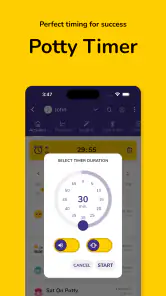
- Custom reminders can support consistent bathroom habits throughout the day.
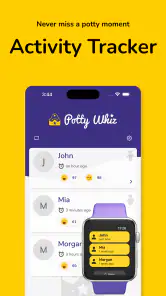
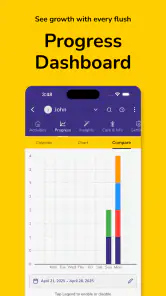
- Progress tracking gives parents a clear view of completed training activities.
- Child-friendly rewards may encourage participation without relying on pressure.
- Useful for keeping caregivers aligned with the same training approach.
Cons
- Some children may lose interest if the activities feel repetitive over time.
- Personalized schedules may require frequent adjustment as routines change.
- The app cannot replace guidance for pain
- accidents
- or possible health issues.
- Reward systems may not suit families avoiding digital incentives during training.
- Features may be less useful for children who respond better to hands-on coaching.

- Category
- Parenting
- Version
- 5.3.74