Mercari Japan: Anime Shopping
- 35.00
- 4.1
- Installs
- 500.00K
- Price
- Free

Screenshots

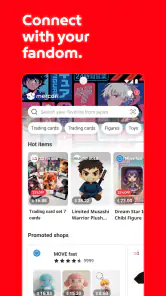
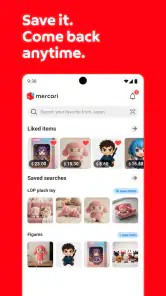
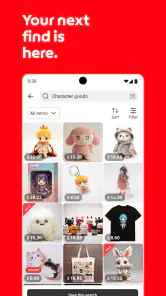
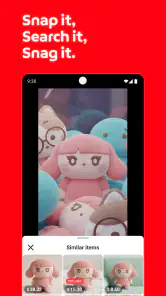
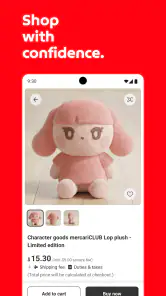

Analysis by Reviewed
I found Mercari Japan most useful as a focused shopping window for people who already know what they want from Japan’s resale market. It is not simply another general marketplace for clearing out household items. Its appeal is the chance to look for anime collectibles, trading cards, idol merchandise, and other hard-to-find goods that may be difficult to locate through ordinary local shopping apps. I tested it with the mindset of someone deciding whether it belongs on a shared phone, a personal device, or a household shopping routine, and that distinction matters more than I expected.
The app is free to install, belongs to the Shopping category, and is developed by Mercari, Inc. Its store identity is straightforward: Mercari Japan is aimed at browsing goods from Japan’s largest marketplace, with particular interest for collectors and fans of Japanese pop culture. It has an average rating of 4.1 from around 2,000 ratings and has passed 500,000 installs, so it has enough public use to feel established without being a universal shopping app used by everyone.
How Mercari Japan fits into a shared household
A realistic use case is a household where one person collects anime figures while another follows idol groups or trading-card releases. Instead of passing one phone around and losing track of searches, each person can use the app separately on their own device and discuss promising listings together. I found that arrangement much more comfortable than treating the marketplace as a communal catalogue, because personal search habits and saved interests can quickly become mixed when several people use one account or one screen.
The app works best when the household agrees on its purpose before browsing. One person might use it to hunt for a specific card, another to compare idol goods, and a parent or partner might simply help check whether an item looks genuine and fairly described. That makes the experience collaborative without pretending that the app itself manages family shopping. The useful boundary is human: decide who is browsing, who is evaluating the purchase, and who is responsible for the account activity before anyone starts tapping through listings.
I would not treat it like a shared entertainment app that everyone can open casually. Marketplace browsing can lead from one interesting listing to another, and the value of an item often depends on condition, completeness, rarity, and seller information. On a shared device, a younger household member could easily leave a search open or assume that placing an item in a cart means it has been approved. A short conversation about expectations prevents more trouble than any clever browsing habit.
Separate browsing from buying
My strongest household recommendation is to create a simple two-step routine: browse first, decide later. A collector can send or show a listing to the person who controls the purchase, then wait for a separate check of the item details. This is especially helpful for trading cards and character goods, where small differences in edition, condition, packaging, or included accessories can change whether the item is actually wanted.
That routine also makes the app easier for families who share a tablet or a phone. The device can be used for research without turning every interesting discovery into an immediate spending decision. I would keep the final account and checkout responsibility with one clearly identified adult, while allowing other household members to contribute searches and opinions. That is not a feature of Mercari Japan; it is simply the safest way I found to use a marketplace in a shared environment.
You May Like

Clash of Clans Is Won Between the Battles

Android Auto Makes the Case for Quieter Car Software

MobiOffice: Transforming Mobile Productivity with Seamless Integration

EA SPORTS FC™ Mobile Soccer: Redefining Mobile Sports Gaming

How Microsoft OneDrive Became a Mobile Productivity Giant

How Google Translate Breaks Language Barriers Effortlessly
Another practical habit is to record the exact title or identifying details of a promising item before switching users. Marketplace listings can look similar, particularly when several sellers offer merchandise from the same series. A screenshot or written note can help the household return to the same item instead of relying on memory. I also recommend checking whether the listing is for a single piece, a set, or an accessory before comparing it with another result. Collectors already know this, but casual family shoppers can miss it when browsing quickly.
What the setup feels like
Mercari Japan is free, which makes trying it low-risk from an installation standpoint. The current version is 1.60.0, and it supports Android 8.0 or later. That older operating-system requirement is useful for households with a spare Android phone or an aging tablet, although the actual comfort of browsing will still depend on the device’s screen, keyboard, and general performance.
I would install it on the device used by the person who will actually manage shopping decisions rather than automatically placing it on every family phone. That keeps the marketplace role clear. If several people need to search, they can coordinate from their own devices, but I would avoid casually sharing login details or leaving an account active on a phone that many people use. Account boundaries are more important here than convenience because the app is connected to buying activity, not just passive content.
Before using it seriously, I would also decide how the household handles notifications, saved searches, and browsing history on the device. I am not presenting those as special family tools; they are ordinary account and device considerations. The point is that a shared phone can expose someone else’s interests or create confusion about who is signed in. If privacy between household members matters, a personal device is the cleaner choice.
The age label is Mature 17+, so I would not hand the app to a child as an unsupervised shopping tool. A teenager who is interested in anime or idol goods may still enjoy helping with searches, but an adult should remain involved in account use and purchasing decisions. The age context is a useful reminder that collectible shopping involves money, seller judgment, and account responsibility even when the products themselves are harmless fandom items.
Coordinating a search without wasting time
The app becomes more valuable when the shopper begins with a precise target. Instead of searching only for a broad franchise name, I would note the character, group, product type, and any identifying version information first. For example, a household member looking for an idol acrylic stand should decide whether they want a specific event design, a complete set, or any item featuring that person. This reduces the number of attractive but unsuitable results and makes it easier for another family member to review the shortlist.
For trading cards, I would use a stricter checklist. Confirm the character or player, card name, language or edition details where relevant, visible condition, and whether the listing shows the front and back clearly. A low-looking price is not automatically a good deal if the card is damaged or if the listing is for only one part of a pictured group. Mercari Japan is useful for discovery, but it does not remove the collector’s responsibility to inspect what is actually being offered.
For anime and idol goods, completeness can matter just as much as appearance. A figure may be shown with accessories, a set may be pictured together, or packaging may be visible without being included. I found it helpful to read the full listing text rather than judging from the first image. When another person in the household is helping, ask them to check a different aspect: one person verifies the item identity, another checks condition, and the account holder makes the final decision.
This division of work is one of the app’s best household use cases. It turns browsing into a small research task rather than a race to tap the most appealing picture. It is also a good way to include someone who is not a collector. A partner or parent who does not recognize every character can still help compare descriptions, spot missing details, and question whether the listing matches the original request.
I would also avoid treating search results as a complete market comparison. Mercari Japan gives access to a large resale environment, but a household may still want to compare a listing with a specialist anime retailer, an official store, or another established marketplace. A resale listing can be the better option for discontinued goods, while a conventional retailer may be preferable when authenticity, warranty, sealed packaging, or a predictable condition matters more than rarity.
Trust, age, and the collector’s mindset
The Mature 17+ rating makes sense in the context of an account-based marketplace. The important issue is not that every item is adult-oriented; it is that shopping requires judgment about money, sellers, descriptions, and personal responsibility. I would explain that distinction to a younger user rather than simply saying the app is off-limits without context. They can help identify merchandise, but the adult should control the account and decide whether a purchase is suitable.
Trust also needs to be discussed between household members. If one person searches and another pays, both should agree on the budget and on what counts as an acceptable condition. Collectors can be more tolerant of opened packaging or minor wear than casual gift buyers, while someone purchasing a present may need a cleaner presentation. The app cannot resolve that disagreement for you, so the household should settle it before comparing listings.
I would be particularly careful with impulse buying after a long browsing session. Rare-looking goods create urgency, and a shared device can make that urgency contagious: one person discovers an item, another encourages the purchase, and nobody pauses to check whether it is already owned. A short household inventory, even a basic note on a phone, can prevent duplicate purchases of cards, badges, or character goods.
For gifts, I would keep the recipient out of the final browsing session if the device is shared. Search suggestions, recently viewed products, or open listing pages could spoil the surprise. More importantly, the person buying should confirm the recipient’s exact preference rather than relying on a broad series name. Mercari Japan is strongest when the buyer is comfortable researching details, not when someone needs a guaranteed, no-thinking gift choice.
Where it beats ordinary shopping apps
The clearest advantage is access to a resale-oriented selection that can include older or less common Japanese fandom merchandise. A standard department-store shopping app may be easier for everyday goods, and a mainstream retailer may provide a smoother experience for new products. Mercari Japan is more interesting when the item is tied to a specific character, idol, card, event, or collection and may no longer be sitting on a normal retail shelf.
That strength comes with a trade-off. General shopping apps usually make it easier to compare identical products, understand standard condition, and predict what will arrive. On a resale marketplace, two listings for apparently similar goods may differ in wear, completeness, packaging, or seller description. I prefer Mercari Japan for the search phase of a collector’s purchase, but I would not automatically choose it for a time-sensitive present or a buyer who wants a uniform retail experience.
The app also makes more sense for people who understand the difference between finding an item and verifying an item. A newcomer may enjoy the discovery process, but the marketplace rewards patience. If you want one official product, a fixed price, and minimal interpretation, another shopping route may be better. If you want to explore possibilities and are willing to inspect individual listings, this app offers a more distinctive catalogue.
Its store summary highlights rare ACGE goods, trading cards, and idol merchandise from Japan, and that focus gives the app a clear identity. I would not install it expecting a broad replacement for every shopping need. Its value is narrower and more personal: it is a tool for fandom-driven searches, especially when ordinary local options feel repetitive or incomplete.
Small habits that make browsing better
My first tip is to search in layers. Begin with the exact item you want, then broaden only one detail at a time, such as character, series, or merchandise type. If you start with an enormous franchise name, you may spend more time scrolling than evaluating. Narrow searches are also easier to share with another person in the household because the reason for each result is obvious.
My second tip is to compare condition before price. A cheaper listing is not necessarily the better household purchase if it needs replacement parts, has visible damage, or lacks packaging that matters to the collector. I would place two or three candidates side by side and write down the differences rather than trusting the first attractive image. This is a simple workflow, but it prevents the common mistake of comparing prices for items that are not truly equivalent.
My third tip is to use a “why this one?” test before buying. The answer should be specific: it completes a set, features the preferred design, replaces a damaged item, or offers a discontinued piece. If the answer is only that it appeared first or looked rare, I would wait. That pause is particularly useful on a shared device, where enthusiasm from one person can make another person feel pressured to approve the purchase.
Finally, I would keep the final review separate from casual browsing. Return to the listing when everyone is calm, verify the exact item, check the condition again, and confirm who is paying. This makes the app feel less like an endless feed and more like a research tool. For collectors, that change in mindset can save both money and disappointment.
My household verdict
I recommend Mercari Japan to adult collectors and fandom-focused households that enjoy searching for anime goods, idol merchandise, and trading cards from Japan. Its free entry, focused catalogue, and resale character make it more compelling than a generic shopping app when the goal is to locate something specific or uncommon. I especially like it for shared decision-making, where one person searches and another helps inspect the details before the account holder commits.
I would skip it as a primary household shopping app if everyone wants a simple retail checkout, predictable product condition, or a broad catalogue of everyday goods. I would also avoid unsupervised use by children because of the Mature 17+ context and the responsibility attached to marketplace accounts. A personal device and a clearly assigned adult account holder are the sensible arrangement.
After using it, my view is that the app’s real strength is not convenience in the usual one-click-shopping sense. It is the opportunity to search patiently through a Japanese resale marketplace and find merchandise that ordinary stores may not carry. Use it as a careful collector’s workspace, not as an impulse-buying feed. With clear household boundaries, a shared verification routine, and realistic expectations about resale listings, Mercari Japan can become a genuinely useful part of a fan’s shopping routine.
Mercari Japan: Anime Shopping Frequently Asked Questions
Is Mercari Japan: Anime Shopping free to download, and what devices can run it?
Mercari Japan: Anime Shopping is a free shopping app from Mercari, Inc. It is intended for devices running Android 8.0 or later, so check your device’s operating system before downloading. The app is rated Mature 17+, which is worth considering if you are choosing apps for a younger user. Its focus is buying and browsing marketplace listings, rather than playing a game or offering a subscription-based entertainment service.
What is Mercari Japan: Anime Shopping, and what can I buy there?
Mercari Japan is a Japanese marketplace where individuals list new and used items for sale, including anime figures, manga, trading cards, character goods, games, DVDs, cosplay accessories, and limited-edition merchandise. The selection changes constantly because listings come from private sellers. It is particularly useful for finding older, rare, or Japan-exclusive anime products that may be difficult to locate on international shopping platforms.
Can users outside Japan purchase items through Mercari Japan?
International purchasing is not always available directly through the standard Mercari Japan app. Buyers outside Japan commonly need an approved proxy-shopping or forwarding service that purchases the item locally, receives it in Japan, and then ships it overseas. Before downloading or ordering, check whether the service supports your country, because availability, account requirements, payment options, and shipping procedures can vary.
Is Mercari Japan available in English?
Mercari Japan is primarily designed for Japanese users, so much of the interface, seller communication, item descriptions, and marketplace information may appear in Japanese. Translation tools can help, but automatic translations may misunderstand condition details, abbreviations, or anime-specific terminology. Buyers should carefully review photos, descriptions, seller ratings, and translated text before committing to a purchase.
Are anime items on Mercari Japan authentic and in good condition?
Mercari Japan includes many genuine collectibles, but the marketplace is made up of individual sellers, so authenticity and condition can differ from listing to listing. Some products may be unopened, while others can show scratches, fading, missing parts, odors, or packaging damage. Always inspect photographs, read the complete description, check seller feedback, and ask questions through the supported process when important details are unclear.
Pros
- Excellent selection of Japanese anime and manga merchandise
- Useful search tools help find specific characters or series
- Buyer ratings provide extra confidence when choosing sellers
- Many listings include detailed photos and item descriptions
- Good place to discover rare or discontinued collectibles
Cons
- Most listings are written in Japanese
- International shipping may be limited or unavailable
- Item condition can vary significantly between sellers
- Popular collectibles may sell before you complete checkout
- Returns and dispute handling can be difficult across borders

- Category
- Shopping
- Version
- 1.60.0