Facetune: Hair, Photo Editor
- 13.22K
- 4.4
- Installs
- 50.00M
- Price
- Free

Screenshots
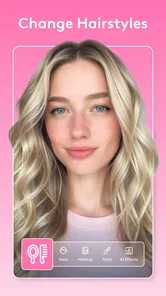
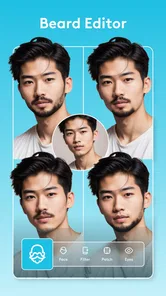
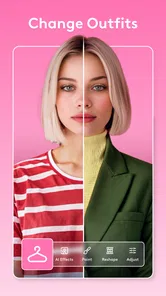
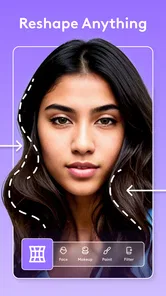
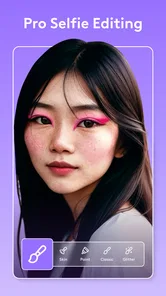
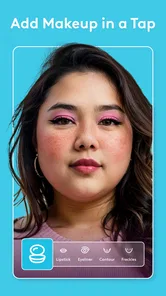
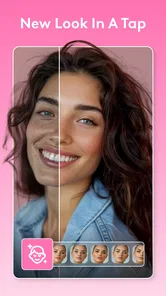
Analysis by Reviewed
When I want to see whether a portrait needs a small polish or a bigger change, I prefer an editor that lets me test ideas without turning the whole photo into a project. Facetune: Hair, Photo Editor is a photography app from Lightricks Ltd. built around portrait retouching and hair experiments. It is free to download, rated for Everyone, and its version 2.57.0-free supports Android 8.0 and later. The app has a 4.5 average from around 797,000 ratings, with over 50 million installs, so it is a well-established choice for people who edit selfies on their phones.
Start with one clear editing goal
My first question is not which tool to open, but what I want the picture to do. A profile portrait may need a small cleanup; a hairstyle preview may need no retouching at all. Separating those goals helps me judge whether a change actually improves the image instead of simply making it look more edited. I also choose the source photo with the intended result in mind: if I am testing hair color, I want the hair visible against its surroundings, while a quick portrait touch-up can work with a wider range of compositions.
That makes the app especially handy when I am deciding between a few looks before changing my appearance in real life. I can compare a subtle shade with the original portrait and decide whether the difference is worth pursuing. I would not treat a digital preview as a reliable forecast of a salon result, though. The image can suggest a direction, but real hair, lighting, and styling are not captured by a phone edit.
A practical starting workflow
I get the best results when I begin with the original image and decide on one goal before touching any controls: adjust a stray detail, soften a small skin distraction, or preview a different hair shade. That keeps the edit focused. I make a modest change, inspect the full image, then zoom in to check edges and texture. A result can look convincing close up but feel too strong at normal viewing size, so I always step back before saving or sharing.
For a hairstyle or color preview, I treat the result as a visual experiment rather than a promise of how a salon treatment will look. Lighting, shadows, and the way hair falls in the original portrait all affect the preview. A clear, evenly lit photo gives me a more useful comparison than a dim image with hair blending into the background. If the edge around the hair looks artificial, I would rather choose a subtler option than force a dramatic change.
Small adjustments, more believable portraits
The app’s appeal is its mix of hair editing and portrait retouching in one place. Rather than switching between a dedicated hairstyle simulator and a separate selfie editor, I can use it to explore a look and tidy the same portrait. That convenience suits quick personal edits. It is less compelling if I mainly need broad color correction, detailed layers, or a full desktop-style photo workflow.
Check the image, not just the control
A useful habit is to compare each adjustment with the unedited portrait before moving on. When several changes stack up, it becomes harder to remember which one made the image feel better and which one pushed it too far. I try to pause after each small edit, look at the whole face, and ask whether the photo still resembles the person in the source. This is particularly important when the retouching is subtle enough to seem harmless on its own: several subtle changes can add up to a noticeably different appearance.
More From Our News Desk

 Gmail
Gmail in a Busy Inbox: Who Benefits Most?
From first account to crowded workday, Gmail earns its place through dependable search and flexible sorting—but its best fit depends on how much inbox maintenance you can tolerate.

 Prime Video
Switching to Prime Video: What Changes in Your Viewing Routine
Prime Video can make a compelling second home for streaming, but switching means learning a different catalog, rental layer, and route from browsing to playback.

 Universal TV Remote Control
 Works Best as a Reliable Backup
A phone remote earns its place through quick setup and reliable habits. Here is how to get more from Universal TV Remote Control—and where its limits show.

 Weather - By Xiaomi
Weather by Xiaomi Review: Clear at a Glance, Less Clear Up Close
Xiaomi’s weather app makes everyday forecasts quick to scan, but its calm surface can leave useful details and recovery paths harder to find than they should be.

 X
X Under Pressure: Can It Recover When Posting Goes Wrong?
A resilience-focused review of X, examining setup, mistaken posts, interruptions, weak connections, and the gaps that matter when recovery needs to be dependable.

 Clash of Clans
 Is Won Between the Battles
Its raids are quick; its community is a long-term project of coordination, teaching, rivalry, and shared responsibility—with all the friction that entails.
Latest News



I also think about where the picture will be seen. A portrait used as a small profile image may make fine texture difficult to judge, while a photo viewed larger can reveal softened details or an uneven edge around hair. I check both the close view and the normal viewing size before I settle on an edit. This is a simple way to avoid spending time refining details that disappear when shared, or overlooking an artifact that becomes obvious on a larger screen.
Settings and habits that help
I recommend checking each change against the untouched photo as you work. Comparing before and after makes it easier to catch over-smoothing or a hair color that overwhelms the rest of the image. I also keep the source photo unchanged until I am satisfied, especially when the edit is meant for a profile picture or a work-related image. That way, I can try a bolder idea without losing the natural version I may prefer later.
For repeat edits, consistency matters more than using the strongest effect. I use a similar level of retouching across portraits intended for the same profile, then check them together rather than judging each one in isolation. A saved favorite look can help recreate a familiar style, but I still review it on every photo: different lighting and skin tones can make an identical treatment appear quite different.
Build a repeatable routine without overdoing it
For a small batch of portraits, I find it more reliable to decide on a visual standard first than to chase the same slider position in every image. I might aim for natural skin texture and a restrained color change, then make adjustments photo by photo until they meet that standard. Even when a favorite look is available, the lighting and camera angle can vary enough that applying it unchanged is not a guarantee of a consistent result. Reviewing the images side by side helps me spot one portrait that has drifted warmer, smoother, or more polished than the rest.
There is also a practical reason to make separate versions for different purposes. A playful hair experiment can be useful for a private comparison, while a work profile usually calls for edits that preserve a straightforward likeness. Keeping the purpose in mind prevents a fun preview from becoming the default version of a portrait. I would save or share only after checking that the chosen image suits its audience, rather than assuming one edit will work equally well everywhere.
Where it fits among photo editors
Facetune works best for people who often take portraits and want direct, approachable controls for small touch-ups or appearance experiments. A general-purpose editor may be a better fit if your priority is managing a large library, making precise adjustments across landscapes, or building complex composites. I would also skip this app if I want every edit to remain documentary-faithful; changing hair color or smoothing features can alter how a person is represented, even when the intention is simply a polished selfie.
Compared with a filter-first editor, this app is more useful when I want to work on a particular part of a portrait instead of applying one look to the whole frame. Compared with a full-featured photo editor, it feels more focused on appearance and less suited to broad image work. That distinction matters: if I am correcting the color of a landscape or combining elements into a composite, I would reach for a general editor. If I am checking how a small portrait adjustment changes the overall impression, Facetune is the more direct tool.
A realistic moment to use it
Imagine I take a new profile photo before a video call and notice one stray detail that distracts me, while also wondering whether a warmer hair shade would suit the image. I would start with the untouched portrait, preview the color on its own, and then decide whether any retouching is still needed. Looking at the result beside the original keeps the experiment grounded; if the color edge looks out of place, I can leave the hair as it is rather than trying to rescue the edit with more changes. The aim is a photo I recognize, not a more dramatic transformation.
That same approach works for choosing a picture to share with friends. I can make a restrained adjustment, view the whole image at the size it will likely appear, and stop once the distraction is gone. The stopping point is important. If I keep searching for more flaws, ordinary details can start to look like problems simply because I have been staring at the portrait too long.
Useful trade-offs before you commit
The app is free to start, with in-app purchases ranging from $0.99 to $199.99 per item. I would explore the tools I actually need before paying for anything, since a casual user may only want occasional touch-ups while someone who edits portraits regularly may value a broader set of options. The number of controls can also invite overworking a photo; having many ways to polish a face does not mean every image benefits from more polish.
For anyone deciding whether it is worth keeping installed, I would base that choice on how often portrait-specific edits come up. Someone who regularly tests hair looks or tidies selfies may appreciate having those jobs together. Someone who edits only now and then, or wants extensive control over every part of a photograph, may find a basic editor or a more general tool easier to justify. The free starting point makes it possible to explore before deciding whether the available paid options are relevant to your own routine.
Who will get the most from it
I would recommend it most to people who take portraits often, enjoy experimenting with their appearance, and want a phone-based way to make focused changes without learning a complex editing workflow. It can also help someone prepare a few profile-picture options, as long as they treat hair previews as ideas rather than exact simulations. The app is less suitable for photographers who need detailed control across varied subjects, or for anyone who would rather preserve every feature exactly as it appeared in the original.
It is also worth being honest about comfort and representation. A retouched photo may feel more polished to one person and less like them to another. I would keep the untouched image available and use the edited version only when it feels right, especially for professional or personal contexts where a realistic likeness matters. The point of a portrait tool is to help you make a choice, not to imply that a face needs correction.
Transform Your Look with a Swipe
One of the standout features of this app is its intuitive interface that allows you to experiment with a variety of hairstyles and colors. Imagine being able to try on a new look just like you would try on clothes. With the “Hair” feature, you can instantly see how different shades and styles suit you. It's like having a virtual salon in the palm of your hand!
Photo Editing at Its Finest
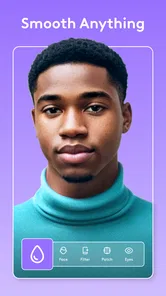
Beyond just hair transformations, the app offers a plethora of photo editing tools. Want to brighten your smile or smooth out skin imperfections? No problem! The app's advanced editing capabilities make it simple to enhance your photos without looking overly edited. The “Retouch” tool, for instance, is perfect for those quick fixes before sharing your photo with the world.
Easy to Use, Hard to Live Without
What I love about this app is how user-friendly it is. You don't need to be a tech wizard to navigate its features, which is a big plus for someone like me who just wants to click and go. The app guides you through each step, making the editing process feel like a breeze. Plus, the results look so natural that no one will guess you've used an app to get that perfect shot.
Another cool aspect is the app's ability to save your favorite looks, which means you can easily recreate them whenever you want. This feature comes in handy when you're trying to maintain consistency in your photos, especially for social media.
Perfect for Social Media Enthusiasts
In today's world, where a picture is worth a thousand words, having an app like this in your arsenal is invaluable. Whether you're an influencer or just love sharing photos with friends, this app elevates your images to the next level. The seamless integration with social media platforms means you can share your newly edited photos directly from the app, making it super convenient.
To sum it up, Facetune: Hair, Photo Editor is more than just a photo editing app. It's a powerful tool for self-expression and creativity. With its user-friendly interface and professional-grade editing tools, it transforms ordinary photos into stunning works of art. So, if you're looking to up your selfie game and experiment with new looks, this app is definitely worth checking out.
Facetune: Hair, Photo Editor Frequently Asked Questions
What kind of app is Facetune: Hair, Photo Editor, and who makes it?
Facetune: Hair, Photo Editor is a photography app developed by Lightricks Ltd. Its focus is enhancing pictures with retouching tools, hair-color editing, and filters, making it worth considering if you want to refine portraits directly on your phone. The app is called Facetune in its short store description, while its full name highlights the hair and photo-editing features.
What age group is Facetune: Hair, Photo Editor suitable for?
Facetune: Hair, Photo Editor has an Everyone content rating, so its rating is suitable for a broad audience. That can be useful when deciding whether the app is appropriate for a shared family device. As with any editing app, it is also sensible to discuss photo-sharing choices with younger users, especially when they are editing personal pictures or portraits.
Is Facetune: Hair, Photo Editor free to download, and what does it cost to use?
Facetune: Hair, Photo Editor is free to download, so you can try its photo-editing tools without paying upfront. It also offers in-app purchases, with individual items ranging from $0.99 to $199.99. The free download and optional purchases make it worth checking which tools are available to you before deciding whether a paid option fits your needs.
What features does Facetune: Hair, Photo Editor offer?
Facetune: Hair, Photo Editor offers a comprehensive suite of tools designed to enhance your photos. Users can retouch their selfies, change their hair color, and apply various filters and effects. Additionally, the app includes advanced editing features like blemish removal, teeth whitening, and even reshaping tools to perfect your portraits.
Is Facetune: Hair, Photo Editor user-friendly for beginners?
Yes, Facetune: Hair, Photo Editor is highly user-friendly, making it suitable for beginners. The intuitive interface guides users through each editing tool with ease. With simple navigation and easy-to-use controls, even those with no prior experience in photo editing can achieve professional-looking results quickly and effortlessly.
Pros
- User-friendly interface for all skill levels.
- Wide range of editing tools available.
- Real-time editing preview feature.
- High-quality output photos.
- Regular updates with new features.
Cons
- Some features require in-app purchases.
- Can be resource-intensive on older devices.
- Learning curve for advanced tools.
- Occasional app crashes reported.
- Limited free version capabilities.