Depop - Buy & Sell Clothes App
- 11.80K
- 4.7
- Installs
- 10.00M
- Price
- Free

Screenshots

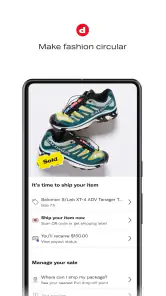
Analysis by Reviewed
I see Depop as a place to browse second-hand fashion with a more personal, discovery-led feel than a standard online shop. It is a shopping app developed by Depop, and the basic access is free. That makes it easy to try without paying for the app itself, though it does not mean every item you find will be free; buying and selling involve individual listings, so I treat the app’s free access and the cost of a purchase as separate things.
What free access is worth
The value for me is the chance to look through pre-owned clothes, shoes, and accessories in one place and potentially pass on pieces I no longer wear. Depop has a 4.7 average rating from around 100,000 ratings, and it has been installed over 10 million times. Those figures suggest a large audience, which can make browsing feel lively, but popularity is not a guarantee that a particular size, style, or bargain will be waiting when you search.
The app is rated for teens, and its current version is 2.370. It has been available since February 10, 2014, so this is an established marketplace rather than a new experiment. I would still approach each listing on its own merits: read the description, inspect the photos, and ask the seller about anything that could change whether the item works for you.
Discovering Your Style
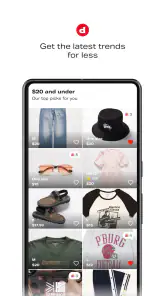
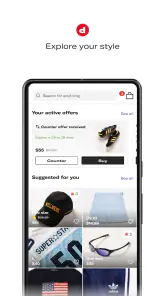
One of the things I absolutely love about this app is how it helps you discover your style. With a wide array of clothes, shoes, and accessories, you can explore various fashion trends and find items that resonate with your personal taste. The app’s interface is user-friendly, making it a breeze to browse through different categories and find hidden gems. Plus, you can follow your favorite sellers and keep track of their latest listings, which is perfect for staying updated on the styles you love.
Easy Buying and Selling
Let’s dive into the buying and selling process, which is surprisingly simple. If you’re looking to buy, you can easily search for specific items or brands, and filter results based on size, price, and condition. Once you find something you like, purchasing is just a tap away. The checkout process is seamless, and you can even chat with sellers to ask questions or negotiate prices.
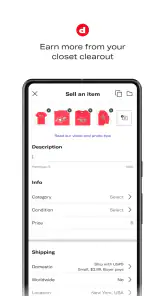
On the selling side, listing your items is quick and straightforward. Just snap some photos, write a catchy description, set your price, and you’re good to go. The app even offers tips on how to make your listings more attractive to potential buyers. I’ve found this feature incredibly helpful, especially when trying to sell those pieces I’ve outgrown or no longer wear.
Making a smarter search
For a realistic example, say I want a jacket for a particular season but do not need it urgently. I would search by the details I care about, save time by narrowing the results with size and condition, then compare several listings instead of buying the first appealing one. I would check measurements or ask about fit, since a tagged size can feel different across brands and older garments. If the seller’s answer changes how I see the item, that conversation has done its job before I spend anything.
You May Like

Clash of Clans Is Won Between the Battles

Android Auto Makes the Case for Quieter Car Software

MobiOffice: Transforming Mobile Productivity with Seamless Integration

EA SPORTS FC™ Mobile Soccer: Redefining Mobile Sports Gaming

How Microsoft OneDrive Became a Mobile Productivity Giant

How Google Translate Breaks Language Barriers Effortlessly
Following sellers can also work as a practical shopping routine rather than just a social feature. If someone consistently lists the kind of pieces I wear, checking their new items later may be more useful than repeating a broad search. On the selling side, clear photos of labels, details, and any wear can help set expectations; a precise description is more helpful than relying on a catchy caption alone. That takes a little care, but it can make a listing easier for the right buyer to judge.
Community and Sustainability
Another aspect of Depop that I admire is its vibrant community. The app is a melting pot of fashion aficionados, where you can connect with like-minded individuals who share your passion for style. It’s not just about buying and selling; it’s about building connections and supporting each other in the fashion journey.
Sustainability is a key highlight of this app. By encouraging users to buy and sell second-hand items, Depop promotes a more sustainable approach to fashion. It’s an excellent way to reduce waste and extend the life of clothing. Plus, it allows you to find unique, one-of-a-kind pieces that you won’t see everyone else wearing.
Where it fits among shopping apps
Compared with a conventional retailer, browsing here is less predictable: you are looking through individual second-hand listings, not a uniform range of new stock. That unpredictability is part of the appeal if you enjoy finding unusual pieces, but it is a drawback when you need an exact item quickly or want consistent sizing and easy comparison. A local thrift shop may be better if you need to inspect fabric and fit in person; a conventional online store is often simpler when reliable availability matters more than character.
I would recommend it most to people who enjoy browsing, have patience for comparing listings, or want to clear out wearable clothes by offering them to another person. It is less suited to someone who wants every purchase to be new, needs a guaranteed fit, or dislikes messaging sellers and making decisions from listing photos. Before buying, I would check the condition and ask specific questions; before listing, I would photograph flaws honestly and describe the item plainly. Those small steps matter more here than they do when buying a standardized product from a retailer.
Community and Sustainability
The same second-hand focus also brings a trade-off: finding the right piece can take time, and the condition or presentation of each item depends on its individual listing. I would not use it as my only option for a time-sensitive wardrobe need. It works better when I can browse with an open mind, compare alternatives, and walk away if the details do not feel clear.
In conclusion, if you’re someone who loves fashion, enjoys discovering new styles, and cares about the environment, Depop is definitely worth checking out. It’s more than just an app; it’s a community dedicated to making fashion more accessible and sustainable. So, why not give it a try and see what treasures you can find or sell? Happy thrifting!
How I would use it in an ordinary week
For me, the best way to shop here is to begin with a real gap in my wardrobe rather than opening the app and scrolling without a plan. If I need a lightweight layer, I might search for a shape or fabric I already know I wear, then compare a few options by condition, price, and the information in each seller’s description. That helps me resist the temptation to buy a striking item simply because it looks good in a photo. A second-hand find is only good value if I will actually wear it.
A useful routine is to keep the search broad enough to allow for surprises but narrow enough to avoid a flood of irrelevant results. I would start with a clear item type, use size and condition filters, and then look at details like fabric, measurements, and signs of wear. If one listing is promising but leaves an important question unanswered, I would message the seller before deciding. The point is not to interrogate someone over every small detail; it is to resolve the one uncertainty that could make the purchase a mistake.
There is also a sensible way to sell without turning it into a large project. I would choose a few clean, wearable pieces, photograph each item in good light, and include close-ups of labels, distinctive details, and any flaw that a buyer should know about. A clear description can mention how the garment fits me or why I am passing it on, while avoiding claims I cannot support. The strongest listing is not necessarily the most polished one; it is the one that helps another person decide accurately.
What to check before committing
Second-hand shopping asks for a different kind of attention than buying a new item from a retailer. I would look beyond the first image and read the complete description, especially for condition and sizing. Photos can make texture or color hard to judge, and a garment’s label does not tell me how it will fit my body. Asking for measurements is a practical step when the cut matters, particularly for jackets, trousers, or anything I cannot easily adapt.
I would also compare similar listings before treating a price as a bargain. A lower asking price is not automatically better if the item has more wear, lacks useful details, or is difficult to assess from its photos. Conversely, a listing that gives a fuller picture may be worth considering even if it is not the cheapest one I see. The app gives me a place to make these comparisons, but the judgment is still mine; each seller’s listing is its own small transaction, not a standardized product page.
For sellers, the same principle applies in reverse. A realistic description and honest photos can reduce confusion and attract someone who genuinely wants that piece. I would take time to show marks or damage rather than hope they go unnoticed. That may make a listing less flashy, but it gives a buyer a fair basis for choosing and makes the exchange feel more straightforward. These habits are especially valuable when the item is unusual or its condition is a major part of its appeal.
How it differs from other ways to shop
Depop sits between a thrift-store browse and a conventional online fashion shop. Like a thrift store, it can reward patience and a willingness to look beyond a precise shopping list. Unlike visiting a shop in person, however, I cannot handle the fabric or try something on before choosing. That makes clear photos, seller answers, and careful comparison part of the shopping process rather than optional extras.
Compared with broad resale marketplaces, its fashion-first identity makes it feel more focused on personal style and individual finds than on treating every item as a generic household listing. That focus can be an advantage if I am looking for clothing with character or want to follow sellers whose taste overlaps with mine. If I simply need a basic item in a predictable size, a regular retailer may be quicker and easier to compare. If I need to inspect quality in person, a local second-hand shop has the edge.
It is not a substitute for every kind of shopping. I would choose a conventional store when timing, consistency, or straightforward returns matter most to me, and I would choose a physical shop when touch and fit are decisive. Depop makes more sense when I have room to explore, accept that availability depends on individual listings, and enjoy the possibility that the right item may take a little searching.
Who will get the most from it
I think the app is a particularly good fit for someone who likes putting together outfits from distinctive pieces, enjoys browsing second-hand fashion, or already knows what kinds of garments they want to pass along. It can suit people with a flexible idea of what they are looking for: perhaps a certain silhouette or color rather than one exact model. Following sellers whose listings match that taste can make repeat visits feel more intentional and less like starting over each time.
It can also be useful for a person who wants to sell clothing they no longer wear without organizing a traditional in-person sale. Preparing a listing still takes effort, and a photo and description need to do the work of showing the item to someone who cannot inspect it directly. In return, the seller has a dedicated place to present clothing to people who are already browsing fashion. I would start with a small number of items to see whether the process suits me before making a large pile of listings.
I would steer away from it if I were shopping under pressure, wanted a guaranteed fit, or did not want to evaluate individual sellers’ descriptions and photos. It is also not ideal for someone who expects every search to produce a neat set of identical options. The marketplace’s appeal comes partly from its variety, but that means the experience can be uneven. A user who wants certainty and speed may get better value from a retailer with consistent stock, even if the items are less distinctive.
Making the free access worthwhile
Because access to the app is free, I can explore it without paying just to browse. I see that as a low-risk way to find out whether its mix of searching, comparing, and following sellers suits my habits. The cost of an item remains a separate decision: I would set a personal spending limit before browsing, compare the full listing details, and avoid letting a one-off find pressure me into buying before I am comfortable.
For a seller, free access does not make the work disappear. Good photos, careful wording, and thoughtful answers take time, so I would consider whether the value of clearing space or finding a new home for an item is worth that effort. The same is true for buyers: the app can make discovery enjoyable, but it cannot remove the need to judge fit, condition, and price. Its value is strongest when I use those tools deliberately rather than treating every appealing listing as an automatic bargain.
Overall, I would try it if I wanted a more personal route into second-hand fashion and had the patience to shop thoughtfully. I would not rely on it for an urgent purchase or a guaranteed match, but for browsing, comparing, and giving wearable clothes another chance, it offers a useful place to start. The free access makes exploring easy; the real value comes from finding a listing that fits my needs and being clear-eyed about the individual item before I commit.
Depop - Buy & Sell Clothes App Frequently Asked Questions
Can I browse Depop before deciding to sell anything?
Yes. Depop is useful for browsing second-hand fashion as well as listing items for sale, so you can explore the marketplace before committing to become a seller. The available selection comes from individual listings, which means it can change over time. Check each item’s photos and description carefully to see whether it suits what you are looking for.
Is Depop suitable for teenagers?
Depop is rated Teen, and the app is aimed at teen users. That makes it important for younger users to consider their family’s rules before creating an account or making purchases. As with any marketplace where people buy and sell directly, take care when communicating with other users and review item details before deciding to proceed.
Do I need to create an account to use Depop?
Creating an account is part of getting started with selling on Depop, since sellers use a profile to list items. An account also gives users a way to interact with the marketplace and communicate with other users. If you are mainly interested in shopping, consider the app’s Teen age rating and your family’s rules before registering or making a purchase.
Is Depop free to download, and what devices can I use it on?
Depop is a free shopping app for people interested in browsing, buying, and selling fashion items. It is available for Android and iOS, with the current version requiring Android 10 or later. The app is aimed at teen users, so younger users should consider the age rating and their family’s rules before creating an account or making purchases.
What kind of items can I find on Depop?
Depop is an online marketplace focused on reselling vintage clothing, thrifted fashion, and other second-hand items. It can suit shoppers looking for pre-owned pieces rather than only new items from traditional retailers. Listings are created by individual sellers, so what you find depends on what people have put up for sale; reviewing each item’s photos and description helps you decide whether it matches what you want.
Pros
- User-friendly interface for easy navigation.
- Vast variety of unique fashion items.
- Secure payment system.
- Sellers can easily list items for sale.
- In-app chat for direct communication.
Cons
- High competition among sellers.
- Some items can be overpriced.
- Occasional app glitches.
- Limited customer support.
- Shipping can be slow at times.

- Category
- Shopping
- Version
- 2.370