Back Market - Buy & Sell tech
- 4.30K
- 4.7
- Installs
- 5.00M
- Price
- Free

Screenshots

Analysis by Reviewed
I’m always cautious when a shopping app asks me to make a decision about an expensive device. A phone or laptop is personal, and a low price alone doesn’t tell me what condition it’s in or who I’m buying from. Back Market is built around refurbished electronics rather than a conventional shop’s all-new stock, so the real question for me is whether its buying and trade-in flow gives shoppers enough confidence to consider used tech.
The app is free, is made by Back Market, and sits in the shopping category. It has a 4.7 average from around 145,000 ratings, with more than 5 million installs. Those figures suggest that many people use it, but they don’t settle whether a particular device is right for you. I’d still treat each listing as its own decision: check the model, the stated condition, and the details shown before committing.
Trust starts with the individual device
The main appeal is having refurbished products collected in one place instead of searching separate resale listings one by one. That makes browsing easier, but refurbished does not mean every device will look or feel identical. I would compare the available condition options carefully, especially if cosmetic marks matter to me, and make sure the model and storage match what I need. A bargain on the wrong configuration is no bargain at all.
For a work phone, for example, I’d first confirm that the exact model supports the apps and accessories I rely on. If I’m buying a laptop for travel, I’d think about its weight and ports as well as its price. The useful habit is to decide on the must-haves before browsing, then use search to narrow the options rather than letting a discount steer the choice.
What the app helps you do—and what to check
Ever found yourself feeling a tad overwhelmed with all the tech upgrades happening around you? Well, I’ve been there. But, guess what? There’s an app that’s making life a whole lot easier when it comes to buying and selling tech. Meet Back Market - your one-stop shop for all things tech-related, and it’s not just any marketplace, it’s where sustainability meets technology.
Discovering the World of Refurbished Tech
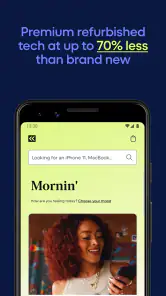
Alright, let me walk you through my experience with Back Market. Picture this: you’re scrolling through your phone, looking for a new gadget, but your budget is tighter than a drum. Enter Back Market. This app specializes in refurbished tech, which means you’re getting high-quality devices that have been restored to their former glory, often at a fraction of the original price. It’s like tech reincarnation!
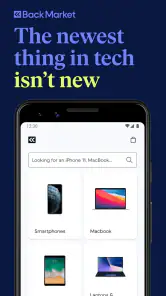
One of the first things I noticed is how user-friendly the app is. I’m talking about a super slick interface that lets you browse through categories effortlessly. Whether you’re after a new phone, laptop, or even kitchen gadgets, it’s all there, neatly organized. And let’s not forget about the search functionality. Just type in what you need, and bam, options galore!
You May Like

Clash of Clans Is Won Between the Battles

Android Auto Makes the Case for Quieter Car Software

MobiOffice: Transforming Mobile Productivity with Seamless Integration

EA SPORTS FC™ Mobile Soccer: Redefining Mobile Sports Gaming

How Microsoft OneDrive Became a Mobile Productivity Giant

How Google Translate Breaks Language Barriers Effortlessly
The Art of Buying and Selling
Now, let’s dive into the buying and selling process. What makes Back Market stand out is its rigorous checks on refurbished items. Each product goes through a detailed inspection to ensure everything’s in tip-top shape. So, when you’re buying, you’re not just getting a random second-hand device; you’re getting something that’s been given a new lease on life.
On the flip side, if you’ve got old gadgets lying around, selling them on Back Market is a breeze. The app guides you through listing your items with ease, and before you know it, you’re turning those unused items into cash. Plus, it feels good knowing you’re contributing to a circular economy, reducing waste, and being kind to our planet.
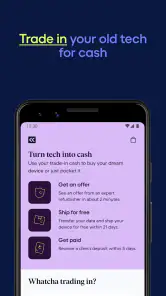
My take on trading in is practical rather than sentimental: start by checking the device’s model and answering the condition questions carefully. I’d remove personal accounts and files before handing it over, and keep a note of the device details while comparing any trade-in offer with what you might reasonably get elsewhere. That extra minute helps avoid disappointment if a quoted value changes after inspection. I’d choose convenience when I want to clear a drawer quickly, but consider other selling routes if getting the very best return matters more than simplicity.
Warranty, support, and the limits of reassurance
It’s not just about the cost savings or the sustainability factor, although those are pretty huge bonuses. It’s about the peace of mind that comes with every purchase. The app offers a warranty on all products, so you’re covered if anything goes awry. There’s also a dedicated customer service team ready to help you out, making sure your buying or selling experience is as smooth as butter.
A warranty is useful, but I wouldn’t treat it as a substitute for reading the terms attached to a purchase. Before ordering, I’d check what coverage applies and how support is reached, then keep the order details somewhere easy to find. If a device is essential for work or school and downtime would be costly, a new device from a retailer with a return process you already know may feel safer. Refurbished is a sensible compromise for many people, not an automatic fit for every situation.
There’s also a difference between browsing a marketplace and knowing exactly what will arrive. I’d use the product description to settle practical questions before checkout, such as whether a particular model suits my accessories or daily routine. If I can’t tell from the listing, I’d pause and ask support rather than assume. That is especially worthwhile for a device I plan to keep for years, where a small mismatch can become a constant annoyance.
Everyday buying decisions and user control
Imagine your phone battery is struggling just before a busy month, but replacing the whole setup with a brand-new model feels unnecessary. I’d use the app to compare refurbished versions of the model I already know, checking the condition and configuration before choosing. If none fits my budget or requirements, I’d wait or look elsewhere; the app is most useful when it helps me make a deliberate choice, not when it pressures me to upgrade.
Compared with general resale platforms, a refurbished-focused shop can make product discovery feel more organized and puts refurbishment at the center of the purchase. A local second-hand sale may offer more room to negotiate or inspect an item in person, while buying new is the clearer choice for someone who wants untouched stock and a familiar retailer relationship. I see Back Market as a middle path: more structured than an informal listing, but still a purchase where checking the exact offer matters.
On the data-sensitive side, I’d make a point of reviewing the app’s permission prompts and privacy choices on my own device instead of accepting every request automatically. I’d also consider what information I enter when creating an account or arranging a sale, and share only what the transaction requires. Before trading in a phone, I’d back up what I need, sign out of personal accounts, and erase the device only after confirming the backup. These steps are useful regardless of where you sell, but they matter especially when a device leaves your hands.
Back Market is rated for Everyone, and its current version is 5.27, with a minimum operating system requirement of 9. I’d still check that it runs on my device before planning a purchase or trade-in. It suits value-minded shoppers who are comfortable comparing condition and configuration, and people who prefer a guided route for moving on old electronics. If you want the lowest possible price through direct negotiation, insist on brand-new hardware, or don’t want to assess a refurbished listing, another option may be a better match.
Why Go Back Market?
And hey, if you’re someone who loves a good deal (who doesn’t?), there are plenty of promotions and discounts to keep an eye on. I’ve scored some sweet deals on gadgets I never thought I could afford!
In a nutshell, Back Market is revolutionizing the way we think about tech purchases. It’s a win-win for both your wallet and the environment. So, next time you’re in the market for some tech, why not give refurbished a shot? You might just find yourself pleasantly surprised.
A cautious recommendation
I’d recommend it to a friend who wants to compare refurbished electronics in a single shopping app and is willing to read the details rather than shop by price alone. Its free download lowers the barrier to browsing, and trading in can be convenient when simplicity is more important than negotiating a private sale. Still, I’d make the final call based on the specific device, its condition, the warranty terms, and whether refurbished fits the way I use technology. For me, that is the right balance: useful choice and a more considered upgrade, with the buyer staying attentive throughout.
How I’d make a careful shortlist
For a purchase I expect to keep for several years, I’d shortlist two or three devices before comparing offers. First I’d write down the features I genuinely use, such as storage, screen size, or compatibility with a charger and case I already own. Then I’d compare listings for the same model and configuration, rather than weighing a newer model against an older one simply because the headline price looks appealing. That keeps the decision focused on the device I need, not the app’s broad catalogue.
I’d also look at the total practical trade-off, not just the listed cost. A device that saves money but forces me to replace accessories or work around a missing feature may not be the better value. If I’m buying for someone else, I’d confirm their preferred size and operating system before ordering; an attractive deal is not useful if the recipient dislikes the format or cannot use their usual apps. This is one reason I find a planned search more effective than casual browsing.
A realistic trade-in routine
Say I’m clearing a drawer on a Sunday and find an older phone I no longer use. I’d identify its exact model, check its present condition honestly, and make sure my photos and files are backed up before I begin any handover steps. I’d then compare the convenience of a guided trade-in with the effort of selling privately. If I need the space and want a straightforward route, convenience may win; if maximizing the return is my priority, I’d be prepared to spend longer comparing alternatives.
Before sending any device away, I’d make the security routine a separate task rather than rushing through it while filling out a sale form. I’d sign out, remove personal accounts, confirm the backup, and reset the device only when I’m certain I no longer need anything stored on it. Keeping a record of the model and its condition also makes it easier to describe the item consistently. These are small steps, but they protect both my information and my expectations about the transaction.
When another route makes more sense
Back Market is not the obvious choice for every shopper. If I want to inspect a device in person before paying, a local seller or shop may suit me better. If I’m comfortable negotiating and can judge a used device confidently, a general resale marketplace may offer more flexibility. And if I need pristine, unopened hardware or prefer the exact purchase and support process of a retailer I already trust, buying new is a reasonable decision rather than a missed opportunity.
I’d be especially cautious about relying on a refurbished purchase when I cannot tolerate disruption. A student with an important deadline or someone whose phone is essential for work may value a familiar retailer’s return process and immediate replacement options more than a lower price. That doesn’t make refurbished a poor choice; it means the cost of a problem includes time and inconvenience, not only money. Matching the purchase route to the stakes is more useful than treating one category as universally best.
Choices that deserve a closer look
For me, trust here is not a feeling created by a polished shopping screen. It comes from checking the exact item, reading the condition and warranty details, and understanding what I’m agreeing to before payment. The app’s organized browsing can make that work easier, but it cannot remove the need to judge whether a particular model and offer suit me. I’d rather pause over a detail than assume every refurbished device will be interchangeable.
I’d use the app’s account and privacy choices deliberately, too. When a prompt appears, I’d consider whether that permission is relevant to what I’m doing and review the choices available on my device instead of approving automatically. While shopping, I’d provide only the information needed for the transaction and keep an eye on what I’m entering when I move from browsing to buying or arranging a trade-in. Those habits give me more control without making assumptions about what the app does behind the scenes.
Who gets the most from it
The strongest fit is someone who already has a rough idea of the phone, laptop, or other electronics they need and is open to a refurbished option. It can also help a household comparing replacement devices, where one person can narrow the model and configuration before everyone decides. The app is less appealing to someone who wants to browse without reading condition information, expects every item to look exactly alike, or is unwilling to prepare an old device carefully before selling it.
My final view is positive but deliberately measured. I like having a dedicated place to compare refurbished tech and a guided way to consider trading in an old device, especially when saving money and extending a device’s useful life matter to me. I would still treat each purchase as a separate decision, verify the practical details, and choose another route when in-person inspection, direct bargaining, or brand-new stock is more important. That is how I’d use it with confidence: as a helpful option, not a reason to stop asking sensible questions.
Back Market - Buy & Sell tech Frequently Asked Questions
Can I browse Back Market before deciding whether to buy?
Yes. Back Market is a shopping app where you can explore refurbished electronics before deciding whether a product is right for you. You can browse available listings and compare options, then review the details of a specific item before placing an order. The app is free to download, so you can take a look without paying for the app itself.
Who is the Back Market app for?
Back Market is for shoppers interested in premium refurbished electronics, as well as people considering trading in an old device for cash. It may suit you if you are open to buying refurbished tech rather than looking only for new products. The app is intended for everyone, and its shopping focus makes it useful to explore whether refurbished devices fit what you need.
Can I use Back Market to trade in my old device?
Yes. Back Market’s app is for shopping online for premium refurbished electronics and trading in an old device for cash. This makes it useful if you are considering both buying a refurbished product and moving on from a device you no longer need. Before proceeding, check the trade-in options shown for your device in the app and review the terms presented for the offer.
Is the Back Market app free, and what devices can install it?
The Back Market app is free to download and is listed for everyone. It requires Android 9 or later, so check your device’s operating system before installing. The app is a shopping tool for exploring refurbished electronics and trade-in options; your purchase or trade-in terms are separate from the app download. On a compatible device, you can use it to browse the marketplace and consider available products.
What is Back Market and how does it work?
Back Market is an online marketplace specializing in the sale of refurbished electronics. It connects consumers with certified refurbishers who restore used devices to like-new condition. The platform offers a wide range of products, including smartphones, laptops, tablets, and more. Users can browse listings, compare prices, and purchase devices with warranties, ensuring quality and reliability.
Pros
- Wide range of refurbished tech products.
- Competitive pricing compared to new items.
- Eco-friendly by reducing electronic waste.
- 1-year warranty on most products.
- User-friendly interface for easy navigation.
Cons
- Limited stock availability for some items.
- Shipping times can vary significantly.
- No direct phone customer support.
- Condition varies between products.
- Returns may incur shipping fees.

- Category
- Shopping
- Version
- 5.27