Words of Wonders: Guru
- 5.03K
- 4.9
- Installs
- 10.00M
- Price
- Free

Screenshots
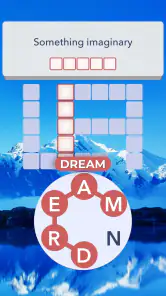
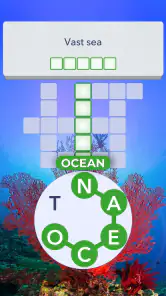
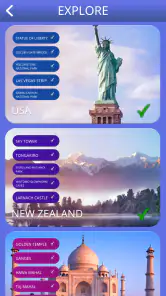
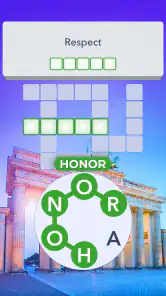
Analysis by Reviewed
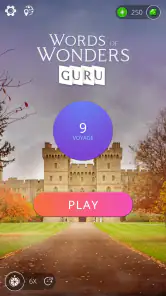
I like that Words of Wonders: Guru builds its word puzzles around connecting letters rather than asking you to answer trivia questions. That makes it easy to start: I can look at the available letters, try a word, and see whether it fits, without needing specialist knowledge. The world-travel framing gives each stretch of puzzles a sense of progress, while the core task stays focused on language. It is a word game from Fugo Games, and its appeal is clearest when I want a small, self-contained challenge rather than a long session with complicated rules.
What the letter-linking approach changes
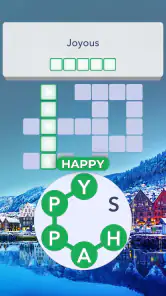
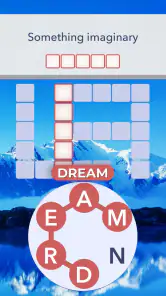
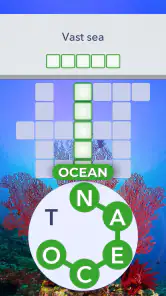
In many word games, the main test is spotting a word from a definition or racing against a clock. Here, the satisfying part is rearranging a fixed group of letters and working out which words belong in the puzzle. I find that shifts the mood: instead of relying on speed, I can pause, scan the combinations, and make another attempt. A familiar short word can provide a useful foothold, but it does not always reveal the longer answer, so the game still asks for patience and flexible thinking.
That structure also makes it easy to play in brief gaps. If I have a few minutes before heading out or while waiting for someone, I can tackle a puzzle without having to remember a complicated story or plan. I would not choose it for a quick competitive match, though; the draw is quiet concentration, not pressure or a contest with other players.
Unleashing the Wordsmith in You
One of the first things that struck me about Words of Wonders: Guru is its simple yet captivating premise. The game challenges you to connect letters to form words, thus expanding your vocabulary with every level you conquer. It’s like a gym for your brain, keeping it sharp and agile. I found myself engrossed in the game for hours, trying to outdo my previous scores and reach the next level.
Gameplay and Design
The design of the game is both minimalistic and elegant, making it easy on the eyes. The interface is intuitive, so you won't find yourself fumbling around trying to figure out what to do next. I appreciate how the game gradually increases in difficulty, providing a challenge that keeps you coming back for more. Plus, the background music is soothing, which adds to the overall relaxing vibe of the game.
Another aspect worth mentioning is the diversity of the puzzles. They are not just random words thrown together; there’s a logical sequence that makes the game all the more engaging. It feels like a journey, where each level takes you to a new wonder of the world, adding an educational twist to the fun. It's like having a mini geography lesson while you play!
Making the most of a tricky puzzle
When I get stuck, I try changing my approach rather than tapping at random. I look for a different arrangement of the letters, then use any shorter words I can spot to help me see new possibilities. Taking a short break can work better than staring at the same combination: returning with fresh eyes often makes a word easier to notice. This is a useful way to keep the game relaxing instead of turning each puzzle into a test of persistence.
More From Our News Desk

Weather by Xiaomi Review: Clear at a Glance, Less Clear Up Close

X Under Pressure: Can It Recover When Posting Goes Wrong?

Clash of Clans Is Won Between the Battles

Android Auto Makes the Case for Quieter Car Software

MobiOffice: Transforming Mobile Productivity with Seamless Integration

EA SPORTS FC™ Mobile Soccer: Redefining Mobile Sports Gaming
A practical trick is to separate “words I can make” from “words the puzzle needs.” Finding a plausible word can confirm that I have understood the letter set, but it may not be one of the answers that advances the board. I try not to treat every valid-sounding combination as a clue that I am one move away. If an attempt does not help, I return to the visible puzzle and search for a different pattern rather than repeatedly testing near-identical arrangements. That small distinction keeps me from confusing word formation with puzzle completion.
I also find that it helps to work from the most distinctive letters instead of beginning with the shortest possible word every time. A less common letter can narrow down the combinations I am considering, while a familiar ending or beginning may suggest several candidates at once. This is not a guaranteed solution method; it is simply a way to make each attempt more deliberate. For anyone playing in short bursts, that matters because it is easier to resume a puzzle when you remember the pattern you were testing, rather than a string of random guesses.
What the travel theme adds—and what it does not
The world theme adds a gentle sense of discovery, but I would treat it as atmosphere rather than a substitute for a dedicated geography or language course. The game can encourage me to notice words and letter patterns, yet whether a word feels new or useful will depend on my own vocabulary. If I want structured lessons or detailed explanations of word meanings, a language-learning app is a better fit.
That distinction is useful for families and curious learners. I can enjoy the sense of moving through themed stages without expecting every place or puzzle to teach a fact I can recall later. The main learning effect is informal: I spend time noticing spelling, word shapes, and how letters can be rearranged. If a child asks what an unfamiliar word means, that can become a good moment to look it up together, but the game itself is best approached as a puzzle first and a learning aid second.
Gameplay and everyday fit
A realistic use for me is opening a level during a short break, solving what I can, and putting the phone away when I need to get back to something else. The puzzles suit that stop-and-start rhythm better than a game built around timed rounds. They can also make a quiet commute or a waiting room feel less idle, provided I am comfortable concentrating in a distracting place. For a family setting, the Everyone age rating makes the game broadly suitable, though a younger player may still need help with unfamiliar vocabulary.
For example, if I have a few minutes between errands, I can try a puzzle, make progress where I can, and stop when it is time to move. I do not need to coordinate with another person or remember a long chain of events to enjoy returning later. In a noisy setting, however, the game can be less relaxing: even without a clock pushing me, I still need to focus on the letters. I would save it for a quieter wait rather than expect it to work as effortless background entertainment.
One useful way to fit it into a routine is to stop at a natural pause instead of pushing through frustration. If I have found a promising pattern but cannot finish, I can leave the phone and come back when I have a clearer head. That makes the game feel more like a pocket puzzle than a task I must complete in one sitting. It is especially handy for people who prefer small, self-contained activities over games that demand a fixed block of uninterrupted time.
Compared with a crossword, this asks less of me in the way of general knowledge and more of my ability to rearrange a limited set of letters. Compared with a word-search puzzle, it is more about forming answers than scanning a grid. That distinction matters: choose this if you enjoy trying combinations and want a calm solo challenge; choose a timed word game if you prefer urgency, or a conventional crossword if clues and broad subject knowledge are the main attraction.
It also occupies a different middle ground from vocabulary flashcards. Flashcards are better when I want a deliberate study routine and direct repetition of chosen words; this game is better when I want to work out possibilities without turning the session into a lesson. Someone who enjoys anagrams may recognize the appeal immediately, but a player who wants a fresh mechanic in every level could find the central activity too consistent. I would make that choice based on the kind of thinking I want, not on the travel presentation alone.
Small tradeoffs that affect the experience
The same simplicity that makes the game approachable can become limiting if you want lots of different mechanics. The central letter-and-word task remains the reason to play, so anyone who quickly tires of that loop may not find the travel theme enough to keep them interested. Difficulty can also feel personal: a puzzle may be a smooth win when its words are familiar and a frustrating pause when they are not. I would rather step away briefly than assume that every stall means I have missed an obvious trick.
Another tradeoff is that a word puzzle can feel less fair when a player and the game do not share the same sense of what is familiar. A combination that looks obvious to one person may not occur to another, and a less familiar word can interrupt the relaxed rhythm. I try to judge a difficult moment by whether I am still enjoying the search, rather than by how quickly I finish. If I start treating each board as a vocabulary exam, the game is no longer serving the casual purpose I wanted from it.
The world-travel framing can help give the sequence a little context, but it cannot change the basic loop. Players who need frequent shifts in pace, action, or social interaction may find that the presentation is not enough variety on its own. In that case, a competitive word game or a crossword app with clue-based solving may be a better match. I see this as a focused option, not a universal replacement for every kind of word entertainment.
The game is free to download, with optional in-app purchases priced from $0.39 to $39.99 per item. I would start without buying anything and see whether the regular puzzle rhythm suits me before spending. It has a 4.9 average from around 249,000 ratings and over 10 million installs, which suggests broad interest, but those figures do not tell me whether its particular style will click for an individual player. The current version is 2.1.6, and it requires Android 7.0 or later.
For someone weighing whether to spend, my advice is to let the free experience answer the important question first: do you enjoy the letter search enough to return to it? Optional purchases are not a reason to assume that payment is required to appreciate the basic idea. I would avoid buying anything simply because I am stuck on one puzzle; a break or a fresh approach may be enough, and spending should only make sense if it suits how you want to play.
Who is likely to enjoy it
I would recommend it to people who like an unhurried word puzzle, enjoy looking for patterns, and want something that is simple to pick up in short sessions. It is also a reasonable choice for someone who prefers a solo activity over competition. I would skip it if I mainly want live multiplayer, strict time challenges, or detailed vocabulary instruction; those needs call for a different kind of word or learning app.
It is particularly well suited to players who are happy to sit with one puzzle and try several possibilities without needing a score chase or a story to carry them forward. It can also work for someone who wants a low-pressure activity to share with a child or another family member, as long as the younger player is comfortable with the words. The Everyone rating makes it broadly accessible, but age suitability does not mean every answer will be easy for every reader.
I would be more cautious recommending it to someone who gets annoyed when a game accepts only the intended answers, or who expects a clear definition after each unfamiliar word. That player may be happier with a clue-based word app or a proper language-learning tool. Likewise, if you want to compete against friends in real time, its appeal is not built around that kind of social play. Knowing this before installing it makes the decision straightforward: it is for patient solo wordplay, not every word-game mood.
Released on January 27, 2021, this free word game has accumulated around 5,000 written reviews as well as its larger rating count. Those numbers provide context, but my practical advice is simpler: try a few puzzles and notice whether the letter combinations make you curious or impatient. Its quiet, repeatable format is its clearest strength, and the best reason to keep it installed is that it fits neatly into small pockets of downtime.
Why You'll Love It
If you're a fan of word games, Words of Wonders: Guru is a must-try. It’s perfect for those idle moments when you want to challenge your mind and learn something new. Plus, it’s free to download, so there’s really no reason not to give it a shot. The app does offer in-app purchases, but they’re entirely optional. You can enjoy the full experience without spending a dime, which is always a huge plus in my book.
In conclusion, Words of Wonders: Guru is a delightful app that combines learning with fun. It’s a perfect blend of challenge and entertainment, wrapped up in a beautifully designed package. Whether you're a seasoned word game veteran or a curious newbie, this app will surely keep you entertained. So why wait? Take a break from your routine and embark on a wondrous journey of words today!
Words of Wonders: Guru Frequently Asked Questions
Does Words of Wonders: Guru have an age rating, and is it appropriate for family play?
Words of Wonders: Guru has an Everyone age rating, making it broadly suitable for family play. Its word puzzles center on connecting letters to form words, so the main activity is a vocabulary challenge. The game also includes optional in-app purchases, so parents may want to review purchase settings with children before they play.
What languages can I play Words of Wonders: Guru in?
The game’s description invites players to find words and become the Guru of their language, making language-based word solving its central idea. If you enjoy puzzles that ask you to recognize and build words from letters, that is the core experience to expect. Consider whether the languages offered suit your needs before downloading, especially if you are looking for practice in a particular language.
Is Words of Wonders: Guru a good choice for short play sessions?
Words of Wonders: Guru is built around solving word puzzles by connecting letters, so it can suit players who want to focus on a puzzle at a time rather than follow a story-heavy game. Its travel-inspired progression adds a sense of journey as you play. It may appeal to anyone looking for a casual word challenge to pick up when they have a little free time.
Is Words of Wonders: Guru free to download, and what devices can run it?
Words of Wonders: Guru is a free word game from Fugo Games, available for Android and iOS. Before downloading, check that your device runs Android 7.0 or later if you use Android. The game also offers optional in-app purchases, so downloading and starting to play are free, while some purchasable items may cost extra.
What is Words of Wonders: Guru?
Words of Wonders: Guru is a challenging word puzzle game designed to enhance your vocabulary and spelling skills. You embark on a journey to solve puzzles by connecting letters to create words, all while exploring different wonders of the world. It's available for both Android and iOS devices, providing an engaging experience for word game enthusiasts.
Pros
- Engaging word puzzles boost vocabulary.
- Beautiful graphics enhance user experience.
- Daily challenges keep players engaged.
- Offline mode available for uninterrupted play.
- Intuitive controls make gameplay easy.
Cons
- In-app purchases can be expensive.
- Repetitive levels may bore some users.
- Ads can be intrusive and frequent.
- Limited hints without purchases.
- Some puzzles feel too easy for advanced players.
- Category
- Word
- Version
- 2.1.6