Vigor Mahjong
- 455.00
- 4.8
- Installs
- 50.00K
- Price
- Free

Screenshots
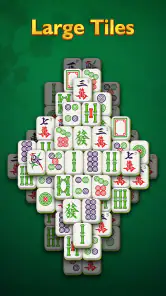
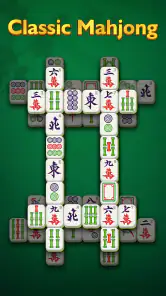
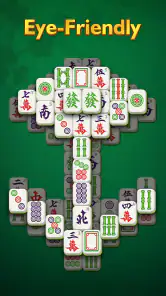
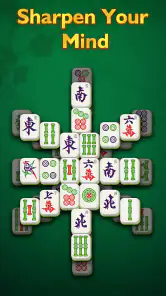
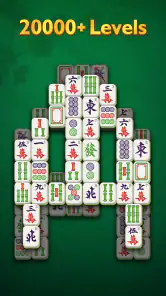
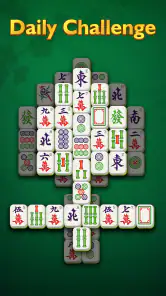
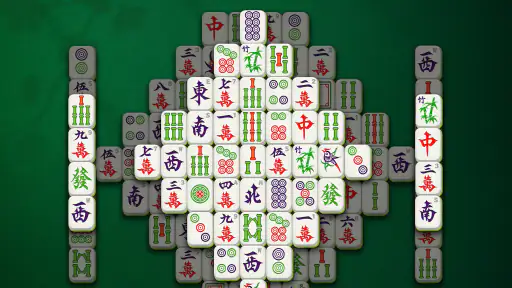
Analysis by Reviewed
On a shared tablet, a tile game can become the sort of small, quiet activity people take turns enjoying while waiting for dinner or winding down after chores. That is the setting in which I can see Vigor Mahjong working well: it is a board game built around matching tiles, so its basic appeal is easy to grasp even for someone who has not played much mahjong solitaire. I would treat it as a casual puzzle to dip into, rather than a game that needs a long, uninterrupted session.
A low-pressure game to pass around
For household use, the appeal is its straightforward premise. One person can try a board, then hand the device to someone else without needing to explain a complicated story or a set of controls. That makes it a reasonable choice for a short break, a quiet moment in a waiting room, or a shared device that different people use at different times. I would still keep turns distinct: a puzzle depends on choices made along the way, and switching players mid-board can make it harder to remember the plan.
That same simplicity sets expectations. This is a digital tile-matching game, not a full table simulation of traditional four-player mahjong. If your household wants a game of social play, negotiation, or direct competition around one board, a multiplayer mahjong option would be a better fit. Here, the main pleasure is looking over the layout and deciding which available pairs to clear.
What I would check before sharing a device
When several people use one phone or tablet, I prefer to agree on a simple boundary: each person starts and finishes their own session, and nobody assumes a saved puzzle belongs to them unless the device makes that clear. That is useful for any casual game because progress can be easy to muddle when people take turns on one screen. I would also check the game’s current on-device options before letting a child play, rather than assuming that a shared device automatically separates one person’s activity from another’s.
One practical way to make a short session feel more satisfying is to choose a moment when you can give a board a little attention, instead of tapping through it while distracted. Mahjong solitaire rewards looking ahead: a pair that is available now may be less useful than another move that reveals more choices. If you are sharing the device, saying your intended next move aloud can help the next player understand the board, though it also means they are continuing your puzzle rather than starting fresh.
The Charm of Vigor Mahjong
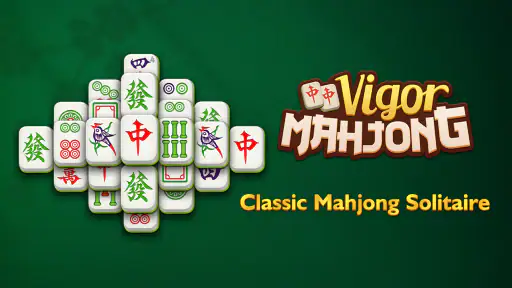
First things first, let's talk about what makes Vigor Mahjong stand out in the crowded world of mobile games. This app brings the traditional tile-matching game to the digital realm, but with a twist. It's not just about matching tiles; it’s about doing so with flair and strategic finesse. The game beautifully blends the classic mahjong gameplay with vibrant visuals and an intuitive interface, making it a breeze to dive into.
Gameplay and Features
Upon launching the app, you're greeted with an inviting interface that sets the tone for a relaxing gaming session. The game offers multiple levels of difficulty, which is perfect for both newbies and seasoned players. Whether you're on a quick break or settling in for a gaming marathon, there's a level that fits your mood.
More From Our News Desk

Weather by Xiaomi Review: Clear at a Glance, Less Clear Up Close

X Under Pressure: Can It Recover When Posting Goes Wrong?

Clash of Clans Is Won Between the Battles

Android Auto Makes the Case for Quieter Car Software

MobiOffice: Transforming Mobile Productivity with Seamless Integration

EA SPORTS FC™ Mobile Soccer: Redefining Mobile Sports Gaming
What I genuinely appreciate is the daily challenges feature. It not only keeps the game fresh but also rewards you for your consistency. Each challenge is a chance to test your skills and earn some cool in-game rewards. Oh, and did I mention the hint system? It's a lifesaver for those tricky puzzles when you're just one match away from victory.
Making it fit a shared routine
For me, a hint is most useful after I have scanned the whole board and narrowed down the blocked choices; using it as a first move would take away some of the satisfaction of solving the layout. I would save it for a genuine stall, then use the revealed suggestion to think through why that pair matters. That turns assistance into a learning tool, not just a way to rush to the end. With daily challenges, a household can also make a light routine of taking turns on different occasions, while keeping expectations modest: the point is a small puzzle break, not a family tournament.
Compared with a paper puzzle or a physical mahjong set, a phone game is easier to pick up for a few minutes and does not need tiles laid out on a table. Compared with a word game or a logic grid, its challenge is more visual and depends on tracking which tiles are accessible as the board changes. That distinction matters: if you like scanning patterns and planning a few moves ahead, this format should feel natural; if you prefer answers reached through language or arithmetic, another kind of puzzle may hold your attention better.
Why You'll Love It
If you enjoy a game that doesn’t just pass the time but engages your brain, then Vigor Mahjong is right up your alley. The game’s design is sleek, and the controls are smooth, making it easy to lose track of time while playing. There's something incredibly satisfying about clearing a board, knowing that it was your strategic prowess at work.
Another big plus is the community aspect. You can connect with friends, compete on leaderboards, and even share your achievements. This social element adds an extra layer of fun and motivation to keep improving your game.
Small decisions that make a board easier to read
The useful habit I would build is to pause before each match and ask what the move opens up, not just whether the pair is available. Clearing a pair that sits over other tiles can change the choices on the board; taking an easy match elsewhere may leave the more important area blocked. I would not try to memorize every tile. A quick scan for exposed pairs and for tiles that appear to be holding up other choices is enough to make the next move less random.
That approach also helps when I come back after an interruption. Rather than tapping the first obvious pair, I can take a moment to reread the layout and identify what is currently free. On a shared device, that pause is especially helpful: it lets a new player understand the state of the puzzle before making a move. If nobody remembers the earlier plan, treating the board as a fresh visual problem is less frustrating than trying to reconstruct someone else’s strategy.
The hint option has a trade-off worth keeping in mind. It can get a stuck session moving, but relying on it immediately can turn a puzzle into a sequence of prompted taps. I would first look for pairs that unlock more of the arrangement, then use a hint only if I have genuinely run out of useful ideas. That gives the player a chance to learn from the suggestion and keeps the satisfaction of finding a route through the tiles.
When a quick puzzle fits the day
A realistic use for this game is a short wait when I have a few spare minutes but do not want to begin something that demands a long stretch of concentration. I can open a board, examine the layout, and make a few deliberate moves. If I need to stop, I would make sure I am comfortable with the state of the puzzle before handing the device off or putting it away. This kind of flexible use is more appealing to me than treating it as a game that must be completed in one sitting.
It can also suit a quiet pause after a busy day, when I want a simple task for my attention rather than another stream of conversation or a complicated game to learn. The tile layout gives the mind something concrete to work through, and the matching rule is easy to explain to someone nearby. That makes it a gentler shared activity than a game built around rapid reactions or a winner-and-loser contest. It is still a solo puzzle at heart, though, so sharing the same screen is about taking turns, not playing together in a coordinated match.
For a household with different levels of patience, I would let each person choose how much of a board to take on. One player might enjoy searching carefully for a sequence of useful matches; another might simply want to clear obvious pairs for a few minutes. Those are both reasonable ways to approach a casual puzzle, but they do not always mix well on the same unfinished board. Starting a separate turn when possible, or agreeing that one person owns the current puzzle until they stop, avoids turning a relaxing game into an argument over the next move.
Who it suits, and where I would draw the line
CanaryDroid’s free board game has an average rating of 4.8 from around 10,000 ratings, with more than 50,000 installs. It is rated Everyone, and version 2.7 runs on Android 5.0 or later. Those details make it easy to consider for a broad household audience, but an age label is not a substitute for checking how a particular child uses a shared device. I would introduce it as a calm matching puzzle and set ordinary device rules around turns and screen time, rather than assuming the game itself manages those boundaries.
The game is a better match for players who enjoy solo tile puzzles, want something approachable to learn, or like returning to a compact daily challenge. I would steer someone toward a different option if they need a rich multiplayer session, a competitive game that depends on live interaction, or a puzzle with deeper narrative progression. A hint can ease a difficult moment, but players who want every board to feel like a demanding logic test may prefer to use it sparingly. Likewise, the short-session appeal can become a drawback if you are looking for a more varied set of activities than tile matching.
How it compares with other ways to play
Against other mobile board games, the appeal here is focus. A traditional multiplayer mahjong game asks players to follow shared turns and react to other people’s choices; this solitaire style is quieter and puts the responsibility for planning on one player. That makes it easier to pick up without arranging a group, but it cannot replace the conversation and friendly rivalry of playing around a table. If the main reason you want mahjong is to learn or play the social, competitive form, I would choose a game explicitly built for that experience.
Against other solitaire tile-matching games, the broad appeal is familiar, but the quality of a session depends on how much you enjoy reading a changing arrangement rather than simply matching identical pictures. The multiple difficulty levels give different players a way to approach the puzzle at a comfortable pace, while daily challenges can provide a reason to return. I would not choose it as an all-purpose puzzle collection: its central activity remains tile matching, so someone who quickly tires of scanning layouts may be better served by a word, number, or story-driven game.
There is also a meaningful difference between playing on a phone and a tablet. A larger shared screen can make it easier for someone beside you to follow the board and offer a suggestion, while a phone is more private and convenient for a solo break. I would still let the person holding the device make the final choices; too many people calling moves at once can make a calm puzzle feel more like a debate. The best shared arrangement is usually one player at a time, with others free to watch rather than take over.
Age, trust, and practical expectations
The Everyone age rating makes the game easy to consider for a wide range of players, and its matching premise is straightforward to explain. For a child using an adult’s phone, I would still set the same boundaries I use with any app: whose device it is, when play is allowed, and whether the child should ask before changing settings or leaving the game. Those are household choices, not something I would assume a tile puzzle handles for me.
For adults sharing a device with children, the account boundary deserves a little thought too. I would avoid assuming that a game automatically creates separate profiles for different family members. If the device itself is shared, agree on who is using it and what is acceptable before handing it over. That small conversation can prevent confusion over a board, device access, or a child continuing an adult’s session. It is a practical safeguard, not a reason to make a simple puzzle feel complicated.
Someone deciding whether it is suitable may also wonder if it is a good first introduction to mahjong. I think it can introduce the visual matching side of mahjong solitaire, because the central task is clear and approachable. It is not, however, a tutorial for the rules and social strategy of traditional four-player mahjong. I would describe it accurately to a beginner so they know they are trying a solo tile puzzle, not learning how to join a table game.
A sensible household verdict
All in all, Vigor Mahjong is a fantastic blend of traditional gameplay with modern enhancements. It’s the kind of game that’s easy to pick up but hard to put down. Whether you're a fan of the classic mahjong or just looking for a new game to spice up your routine, this app is definitely worth a try. So, why not give it a download and see how long you can last in the world of tiles and strategy?
My recommendation is measured: try it if you want a free, approachable tile-matching game that can fit into small breaks and be passed between people with a little coordination. Before sharing a device, decide whose turn it is and whether a board is being handed over or restarted; those simple expectations prevent confusion without needing elaborate household rules. If your priority is sustained multiplayer play or a different kind of mental challenge, choose a game designed for that instead. For a quiet, visual puzzle to keep within reach, this is an easy one to consider.
Vigor Mahjong Frequently Asked Questions
Is Vigor Mahjong free to download, and what age group is it suitable for?
Vigor Mahjong is a free board game with an Everyone content rating, so it is presented as suitable for a broad audience. Its focus on matching tiles makes it approachable for players who enjoy classic puzzle-style games. As with any app, parents may wish to check the game themselves and review device settings before letting a child play.
What is Vigor Mahjong and how does it differ from traditional Mahjong games?
Vigor Mahjong is a mobile game app that offers a fresh and dynamic take on the classic Mahjong game. Unlike traditional versions, Vigor Mahjong incorporates modern graphics, interactive features, and competitive elements such as leaderboards and timed challenges. This makes it more engaging for players looking for an exciting twist on the traditional tile-matching game.
Is Vigor Mahjong suitable for beginners, or is it more for experienced players?
Vigor Mahjong is designed to accommodate both beginners and seasoned players. The app includes a comprehensive tutorial mode that helps newcomers learn the basics and gradually progress to more challenging levels. Experienced players will appreciate the advanced levels and competitive features that test their strategic skills and tile-matching speed.
What are the system requirements for installing Vigor Mahjong on Android and iOS devices?
On Android, Vigor Mahjong requires at least version 5.0, which makes it compatible with many devices running that operating system. The game is listed as a board game and is described as a classic tile-matching and mahjong solitaire experience. Before downloading, check that your Android device meets the minimum requirement and has enough available storage for installation.
Does Vigor Mahjong offer multiplayer features or is it strictly a solo game?
Vigor Mahjong primarily focuses on solo gameplay but also offers multiplayer options. Players can challenge friends or other online players in real-time matches to test their skills. This feature adds a social element to the game, making it ideal for those who enjoy competitive play and interacting with other Mahjong enthusiasts.
Pros
- Easy to learn for beginners.
- Engaging graphics and sound.
- Regular updates with new features.
- Strong online community support.
- Low battery consumption.
Cons
- Ads can be intrusive.
- Limited offline features.
- Occasional bugs and crashes.
- In-app purchases required for full experience.
- Requires stable internet connection.
- Category
- Board
- Version
- 2.7