Space shooter - Galaxy attack
- 38.58K
- 4.8
- Installs
- 100.00M
- Price
- Free

Screenshots
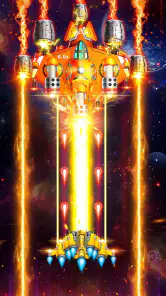
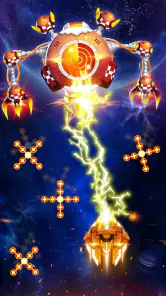

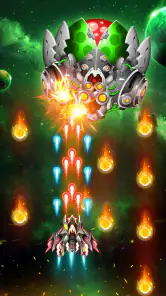
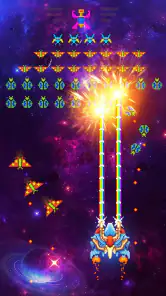
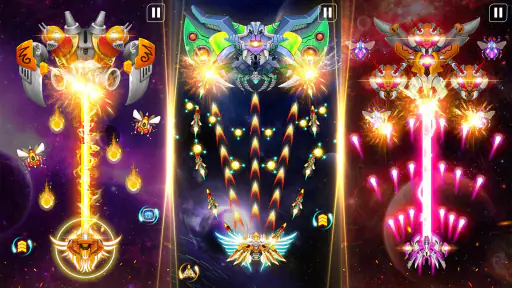
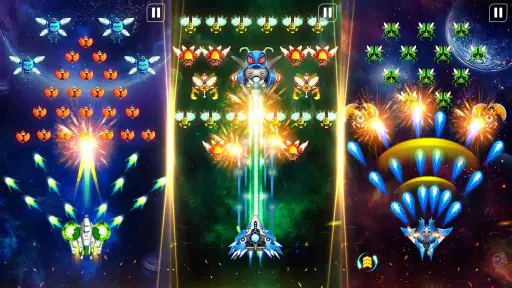
Analysis by Reviewed
I approach Space Shooter - Galaxy Attack as a pick-up-and-play arcade game: a short burst of dodging and firing, then a quick decision about whether I have time for another run. That simple rhythm is its strongest everyday appeal. It is a free game from 1SOFT, and its familiar space-shooter setup is easy to understand without asking you to learn a complicated control scheme first.
A practical rhythm for short sessions
My most reliable way to play is to focus on staying alive before chasing a perfect run. I keep the ship moving deliberately, watch for incoming threats, and avoid making large, panicked swipes when the screen gets busy. That habit makes the action feel more manageable, especially when I’m playing in a brief break and don’t want to spend the whole session recovering from a careless move.
The game suits people who like classic arcade action more than players looking for a slow story or a broad simulation. Compared with puzzle games, it asks for quick visual attention; compared with more elaborate shooters, its basic premise is easier to grasp on the first go. The trade-off is that straightforward action can feel repetitive if you want every session to introduce a completely different kind of play.
Making a small window of time count
A realistic use case is a wait at a station or a few quiet minutes before an appointment. I’d start a run only when I can keep my eyes on the screen, then treat that run as the whole activity rather than trying to squeeze in play while answering messages. The game’s arcade pace is a poor match for divided attention: one glance away can leave me reacting late, and that makes the session feel hectic instead of refreshing.
For a commute, I’d also choose a seat or moment when holding the phone comfortably is practical. If I’m standing in a crowded vehicle or likely to be interrupted, a turn-based game is the better choice. This shooter works best when I can make controlled movements without worrying about bumping someone or losing my grip. That small bit of planning makes a short session feel intentional rather than like a frustrating attempt to play under awkward conditions.
Settings worth checking before a serious run
I’d take a moment to look through the available settings before settling into repeated attempts. I don’t assume every device or player will prefer the same control feel, so I’d test movement in a low-pressure run and notice whether my thumb blocks important parts of the screen or drifts farther than intended. If steering feels clumsy, changing how I hold the phone or where I place my thumb may help more than simply swiping faster.
Screen visibility is part of the setup, too. Bright glare, smudges, and a cramped grip all make it harder to read moving threats. I find it useful to wipe the screen and adjust my viewing angle before a longer session, especially if I’m playing outdoors. These are ordinary habits, not secret mechanics, but they can prevent avoidable mistakes in a game where attention and movement need to work together.
You May Like

Clash of Clans Is Won Between the Battles

Android Auto Makes the Case for Quieter Car Software

MobiOffice: Transforming Mobile Productivity with Seamless Integration

EA SPORTS FC™ Mobile Soccer: Redefining Mobile Sports Gaming

How Microsoft OneDrive Became a Mobile Productivity Giant

How Google Translate Breaks Language Barriers Effortlessly
Small habits that make a difference
I find it useful to treat upgrades as a reason to shape a repeatable routine, rather than as a cue to spend resources as soon as they appear. When a run goes badly, I think about whether I was taking avoidable risks or whether my ship needs more support before pushing further. That simple pause helps turn a string of attempts into a more deliberate learning loop.
Before settling in for a longer session, I’d check the game’s available settings and make sure the controls feel comfortable on my device. A control style that feels natural matters in a shooter built around quick movement, and small adjustments can reduce accidental swipes. I also try to play somewhere I can see the screen clearly; visual clutter or glare makes it harder to react calmly when several threats compete for attention.
Faster patterns without frantic play
One useful improvement is to make each attempt answer a single question. If I’m losing because I move too sharply, I focus on smoother steering next time; if I’m surviving but not making progress, I consider whether my upgrade choices support the way I play. Changing one habit at a time makes it easier to tell what helped. Repeating the same run while changing everything at once gives me little insight beyond whether I happened to do better.
I also avoid treating every opening as a reason to chase a target. Staying in motion can feel productive, but unnecessary sweeping can make it harder to respond precisely when threats gather. My steadier pattern is to make purposeful adjustments, leave myself room to react, and accept that a cautious run may be more useful than a flashy one. That approach is especially helpful when I’m trying to build consistency rather than set a personal best.
Who will enjoy it—and who may not
This is an easy recommendation for someone who wants an arcade game they can understand quickly and revisit in short bursts. It can fit a commute or a wait between errands, provided you have enough attention to watch the screen. I’d be less likely to recommend it to someone who wants a deep narrative, relaxed pacing, or a game that can be played without paying attention for more than a moment.
The game is rated for Everyone, has a 4.8 average from around 1.8 million ratings, and has passed 100 million installs. Those figures show how broad its audience is, but they don’t mean every player will enjoy repeating arcade runs. It was released on April 5, 2017, and in-app purchases range from $0.99 to $104.99 per item, so I’d keep spending optional and decide on a personal limit before buying anything.
How it compares with other arcade shooters
Against a stripped-down shooter that offers little beyond movement and firing, this game’s upgrades give me another reason to return and think about how I want to develop a run. Against a larger action game with a long campaign or a more involved progression system, it is easier to approach in a spare moment. That middle ground is its appeal, though players who want either extreme may prefer a more minimal game or a deeper, story-led alternative.
It is also less suitable than a puzzle or turn-based game for situations where I need to pause instantly or divide my attention. I wouldn’t choose it as background play while watching something else, since its value depends on reading the action as it unfolds. If I’m in the mood to concentrate briefly and react, the arcade format fits; if I want to relax without monitoring the screen, I reach for a different kind of game.
Blast From the Past
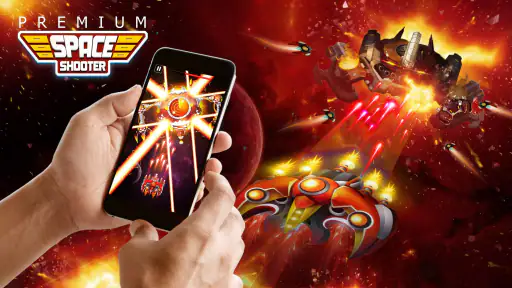
Remember those good old days of arcade gaming, where you’d spend hours dodging enemy fire and blasting away alien invaders? Well, Space Shooter - Galaxy Attack brings that nostalgic vibe right to your smartphone. The game’s premise is simple yet thrilling: you’re the last line of defense against a massive alien onslaught, and it’s up to you to save the galaxy. The retro graphics mixed with modern effects make it a visual treat, and the engaging sound effects only add to the intensity.
Gameplay and Features
The gameplay is as straightforward as it gets, but don’t let that fool you—it’s packed with challenges. You start with a modest spaceship that you can upgrade and customize as you progress. The controls are intuitive, allowing you to steer your ship with ease while focusing on dodging and shooting. As you advance through the levels, the game introduces a plethora of enemy types and formidable bosses that require strategic thinking and quick reflexes.
One of the standout features of this game is the upgrade system. You can enhance your ship's firepower, speed, and durability, making each upgrade feel rewarding. Plus, the game offers a variety of power-ups that can turn the tide of battle, from laser beams to protective shields. It’s like having the ultimate space arsenal at your fingertips.
Building a repeatable upgrade routine
To get more from that progression, I’d look at upgrades as a way to address a pattern I’ve noticed, not as a checklist to clear automatically. If I repeatedly struggle to stay alive, durability may feel more valuable than a boost that only makes a strong run feel stronger. If I’m reaching later challenges but taking too long to deal with threats, offensive improvements may fit better. The point is to connect a choice to a real problem in my play, while remembering that no upgrade removes the need to steer carefully.
I’d also avoid spending simply because a run ended badly. A single failure can come from a mistimed move, not from a ship that needs immediate investment. Taking a moment to separate a control mistake from a progression bottleneck helps me decide whether to try again, adjust my approach, or build up the ship first. That small pause is a useful safeguard against turning frustration into impulsive spending.
Multiplayer Mayhem
If you’re someone who enjoys a bit of friendly competition, the multiplayer mode is where the real fun begins. You can team up with friends or challenge players from around the world. It’s exhilarating to see who can withstand the alien hordes the longest or rack up the highest score. The leaderboard feature adds a layer of competition, pushing you to hone your skills and climb to the top.
For a more useful competitive routine, I’d treat a leaderboard chase as a focused challenge rather than the reason to play every time. Pick one goal for a session—survive longer, make fewer risky moves, or improve a score—and stop when attention starts to slip. That keeps competition motivating instead of turning every run into a frustrating attempt to beat someone else’s result.
What to expect from the arcade loop
Arcade shooters often divide into games that emphasize immediate action and ones that add layers of equipment, progression, or side activities. This one sits comfortably between those approaches: the core is still easy to grasp, while upgrades give you a reason to return and improve your ship. If you prefer a minimalist shooter with almost no progression, that extra layer may feel like a distraction; if you enjoy seeing gradual development alongside reflex play, it helps the routine stay engaging.
A practical question is whether it works for a very quick break. I’d use it when I can give the screen my attention for a few minutes, not when I need to keep glancing away from a conversation or task. The action rewards awareness, so treating it as background entertainment is likely to make a run feel more chaotic than fun. On a longer ride, it can fill time well, but I’d still take breaks rather than letting a score chase stretch on after I’ve stopped enjoying it.
Where the limits show
Progression and competition can make repeat play appealing, but they also create a familiar mobile-game tension: a player may feel tempted to keep trying or to spend in order to advance. I’d approach purchases cautiously and judge them against what I actually enjoy, not against a temporary setback. The free entry point makes it easy to try the game, while the listed purchase range is a good reason to check each transaction carefully and keep a clear budget.
Its Everyone age rating makes it broadly accessible, yet accessibility of content is not the same as suitability for every mood. When I want a calm game, a story-led experience, or something that can be paused mentally while I multitask, I choose another genre. The quick reactions and repeated runs are the point here, and they are also the main limitation for anyone who doesn’t enjoy that arcade loop.
Knowing when to stop or switch games
A useful personal rule is to stop when I’m no longer making deliberate choices. If my movements become rushed, I start repeating the same mistake, or I’m continuing only because I want to recover a disappointing run, a break is more helpful than another attempt. This doesn’t make the game less enjoyable; it keeps the session within the kind of focused arcade play it handles best.
I’d also choose a different game when I need flexible interruptions, a clear narrative thread, or a sense of progress that doesn’t depend so much on moment-to-moment reactions. The upgrade layer adds direction here, but the immediate action remains central. Knowing that distinction helps set fair expectations before downloading and prevents the common mismatch of expecting a shooter to provide the calm, low-attention experience of a casual puzzle game.
Wrapping Up the Galactic Journey
So, is Space Shooter - Galaxy Attack worth your time? Absolutely! It’s a delightful blend of nostalgia and modern gaming that keeps you on the edge of your seat. Whether you’re a casual player or a hardcore gamer, there’s something here for everyone. The game’s ability to deliver quick, adrenaline-pumping sessions makes it perfect for those short breaks or long commutes.
In a universe filled with mobile games, this one stands out with its engaging gameplay, vibrant visuals, and heart-pounding action. So gear up, pilot, and get ready to defend the galaxy! Trust me, once you start, you won’t want to put it down.
Space shooter - Galaxy attack Frequently Asked Questions
Can I adjust the game’s sound or control settings before playing?
If you like to check a game’s basic settings before settling in, Space Shooter - Galaxy Attack is built around quick arcade action, where moving your ship and responding to enemy fire are central to play. The experience is designed for mobile devices, so it suits short sessions as well as longer attempts to get through enemy waves. Consider trying a few opening stages to see whether the pace and controls feel comfortable on your device.
Does Space Shooter - Galaxy Attack need a powerful phone or tablet?
Space Shooter - Galaxy Attack is a mobile arcade game with a straightforward space-shooter premise, making it an accessible option for players looking for action on a phone or tablet. As with any game, performance can vary depending on the device and its available resources. If you are unsure how it will run, you can start with a short session and see how the visuals and ship movement feel before spending time on longer play.
Can I play Space Shooter - Galaxy Attack in short sessions?
Yes, its arcade format makes Space Shooter - Galaxy Attack a natural choice for quick bursts of play. The central loop is easy to grasp: guide a spaceship, shoot at alien attackers, and try to survive incoming waves. You can also return to the game for more attempts at its levels and progression. It suits players who enjoy action that does not require learning a complicated story before getting started.
Is Space Shooter - Galaxy Attack suitable for children?
Space Shooter - Galaxy Attack has an Everyone content rating, so it is presented as suitable for a broad audience. It is an arcade game centered on shooting alien invaders, with action and enemy waves as its main theme. Parents can still decide whether this kind of fast-paced gameplay is right for a child and review purchase settings before letting them play.
What kind of game is Space Shooter - Galaxy Attack, and who made it?
Space Shooter - Galaxy Attack is an arcade game developed by 1SOFT. Its central idea is a classic space-shooter setup: pilot a ship, fight alien attackers, and protect the galaxy. The straightforward premise makes it easy to understand for players who enjoy action built around dodging enemy fire, shooting through waves, and working toward stronger ships and weapons.
Pros
- Smooth and responsive controls.
- Varied and challenging enemy types.
- Regular updates with new content.
- Engaging and addictive gameplay.
- Supports offline play.
Cons
- Limited customization options.
- In-app purchases can be pricey.
- May drain battery quickly.
- Occasional ad interruptions.
- Requires stable internet for updates.

- Category
- Arcade
- Version
- Varies with device