Solitaire Verse
- 12.11K
- 4.5
- Installs
- 5.00M
- Price
- Free

Screenshots


Analysis by Reviewed
When I want a card game that asks for a little attention but not a whole evening, Solitaire Verse is an easy one to reach for. Its appeal is less about reinventing solitaire and more about making the familiar routine feel comfortable on a phone: look over the cards, think through a move, and see whether the layout opens up.
For me, that makes it a useful small-break game rather than a commitment-heavy hobby. I can fit in a hand while waiting for an appointment, then put the phone away without feeling that I have left a story or a team mid-session. The basic pleasure is familiar, but details such as hints, visual choices, and daily challenges give the experience a little more shape than a plain digital deck.
A familiar game for everyday pauses
The best fit is someone who already enjoys classic solitaire or wants a low-pressure way to learn the rhythm of a card game. A realistic use is playing while waiting for a bus or taking a quiet coffee break: the rules are familiar enough that I can focus on the next move without needing to learn a complicated system. If you want multiplayer competition, a story campaign, or a game that keeps adding new mechanics, this is not the choice I would reach for.
What a short session can look like
In practice, I would treat a hand as a small mental reset, not as something to squeeze into every spare second. If I am waiting in a noisy place, I can make a couple of moves, pause to check what is visible, and continue only if I still have time. That stop-and-start rhythm is a good match for solitaire, where the interest comes from considering the layout rather than reacting quickly.
It is also a sensible option for someone who wants a familiar game without learning a collection of systems first. The cards provide the structure, and the decisions stay readable. I would be less likely to recommend it to a player who needs a clear long-term target, a social reason to log in, or a steady supply of new rules; those expectations call for a different kind of mobile game.
A Fresh Take on a Timeless Classic
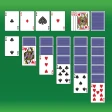
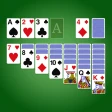
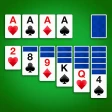
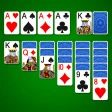
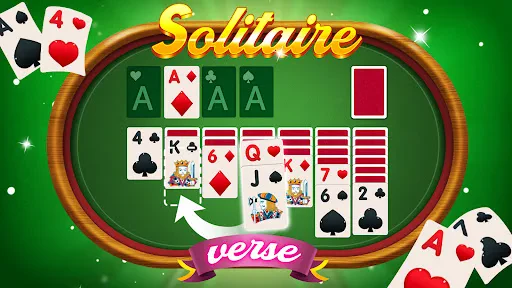
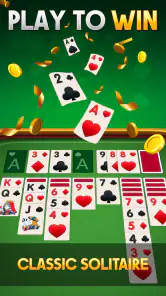
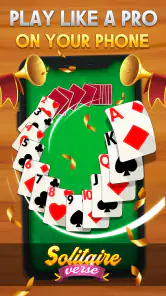
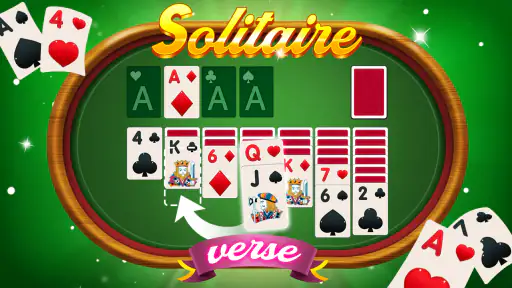
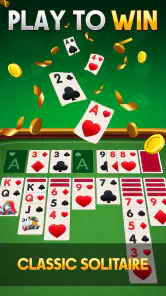
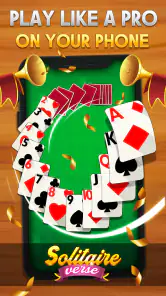
The first thing that hits you about Solitaire Verse is its sleek, modern interface. It's like the app developers took the dusty old deck from your grandparents' attic and gave it a tech-savvy makeover. The graphics are crisp and vibrant, making each game an absolute pleasure to play.
That visual polish helps the cards stay easy to follow, which matters more in solitaire than decorative flourishes do. The setting is deliberately light: it gives the game a tidy, pleasant feel without pulling attention away from the table. I see that as a sensible choice for a title whose main job is to make a familiar card layout comfortable to read and play.
How the presentation supports the puzzle
The art direction works best when it stays out of the way. Solitaire is a game of noticing relationships between cards, so a busy backdrop or hard-to-read design would make the central task feel like work. Here, the visual treatment keeps the table looking inviting while leaving the cards as the focus. When I choose a design, I would prioritize legibility over novelty, especially for longer sessions or small screens.
That gives customization a practical role rather than making it only a decoration menu. If a particular card face is easier for me to scan, I can favor it; if the background competes with the ranks and suits, I can choose a calmer look. A small adjustment like that can make a familiar layout more comfortable without changing the decisions that make the hand interesting.
Gameplay That Hooks You In
You might think, "It's just Solitaire, how different can it be?" Well, this app surprises you in all the right ways. With a variety of game modes and difficulty levels, it keeps you on your toes. Whether you're a newbie or a seasoned card shark, there's something here for you. Plus, the app includes daily challenges and rewards, which adds a nice competitive edge to your daily commute or coffee break.
The daily challenges give a regular player a reason to return, but I would treat them as optional prompts rather than the point of the game. They work best when I have a few minutes and want a small goal; on a hectic day, the classic card puzzle is enough on its own. Compared with other solitaire apps, the basic attraction is still the same turn-by-turn planning, while the challenge layer gives this one a little more structure than a bare digital deck.
One feature I particularly loved is the hint system. Stuck on a tricky hand? Just tap the hint button, and the app gently nudges you in the right direction. It's like having a friendly card-playing buddy who knows just when to step in and lend a helping hand.
I find hints most useful as a learning tool, not an automatic next move. When I am new to a layout or have overlooked a possible play, a nudge can show me where to look; if I use it every time I hesitate, I lose the satisfaction of working through the choices myself. That small trade-off makes the feature especially helpful for beginners while leaving experienced players free to trust their own reading of the cards.
A more deliberate way to play
For a useful middle ground, I like to scan the whole layout before moving anything, then ask whether a move reveals a hidden card or simply shifts what is already visible. This keeps me from tapping through obvious actions without thinking. If I reach a point where I genuinely cannot see a route forward, a hint can help me learn what I missed; after that, I can resume making the choices myself.
The same approach helps when a challenge gives the session a goal. I can try to solve the hand at my own pace, rather than treating the reward as a reason to rush. That is an important distinction for this game: its light structure can make returning enjoyable, but the moment-to-moment pleasure still comes from reading the cards. Players who want a daily task that involves other people or a changing narrative will probably find the challenge layer too modest.
Customization Galore
Another standout feature is the customization options. Solitaire Verse lets you personalize your gaming experience to your heart's content. From card designs to background themes, you can tweak just about everything to match your mood or style. I had a blast switching things up and making the game feel uniquely mine.
There is a practical side to changing the look, too: a clear card design can be more useful than a flashy one when I am playing in a bright room or trying to scan the layout quickly. I would start with a combination that makes suits and ranks easy for me to distinguish, then change the background only if it improves contrast. It is a simple way to make repeated sessions feel comfortable without changing the core rules.
I would also avoid changing several visual choices at once if I am trying to find a setup that works. Adjusting the cards first makes it easier to judge whether ranks and suits are easy to read; then I can settle on a background that does not distract me. This is a small bit of trial and error, but it is more useful than choosing a theme solely because it looks striking in a menu.
Sound, pacing, and the right expectations
The overall mood is calm and focused rather than dramatic. Solitaire itself supplies the pacing: I can take time over a decision, move through a hand at my own speed, and stop once the brief break is over. That makes the game a better match for winding down than for someone seeking energetic action or a strong narrative setting. If you prefer silence while playing, the visual simplicity still carries the experience; if you want a game driven by a soundtrack or unfolding story, this restrained card-table mood may feel too quiet.
One useful way to approach a difficult hand is to pause before tapping a hint and scan the available cards for moves that uncover something new. That keeps the puzzle engaging and helps me avoid treating each session as a race. The game’s simple premise is also its limitation: repeated solitaire can feel familiar, and customization changes the presentation rather than turning it into a different genre.
Where it sits among other card games
Compared with a bare-bones solitaire app, this one has more ways to make the table feel personal and gives regular play extra prompts through challenges and rewards. Compared with collectible-card games or online card rooms, it is much quieter: I am not building a deck, competing against opponents, or trying to master a social meta. That makes it easier to pick up casually, but also means it will not deliver the variety or human unpredictability those alternatives offer.
If I want a quick solo puzzle, I would choose this over a more involved game that needs a longer stretch of attention. If I want to test strategy against another person, I would choose a multiplayer card game instead. The useful question is not whether one format is universally better, but whether I want a calm layout to think through alone or a game whose appeal depends on competition and interaction.
In-App Purchases - Worth It?
Now, let's talk about the elephant in the room: in-app purchases. Sure, they're there, but the good news is you don't need to spend a dime to enjoy the game. The basic version is plenty fun and fully functional. However, if you're the kind of person who loves exclusive card designs or ad-free gameplay, you might consider splurging on some extras. And honestly, with the hours of entertainment this app provides, it's worth considering.
I would decide about extras based on how often I play and whether the available changes solve a real annoyance for me, rather than buying them just because I enjoy a few hands. The game is free to start, so a casual player can try its central appeal without making a commitment. Its Everyone age rating also makes it broadly approachable as a straightforward card game, though the relaxed, solitary format will not satisfy someone looking for social play.
For someone unsure whether the game will become a habit, I would first play it in the situations where I actually want a quiet card puzzle. If I find myself returning often and a particular extra would improve that routine, I can weigh it then. If I only play now and again, the core game is the better place to stop; spending is not what makes the basic card decisions worthwhile.
Who will enjoy this card-table mood
The game has an average rating of 4.5 from around 279,000 ratings, and it has been installed over 5 million times. Those figures suggest it has found a sizable audience, but the more useful question is whether its particular pace suits you. If you want classic solitaire with a polished presentation, optional challenges, hints, and ways to adjust the cards and background, it is easy to see the appeal. If you want deep strategy, a changing world, or a highly competitive experience, I would choose another kind of game instead.
Gimica GmbH has made a card game that keeps its focus on solitaire rather than trying to turn it into something else. I can recommend it to people who like a familiar solo puzzle, want a readable table, and appreciate having a hint available without being forced to use it. I would steer away anyone who sees repeated hands as monotonous or expects a card game to provide online opponents and social play.
It was released on November 16, 2021, and version 1.2.3 is available for devices running Android 7.0 or later. For someone deciding whether to try it, the practical answer is simple: it asks little of your time and gives you the familiar solitaire routine with a few helpful ways to shape a session. I would recommend it most to people who value an unhurried card puzzle over novelty for novelty’s sake.
Overall, Solitaire Verse offers a refreshing and engaging twist on a beloved classic. It's perfect for both quick sessions and long, lazy afternoons. So, whether you're a die-hard Solitaire fan or just looking for a fun way to unwind, I highly recommend giving this app a try. Happy card flipping!
Solitaire Verse Frequently Asked Questions
Can I play Solitaire Verse in short sessions, or does it require a long time commitment?
Solitaire Verse is based on classic Solitaire, making it a natural fit for players who want to pick up a card game for a brief break or settle in for a longer session. Its familiar format lets you focus on the cards at your own pace. If you enjoy casual games that can be played without a lengthy setup, its straightforward premise may suit you.
Is Solitaire Verse appropriate for children and family play?
Solitaire Verse is rated Everyone, so its general audience rating may help families assess whether it is suitable for them. It is a card game centered on classic Solitaire, a familiar format that can be approachable for players of different experience levels. Parents can consider that rating alongside their child’s age and preferences when deciding whether to download it.
Does Solitaire Verse work on older Android devices?
Solitaire Verse requires Android 7.0 or later. Before downloading, check the operating system version in your device settings to make sure it meets that minimum. If your phone or tablet is running an earlier version, it may not be compatible. Meeting the operating system requirement is the key compatibility check to make before installing the game.
Is Solitaire Verse suitable for casual players who have never played a card game before?
Yes. Solitaire Verse is a card game built around classic Solitaire, so it can be a straightforward choice for someone who wants to learn at their own pace. Its familiar format makes it approachable for short play sessions as well as longer ones. The game is rated for Everyone, which may also help families decide whether its general audience rating suits them.
Who makes Solitaire Verse, and what kind of game is it?
Solitaire Verse is a card game developed by Gimica GmbH. Its store summary describes it as classic Solitaire, the most famous card game in the world, so the central appeal is a familiar solo card-game experience. The title is available as a free download, and it has attracted a broad audience of mobile players.
Pros
- Addictive gameplay keeps users engaged.
- Variety of solitaire games available.
- Easy-to-use interface for all ages.
- Offline play mode available.
- Regular updates with new features.
Cons
- Contains ads that may disrupt play.
- In-app purchases can be pricey.
- Requires frequent updates.
- Battery drain on older devices.
- Limited support for low-end phones.

- Category
- Card
- Version
- 1.2.3