Calm Solitaire: Classic Card
- 56.00
- 4.1
- Installs
- 500.00K
- Price
- Free
Screenshots
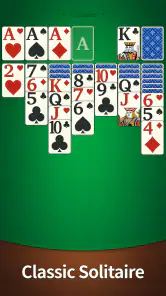
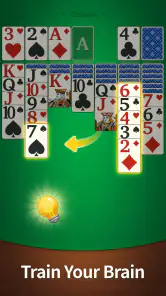
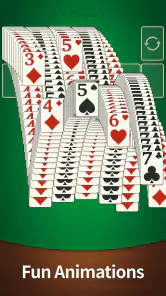
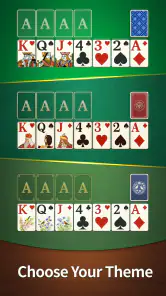
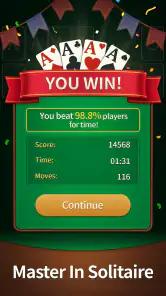
Analysis by Reviewed
What makes a solitaire game worth keeping on my phone is not a long list of extras; it is whether I can settle into a round without fighting the interface or feeling pushed to keep playing. Calm Solitaire: Classic Card appears designed around that modest promise. I’d consider it for a spare moment when I want a familiar puzzle, while keeping in mind that a classic format offers less variety than a game built around several modes or changing goals.
Where it fits in a busy day
For a realistic use case, picture waiting for a kettle to boil or sitting through a short delay before an appointment. A round gives that gap a simple shape: look over the layout, choose a move, and decide whether to continue when the interruption ends. I find that more satisfying than opening a feed and losing track of time, but it still needs enough attention to follow the cards. If I only have a few seconds, I would leave it closed rather than start and rush.
That distinction also helps answer whether it suits younger or less experienced players. The Everyone age guidance makes it broadly accessible, and solitaire’s basic idea is familiar to many people, but “easy to approach” does not mean every round is obvious. Someone new to the game may need time to understand why revealing a card can be more valuable than making an immediately available move. I would introduce it as a patient card puzzle, not as a fast reflex game.
Another practical choice is whether to play for a clean solution or simply to pass time. If I’m trying to solve the layout, I slow down and think about the consequences of moving cards between columns. If I’m just filling a wait, I accept that I may stop without finishing. Treating those as separate kinds of session makes the game easier to fit into a day and avoids turning a casual diversion into an obligation.
The main trade-off against a physical deck is convenience: a phone is ready in moments, while a real deck offers a tactile activity and does not keep me looking at a screen. Against other mobile solitaire games, this one’s straightforward identity may appeal if I want the card puzzle without a larger layer of goals. Players who want a rotating selection of games, social competition, or a strong progression loop should look for a title that clearly centers those things instead.
Those comparisons are useful because “solitaire” can mean different things on a phone. Some players want a faithful, quiet routine; others want variety, rewards, or a reason to return every day. I’d put this game in the first camp. If I were choosing for someone who gets bored after a handful of similar rounds, I would not assume that a relaxed presentation alone would keep them interested.
A familiar table, built for a quieter break
Art direction that stays out of the way
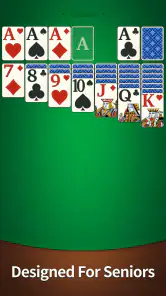
The game’s identity is captured more by its restrained aim than by a large fictional setting: it is a classic card game presented as a relaxing pastime. That distinction matters. Some mobile card games dress every session in elaborate themes or competing objectives; here, the basic appeal is the visible arrangement of cards and the satisfaction of working through it. The visual language needs to support scanning, not compete for attention.
You May Like

Clash of Clans Is Won Between the Battles

Android Auto Makes the Case for Quieter Car Software

MobiOffice: Transforming Mobile Productivity with Seamless Integration

EA SPORTS FC™ Mobile Soccer: Redefining Mobile Sports Gaming

How Microsoft OneDrive Became a Mobile Productivity Giant

How Google Translate Breaks Language Barriers Effortlessly
That makes this a natural fit for players who enjoy a clean mental task without wanting a story, characters, or a stream of distractions. I would choose it when I have a few quiet minutes and want to focus on a familiar pattern. It is less compelling if what I want from a game is a strong sense of place, a changing narrative, or a distinctive visual spectacle. Its mood depends on the appeal of solitaire itself, rather than a separate world layered over it.
The most useful way to approach a calm solitaire session is to treat the screen like a small workspace. Before making a move, scan the columns for exposed cards and think about what each move will reveal, rather than tapping the first legal option. That simple habit turns a familiar pastime into a more deliberate puzzle and helps avoid undoing progress through hurried choices. The game’s low-key premise is at its best when I bring that patient rhythm to it.
Sound and the pace of play
A relaxing card game should leave room for thought. The important question is not whether it keeps a player stimulated every second, but whether its presentation lets a sequence of moves feel steady rather than stressful. Calm Solitaire’s stated focus is on an easygoing solitaire experience, and that makes it a sensible candidate for a pause between tasks, a quiet evening, or a low-pressure wind-down.
I would not mistake that gentle framing for a guarantee that every session will feel effortless. Solitaire can still produce a run of awkward draws or a board that demands more patience than expected. That is part of the genre’s character: the mood may be calm, but the puzzle can leave you weighing options. If I am short on time, I set a modest goal—play until I reach a natural stopping point instead of insisting on finishing a game. That keeps a casual session from turning into a chore.
It also works better as a single-purpose break than as background entertainment for a task that needs concentration. A card layout asks for visual attention, even when the overall mood is unhurried. I would use it during a coffee break or while waiting, not while trying to follow a conversation or read something important. The useful trade-off is clear: it offers a simple activity to settle into, but it still expects me to look at the cards and make decisions.
Classic mechanics, with a practical way to play
As a card game, this is aimed at people who already know the pleasures of arranging cards and planning a few moves ahead. Its basic appeal is immediate, so it does not need a long tutorial pitch to explain why solitaire can be absorbing. The more interesting decision is how I play: patiently, scanning before moving, or casually, accepting that some rounds are simply a short diversion.
One non-obvious tip is to use a quick scan before each move: check whether a move exposes a hidden card, opens a useful space, or merely shifts a card without creating a new opportunity. That prevents a common solitaire habit—moving just because a move is available. Another is to pause after revealing a card. A newly exposed option can change the best order for the next few moves, so continuing on autopilot may waste a useful opening.
A third practical insight is to decide in advance whether a session is for relaxation or for solving. If I am unwinding, I can play at an easy pace and accept a stalled board without frustration. If I want a sharper puzzle, I can slow down and consider how each move affects the remaining columns. The same familiar game can serve both purposes, but it feels better when I choose one rather than expecting every round to deliver both a challenge and effortless calm.
Compared with a physical deck, a phone game is easier to start in a spare moment and does not require a table or setup. Compared with more feature-heavy solitaire apps, a focused presentation can be welcome if I do not want a busy menu or a competitive layer. The flip side is that players seeking fresh modes, extensive customization, or a more social card experience may find a straightforward classic format too limited. I would pick another option if those extras are the reason I play.
Who will enjoy it—and who may prefer another game
I can see this working well for someone who wants a familiar solo card puzzle that is easy to dip into without committing to a long session. It is also a reasonable choice for a casual player who values a calm tone more than unlockable content or elaborate progression. The age guidance is Everyone, which makes the game broadly approachable as a simple card pastime, though a younger player still needs to enjoy taking turns and thinking through a puzzle rather than expecting fast action.
It is less suitable for players who need a strong sense of achievement after every round, or who lose interest when a game stays close to one central activity. Those players may prefer a card title with varied modes or a more tactical game with changing goals. And if the point of a break is to rest your eyes completely, a screen-based card game is not the right answer; a real deck or a non-screen pause will serve that need better.
For everyday use, the best scenario is a short wait with no reliable way to settle into a longer activity: I can start a round, focus on arranging the cards, and stop when my turn elsewhere arrives. The key is not to treat every unfinished game as a failure. Solitaire is naturally suited to interrupted moments, and a relaxed approach makes the experience more useful than trying to squeeze a full session into an unpredictable gap.
A small but established option
Puzzle Brain Games is the developer behind this free game. It has an average rating of 4.1 from around 1,000 ratings, with 56 written reviews, and has passed 500,000 installs. Those figures suggest that it has found an audience, but they are not a substitute for deciding whether its simple, classic focus suits your taste. I would read the popularity as reassurance that it is not an obscure experiment, not as proof that every player will find it relaxing.
The release date is March 11, 2026, and the current version is 1.13.265. It requires Android 7.0 or later. Those details make it easier to judge basic compatibility, while the free price lowers the barrier to trying it. The version number alone does not tell me what has changed, so I would not choose the game on the assumption that it includes a particular feature or recent improvement.
Because it is free, the initial decision is relatively simple: try a short session and see whether the presentation and familiar card play suit your habits. I would judge it by the things that matter in repeated use—whether I can read the layout comfortably, whether the pace feels right, and whether I enjoy returning to the same kind of puzzle. That is a more useful test than treating a rating or install total as a promise that it will fit every player.
My verdict on its atmosphere
Calm Solitaire: Classic Card makes most sense when I want the familiar order of a solitaire puzzle without needing a larger game around it. Its strongest quality is the clear match between a quiet premise and a format that rewards patient attention. It can turn an idle few minutes into something gently absorbing, provided I do not expect a rich setting or constant novelty.
I would recommend giving it a try if classic card play is already your kind of downtime and you prefer a low-pressure session over a crowded mobile game. I would skip it if you are looking for deep strategic variety, a vivid fictional world, or a game that demands almost no attention while you play. For the right player, its modest scope is a strength: it keeps the focus on the cards and lets the pace come from your own decisions.
Calm Solitaire: Classic Card Frequently Asked Questions
What is Calm Solitaire: Classic Card?
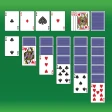
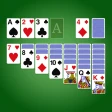
Calm Solitaire: Classic Card is a mobile card game built around the familiar solitaire format, commonly known as Klondike. The aim is to organize cards into foundation piles by suit and ascending order while moving cards between columns to uncover useful plays. It is intended for casual, individual play, so you can start a round whenever you have a few minutes rather than needing to join a multiplayer match.
Is Calm Solitaire: Classic Card free to download and play?
The game may be available as a free download, but the exact cost and business model can vary by platform, region, or version. Before installing, check its Google Play or App Store listing for in-app purchases, advertising, and any paid features. Also review the store page for current compatibility details, since availability and requirements may change after updates.
Can I play Calm Solitaire: Classic Card offline?
Solitaire is naturally suited to single-player sessions, and a game like this may let you play card rounds without a continuous internet connection. However, features such as advertisements, optional purchases, cloud saves, or online statistics can require connectivity. If offline access matters to you, check the app’s current store description and test a round after disconnecting from Wi-Fi or mobile data.
Does Calm Solitaire: Classic Card include hints, undo, or different difficulty options?
Solitaire apps often provide helpers such as undo or hints, along with settings that affect how cards are dealt or how a session is scored. The available options can differ between releases, so do not assume every feature is included. Check the in-game menus and the latest store listing to confirm which controls and difficulty settings are offered before downloading.
Is Calm Solitaire: Classic Card suitable for children, and what should I check before installing?
The basic card-game format is generally easy to understand, but suitability also depends on the app’s advertising, purchases, privacy practices, and age rating. Before installing, review the rating and data-safety or privacy information shown in the relevant app store. If a child will play, consider enabling purchase protections and supervising any advertisements or links to external content.
Pros
- Familiar solitaire rules make it easy to start playing.
- A relaxing pace suits short breaks and casual sessions.
- Classic card gameplay does not require a steep learning curve.
- Useful for players who enjoy quiet
- low-pressure games.
- A straightforward format keeps the focus on the cards.
Cons
- Solitaire gameplay may feel repetitive over time.
- Players seeking multiplayer features may find it too solitary.
- There may be limited variety for fans of complex card games.
- Progress can depend on luck as well as player decisions.
- Frequent play may offer little challenge to experienced solitaire fans.
- Category
- Card
- Version
- 1.13.265