Zeely: AI Marketing Platform
- 1.06K
- 4.3
- Installs
- 100.00K
- Price
- Free

Screenshots


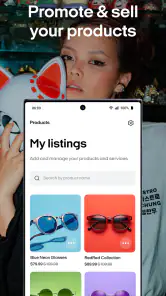
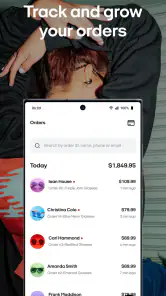
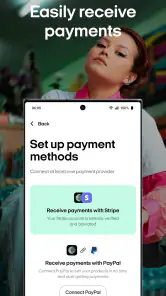


Analysis by Reviewed
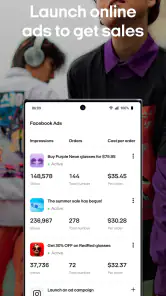
Running a small brand often means trying to be a strategist, designer, copywriter, and campaign manager at the same time. I found Zeely most interesting because it aims to bring those jobs into one productivity app instead of making me jump between a design tool, a planning document, and an advertising dashboard. Its central promise is practical: help create content, prepare campaigns, and keep brand growth moving.
My overall view is positive, but with an important qualification. This is most useful when I need momentum and structure, not when I want complete control over every creative or advertising decision. Zeely, AI Marketing Platform is free to install, developed by Zeely, Inc., and intended for everyone. It has built a solid audience, with over one hundred thousand installs, a 4.3 average from around eight thousand ratings, and roughly one thousand written reviews. Those figures suggest a product people are willing to try and continue evaluating, but they do not remove the need to decide whether its guided approach fits the way you work.
What using Zeely feels like in everyday marketing work
The first thing I noticed is that Zeely is easier to understand as a guided marketing workspace than as a single-purpose editor. The store summary points toward content, campaigns, and brand growth, and that combination matters. A business owner rarely struggles with only one isolated task. More often, the problem is that an idea never becomes a complete sequence: a post is drafted but not adapted for a campaign, a campaign is launched without a clear message, or a brand looks inconsistent because every piece of content is made in a different place.
Zeely’s value comes from reducing that gap. Instead of opening the app only to make an attractive image, I would use it at the beginning of a small marketing cycle. I might start with a product or service I want to promote, shape the message, prepare several pieces of content, and then use the campaign side to give that work a direction. That workflow is more useful than treating every post as a separate emergency.
The app is also a sensible option for someone who does not have a marketing background. Traditional advertising platforms often expose the user to too many decisions too quickly: audience settings, creative formats, objectives, schedules, and performance choices. Zeely’s appeal is that it appears designed to make those decisions feel less intimidating. For a first-time business owner, that can be the difference between experimenting with marketing and avoiding it altogether.
Why the guided approach is its biggest strength
I think the strongest part of Zeely is the way it encourages action. Many small businesses already know what they sell, but they do not know how to turn that knowledge into a repeatable content routine. A guided app can help convert a vague intention such as “I should promote this more” into a series of concrete steps.
That is especially helpful for service providers. A tutor, fitness instructor, beauty professional, local repair specialist, or independent consultant may not need an elaborate brand department. They need clear explanations of what they offer, useful content that answers customer questions, and a campaign that does not feel impossible to configure. Zeely makes more sense for that person than a collection of advanced tools that each require separate learning.
More From Our News Desk

Clash of Clans Is Won Between the Battles

Android Auto Makes the Case for Quieter Car Software

MobiOffice: Transforming Mobile Productivity with Seamless Integration

EA SPORTS FC™ Mobile Soccer: Redefining Mobile Sports Gaming

How Microsoft OneDrive Became a Mobile Productivity Giant

How Google Translate Breaks Language Barriers Effortlessly
There is also a subtle benefit in keeping content and campaign thinking close together. When I create content in isolation, I can easily focus on appearance and forget the intended action. When I think only about advertising settings, I can lose the human explanation that makes a product appealing. A combined workflow encourages me to ask better questions: Who is this for? What should the reader understand? What should happen next? That kind of discipline is more valuable than simply producing more posts.
A realistic scenario for a small business owner
Imagine I run a small home bakery and want to promote a seasonal order window. I could use Zeely to organize the basic message around what is available, who it suits, and how customers should respond. Rather than writing one broad announcement and hoping it works, I would separate the communication into useful angles: an introduction to the offer, a closer look at the products, and a reminder for people who need to decide soon.
The important insight is not merely that the app can help create content. It is that I can use the campaign goal to prevent the content from becoming random. The first piece can explain, the second can build confidence, and the third can encourage action. Even if I later refine the wording elsewhere, starting with that structure gives the promotion a clearer purpose.
For a solo operator, this can save mental energy. The real advantage is not necessarily producing something spectacular in one tap; it is avoiding the blank page and making the next marketing decision easier. That is a meaningful distinction, because a tool that helps me publish consistently may be more useful than one that creates a beautiful result I cannot reproduce next week.
Where it fits beside familiar alternatives
Zeely sits between several types of tools rather than replacing all of them. A dedicated design app is usually better when I need precise visual editing, detailed brand controls, or complete freedom over layouts. A social scheduling tool is usually better when my main concern is organizing posts across established channels. An advertising platform is stronger when I already understand targeting, budgets, objectives, and performance analysis.
Zeely is more appealing at the earlier stage, when I need help turning a business idea into presentable marketing material and a coherent campaign direction. I would choose it over a collection of separate tools when speed and guidance matter more than fine-grained control. I would choose a specialist alternative when my workflow is already mature and I know exactly which part needs improvement.
That difference also explains why experienced marketers may find the app less satisfying. If I already have a tested brand system, a content calendar, and campaign expertise, guided recommendations can feel like an extra layer rather than a shortcut. Zeely is not automatically the best tool simply because it combines several marketing tasks. Combination is useful only when it reduces friction instead of limiting a workflow I already understand.
Three practical ways to get more from it
My first recommendation is to begin with one clear offer rather than trying to represent an entire business at once. A narrow starting point makes the resulting content easier to judge. If I put every service, product, and audience into the first session, I risk getting material that sounds broad and forgettable. A single offer gives the app a better chance to support a focused campaign.
Second, I would treat generated or guided content as a first draft, not as the final voice of the brand. The time-saving value is real, but a business still needs personal details. I would add the phrases customers actually use, remove claims that sound too strong, and check every practical detail before publishing. This is one of the most important trade-offs: Zeely can help me move faster, but speed should not replace judgment.
Third, I would separate experimentation from identity. It is fine to test different campaign messages, but I would keep a short internal record of which tone, offer, and audience each version uses. Otherwise, the convenience of creating variations can lead to a scattered brand. The app can support exploration, yet consistency still depends on the person using it.
The friction I would not ignore
The main weakness is the same feature that makes Zeely approachable: guidance. A guided marketing experience can simplify the first steps, but simplification may also hide decisions that deserve closer attention. If I accept suggestions without checking the audience, message, or intended result, I may create content that looks complete while remaining strategically weak.
This matters most for businesses with unusual products or carefully regulated claims. A generic marketing structure may not capture a specialist service, and a polished sentence can still be inaccurate or unsuitable for a particular audience. I would always review wording, product details, and calls to action manually. The app should assist my thinking, not become the final authority over what my business says.
There is another limitation in the economics of a free app. Zeely is free to use at the entry level, but in-app purchases range from $4.99 to $199.99 per item. That broad range means I would pay close attention to which capabilities are included before building my entire workflow around the platform. A free starting point is useful for testing the experience, but it does not mean every useful part of the system will remain free.
I would also avoid judging the app solely by how quickly it produces an initial result. Marketing quality is cumulative. A campaign may be easy to prepare, but the business owner still needs to understand the offer, respond to customers, assess what happened, and improve the next attempt. Zeely can reduce setup friction; it cannot remove the need for a real business message or ongoing attention.
Who should use it, and who should look elsewhere
I would recommend Zeely to a solo entrepreneur, a new online seller, or a small local business that needs a practical starting point. It is particularly suitable for someone who feels stuck between having an idea and knowing how to promote it. The app’s productivity focus makes sense when the biggest problem is getting marketing work organized and completed.
It may also suit a small team where one person handles the business and another handles promotion only part-time. In that situation, a guided process can create a shared starting point. Instead of relying on scattered notes or improvised posts, the team can work from a clearer campaign idea and then edit the material according to its own standards.
I would be more cautious if I were managing a larger brand, a complex advertising operation, or a business with strict approval requirements. In those cases, dedicated design, scheduling, analytics, and advertising tools may offer better control. I would also skip Zeely as my main platform if I wanted complete creative authorship from the first blank canvas. The app’s usefulness depends on being comfortable with assistance and willing to refine what it gives me.
People who dislike subscriptions or add-on pricing should inspect the purchase prompts carefully before committing time to a full process. Since the app is free but includes paid items, I would first test whether the free experience covers my actual needs. That is a better approach than assuming the initial download tells me the whole cost of using it.
Compatibility, maturity, and first-time expectations
Zeely was released on October 4, 2023, and its current version is 8.7.0. It requires an operating system version 10 or newer, so I would check the device before downloading rather than discovering a compatibility problem halfway through the setup. The everyone age rating makes it broadly accessible, although the usefulness of the app clearly depends more on business goals than on age.
The version information also tells me that this is not something I would evaluate as a one-screen novelty. It has developed beyond its initial release and has attracted a meaningful user base. Still, I would approach any evolving marketing platform with a flexible workflow. I would keep copies of important brand text and campaign ideas outside the app, especially if those materials are valuable to my business.
For a first session, I would prepare three things: a plain-language description of the business, one specific offer, and a clear idea of the customer I want to reach. I would not begin by trying to make the brand look perfect. I would first see whether Zeely helps me express the offer clearly. That test reveals its real value much faster than spending time adjusting cosmetic details.
My final view after weighing the trade-offs
Zeely is a useful bridge between having something to sell and having a repeatable way to talk about it. Its strongest contribution is not that it magically solves marketing; it is that it makes the first practical steps less scattered. I like it best as a focused companion for planning content and shaping campaigns around one clear business goal.
The limitations are important. Guided tools can encourage shallow decisions if I accept every suggestion without editing. The free entry point also needs to be considered alongside in-app purchases, especially for anyone with a tight budget. And once a brand needs deep creative control or advanced campaign management, specialist tools may become the better choice.
My recommendation is therefore specific: try Zeely if you are a small business owner who needs direction, consistency, and a manageable way to start promoting an offer. Use it as a framework, personalize everything that represents your business, and keep your expectations realistic. It is strongest when it turns marketing hesitation into a concrete next step, not when it is expected to replace an experienced marketing team.
Zeely: AI Marketing Platform Frequently Asked Questions
What devices and operating systems can I use Zeely on?
Zeely is a mobile app for people who want to work on marketing tasks from a phone or tablet. Before downloading, check that your device runs a compatible operating system; the minimum requirement is version 10. Keeping your device’s software up to date can also help with compatibility. The app is listed for both Android and iOS, so choose the version intended for your device.
Who develops Zeely, and what should I expect from its user feedback?
Zeely is developed by Zeely, Inc. It has an average rating of 4.3 from around 7,800 ratings, with roughly 1,100 written reviews. Those figures can help you get a sense of how other users have responded, but individual experiences may differ depending on their business needs, chosen features, and subscription. It is worth reading recent user feedback to decide whether its approach suits your workflow.
What is Zeely: AI Marketing Platform, and who is it designed for?
Zeely is an AI-powered marketing platform aimed primarily at small businesses, entrepreneurs, freelancers, and creators who want help promoting products or services online. It can assist with creating marketing content, campaign ideas, promotional visuals, and other business materials without requiring advanced design or advertising experience. It is most useful for users who need a guided, simplified alternative to managing every marketing task manually.
What can I create with Zeely?
Depending on the available tools and your subscription, Zeely can help generate marketing assets such as advertising copy, social media content, promotional ideas, landing-page materials, and branded visuals. The app is designed to speed up the creative process by using information about your business, audience, and offer. However, AI-generated content should still be reviewed carefully for accuracy, tone, pricing, spelling, and compliance before it is published.
Is Zeely free to use, or does it require a subscription?
Zeely is free to download, but some features may require an in-app purchase. Its listed in-app purchases range from $4.99 to $199.99 per item, so costs can differ depending on what you choose. Before starting a trial or making a purchase, check the payment screen carefully, including any renewal terms, included features, and cancellation instructions.
Pros
- AI tools help create marketing content quickly.
- Useful templates simplify social media campaign planning.
- Can support small businesses with limited marketing experience.
- Combines several marketing tasks in one mobile platform.
- May reduce the need for separate design and copywriting tools.
Cons
- Advanced features may require a paid subscription.
- AI-generated content can need editing before publishing.
- Results depend on the quality of the information you provide.
- Some tools may feel limited compared with specialist platforms.
- Marketing recommendations may not suit every industry or audience.
- Category
- Productivity
- Version
- 8.7.0