Yoga Flex Home App
- 284.00
- 4.6
- Installs
- 10.00M
- Price
- Free

Screenshots


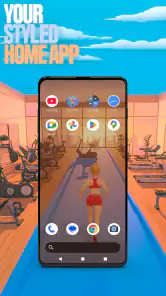

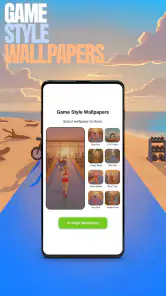
Analysis by Reviewed
Yoga Flex Home App has an unusual promise for a personalization app: its identity is tied to yoga, rather than to the familiar mix of wallpapers, icon packs, and general phone themes. That gives it a clear audience, but it also changes what I would look for before making it part of my routine. The key question is whether its yoga-centered style feels like a useful way to make a device more personal, or simply a theme that wears thin after the novelty passes.
I find that distinction more important than the app’s upbeat champion framing. Personalization is most satisfying when it makes a phone feel a little more like yours without creating extra work. A yoga-oriented concept can suit someone who wants a calm, movement-related visual identity, but it is a narrower fit than a broad customization tool. I would approach it as a focused choice for a particular taste, not as an all-purpose way to redesign every part of a phone.
A yoga identity, rather than a general makeover
What the central idea offers
The defining capability suggested by Yoga Flex is its yoga theme. That matters because a themed personalization app is not automatically useful just because it has a distinctive subject. Its value depends on whether the subject gives the home screen a look you actually enjoy seeing day after day. For someone drawn to yoga, flexibility, or a softer wellness-inspired feel, that focus can make the app easier to understand than a large catalogue of unrelated styles.
I also see the narrow focus as a practical filter. If you already know you want a yoga-flavored look, you do not need to begin by sorting through a broad collection of themes that have nothing to do with your taste. If you do not want yoga imagery or a fitness-adjacent mood on your phone, however, the same focus is a reason to look elsewhere. The app’s appeal is tied closely to whether that theme feels personal to you.
It is worth keeping the distinction between visual personalization and yoga instruction in mind. The app is categorized for personalization, so I would not choose it expecting a substitute for a yoga teacher, a structured practice plan, or a tool for tracking flexibility. Those are different jobs. If what you want is help with poses or training, a dedicated yoga or fitness app is the more sensible place to start.
Why a focused theme can be better than a huge catalogue
Many alternatives in personalization try to appeal to everyone by offering a wide range of looks. That can be handy when you enjoy changing styles often, but browsing a large catalogue also makes it easier to spend time comparing options without settling on anything. A yoga-focused app has a more defined personality, which may make the decision simpler for a person who already likes the subject.
The trade-off is variety. A broad wallpaper or launcher tool usually makes more sense if you want to switch between unrelated moods, coordinate multiple parts of the interface, or build a look around a different interest every few weeks. Yoga Flex is better considered by people who want a specific theme to guide their choice. I would not assume that a focused identity means more customization controls; I would judge it by whether the available presentation suits my own phone and habits.
That is also why I would keep expectations grounded. A distinctive theme can make a screen feel more considered, but it does not necessarily change how the phone works. The best result is often a small, pleasing improvement to the everyday experience, not a transformation that makes every other customization tool unnecessary.
How I would approach it in practice
My first step would be to decide what I want the phone to feel like before changing anything. For this app, that means asking whether I want a yoga-inspired look to be visible every time I unlock the device, or whether I only like the idea in passing. That simple check helps avoid the familiar personalization mistake of choosing a theme because it sounds appealing, then finding it distracting in daily use.
I would also take a deliberate, reversible approach: look through the app’s available choices, make one change at a time, and use the phone normally before committing to a bigger makeover. This is a useful workflow for any theme-based app because it lets you notice whether the result feels comfortable alongside your ordinary apps, messages, and home-screen habits. It is especially helpful when the theme is visually specific, as a yoga-centered design may be.
A second useful test is to consider where the phone is used. A look that feels relaxing in the evening might not be the one you want on a work device that you check quickly throughout the day. Likewise, a personal phone used mostly at home can be a better place to experiment than a device you rely on for fast navigation and practical tasks. Thinking about context before customizing is a small step, but it can prevent a theme from becoming visual clutter.
I would avoid changing several visual elements at once if the app presents multiple choices. When a home screen feels right or wrong afterward, changing one thing at a time makes it easier to identify the cause. That is not a claim about a special feature inside Yoga Flex; it is a straightforward way to get more value from any personalization app and make your decision easier to undo or refine.
A realistic everyday use
Picture someone who practices yoga occasionally and wants their personal phone to reflect that interest without turning it into a training device. They could explore Yoga Flex during a quiet moment at home, choose a look that feels pleasant, then use the phone as usual for a few days. The useful test is not whether the theme looks appealing in a preview; it is whether it still feels welcome when checking a message in a hurry or opening the phone first thing in the morning.
If the design keeps that person’s home screen feeling personal and calm, the app has served its purpose. If it draws attention away from the apps they need or feels too tied to one interest, they can return to a simpler look or choose a broader personalization option. This is why I would treat the installation as a low-stakes experiment rather than a commitment to a new routine.
There is a related use case for a shared household device or a spare phone that could use a more distinctive identity. A focused theme can make a device feel less generic without asking its owner to reorganize every app. But if several people share the phone and have different tastes, a more neutral design is likely to last longer. A theme is personal by nature, so it works best when the person using the device is the one choosing it.
Where the trade-offs matter
The main limitation I would weigh is how specialized the concept is. A yoga theme will not suit everyone, and a person looking for an extensive set of unrelated styles may find a general wallpaper or launcher alternative more appropriate. The app’s clear identity is a strength only when it matches the user’s preferences; it is not a reason to install it if yoga has no appeal.
I would also separate the promise of a themed experience from the amount of control a user may want. Some people are happy with a ready-made look, while others want to fine-tune colors, icons, layouts, and other details individually. Those are different expectations. Before making Yoga Flex the basis of a full redesign, I would check whether the choices it offers fit the level of control I personally need, rather than assuming that a personalization category guarantees a particular set of editing tools.
Another reasonable trade-off is longevity. A theme that feels fresh on the first day can become background noise, or it can remain a small pleasure each time the phone is unlocked. I would give it a few ordinary days before deciding. That is more revealing than repeatedly opening a preview, because normal use shows whether the look competes with notifications, frequently used apps, or the rest of the device’s appearance.
The app is free, which makes trying it less of a financial decision, but free does not mean every user will find it worthwhile. Time, attention, and a preference for a certain visual style still matter. If you only want a plain home screen, or if changing your phone’s appearance tends to annoy you, there is little reason to add another customization app to your routine. A simple setup may be the better choice.
Who is likely to enjoy it
I would point Yoga Flex toward someone who likes yoga as an interest and wants that interest reflected in a phone’s appearance. It may also suit a person who prefers a focused theme to a crowded catalogue, provided they are comfortable with the app’s yoga-centered identity. Hadiz Studio is the developer, and the app sits in the personalisation category, so I would evaluate it as a visual-choice tool rather than as a source of exercise guidance.
People who want a more general phone makeover should compare it with broad wallpaper or launcher apps instead. Those alternatives are usually a better starting point when the goal is to coordinate many different styles or to change the phone’s layout substantially. By contrast, Yoga Flex is worth considering when the theme itself is the reason for customizing. That is a narrower use, but it is also a clearer one.
The age rating is Teen, so families deciding whether it suits a younger phone user should take that label into account. The app is free to download, and its current version is 1.8. It requires Android 8.0 or later, which is a practical check to make before trying it on an older device. I would confirm compatibility on the phone I plan to use rather than assume that an app’s availability is the same across every device.
Its average rating is 4.6 from around 51 thousand ratings, and it has passed 10 million installs. Those figures suggest that many people have tried it and that user response has been positive overall, but they do not tell me whether its particular theme fits an individual’s taste. I treat popularity as context, not as a substitute for deciding whether I want a yoga-inspired look on my own screen.
My recommendation
Yoga Flex is most convincing when you want a phone theme with a clear yoga-centered personality, not when you expect an all-purpose customization suite or a yoga coaching tool. Its focused identity can make the choice feel direct for the right person, while the same specialization gives people with broader or unrelated tastes a good reason to pick another option.
I would try it if yoga is already part of your interests and you enjoy making your phone reflect them. Take a little time to see how the look feels during ordinary use, and keep the changes modest until you know it suits your screen. If you want detailed control over a wide range of styles, or practical guidance for a yoga practice, a different kind of app is likely to serve you better. For the person who simply wants a more personal, yoga-themed home-screen experience, Yoga Flex is a focused option worth considering.
Yoga Flex Home App Frequently Asked Questions
What is Yoga Flex Home App, and who is it designed for?
Yoga Flex Home is intended to help users practise yoga and flexibility exercises at home, without needing to attend a studio. It may suit beginners looking for guided movement as well as more experienced users who want a convenient way to add stretching to their routine. Before downloading, check the app’s current description and content, since available sessions and difficulty levels can vary by version.
Do I need yoga experience or special equipment to use the app?
You may be able to follow some routines without previous yoga experience, but the suitability of each session depends on its pace, poses, and instructions. A yoga mat can make practice more comfortable, while blocks or straps may be useful but are not always required. Review any beginner guidance and equipment notes in the app, and choose movements that match your ability rather than forcing a stretch.
Is Yoga Flex Home free, and are there in-app purchases or subscriptions?
The cost and access model can change, so check the app listing and payment details before installing or starting a trial. Some fitness apps provide free introductory content but reserve additional routines or features for a subscription or one-time purchase. If a trial is offered, read its duration, renewal terms, and cancellation instructions carefully to avoid an unexpected charge.
Can I use Yoga Flex Home safely if I have an injury or health condition?
Yoga and stretching are not appropriate for every person or every condition, and an app cannot assess your individual health or correct your form in person. If you are pregnant, recovering from an injury, managing a medical condition, or unsure whether a pose is suitable, consult a qualified healthcare professional before practising. Stop if you feel pain, dizziness, or unusual discomfort.
Does Yoga Flex Home work offline, and what should I check before downloading?
Offline access is not guaranteed and can depend on how the app delivers its classes, so check its current store listing or settings if you plan to practise without internet. Also review device compatibility, required permissions, supported languages, and recent user feedback. Download it from an official app store, and make sure you have enough storage and a safe, clear space for movement.
Pros
- Offers guided yoga sessions for convenient at-home practice.
- Can help users build a regular stretching and movement routine.
- Suitable for practicing without traveling to a studio.
- Lets users choose a session that fits their available time.
- May support relaxation through gentle
- mindful movement.
Cons
- Small screens can make it harder to follow pose demonstrations.
- Home practice offers no instructor to correct alignment.
- Some poses may not suit users with injuries or limited mobility.
- A quiet
- spacious practice area may be difficult to arrange.
- Progress can be harder to track without personalized feedback.

- Category
- Personalization
- Version
- 1.8