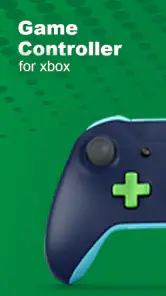
XB Game Controller
- 11.00
- 3.6
- Installs
- 50.00K
- Price
- Free
Screenshots
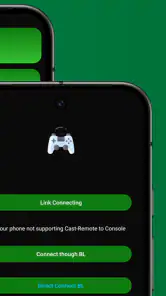
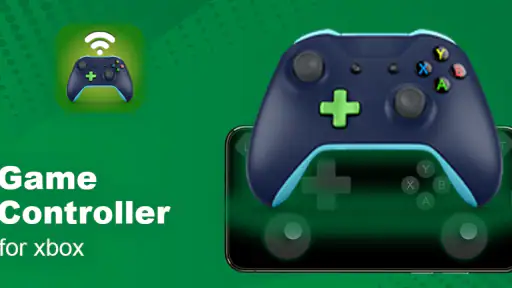
Analysis by Reviewed
I like the idea behind XB Game Controller: using a phone as a way to operate an Xbox rather than reaching for a separate controller every time. That can be handy when I want to browse, make a quick selection, or manage a session from the sofa. It is a more specialized tool than a conventional game library or demo app, so the important question is not whether a phone can replace a gamepad in every situation, but whether this kind of control fits the task I have in mind.
Developed by Fa9ssa, this free app sits in the libraries-and-demos space and is intended for a broad audience; its content rating is Everyone. It has a 3.6 average from around 280 ratings and has passed 50,000 installs. Those figures suggest that people are trying it, but they don’t make it an automatic choice for every Xbox owner. I’d judge it by the practical fit: a phone is always nearby, yet it is still a touchscreen, and that changes what feels comfortable to control.
Start with a simple, repeatable setup
Make the first session a test, not a gaming marathon
My advice is to begin with a low-pressure task. Open the app, follow its on-screen setup, and try a basic interaction before relying on it for a long session. A menu, a media screen, or another forgiving task is a better first test than a fast game where a missed tap matters. This gives you a chance to see whether the phone and console are communicating as expected and whether the controls feel natural in your hand.
I would also keep the standard Xbox controller within reach during that first run. That isn’t a criticism of the app; it is a sensible way to learn a new control method. If something feels awkward, you can switch back immediately instead of turning a small setup snag into a frustrating evening. Once the connection and touch layout are familiar, you can decide which jobs are genuinely easier on the phone.
A useful habit is to separate “control the console” from “play a game.” Phone-based input can be appealing for navigation or occasional actions, but a touchscreen lacks the physical feedback and distinct buttons of a gamepad. I wouldn’t assume that every title will feel good simply because the app can serve as a controller. Treat the first few minutes as a compatibility and comfort check, then use it where it earns its place.
Choose a job for the phone before reaching for it
The most practical use case is often the one that doesn’t require precision. Imagine settling in to watch or browse something and realizing the controller is across the room. A phone already in your hand can be a convenient way to handle a quick menu action, rather than getting up or interrupting what you’re doing. Another everyday situation is keeping the usual controller charging while using the phone for a brief, noncompetitive session.
There’s a trade-off, though: using your phone as a controller ties up the device you might otherwise use for messaging, browsing, or other tasks. If you regularly switch between apps, the phone may be less convenient than a dedicated gamepad that can stay ready beside you. I’d think of XB Game Controller as an extra control option, not as a reason to put away every other input device.
Before settling into a longer session, make sure the phone is comfortable to hold and that the screen is easy to reach without stretching your thumbs. A case with a slippery finish or a large phone can make repeated touch input tiring. Small practical details like where you sit, whether the phone is charging, and whether you need it for something else can matter more than the novelty of controlling the console from it.
Check the controls and build a routine
Spend a minute learning what each tap does
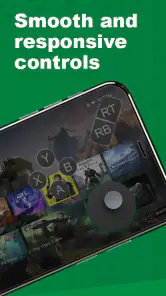
Rather than tapping around during an important moment, take a little time to understand the controls shown in the app. Confirm which on-screen areas correspond to the actions you use most, and try them deliberately. A short familiarization pass helps prevent the common touchscreen mistake of hitting a nearby control when your thumb covers part of the display.
I’d pay special attention to any control you expect to use repeatedly. If a button is small or close to another action, slower, deliberate taps may be more reliable than quick thumb movements. This is one place where a physical controller has a clear advantage: its buttons are separated by feel. The phone’s strength is convenience, not tactile precision, so it pays to adapt your pace rather than expect the screen to behave like a gamepad.
Keep the phone orientation and grip consistent once you find a comfortable arrangement. Changing how you hold it between sessions can make familiar controls feel misplaced, particularly if you rely on muscle memory. A repeatable starting position—phone in the same hand, screen at a similar angle, and thumb resting away from active controls—makes short interactions more predictable.
Use shortcuts as habits, not assumptions
Experienced users often get more value from a modest tool by repeating a simple workflow. For example, I’d keep the app easy to find, open it before I need to make a quick console adjustment, and use the same sequence of actions each time. That reduces fumbling without depending on undocumented shortcuts or assuming the app can automate tasks it doesn’t explicitly offer.
It also helps to decide in advance when to switch back to the regular controller. If a task becomes more demanding, involves frequent simultaneous inputs, or requires precise timing, use the gamepad. That handoff is not a failure; it’s a good division of labor. The phone can cover convenience tasks, while the dedicated controller remains the better tool for sustained, demanding play.
For a household with more than one person, I would establish a simple turn-taking routine rather than passing a phone around mid-action. The person holding the phone has the controls, and the device may contain personal notifications or other distractions. Keeping the session focused and agreeing who is operating the console avoids accidental taps and makes the phone feel like a deliberate remote instead of an improvised shared gamepad.
Keep expectations realistic about connection and comfort
Wireless control is only useful when the connection remains dependable. If commands seem delayed or the interaction feels inconsistent, pause and check the basic setup before blaming your own timing. Restarting the session and repeating the app’s connection steps can be a more useful troubleshooting habit than rapidly tapping the screen. I would avoid starting a high-stakes game until the controls have behaved consistently in a simple test.
Comfort is just as important as connection. A phone held above your lap for a long time can tire your hands, and the screen may be harder to read or reach than a controller’s familiar layout. For a few selections or a short session, that may be a fair exchange. For hours of play, I’d generally choose a proper gamepad, especially when the game depends on accurate movement or several inputs at once.
Where it fits—and where it doesn’t
A different option from a standard gamepad
Compared with an ordinary Xbox controller, the phone is easier to have nearby and can be useful when you don’t want to pick up another accessory. Compared with a typical remote-style app, its appeal is specifically the controller role rather than general phone management. That distinction matters: if all you need is occasional navigation, a dedicated remote or the console’s usual interface may be simpler. If you want to try touch-based control from the phone you already carry, this app is the more relevant experiment.
It is not a substitute I’d recommend universally. Players who rely on precise timing, comfortable physical buttons, or long sessions are likely to prefer their regular controller. People who need a dependable input method for a competitive match should not make a touchscreen their only option. Likewise, if you rarely use the Xbox without a controller close by, the app may solve a problem you don’t really have.
On the other hand, it can make sense for someone who wants a lightweight backup or a convenient way to handle occasional console interaction. The best fit is a user who values having another option more than having a perfect replacement. That is a narrower promise, but it is also a more honest way to evaluate a phone controller: usefulness depends on the task and the user’s tolerance for touch controls.
Version and device basics to keep in mind
The current release is version 15.0, and the app’s minimum operating-system requirement is Android 7.0. If you’re setting it up on an older Android phone, check that requirement before spending time troubleshooting. The version number tells you which release you’re installing, but it doesn’t change the main practical advice: test the connection and control feel on your own setup before depending on the app.
Because it is free, it is relatively easy to try without treating it as a major purchase decision. I’d still approach installation thoughtfully: use the app for the purpose you actually need, and decide after a short trial whether the screen-based controls are comfortable enough to keep in your routine. The right question is not simply “Does it work?” but “Does it work well enough for the way I use my Xbox?”
My verdict is that XB Game Controller is worth considering as a convenient companion, especially for quick, low-precision interactions and as a backup when a physical controller isn’t at hand. Its strongest approach is to pair it with a repeatable setup, learn the touch controls in a calm moment, and switch to a gamepad whenever precision or extended comfort matters. If you want a complete replacement for a traditional controller, I’d skip it; if you want a phone-based option for occasional control and understand the trade-offs, it is a reasonable app to try.
XB Game Controller Frequently Asked Questions
What is XB Game Controller, and what does it do?
XB Game Controller is an app intended to let you use a compatible mobile device as a controller for supported games or gaming systems. Its features and connection options can vary by version and device, so check the app listing and its setup instructions before installing. In particular, confirm that your game or console is supported; an app cannot provide controller functionality for every game automatically.
How do I connect XB Game Controller to a game or console?
The setup process depends on the app version and the device or game you want to control. The app may require Bluetooth, Wi-Fi, a companion app, or additional configuration, so follow its on-screen instructions rather than assuming that pairing alone is enough. Keep both devices on a compatible network when required, enable the requested permissions, and check the developer’s guidance if the controller is not detected.
Is XB Game Controller compatible with my phone and games?
Compatibility can depend on your Android or iOS version, the controller app’s current release, and the game or system you intend to use. Before downloading, review the store listing for supported operating systems and any stated requirements. Also verify game compatibility separately: some games accept external or virtual controllers, while others do not, even if the app installs and opens successfully on your phone.
Is XB Game Controller free, and does it include ads or in-app purchases?
The price, advertisements, and available purchases may differ by platform, region, and app version. Check the Google Play or Apple App Store listing before downloading for the current price and details about in-app purchases or subscriptions. If the app offers optional paid features, review what they unlock and whether a purchase is required for the connection or controller functions you plan to use.
Is XB Game Controller safe, and what permissions might it request?
Download XB Game Controller only from a trusted official app store, and review the developer information, privacy policy, and permissions shown before installation. Depending on how the app connects to another device, it may request Bluetooth, nearby-device, or network access. Grant only permissions that make sense for the feature you are using, and avoid entering account credentials unless you can verify why they are needed.
Pros
- Supports a wide range of Android games that offer controller input.
- Physical buttons can be easier to use than touchscreen controls.
- Useful for testing controller compatibility before starting a game.
- Can make long gaming sessions more comfortable for some players.
- A practical option for games with complex or precise controls.
Cons
- Compatibility depends on the game and the connected controller.
- Some games may require manual button mapping or setup.
- Controller features can vary across Android devices and versions.
- Wireless play may introduce input lag or connection dropouts.
- The app cannot add controller support to games that lack it.
- Category
- Libraries & Demo
- Version
- 15.0