Workit Health
- 1.41K
- 4.8
- Installs
- 100.00K
- Price
- Free

Screenshots


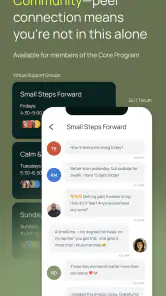

Analysis by Reviewed
When recovery support has to fit around work, family, or an uncomfortable day, opening a phone can feel easier than arranging another appointment. That is where Workit Health makes sense. It is a medical app from Workit Health focused on online support and medication for opioid and alcohol recovery, and I found its strongest idea to be continuity: care is designed to stay within reach instead of depending entirely on a clinic visit.
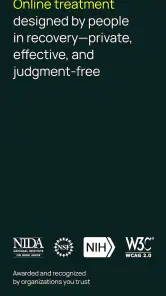
I would not describe it as a motivational quote app or a simple sobriety tracker. Its purpose is more serious, and the mature 17+ rating reflects that. The app sits closer to a digital treatment service than to a general wellness tool. That distinction matters because the right question is not whether it has entertaining features, but whether its approach matches the kind of professional support you need.
The app is free to install, which lowers the barrier to exploring it. It has earned a 4.8 average from around 2.7 thousand ratings, with more than a thousand written reviews, and has passed 100 thousand installs. Those figures suggest that many people find the model useful, although popularity should never replace a conversation with a qualified clinician when withdrawal, relapse risk, or medication decisions are involved.
How I would use the app as a starting point for recovery care
My baseline workflow would be deliberately simple. I would begin by treating Workit Health as the place to organize recovery care, not as an app I open only when I feel tempted to drink or use opioids. The first useful habit is to check in at a predictable time, then use the available care pathway consistently. A routine creates a record of how support fits into real life, while irregular use makes it harder to notice what is helping.
A realistic example is a person whose mornings are rushed and whose evenings are emotionally difficult. Instead of waiting until a crisis, they might reserve a few quiet minutes after waking to review the day ahead and prepare for any care-related task. Later, when stress rises, the app is already part of an established routine rather than a last-minute rescue attempt. I like this approach because it reduces the mental effort of deciding what to do each time.
The online format can be especially practical for someone who struggles to attend frequent in-person appointments, lives far from a suitable provider, or wants recovery support that does not require explaining an absence at work. It can also help a person keep care in one familiar place. That convenience is meaningful, but it should not be confused with emergency treatment. Severe withdrawal symptoms, overdose risk, or an immediate danger situation call for urgent local medical help, not a phone-based routine.
One detail I would keep in mind is privacy in everyday use. A recovery app may be opened in a shared home, during a break at work, or while traveling. I would choose a private moment, avoid discussing sensitive matters where others can hear, and make sure the phone itself is protected. These are not flashy app features, but they affect whether someone can use digital care comfortably and honestly.
What to check before depending on it
Before building a recovery plan around any online medical service, I would confirm that its care model suits my situation. Workit Health is aimed at opioid and alcohol recovery, so it is more relevant to those needs than to general anxiety, sleep, or everyday habit change. Someone looking only for a meditation library or a basic alcohol-free day counter would probably find the medical focus heavier than necessary.
I would also think about what kind of contact I actually need. Digital care can be convenient, but some people benefit from a local clinician, group meetings, family involvement, or a facility that can observe them in person. If symptoms are unstable or there are complicated medical conditions involved, the online format may not be enough on its own. In that case, it could complement local treatment rather than replace it.
The app’s current version is 4.7.2, and it supports devices running iOS or Android 9 and later. That makes checking the operating system worthwhile before spending time setting everything up. I would also keep the app updated through the normal store process, because medical software can change its screens and workflows over time. The basic lesson is simple: a smooth installation is useful, but compatibility is only the first part of deciding whether the service belongs in your care plan.
Settings and habits worth checking early
Experienced use starts with reducing friction. I would review notification choices instead of accepting every alert automatically. Recovery reminders can be helpful when they arrive at a sensible time, but an alert during a meeting, while driving, or in a shared environment may create stress or expose private information. A predictable reminder that I can respond to is more useful than a constant stream that I eventually ignore.
I would also decide where the app fits in my daily sequence. For example, opening it after breakfast may work better than promising myself I will remember later. If medication-related care is part of the plan, I would connect the app routine with the safe medication instructions provided by a clinician or pharmacist, rather than improvising from an app screen. The phone can support a plan; it should not become the source of unsupervised dosing decisions.
Another practical check is language and honesty. I would use the app when I can answer clearly, not while distracted or trying to give the response I think someone wants to see. A short, truthful update is more valuable than a polished but inaccurate one. If a difficult day happens, hiding it defeats much of the purpose of a continuing care record.
There is also a useful distinction between convenience settings and clinical decisions. Adjusting when I receive reminders is a personal workflow choice. Changing medication, ignoring a clinician’s instruction, or treating a missed step as harmless is not. Keeping those categories separate prevents the app from feeling more autonomous than it really is.
Faster patterns that make regular use easier
The quickest way to use Workit Health is not to rush through sensitive information. It is to remove repeated decisions. I would establish one daily checkpoint, keep the phone accessible but private, and follow the same order each time. That pattern makes it easier to notice when something has changed without turning every session into a long planning exercise.
I would prepare questions before a care interaction rather than trying to remember them under pressure. A note outside the app can help me record symptoms, side effects, cravings, sleep changes, or practical obstacles as they occur. Then, when it is time to use the care service, I can describe the week more accurately. This is a small but powerful workflow improvement because memory tends to compress difficult days into a vague impression.
For someone balancing recovery with employment, a repeatable pattern might be a private check before the workday, a brief review during a safe break only when necessary, and a longer reflection at home. The point is not to be constantly connected. It is to make support available at the moments when it can actually be used. I would avoid opening the app in a situation where privacy is uncertain or where I cannot respond thoughtfully.
Another advanced habit is to treat missed use as information rather than failure. If I repeatedly skip evening check-ins, the problem may be the timing, fatigue, childcare, or fear of confronting the day. Moving the routine to a calmer period is more productive than simply adding more reminders. This is where a digital service can help indirectly: it exposes the practical shape of a person’s routine, not just their intentions.
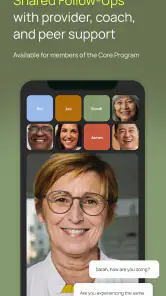
Workit Health may also be easier for people who prefer structured professional care over assembling several separate tools. A standalone tracker can show progress, and a peer-support community can reduce isolation, but neither necessarily provides the same medical orientation. On the other hand, someone who already has a trusted local treatment team may prefer the directness and personal relationship of that arrangement. The better option depends on whether online access solves a real obstacle or merely adds another screen.
Where the online approach reaches its limits
The most important limitation is that a phone cannot physically assess someone in the way an in-person medical team can. It cannot replace urgent observation, emergency intervention, or a local response when a person is at immediate risk. I would never use a convenient digital workflow as a reason to delay emergency care, especially with opioid-related danger or potentially serious alcohol withdrawal.
There is also a human limitation. Some people communicate openly through a screen; others find it easier to speak face to face. If digital appointments or messages make you minimize symptoms, the convenience becomes counterproductive. The service may be online, but recovery is still personal and sometimes requires support from people nearby.
Medication adds another layer of responsibility. Workit Health’s focus on medication-supported recovery can be valuable for people whose treatment plan includes it, but medication is not a universal answer and should not be approached as a self-service shortcut. I would want clear clinical guidance, a safe storage plan, and a way to obtain urgent help locally if circumstances change. The app can be part of that structure, but it does not remove the need for medical judgment.
I would also skip it if my main goal were a lightweight habit tracker with no clinical involvement. The mature rating and medical purpose signal that the subject matter is substantial. A person seeking only reminders to drink less, a calendar of alcohol-free days, or general encouragement may prefer a less intensive wellness app. Conversely, someone who wants recovery care without traveling may find this focus far more relevant than a generic tracker.
Who gets the most value from Workit Health
In my view, the best fit is someone who wants professional recovery support but needs it delivered online. That could include a person with a demanding schedule, limited transportation, discomfort with traditional clinic routines, or a preference for handling early steps privately. It may also suit someone who appreciates a repeatable digital workflow and is willing to be honest about setbacks.
It is less suitable for a person who needs immediate in-person supervision, has an emergency, or expects an app to manage recovery without active participation. It is also not a replacement for every form of support. Peer groups, trusted friends, family, local clinicians, and emergency services each serve different purposes. I would think of Workit Health as one part of a support network, not the entire network by default.
The free entry point makes it reasonable to examine whether the approach feels comfortable before committing to a routine. Still, I would judge it by the quality and suitability of the care experience, not simply by the absence of an installation charge. Medical needs are too individual for a low barrier alone to make an app appropriate.
My final view after looking at the complete workflow
I see Workit Health as a focused medical app rather than a general recovery companion. Its strongest advantage is the attempt to bring opioid and alcohol recovery care into an online routine that can fit around ordinary life. The most useful way to approach it is with a stable schedule, carefully chosen notifications, prepared questions, and realistic expectations about what a phone can and cannot do.
The app works best when it supports a broader, safety-conscious treatment plan instead of pretending to be the plan itself. That is also the key trade-off. Online access can remove practical barriers, but it cannot provide every kind of observation, urgent response, or human connection. I would recommend exploring it to someone seeking structured online recovery care, while encouraging them to keep local emergency options and additional support close at hand.
For my own recommendation, I would say yes to people who value convenience and professional guidance in a digital format, and no to anyone looking for a casual tracker or immediate crisis treatment. Workit Health earns its place by being specific about a serious need. Used consistently and with appropriate medical boundaries, it can make recovery care easier to reach without making the process feel trivial.
Pros
- Personalized support can make recovery feel more structured and manageable.
- Digital access may reduce the need for frequent in-person appointments.
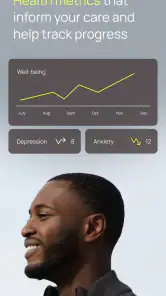
- Progress tracking helps users monitor goals and treatment milestones.
- Educational resources can improve understanding of addiction and recovery.
- Useful for people seeking support alongside an existing care plan.
Cons
- Availability of medications and services may depend on your location.
- Subscription or treatment costs may be difficult for some users to afford.
- Remote care may not suit people who need intensive in-person supervision.
- Some features require reliable internet access and a compatible device.
- The app is not designed for immediate help during a medical emergency.

- Category
- Medical
- Version
- 4.7.2