Virta Health
- 483.00
- 4.5
- Installs
- 100.00K
- Price
- Free

Screenshots

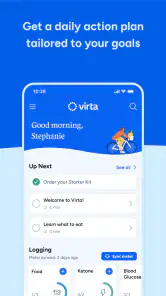
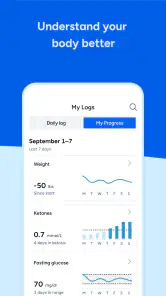
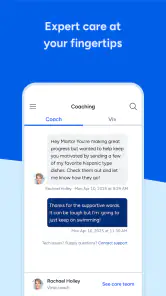


Analysis by Reviewed
Virta Health is a medical app built around a focused idea: helping people work toward weight loss and better diabetes management through ongoing support rather than a one-time information dump. I found that its real value is not the short store message, but the way the app can become part of a person’s daily health routine. That distinction matters, because managing diabetes is rarely about knowing one more fact; it is about making many small decisions consistently.
Developed by Virta Health, the app is free to download and is suitable for everyone from an age-rating perspective. It has reached over 100 thousand installs, with an average rating of 4.5 from around 1 thousand ratings and 483 written reviews. Those figures suggest that many people find the service useful, although they should not be mistaken for a guarantee that it will suit every medical situation.
I would describe it as a companion for people who want structured help with diabetes-related lifestyle changes, especially when they prefer regular guidance over managing everything alone. It is not the kind of app I would treat as a replacement for a clinician, and it is not a casual calorie counter. The most important question is whether you want a guided health program and can engage with it steadily.
Why the app’s central capability matters
The strongest part of Virta Health is its emphasis on reversing diabetes as a practical, continuing goal rather than presenting weight loss as an isolated challenge. In everyday use, that changes the way I look at the app. The focus is not simply “record a meal and move on.” It is about connecting daily choices with a broader health objective.
That approach is particularly relevant for someone who feels overwhelmed by conflicting nutrition advice. Standard diet apps often leave the user to choose a target, interpret charts, and decide what action to take next. Virta Health is more appealing when the difficult part is not collecting information but turning it into a repeatable routine.
The useful capability is guided accountability around diabetes-focused lifestyle change. Accountability can sound ordinary, but it has a real effect when a person is trying to change habits that are tied to meals, work schedules, family routines, stress, and medication decisions. A record of what happened is helpful; knowing how to respond to that record is usually more valuable.
I also appreciate that the app’s purpose is more specific than general wellness. A broad fitness tracker may encourage movement, sleep, or calorie awareness, but Virta Health is aimed at a medical concern. That sharper purpose can make the experience feel more relevant to someone living with diabetes or trying to address weight-related health risks.
At the same time, the wording around reversing diabetes deserves a careful reading. I would not interpret it as a promise that every user can stop treatment or achieve the same result. Health outcomes depend on a person’s condition, clinical supervision, habits, and response over time. The app is best understood as support for a care approach, not a shortcut around professional medical advice.
How I would use it during a normal week
The app makes the most sense when I treat it as a check-in point rather than an occasional reference book. A useful routine would be opening it at a consistent time, reviewing the guidance available to me, and using that moment to think about the next meal or the next decision that could affect my health. The benefit comes from repetition, not from browsing every screen once.
For example, imagine a user who works in an office and regularly reaches late afternoon hungry, tired, and unprepared. A general nutrition app might show a daily target, but that does not solve the immediate problem. With Virta Health as part of the routine, the user can approach the situation as a health-management decision: plan ahead, reflect on what has worked, and use the program’s guidance instead of improvising under pressure.
That is one of the less obvious strengths of a focused medical app. It can help move the user’s attention from abstract goals to predictable moments of difficulty. The important workflow is to identify those moments before they happen. I would use the app after a difficult day not to punish myself, but to notice the pattern and prepare a more realistic response for tomorrow.
Another practical insight is that consistency matters more than perfect entries. Someone who abandons the app after missing a day may get less value than someone who returns and continues. Health routines are rarely flawless, so an app like this should be used as a place to restart quickly, not as a test of personal discipline.
Virta Health is also more suitable for users who are willing to engage with guidance than for people who only want passive tracking. If I wanted nothing more than a simple graph of weight or glucose readings, I would probably choose a narrower tracking tool. The appeal here is the connection between monitoring, education, and action.
A realistic scenario where it can fit
Consider someone recently told that their blood sugar and weight need serious attention. They may already have tried generic diets, downloaded several fitness apps, and become discouraged by advice that feels disconnected from medical reality. In that situation, Virta Health can offer a more coherent place to organize the effort.
I would use it in the morning to set an intention for the day, during a difficult meal decision to stay aligned with the program, and in the evening to reflect without turning the process into self-criticism. The app cannot remove family celebrations, restaurant menus, shift work, or emotional eating, but its focused purpose can make those situations easier to examine honestly.
The best results are likely to come when the user shares relevant concerns with their healthcare professional instead of keeping the app separate from their care. If medication is involved, I would be especially careful not to make changes based only on an app screen or a personal interpretation of progress. The app can support communication, but it should not become the sole authority for treatment decisions.
For a person who wants a clear health direction and is ready to make lifestyle changes, this scenario feels realistic. For someone looking for instant weight loss, it is a poor match. The app can organize effort, but it cannot supply motivation every day or make difficult choices disappear.
Where it differs from familiar alternatives
Compared with a general calorie tracker, Virta Health has a more medical and condition-specific purpose. A calorie tracker may offer greater flexibility for building your own system, but that flexibility can also leave users unsure what to do with the information. Virta Health is more compelling when interpretation and accountability matter more than endless customization.
Compared with a basic glucose log, it aims at a wider behavior change rather than only recording readings. A log can be excellent for sharing a clean history with a clinician, especially for users who already know their plan. Virta Health is better suited to someone who needs ongoing structure around the decisions that influence those readings.
Compared with a general fitness app, it is less about exercise streaks and broad lifestyle scores. That narrower scope is a strength for diabetes-related goals, but it may feel limiting to someone who wants detailed training plans, social challenges, or a complete wellness dashboard.
The trade-off is clear: specialization can reduce confusion, but it may also reduce freedom. I would choose Virta Health over a generic tracker when I wanted a focused medical program. I would choose a simpler logging app when I already had a treatment plan and only needed quick, flexible records.
Friction points worth considering
The first limitation is emotional. A diabetes-focused app can make health concerns feel present every day, which is useful for accountability but tiring for someone already anxious about their condition. If constant attention to weight or diabetes increases stress, the user may need a gentler approach and direct guidance from a healthcare professional.
The second is commitment. A free app is easy to try, but meaningful progress requires more than installation. Users who dislike check-ins, reflection, or changing established eating habits may feel that the app asks for too much involvement. That is not necessarily a flaw in the design; it is a mismatch between the program’s purpose and the user’s expectations.
The third is that medical progress is not always visible quickly. A person may follow the program carefully and still experience plateaus, setbacks, or confusing readings. I would avoid judging the app after a few days. A more sensible test is whether its guidance helps me make better decisions and communicate more clearly about those decisions.
There is also a practical boundary around clinical care. Anyone with complex health needs, medication questions, pregnancy-related concerns, or symptoms requiring urgent attention should prioritize qualified medical advice. Virta Health may be useful alongside that care, but it should not be used to delay it.
Who is most likely to benefit
I think the strongest audience is adults who want focused support for diabetes-related lifestyle change and who are prepared to participate consistently. It may also suit people who have tried broad diet apps and found that generic targets did not answer their real questions.
The app is especially promising for someone who benefits from a defined purpose. Instead of opening another general wellness dashboard, that person can return to one central concern: making sustainable changes connected to diabetes management and weight. This focus can reduce the temptation to chase unrelated metrics.
It is less suitable for users who want a fully independent plan, a simple food diary, or a fitness-first experience. It is also not the right choice for anyone expecting a medical diagnosis, an instant cure, or permission to change treatment without supervision. Those expectations would lead to disappointment or, worse, unsafe decisions.
Before relying on it, I would ask myself three questions. Am I willing to make regular lifestyle changes? Do I want guidance rather than only raw records? Am I prepared to discuss important health decisions with my clinician? If the answer to all three is yes, the app has a sensible role. If the answer is no, a basic tracker or a conversation with a healthcare professional may be more appropriate.
My experience with its overall value
Virta Health stands out because it treats diabetes-related change as an ongoing process rather than a collection of disconnected tips. Its strongest effect is behavioral: it can give daily decisions a clearer context and encourage the user to return to the same health objective instead of jumping between unrelated tools.
I would not recommend it blindly to every person interested in losing weight. The medical focus, the need for steady engagement, and the importance of professional supervision all matter. But for the right user, those same qualities are exactly why it can be more useful than a generic diet or fitness app.
The Android app currently lists version 3.30.1 and supports devices running Android 9 or later. That makes checking device compatibility worthwhile before installing, particularly on an older phone. Its free price lowers the barrier to trying it, while the Everyone content rating makes it broadly accessible from a store perspective.
My final view is that Virta Health is most valuable when I use it as a structured companion to real medical care. It cannot replace a clinician, personal responsibility, or patience, but it can help turn a difficult long-term goal into a series of decisions I can revisit. If you want focused diabetes support rather than another generic health tracker, this is an app I would seriously consider trying.
Pros
- Personalized diabetes coaching from a dedicated care team.
- Combines clinical guidance with nutrition
- activity
- and behavior support.
- Remote care may reduce the need for frequent in-person appointments.
- Tracks health goals and progress in one convenient mobile platform.
- Can help eligible members build sustainable lifestyle habits over time.
Cons
- Availability depends on employer
- insurer
- or program eligibility.
- Some features may require compatible connected health devices.
- Care quality can vary depending on coach availability and response times.
- Not intended to replace emergency care or urgent medical advice.
- Users may need consistent tracking and engagement to see meaningful results.

- Category
- Medical
- Version
- 3.30.1