Uber Pro Card
- 6.14K
- 4.9
- Installs
- 1.00M
- Price
- Free

Screenshots
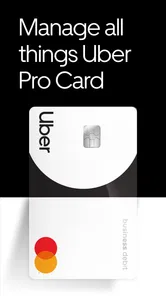

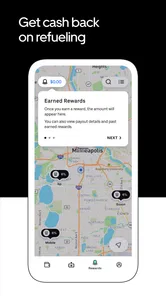
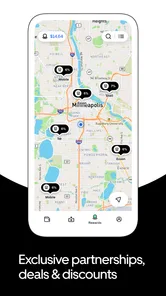
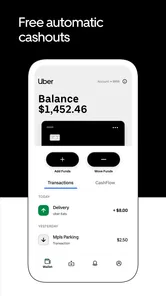
Analysis by Reviewed
When rideshare income comes in alongside fuel, maintenance, and everyday bills, it helps to know which money is available to spend and which money needs to stay set aside. Uber Pro Card is a finance app built around a card for Uber drivers, so I see its value less in replacing every money tool and more in giving work-related earnings a dedicated place. Whether that setup is useful depends on how often you drive and whether the card’s benefits fit your normal routine.
What “free” means for this app
The app itself is free to download, so there’s no upfront app price to weigh against its usefulness. That makes it reasonable to explore if you’re an Uber driver, but free access alone doesn’t tell you whether the card is the right financial choice. I’d look at the card’s current terms and any benefit conditions before making it the main place where your driving income lands.
Its 4.8 average from around 68,000 ratings and more than a million installs show that many people have tried it, but those figures can’t tell me whether the arrangement will work for your own costs, income pattern, or preferred way of banking. I’d treat popularity as background, not a reason to sign up. The real test is whether the card makes your driving money easier to manage without adding friction elsewhere.
A card-focused finance app, not a general wallet
I’d think of this as a finance app built around the Uber Pro Card rather than a replacement for every banking tool on your phone. It’s published by Branch Messenger, and its short description identifies it as Uber Pro Card. That distinction matters: the app makes the most sense if you drive with Uber and want a dedicated way to manage the card and your work-related money. If you’re looking for a general-purpose budgeting app, it may not be the right fit.
The app is free, which makes it easy to consider without paying an upfront app price. It has a 4.8 average from around 68,000 ratings, and more than a million installs. Those figures suggest plenty of drivers have tried it, but they don’t tell me whether its specific benefits suit my own driving pattern. I’d judge value by whether the card’s terms and rewards work for your situation, not by popularity alone.
Getting to Know the Uber Pro Card
First things first, what’s the deal with the Uber Pro Card? Essentially, it’s a debit card tailored specifically for Uber drivers. It’s not just about getting paid; it’s about unlocking a suite of benefits that make driving for Uber even more rewarding. The app makes it a breeze to manage your finances, offering seamless integration with your earnings and a host of perks that can boost your earnings potential.
Keeping driver income separate
What I like about a card-centered setup is the chance to make work money visible without mixing every transaction into a personal account. That separation can be especially helpful if you drive around a regular job or have shared household expenses: you can review the money connected to driving before deciding what to transfer into the rest of your budget. It is not a complete bookkeeping system, but a clear boundary can make your own tracking more consistent.
More From Our News Desk

 Instagram
’s Power Comes From Its Place in Your Phone
A close look at how Instagram turns Meta’s reach, recommendation systems and everyday camera habits into durable platform power—and what that costs users.

 Gmail
Gmail in a Busy Inbox: Who Benefits Most?
From first account to crowded workday, Gmail earns its place through dependable search and flexible sorting—but its best fit depends on how much inbox maintenance you can tolerate.

 Prime Video
Switching to Prime Video: What Changes in Your Viewing Routine
Prime Video can make a compelling second home for streaming, but switching means learning a different catalog, rental layer, and route from browsing to playback.

 Universal TV Remote Control
 Works Best as a Reliable Backup
A phone remote earns its place through quick setup and reliable habits. Here is how to get more from Universal TV Remote Control—and where its limits show.

 Weather - By Xiaomi
Weather by Xiaomi Review: Clear at a Glance, Less Clear Up Close
Xiaomi’s weather app makes everyday forecasts quick to scan, but its calm surface can leave useful details and recovery paths harder to find than they should be.

 X
X Under Pressure: Can It Recover When Posting Goes Wrong?
A resilience-focused review of X, examining setup, mistaken posts, interruptions, weak connections, and the gaps that matter when recovery needs to be dependable.
Latest News



One practical approach is to use the card balance as a checkpoint, not as a signal that the full amount is available for personal spending. After a busy stretch, I’d first account for fuel and routine car costs, then decide what can safely go toward other needs. This is useful even if you eventually move some money to another bank. The point is to make the cost of earning visible before treating trip income as take-home pay.
Simplifying Finances
Managing money can be a headache, especially when your income fluctuates. But with this card, your earnings are deposited instantly after each trip. No more waiting for weekly payouts! This feature alone makes it incredibly convenient for drivers who rely on immediate access to their funds. Plus, the app’s budgeting tools help you keep track of your spendings efficiently. I’ve found it particularly handy for setting aside money for those inevitable expenses like fuel and maintenance.
A useful habit is to treat trip income as gross work money rather than spare cash. I’d separate a set amount for fuel, maintenance, and other driving costs as soon as it arrives, then leave personal spending for what remains. That routine can make variable earnings easier to understand, even if you use another tool for a fuller household budget. The card can support a work-money workflow; it doesn’t remove the need to plan around slow weeks or bills that arrive on a fixed schedule.
Making rewards work in your favor
Rewards are easiest to judge when I compare them with spending I already planned to do. If I’m due for fuel anyway, a relevant card benefit may be worthwhile; driving extra miles or changing where I fill up just to pursue a reward could wipe out the value through added time and vehicle costs. I’d also keep a simple note of which purchases qualify, so I can tell whether the benefit is helping rather than relying on a vague impression.
This is one area where the app differs from a broad budgeting tool. A budgeting app is usually useful because it can help organize spending across a wider picture; a driver-centered card is more compelling when the aim is to connect work earnings and card use. Neither approach is automatically better. If your main problem is seeing all your household accounts together, a general finance tool may be a better starting point than moving your routine around a work card.
Perks Worth Driving For
Now, let’s talk perks. With Uber Pro Card, you get cash back on gas purchases, which is a fantastic way to save on one of the biggest expenses for drivers. The more you drive, the more you save, and who doesn’t love that? Additionally, there are rewards for maintaining a high rating and completing a certain number of rides, which can be a real motivator to up your game.
I’d avoid changing your route or accepting work you otherwise wouldn’t want just to chase a reward. A perk only helps if the qualifying activity fits your normal driving and the reward is worth the effort. Before relying on one, read the current eligibility details in the app and check how the benefit applies to your own card use. That small pause is especially useful if you’re comparing a gas reward with another card or payment method you already use.
What a driving day looks like
Imagine finishing a run of rides, then using the app to keep an eye on the money connected to your driving while you plan the next fill-up. I’d review the work-related balance separately from personal funds, note what needs to stay available for fuel, and avoid counting the whole amount as take-home income. At the end of the week, comparing those set-asides with actual car costs gives a more realistic picture of what driving brought in. That’s where a card-linked money routine can be more practical than a standard bank account used without any separation.
That separation is also the main comparison with ordinary alternatives. A regular bank account may be more flexible for someone who wants one place for all income and spending; a standalone budgeting app may offer a broader view across different accounts. The Uber Pro Card is more appealing when the priority is handling money tied to Uber driving and making use of card-specific rewards. I wouldn’t assume it replaces either alternative completely: some drivers may prefer to keep household bills and long-term savings elsewhere.
Perks and practical limits
But it’s not just about the financial benefits. The card also provides access to health insurance subsidies and discounts on car maintenance. Trust me, these extras can make a significant difference, especially if you’re driving full-time. It’s like having a little support system in your wallet, always ready to lend a hand when you need it most.
For a part-time driver, those benefits may matter less than they do for someone who depends on rideshare income every day. I’d check the conditions for each offer before building them into a budget, and I’d compare any maintenance discount with the price and convenience of a shop I already trust. A discount is useful only when it applies to work you actually need. Likewise, an insurance subsidy is not a substitute for checking what coverage is available and what it would cost in your own circumstances.
There’s also a practical trade-off in concentrating work money around a driver-focused card. It can make earnings easier to follow, but a card centered on one kind of work may be less convenient if you want a single account for several jobs, personal income, and shared household expenses. If you drive for multiple platforms or prefer to keep your finances entirely separate from work, compare your existing bank and budgeting setup before moving your routine over.
Getting started without disrupting your budget
If you decide to try it, I’d start with a small, deliberate workflow rather than switching every financial habit at once. First, work out which driving expenses you want to track separately. Then decide how often you’ll review the balance and what portion should remain available for vehicle costs. A regular review can help you notice whether the card arrangement is genuinely simplifying things or merely adding another place to check.
It’s also worth deciding in advance how you’ll handle fixed bills. Rideshare income can vary, while rent and other regular costs tend to arrive on a schedule, so I wouldn’t make a variable card balance the only reference point for what you can afford. If you already use a bank account for bills, keeping that arrangement while you evaluate the driver-focused card can make it easier to compare the two without losing track of due dates.
Who is likely to get value?
I see the strongest case for a regular Uber driver who wants earnings and driving expenses easier to track, and who will naturally use the card’s relevant benefits. Someone driving occasionally can still find the app useful, but should be realistic about whether the rewards and extra offers fit their limited driving. A person who doesn’t drive with Uber, wants broad multi-account budgeting, or prefers all income in an existing bank account may be better served by a conventional finance app or bank setup.
The app is developed by Branch Messenger and falls in the finance category, but its focus is much narrower than that label might suggest. It’s not the choice I’d make for someone mainly trying to build a household budget, monitor several kinds of income, or manage spending shared with a partner. In those cases, a general bank or budgeting app is likely to fit the whole job better; this one makes more sense as a work-money companion for an Uber driver.
If you’re deciding whether to install it, the app itself costs nothing and is rated Everyone. It launched on July 27, 2022, and its current version is 2025.11.2, with Android 10 as the minimum operating system. Those details help with basic compatibility, but they don’t settle whether the card is right for you: the key question is whether its card terms, reward conditions, and day-to-day workflow match how you earn and spend.
Is It Worth It?
So, should you get the Uber Pro Card? If you’re a regular driver, the benefits can certainly outweigh the costs. It’s designed to improve your driving experience and help you manage your finances better. Whether it’s the instant payouts, cash back, or the additional perks, there’s a lot to love. Plus, it’s free to sign up, so you’ve really got nothing to lose.
I’d be more cautious about calling it a no-risk choice simply because the app is free. The meaningful decision is whether the card and its conditions fit your day-to-day finances. Before you rely on any reward, check what activity qualifies and whether you would do it anyway. If the answer is yes, the benefit may add useful value; if it would change your driving or spending in a way you dislike, it may not be worth organizing your routine around it.
My recommendation is to consider it if you want a driver-focused place to manage work money and you’re willing to check the conditions behind the benefits instead of treating every advertised perk as guaranteed savings. Before making it your main way to handle earnings, decide how you’ll reserve money for vehicle costs and how you’ll move it into your wider budget. If those steps fit comfortably into your routine, it could be a helpful companion. If you need a flexible, all-purpose finance hub, your existing bank or a broader budgeting app may suit you better.
In a nutshell, the Uber Pro Card app is more than just a tool; it’s a partner in your rideshare journey. By streamlining financial management and offering enticing rewards, it enhances the way you drive and earn. Give it a try, and you might just find it’s the boost you’ve been looking for!
Uber Pro Card Frequently Asked Questions
Can I use the Uber Pro Card if I’m not an Uber driver?
The Uber Pro Card is designed for Uber drivers, rather than as a general-purpose finance app for anyone to sign up for. If you drive with Uber, check the application option in the Uber app and review the eligibility steps shown there. Before downloading, it is worth considering whether you want a finance app focused on managing earnings connected with your driving work.
Is the Uber Pro Card app free to download, and is it suitable for everyone?
The app is free to download and has an Everyone content rating, so its age classification is broad. However, that does not mean the card is intended for every person: the Uber Pro Card is designed for Uber drivers, and access depends on eligibility. If you drive with Uber, consider whether you want a finance app focused on earnings connected with your driving work before installing it.
What kind of app is Uber Pro Card, and what does it cost to download?
Uber Pro Card is a finance app developed by Branch Messenger, with the simple promise to help drivers keep more of what they earn. The app is free to download, and its content rating is Everyone. It has a 4.8 average from around 68,000 ratings, giving prospective users a useful sense of its reception while remembering that individual experiences can differ.
What is the Uber Pro Card and how does it work?
The Uber Pro Card is a financial tool designed specifically for Uber drivers to earn cash back and manage their finances more effectively. It operates like a prepaid debit card, allowing drivers to receive their earnings instantly after each trip. With this card, drivers can avail various benefits such as cashback on gas, discounts on car maintenance, and more. The card integrates seamlessly with the Uber app, making it easy to track earnings and expenses.
How can I apply for the Uber Pro Card?
To apply for the Uber Pro Card, drivers must first sign up through the Uber app. Once eligible, they can navigate to the 'Wallet' section within the app and follow the prompts to apply. Eligibility usually requires being an active Uber driver with a good standing in the Uber Pro driver rewards program. Upon approval, drivers receive their card in the mail and can start using it immediately.
Pros
- Instant cash back on gas purchases.
- No monthly or annual fees.
- Access to free financial education resources.
- Easy integration with Uber earnings.
- Includes free ATM withdrawals.
Cons
- Limited to Uber drivers only.
- Requires a stable internet connection.
- Cashback rewards are capped monthly.
- Limited customer support availability.
- Cannot be used internationally.