Tracer (Donation Package)
- 0.00
- 0.0
- Installs
- 50.00
- Price
- $3.00

Screenshots
Analysis by Reviewed
When I use a phone as a tracing surface, the useful question is not just whether the screen can show an image; it is whether I can get that image ready, keep it steady, and finish the transfer without the setup becoming a nuisance. Tracer (Donation Package) is an art-and-design app built around that small, practical job. Its appeal is portability: I can bring a reference and a light source to a desk, kitchen table, or classroom without setting up a separate tracing pad.
Connectivity matters before the drawing begins
The hands-on part of tracing is simple, but finding and preparing a reference can involve more than the app itself. If I expect to work somewhere with weak reception, I would get the image onto my phone beforehand and make sure I can open it. That avoids being stuck searching for a file once the paper is laid out. I would not assume that every step works without a connection; the sensible approach is to prepare first and treat network access as a convenience rather than a guarantee.
This is also a useful distinction when comparing Tracer with a drawing app. A drawing program usually gives me tools to crop, edit, add layers, or create a design digitally. A tracing light source has a narrower role: it helps me see an existing outline through paper. If the reference needs substantial editing, I would prepare it in a suitable image or art app before starting, rather than expect the tracing tool to replace that work.
A different kind of tracing tool
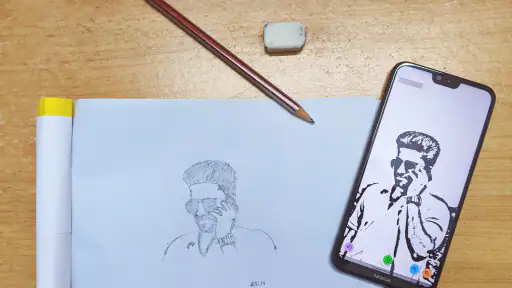
There is an important catch before getting into the details: Tracer is an art and design app, not a travel tracker. Its purpose is to help turn a phone into a tracing light source for drawing, tattoo designs, and stencils. I’d approach it as a practical aid for transferring outlines, rather than as a navigation or charity app.
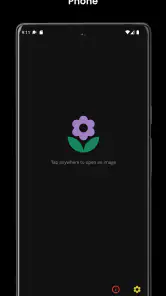
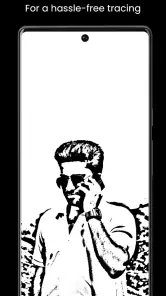
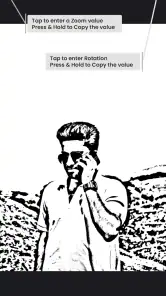
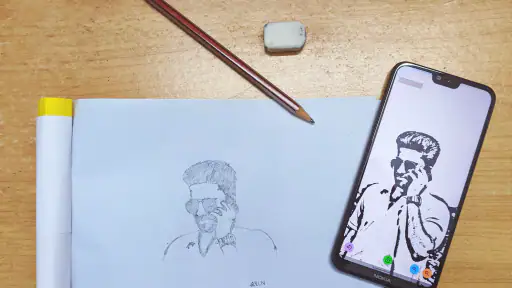
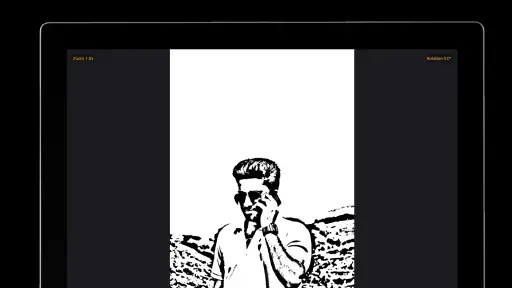
That changes what “a useful session” looks like. You can place a reference image on the phone, position paper over the lit screen, and trace the visible lines by hand. It is most appealing for simple outlines and practice sketches, where seeing the source clearly matters more than editing the image digitally.
What’s Tracer All About?
The Tracer (Donation Package) is a unique app that combines travel tracking with philanthropy. Essentially, every mile you travel is converted into a donation to a charity of your choice. It's like killing two birds with one stone—you get to navigate your routes and help those in need. How cool is that?
Getting Started with Tracer
Installing Tracer is a breeze. Available on both Android and iOS platforms, you just head over to your app store, download it, and you’re ready to roll. The interface is user-friendly, with intuitive navigation that even the least tech-savvy among us can handle.
More From Our News Desk

Clash of Clans Is Won Between the Battles

Android Auto Makes the Case for Quieter Car Software

MobiOffice: Transforming Mobile Productivity with Seamless Integration

EA SPORTS FC™ Mobile Soccer: Redefining Mobile Sports Gaming

How Microsoft OneDrive Became a Mobile Productivity Giant

How Google Translate Breaks Language Barriers Effortlessly
Once you’ve set up your account, you can select a charity from a list that Tracer supports. This gives you a warm, fuzzy feeling because you know exactly where your contributions are heading. Plus, the app doesn’t demand too much in terms of permissions, which is always a plus in my book.
Setting up a tracing session
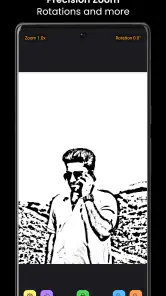
For the actual tracing workflow, I’d first choose an image with a clear, uncomplicated outline. Fine details can become hard to follow when a sheet of paper covers the display, so simplifying a busy reference before opening it can save frustration. A bold drawing or a clean stencil is a more forgiving starting point than a shaded photograph.
Then I’d make sure the phone is steady on a flat surface and the paper is aligned before starting. Even a small shift can throw off proportions, especially when tracing a face, lettering, or a design meant to fit a particular area. A small piece of removable tape on the paper can help keep it from sliding, as long as it does not cover the area being copied.
Where the phone’s light helps—and where it doesn’t
A tracing lightbox is handy when I want to transfer a sketch without printing it or holding it up to a window. For example, if I’m preparing a simple motif for a handmade card at the kitchen table, I can use the phone as a compact illuminated surface and work directly onto lightweight paper. That is a more focused use than trying to turn the app into a complete drawing studio.
The trade-off is screen size. A phone is convenient for small designs, but it is not a substitute for a larger light pad when the artwork needs to be scaled up, when the paper is thick, or when I need room for both hands. For larger stencils, a tablet or dedicated tracing board is the more comfortable option.
Choosing the right reference and workspace
A practical detail that makes a noticeable difference is matching the paper and the reference to the phone-sized work area. I would test the outline with a corner of the paper first, especially if the stock is thicker or has a textured surface. If the lines are difficult to see, switching to lighter paper or simplifying the design is more useful than trying to force a faint image into a precise transfer.
For lettering or a repeated motif, I would also mark the intended starting point on the paper before tracing. That small step helps me keep the design aligned if I need to lift the sheet or reposition my hand. It is particularly useful when copying a shape that needs to sit in a specific spot on a card, label, or craft project. Tracer supports the visual transfer; careful placement still comes from the person doing the work.
Features That Stand Out
Now, let's talk features. The app tracks your movement via GPS, logging your distance traveled daily. What I love is its seamless integration with fitness apps. If you're a fitness enthusiast like me, you'll appreciate how it syncs with your workouts, ensuring every step counts towards your chosen cause.
Another neat feature is the monthly report it sends you. It details the distance you’ve covered and how much has been donated on your behalf. It’s like getting a little pat on the back every month, reminding you of the good you’re doing.
Connectivity and practical limits
For a tracing task, the key question is whether the image you want to work from is already accessible on the phone. I’d prepare the reference before sitting down to draw, rather than assume that every part of the process will work without a connection. If you are somewhere with unreliable reception, having the picture ready in advance avoids a last-minute search, while keeping expectations realistic about anything that might depend on network access.
Connectivity also affects the surrounding workflow more than the act of tracing itself: finding or sending a reference, for instance, may involve online services outside the app. I would avoid using a valuable or irreplaceable drawing as the only copy of a design; keep the original image elsewhere before experimenting. If something interrupts the session, the simplest recovery is to check that the paper and phone have not shifted, reopen the reference if needed, and resume from a clearly identifiable line.
Because this is a light-based tool, extended use can make battery and screen brightness practical considerations. I’d begin with enough charge for the drawing session and choose a comfortable brightness that still makes the outlines visible. A dim room can improve contrast, but it is not a reason to strain your eyes; good ambient lighting and breaks matter, particularly for detailed work.
Working in everyday mobile settings
A phone makes this kind of tracing easy to fit into a short gap, but the setting still matters. At a café table or shared workspace, I would choose a small, uncomplicated design and keep the paper secured; a crowded surface and frequent movement make careful alignment harder. At home, where I can leave the phone flat and work without interruption, a more detailed outline is easier to manage. The app is portable, but the best results still come from a stable surface and a little room to work.
For a quick everyday project, imagine preparing a simple label for a homemade gift after dinner. I could save the outline in advance, place the phone on the table, align a sheet of light paper, and trace the lettering before the screen or workspace gets disturbed. If I need to answer a message or look up another reference mid-session, I would pause and check alignment again before continuing. That is a modest workflow, but it shows both the convenience and the main trade-off: a phone keeps the tool close at hand, while demanding a bit of care to keep the image and paper in place.
Is It Worth Your Bucks?
As much as I adore the concept, the Tracer (Donation Package) does come with a price tag. However, considering the impact of your donations, it's a small price to pay. Besides, the app ensures transparency in how your donations are handled, which is crucial for any philanthropic effort.
Moreover, the app’s performance is quite reliable. I’ve been using it for a month, and I’ve experienced zero crashes or lags. It’s smooth sailing all the way, which is essential for an app you rely on daily.
Who should choose this, and who should pass?
I’d consider Tracer if I regularly sketch small designs by hand and want a portable alternative to a window or a separate lightbox. It is also a reasonable tool for practicing outlines before committing them to a finished piece. A tattoo artist or stencil maker might find the basic idea useful for quick, small transfers, though demanding professional work is better served by a larger, more controllable setup.
I’d skip it if what I really needed was a full drawing app with layers, brushes, image editing, or vector output. Those tools solve a different problem: they let you create and alter artwork on screen, while a tracing light source is meant to help copy a reference onto another surface. The right choice depends on whether I need digital editing or a simple physical transfer.
Tracer is listed as a paid app at $3.00, with a Everyone age rating. Arun K Babu is the developer, and the current release is version 4.8.0 Pro for Android 6.0 and up. It has 50+ installs and a 0.0 average rating, so I would judge it by whether its narrow tracing purpose fits my own routine rather than by a large body of user feedback.
Who benefits from its narrow focus?
I see the strongest fit for a beginner who wants to copy a clean outline onto paper, or for a hobbyist who occasionally needs a quick transfer and does not want to keep a separate lightbox nearby. It can also help someone test the placement of a small design before committing to a more permanent surface. In those situations, having the reference and light source on one device is genuinely convenient.
On the other hand, anyone producing large patterns, working with thick material, or needing exact professional repeatability should look at a larger light pad or another purpose-built setup. Those alternatives provide more room and make it easier to keep the work stable. A drawing app is better when the job is editing or creating an image, while a printer may be the better choice when the design needs a fixed physical size. Tracer makes most sense when the goal is a small, direct, hand-drawn transfer.
The Verdict
In conclusion, the Tracer (Donation Package) is an app that manages to blend utility with altruism. It transforms mundane travel into meaningful contributions, making every journey count. If you’re someone who travels frequently and is looking to make a difference, this app is definitely worth considering.
Sure, it requires a financial commitment, but the satisfaction of contributing to a cause you care about is priceless. So, if you're ready to travel with purpose, give Tracer a shot. Who knew doing good could be this easy?
For someone deciding whether to install it, I’d keep the expectation simple: this is a compact way to illuminate a reference for hand tracing, not a replacement for a drawing program or a full-size light pad. The app’s value comes down to whether a phone-sized work area suits the designs you make and whether you are comfortable preparing your reference and workspace yourself.
My connectivity verdict
I would treat connectivity as part of preparation, not as the reason to choose this app. Having a reference ready before I begin reduces interruptions, and keeping a separate copy protects the design if I need to reopen it. When the session itself is the priority, the most reliable plan is a stable phone, a clear image, and a workspace that lets me finish without searching or switching tasks. For small transfers, that combination makes Tracer a handy option; for bigger or more exacting work, I would choose a larger physical tool instead.
Tracer (Donation Package) Frequently Asked Questions
What is Tracer (Donation Package), and what can I use it for?
Tracer (Donation Package) is an Art & Design app that turns your phone into a tracing lightbox. It is intended for drawing, tattoo designs, and stencils, giving you a way to view an image on your phone while tracing it onto another surface. If you are looking for a focused tracing aid rather than a GPS or travel-tracking tool, its stated purpose is drawing-related.
What does the Donation Package cost, and what should I know before buying it?
Tracer (Donation Package) is a paid app priced at $3.00. Before purchasing, consider whether a phone-based tracing lightbox suits the way you draw or prepare tattoo and stencil designs. The app is rated for Everyone, and its current version is 4.8.0 Pro. Its average rating is 0.0, so there is little rating information to guide a decision; the practical fit of the tracing function may matter more to you.
What is the purpose of the Tracer (Donation Package) app?
Tracer (Donation Package) is designed for users who want to support the continued development and maintenance of the Tracer app, a GPS-based application that tracks and records your movements, providing detailed insights and statistics about your travels. By purchasing this package, you contribute to the app's enhancements and new features, ensuring a better user experience over time.
How does Tracer (Donation Package) differ from the free version of Tracer?
The primary difference between the Tracer (Donation Package) and the free version is the opportunity to support the developers financially. While the core functionalities remain the same, donating helps fund future updates and improvements. Additionally, donors might receive early access to new features or exclusive content as a token of appreciation from the developers.
Is Tracer (Donation Package) compatible with all Android and iOS devices?
Tracer (Donation Package) is compatible with most modern Android and iOS devices. However, it's recommended to check the specific device requirements in the app store to ensure compatibility. The app requires the latest OS version updates to function optimally, so make sure your device's software is up-to-date before downloading.
Pros
- Supports multiple languages for wider accessibility.
- Offers real-time tracking for better accuracy.
- Easy to use interface with intuitive design.
- Integration with various devices for flexibility.
- Frequent updates ensure reliability.
Cons
- Limited features in the free version.
- Requires internet connection for tracking.
- Some features locked behind paywall.
- Occasional bugs affect performance.
- Battery consumption can be high.
- Category
- Art & Design
- Version
- 4.8.0 Pro