Shaka Guide | GPS Audio Tours
- 1.21K
- 4.8
- Installs
- 100.00K
- Price
- Free

Screenshots
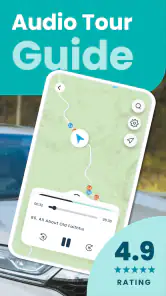

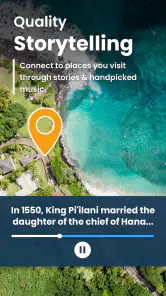
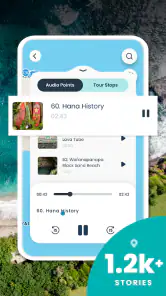
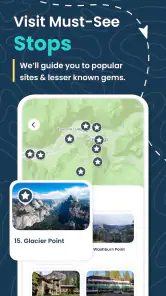
Analysis by Reviewed
Planning a trip often means choosing between a rigid group excursion, a printed guide, a collection of browser tabs, or simply hoping that the next viewpoint will explain itself. I found Shaka Guide most interesting because it sits between those choices: it turns a phone into a self-guided companion for walking and driving tours, while leaving me in control of the route and pace. That makes it especially relevant for travelers who want context without joining a scheduled group.
Developed by Shaka Guide, this free Travel & Local app is aimed at destinations where the journey matters as much as the final stop. Its focus includes Maui, Yellowstone, Yosemite, and more than one hundred other tours. I would not treat it as a universal travel planner or a replacement for every map app. I see it instead as a destination-focused audio guide that can make a scenic drive, a town walk, or a day of sightseeing feel more connected.
How I Decided Whether Shaka Guide Was the Right Travel Tool
My first test for an app like this is simple: does it reduce the mental work of sightseeing? A useful guide should help me understand where I am, what deserves attention, and how to use a limited day without turning the trip into a classroom. It also needs to fit the way I travel. Someone who enjoys spontaneous detours will judge it differently from someone who wants every stop arranged in advance.
The second test is whether the audio format adds something that a normal map cannot. A map is excellent for finding a road, checking a route, or locating a restaurant. It is not designed to explain why a landscape matters or to add a sense of place while I am moving through it. Shaka Guide’s value depends on that extra layer. If I only need directions, a standard navigation app is likely the cleaner choice.
I also considered how much attention the app demands. Driving through a scenic area already involves traffic, parking, weather, pedestrians, and changing road conditions. A guide should support the experience rather than make me constantly tap the screen. For walking, the balance is different: I can pause, look around, and read or listen at my own pace. That distinction matters when deciding which kind of tour suits a particular day.
Another practical question is whether the app works for different travel styles. A couple renting a car may want commentary during a long drive. A family may prefer short bursts of information between stops. A solo traveler may appreciate having a voice that provides structure without requiring a group. On the other hand, a person who wants a local human guide, live conversation, or highly customized interests may find a self-guided format too limited.
The app is free to install, with optional in-app purchases ranging from $0.99 to $199.99 per item. I would pay close attention to the individual tour and checkout screen before committing, because the useful comparison is not “free versus paid” in the abstract. It is whether a selected tour costs less than the alternatives I am considering and whether I will actually use it during the trip.
More From Our News Desk

Clash of Clans Is Won Between the Battles

Android Auto Makes the Case for Quieter Car Software

MobiOffice: Transforming Mobile Productivity with Seamless Integration

EA SPORTS FC™ Mobile Soccer: Redefining Mobile Sports Gaming

How Microsoft OneDrive Became a Mobile Productivity Giant

How Google Translate Breaks Language Barriers Effortlessly
What the Audio Format Changes on a Real Day Out
Audio changes the way I look at a destination. Instead of stopping every few minutes to search for background information, I can keep my attention on the road or the scenery. That is the strongest reason to choose this kind of guide. It makes otherwise quiet stretches feel intentional, and it can give a familiar-looking viewpoint a story or geographic context.
There is also a useful difference between listening while driving and listening while walking. In a car, the guide can turn travel time into part of the tour, but I need to treat safety as the priority and avoid handling the phone while moving. On foot, I have more freedom to pause the narration, check the surroundings, or revisit a point that caught my interest. I would choose a walking tour when I want to explore closely and a driving tour when the destination is spread across a larger area.
Where Shaka Guide Fits Better Than a Standard Map
The app wins when the main problem is not finding a location but understanding the route between locations. A normal map may show a road to a lookout, yet it does not necessarily make the drive feel like an experience. Shaka Guide is more compelling when I want the journey itself to have a narrative rhythm.
It is also more convenient than carrying a physical guidebook in a car or backpack. A book can offer excellent detail, but it requires stopping to read and deciding which pages apply to the exact place in front of me. A phone-based audio guide is easier to use in motion and can feel less cumbersome during a full day outdoors.
Compared with a scheduled bus or walking tour, the app gives me more control. I can start when I want, pause for lunch, spend longer at a viewpoint, or skip a stop that does not appeal to me. That flexibility is a major advantage for families, photographers, travelers with changing energy levels, and anyone who dislikes being hurried by a group.
The trade-off is the absence of a live guide who can answer a question, react to the weather, or change the plan because of a local event. A person leading a tour can notice what the group is interested in and add spontaneous detail. Shaka Guide offers consistency and independence, not live judgment. I would choose accordingly rather than expecting the app to imitate a private guide in every respect.
A Practical Scenario: Using It on a Flexible Driving Day
Imagine arriving in Maui with one open day and a rental car. I would begin by reviewing the available tour options before leaving, deciding which route matches the time and energy I actually have. I would keep the phone mounted or positioned safely, start the audio before driving, and treat the narration as background guidance rather than a reason to make sudden stops.
At a viewpoint, I would pause the tour instead of letting it continue while I am distracted by parking, walking, or taking photographs. I would then resume once I was settled. This small habit is important: the best experience comes from using the app as a flexible layer over the day, not from trying to consume every piece of commentary without interruption.
If the weather changed or a stop became too crowded, I would be comfortable skipping it and continuing. That is where the self-guided format earns its place. A group excursion might require me to follow the schedule, while a printed itinerary could make a change feel inconvenient. With this app, the day can remain personal even when the original plan changes.
For a family, I would use shorter listening periods and let the children choose a few stops rather than presenting the tour as a continuous obligation. For a couple, I would leave room for unplanned beaches, cafés, or photo breaks. The app works best when it supports the trip’s mood instead of dictating every minute.
Three Less Obvious Ways to Get More From It
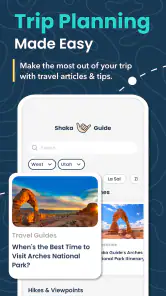
First, I would use the app as a planning filter before the excursion, not only as narration during it. The list of destination tours can help me decide whether a location deserves a dedicated day or fits better into a shorter outing. That prevents a common travel mistake: choosing an ambitious route without considering how much time will be spent moving between points.
Second, I would match the tour format to the group’s attention span. Audio is not automatically better for everyone. A child who wants to move constantly, a traveler sensitive to continuous narration, or a group that prefers conversation may enjoy only selected portions. Pausing is not a failure of the tour; it is part of making a self-guided product work for real people.
Third, I would avoid treating commentary as a substitute for current road judgment. A tour can provide useful context, but traffic, closures, weather, parking availability, and local restrictions still deserve attention from current navigation and official sources. This is a crucial trade-off: the app can enrich a route, but it should not be the only tool used to make operational decisions during a trip.
A fourth useful habit is to build in quiet time. Listening continuously can make a scenic drive feel crowded with information. I prefer alternating narration with stretches where I simply watch the landscape and talk with my companions. The app has more impact when its commentary is given room to stand out.
Where Other Travel Options May Be Better
I would choose a conventional navigation app when my priority is arriving efficiently, finding a business, avoiding traffic, or changing destinations quickly. Shaka Guide is not the obvious first choice for errands or tightly timed appointments. Its appeal is sightseeing, not general-purpose navigation.
I would choose a live tour when I want conversation, immediate answers, or a social experience. Travelers who enjoy meeting others may find a group excursion more memorable, even if it is less flexible. A local guide can also adjust explanations to the people present, something a recorded self-guided experience cannot do in the same personal way.
A printed guidebook or carefully researched itinerary may suit travelers who prefer to scan information silently, compare several options at once, or work without audio. It can also be easier to annotate in a personal way. The app is more convenient for movement, but convenience is not the same as depth for every reader.
I would also hesitate to rely on it for a trip built around highly specialized interests unless the relevant tour clearly matches those interests. A traveler focused on architecture, advanced hiking logistics, birdwatching, or restaurant research may need a more specialized source. The broad destination approach is useful, but it should not be mistaken for a custom research service.
The Real Cost of Switching to a Self-Guided Tour
Switching from familiar travel habits involves more than downloading an app. I need to decide whether I am comfortable navigating a tour independently, managing pauses, and checking practical details elsewhere. That is a small learning curve, but it is still a curve. People who already enjoy planning their own routes will probably adapt quickly; travelers who want every decision handled may not.
There is also a financial decision. Since the app itself is free and individual purchases can vary widely, I would compare the cost of one selected tour with a group excursion, a guidebook, or simply using existing map and web tools. The cheapest option is not always the best value. If a tour saves research time and makes a major sightseeing day more enjoyable, it may justify its purchase. If I am visiting briefly or dislike narrated travel, even a low-cost option may go unused.
Before traveling, I would check the app version and operating-system requirements on my device. The current version is 9.2.4 and it supports Android 7.0 or later. I would also prepare the phone before leaving the hotel: charge it, make sure I understand the controls, and avoid discovering basic playback behavior while driving. Those steps are not glamorous, but they reduce the friction that can undermine an otherwise useful travel tool.
I would be especially careful when traveling with several people who have different expectations. One person may want constant narration, while another wants music or conversation. Agreeing on how the app will be used before setting off can prevent it from becoming a source of tension. In a shared car, a short sample or a planned listening schedule may be more practical than running the guide continuously.
Who Should Download It
I recommend Shaka Guide to travelers who want destination context without surrendering control of the day. It is a strong match for self-drive vacations, independent walkers, couples who dislike rigid schedules, and families that want to choose their own stopping points. It is also appealing to people who find a map too quiet and a formal tour too restrictive.
The app has a 4.8 average from around 2.3 thousand ratings, with more than a thousand written reviews and over one hundred thousand installs. Those figures suggest that it has found a substantial audience, but I would still judge it by my own travel style rather than by popularity alone. A highly rated product can remain the wrong fit for someone who prefers silent exploration or live human interaction.
Its Everyone content rating makes it broadly approachable for general travel use. That does not mean every tour will suit every age or attention span, so I would still choose stops and listening periods based on the group. The app is most successful when the traveler remains in charge of how much information enters the day.
My Recommendation After Weighing the Trade-Offs
My recommendation is to try Shaka Guide when the destination is the main event and you want the drive or walk to feel guided without becoming scheduled. I would not install it expecting a complete replacement for maps, official travel notices, or a knowledgeable local person. I would install it as a focused sightseeing companion, especially for a destination where moving between scenic points is part of the experience.
For a first use, I would select one tour that matches a day I already expect to spend exploring, prepare the phone before departure, and leave room to pause or skip sections. That approach makes it easier to judge the app fairly. If the narration helps me notice more and plan less, it has earned a place in my travel setup. If I find myself watching the screen, rushing to keep up, or wishing for live conversation, I would switch to a different kind of guide.
Ultimately, the app’s strongest quality is freedom with structure. It gives an independent traveler more direction than wandering with a map alone, while preserving more flexibility than a scheduled excursion. That middle ground will not suit everyone, but for the right trip it can turn ordinary travel time into part of the story.
Shaka Guide | GPS Audio Tours Frequently Asked Questions
Can I choose when to start a Shaka Guide tour?
Shaka Guide is built for self-guided travel, so you can explore on your own schedule rather than joining a group at a set time. Choose a tour when you are ready, then follow its narration and route as you travel. This flexibility can make it easier to fit sightseeing around your plans, though it is still helpful to look over the route before setting out.
What should I prepare before using Shaka Guide on a trip?
Before heading out, choose the tour that matches your destination and download its content while you have an internet connection, especially if you expect patchy service along the way. It is also sensible to review the route and suggested stops in advance, and make sure your phone has enough battery for navigation and audio. These small preparations help the tour run smoothly.
What is Shaka Guide, and how does it work?
Shaka Guide is a GPS-based audio tour app designed to help you explore destinations independently. After choosing a tour, the app uses your phone’s location to play narration automatically as you drive or visit landmarks. It combines spoken history, local tips, directions, stories, and suggested stops, creating a self-guided experience instead of requiring a scheduled group tour.
Does Shaka Guide work without an internet connection?
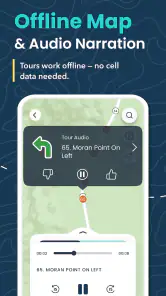
Yes, Shaka Guide is designed to support offline touring, which is particularly useful when traveling in areas with limited mobile service. You generally need to download the selected tour and its related content before starting your trip while connected to Wi-Fi or mobile data. Once downloaded, GPS can continue tracking your location without requiring constant internet access.
Which destinations and types of tours are available in Shaka Guide?
The app focuses on popular travel destinations and offers different types of experiences, including scenic drives, national parks, city sightseeing, cultural routes, and coastal excursions. Its collection includes self-guided walking and driving tours for Maui, Yellowstone, Yosemite, and more. Tour availability can change over time, so travelers should check the current catalog before planning a trip. Each tour usually includes a route, recommended stops, background information, and practical travel suggestions.
Pros
- GPS-triggered narration plays automatically as you approach points of interest.
- Works offline after downloading tour content and maps.
- Combines driving directions with stories
- history
- and local recommendations.
- Flexible self-guided format lets you start
- stop
- and explore at your own pace.
- Offers tours across many destinations
- including scenic routes and national parks.
Cons
- The full tour library requires paid purchases or a subscription.
- GPS accuracy can vary in remote areas or with poor phone reception.
- Audio tours may use significant storage when maps and narration are downloaded.
- Some tours provide limited value if you prefer guided group experiences.
- Driving-focused tours can be distracting if passengers manage the app while moving.
- Category
- Travel & Local
- Version
- 9.2.4