Robinhood: Trading & Investing
- 266.29K
- 4.2
- Installs
- 10.00M
- Price
- Free

Screenshots
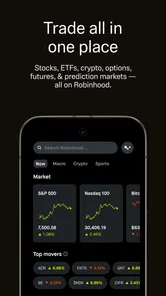
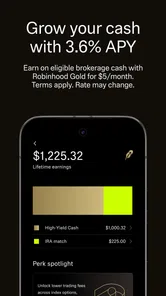
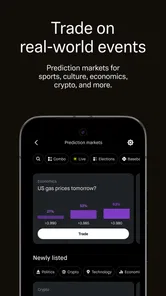
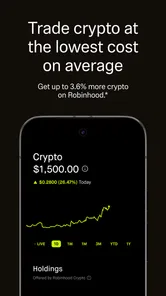
Analysis by Reviewed
My first impression of Robinhood is that it makes investing feel approachable quickly. The clean interface gives curious newcomers an easy place to begin exploring stocks and crypto, while the quick-access design also suits someone who already knows what they want to check. That first-week ease is useful, but it is not the same as having a plan: I’d decide what I’m investing for before letting a polished screen turn every market move into a reason to act.
From first-week curiosity to a steady routine
In an ordinary week, I can imagine opening the app during a lunch break to check a holding, review a price movement, and then close it without making a trade. That small habit is more valuable than constant checking. For a new investor, I’d use a short watchlist and a written reason for each purchase; it helps separate a considered decision from the impulse to follow whatever is attracting attention that day.
Robinhood is a finance app developed by Robinhood, and its focus spans stocks, options, and crypto. It is free to download, has an Everyone age rating, and its current version is 2025.48.2. The app has a 4.2 average from around 523,000 ratings and more than 10 million installs, so it is clearly a familiar choice for many people. I would still treat popularity as a sign of reach, not proof that its style suits every investor.
Where it fits—and where another tool may suit you better
Compared with a traditional bank’s investing area, Robinhood feels more centered on individual trading than on keeping all your financial tasks together. That can be a plus if you want a dedicated place to follow investments, but less convenient if your priority is a single home for everyday banking and long-term financial planning. A full-service brokerage may be a better fit for someone who wants broader guidance or a more hands-on relationship; Robinhood makes more sense if you prefer to manage your own decisions through an app.
Its interface can also make frequent activity feel frictionless, which is not always an advantage. If you are prone to reacting to every headline or price swing, I’d set a checking schedule and avoid treating a visible movement as a prompt to trade. Options deserve particular care: the fact that they appear alongside other investments does not make them as straightforward or as suitable for beginners as buying a small amount of a stock. I would learn the risks before placing any options trade, and skip them entirely if I could not explain the possible outcomes in plain language.
Getting Started with Robinhood
When I first downloaded the Robinhood app, I was pleasantly surprised by how easy it was to set up my account. The user interface is clean and intuitive, which is great because who wants to spend hours figuring out what button does what? Within minutes, I was ready to start exploring.
The app offers a plethora of educational resources, which I found incredibly helpful. Whether you're looking to understand market trends or want to get a grip on investment strategies, Robinhood’s got you covered. The bite-sized lessons are perfect for picking up in your spare time, and they make learning about investing a lot less daunting.
More From Our News Desk

 Instagram
’s Power Comes From Its Place in Your Phone
A close look at how Instagram turns Meta’s reach, recommendation systems and everyday camera habits into durable platform power—and what that costs users.

 Gmail
Gmail in a Busy Inbox: Who Benefits Most?
From first account to crowded workday, Gmail earns its place through dependable search and flexible sorting—but its best fit depends on how much inbox maintenance you can tolerate.

 Prime Video
Switching to Prime Video: What Changes in Your Viewing Routine
Prime Video can make a compelling second home for streaming, but switching means learning a different catalog, rental layer, and route from browsing to playback.

 Universal TV Remote Control
 Works Best as a Reliable Backup
A phone remote earns its place through quick setup and reliable habits. Here is how to get more from Universal TV Remote Control—and where its limits show.

 Weather - By Xiaomi
Weather by Xiaomi Review: Clear at a Glance, Less Clear Up Close
Xiaomi’s weather app makes everyday forecasts quick to scan, but its calm surface can leave useful details and recovery paths harder to find than they should be.

 X
X Under Pressure: Can It Recover When Posting Goes Wrong?
A resilience-focused review of X, examining setup, mistaken posts, interruptions, weak connections, and the gaps that matter when recovery needs to be dependable.
Latest News



Features That Stand Out
One of the standout features of Robinhood is its commission-free trading. Yep, you heard that right! You can buy and sell stocks without worrying about those pesky fees eating into your profits. This is a game-changer, especially for us who are just starting out and want to make every dollar count.
Another cool feature is the ability to invest in fractional shares. This means that even if a stock is worth more than your budget allows, you can still own a piece of it. It's a fantastic way to diversify your portfolio without needing a ton of capital upfront.
Robinhood also supports cryptocurrency trading, which is perfect for those looking to dip their toes into the digital currency waters. With real-time data and a straightforward trading interface, managing crypto investments is a breeze.
The Community Aspect
Investing can often feel like a solitary journey, but Robinhood changes that with its community features. The app allows you to follow other investors, see what stocks are trending, and even engage in conversations. It's like having a bunch of virtual investing buddies cheering you on!
Plus, the app’s sleek design and engaging interface make it a joy to use. Whether you're checking your portfolio in the morning or making trades on your lunch break, Robinhood makes investing feel accessible and enjoyable.
Making the app earn its place month after month
The lasting value here depends less on novelty than on whether the app supports a repeatable routine. I’d use the educational material when a specific question comes up, then return to my own notes rather than browsing lessons endlessly. Fractional shares can make a planned allocation practical when I want exposure without committing to the price of a whole share, but they do not automatically make a portfolio diversified. I would still check whether several holdings depend on the same company, industry, or market trend.
A useful monthly check-in could be as simple as asking whether each position still fits the reason I bought it, whether my risk level feels manageable, and whether I have drifted into trading for entertainment. This gives the app a job beyond showing prices. If I only open it to look at gains and losses, the habit can become tiring without helping me make better choices.
What can become tiring, and who should pass
Social activity and trending investments can make the app feel lively, but they can also pull attention away from a personal strategy. I would treat other investors’ activity as conversation, not evidence that a trade is right for me. Someone who wants a quiet, set-and-forget experience may prefer a service built around diversified funds and automatic contributions, while a person looking for a financial adviser should choose a service that clearly provides that kind of guidance. Robinhood is most appealing when I want direct control and am willing to take responsibility for the decisions that follow.
Another practical trade-off is having stocks, options, and crypto in one place: switching between them is convenient, but each has different risks and demands a different level of understanding. I would not assume that a familiar layout makes crypto or options comparable to owning a share. Before using any product, I’d check the details on the order screen and make sure I understand what I’m buying, what could cause a loss, and whether the amount at stake is money I can afford to put at risk.
Keeping the workflow deliberate
One way I’d reduce avoidable mistakes is to decide on the purpose and size of an order before opening the trading screen. A watchlist can hold ideas I want to research without turning each one into an immediate purchase. Then, when I do consider an order, I can pause to review the company or asset, the amount, and the order details rather than tapping through because the interface makes the next step easy. This is a small workflow change, but it helps keep convenience from becoming pressure.
I’d also separate learning from acting. If a short lesson or a trending discussion introduces an unfamiliar term, I would write it down and look into it before placing money at risk. The educational material can make investing feel less intimidating, but a quick explanation is a starting point, not a substitute for understanding a product’s downside. That distinction matters most when moving from basic stock investing into options or crypto.
Choosing a tool for the job
The choice between Robinhood and a bank’s investment tools comes down to what I want the app to do every day. If I mainly want to see investments and make my own decisions from a mobile interface, a dedicated trading app can feel more direct. If I prefer to keep deposits, bills, savings, and investing together, a bank’s broader setup may be less fragmented. Neither arrangement automatically produces better decisions; the useful one is the one that supports the routine I can maintain.
There is also a difference between choosing a trading app and choosing a long-term investing system. Someone who wants to select individual holdings may value quick access and control. Someone who wants to contribute steadily without making repeated choices may be better served by an approach centered on diversified funds and automation. I would not choose a service just because it makes buying easy; I’d first decide how much responsibility I want to take for selection, monitoring, and rebalancing.
Everyday use without constant checking
Picture a busy workday: I have a few minutes at lunch, notice that one of my holdings has moved, and feel tempted to react. Instead of turning that moment into a trade, I can check whether anything has changed about the reason I own it, add a note for a later review, and close the app. That makes Robinhood useful as a quick reference without letting a short break become a chain of impulsive decisions. The same approach works when a friend mentions a popular stock: I can put it on a watchlist, research it later, and avoid confusing social buzz with a personal investment case.
For someone just starting out, I’d keep the first routine deliberately small: learn the basic screens, follow only a few assets, and avoid using every available investment type simply because it is there. If the app becomes part of a monthly review rather than a reason to monitor prices throughout the day, it has a better chance of earning a lasting place. If it encourages checking without adding understanding, I’d mute the habit by setting a schedule or choose a quieter investing tool.
Final Thoughts
Overall, my experience with Robinhood: Investing for All has been overwhelmingly positive. The app makes investing approachable and fun, which is exactly what I was looking for. Whether you're a beginner or a seasoned pro, Robinhood offers tools and features that cater to all levels of expertise.
So, if you're ready to take charge of your financial future, give Robinhood a go. Who knows? You might just find yourself becoming the next investing guru among your friends!
For me, the strongest reason to keep it installed is practical access: I can learn, keep an eye on investments, and make my own choices without needing a desktop-first setup. Its release on August 12, 2015, gives it a longer history than a brand-new finance app, though that alone does not settle whether it is right for my needs. The real test is whether I can use it calmly and consistently, rather than letting its immediacy dictate my pace.
I’d recommend trying it if you are comfortable managing your own investing and want a straightforward mobile starting point. I’d skip it if you need personal advice, want a more guided long-term plan, or know that frequent market access makes you anxious or impulsive. Used with clear limits and a reasoned routine, Robinhood can remain useful after the initial appeal wears off; without those habits, its convenience can easily become one more source of financial noise.
Robinhood: Trading & Investing Frequently Asked Questions
Can I use Robinhood to follow markets without making a trade?
Robinhood is a finance app centered on investing, and its store summary highlights Bitcoin, crypto, stocks, and options. You can explore whether its market information and app features fit the way you prefer to stay informed before deciding to trade. Keep in mind that viewing investments in an app is different from choosing to buy or sell them, and every investment decision should be made with care.
Who develops Robinhood, and when was the app released?
Robinhood is developed by Robinhood and was released on August 12, 2015. It is a finance app whose store summary highlights Bitcoin, crypto, stocks, and options. If you are comparing apps, the developer and release history can help provide context, but they do not tell you whether a particular investing approach is right for you. Consider your needs and comfort with investment risk before getting started.
Is Robinhood free to download, and what devices can run it?
Robinhood is a free finance app from Robinhood, and its current version is 2025.48.2. It requires iOS 7.0 or later, so check your device’s operating system before installing. The app is rated for Everyone, and its store summary highlights Bitcoin, crypto, stocks, and options. As with any investing app, downloading it does not remove the risks involved in trading.
Who is Robinhood designed for, and is it suitable for someone new to investing?
Robinhood can appeal to both first-time investors and people with trading experience. Its straightforward interface is intended to make buying and selling investments feel approachable, while the range of available products gives users room to explore different approaches. Beginners should still take time to understand how each investment works and consider their own tolerance for risk before making decisions.
What is Robinhood and how does it differ from traditional brokerage platforms?
Robinhood is a modern trading app designed to make investing accessible to everyone. Unlike traditional brokerage platforms that often charge fees for trades, Robinhood offers commission-free trades for stocks, ETFs, and cryptocurrencies. The app is user-friendly, with a simple interface that allows users to buy and sell securities effortlessly. Robinhood's mission is to democratize finance for all, making it appealing to both novice and experienced investors.
Pros
- User-friendly interface for beginners
- Commission-free trades
- Wide range of investment options
- Real-time market data
- Fractional shares available
Cons
- Limited customer support options
- No retirement accounts
- Frequent app glitches
- Cash management tools lacking
- Limited research tools