rmResident
- 2.16K
- 3.9
- Installs
- 500.00K
- Price
- Free

Screenshots
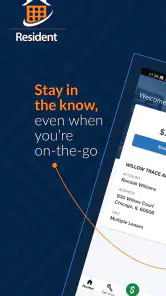
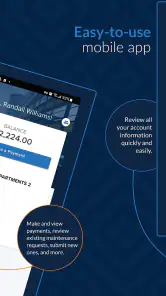
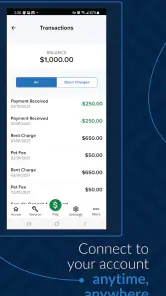
Analysis by Reviewed
I found rmResident most useful when I treated it as one small part of a household productivity system rather than as a complete replacement for every resident service. It is a free productivity app from LCS that brings payment-related tasks and service issues onto a mobile device. That sounds simple, but the practical value appears when I use it to replace scattered reminders, paper notes, and last-minute trips to a computer.
The app is aimed at residents who need a convenient way to deal with everyday property-related responsibilities. Its store summary points to making and viewing payments, handling service issues, and managing related tasks from a phone. In my experience, that makes it less like a general to-do list and more like a focused control point for the parts of home life that are easy to postpone.
It is available free of charge, carries an Everyone age rating, and has passed the half-million-install mark. Its average rating is 3.9 from around 4.7 thousand ratings, which suggests a useful but not universally smooth experience. I would read that as a reason to approach it practically: it may simplify a recurring workflow, but it is not the kind of app I would install without first considering how well it fits the way my building or residential community handles payments and maintenance.
Building a better resident workflow around the app
What usually happens before using rmResident
Before an app like this becomes useful, resident tasks tend to live in several places at once. A payment date might be in an email, a maintenance problem might be written in a note, and a previous conversation with a property office might be buried in a message thread. The real problem is not always the payment or repair itself. It is remembering where the relevant information is and whether the issue has actually been dealt with.
I would begin by identifying the few tasks that repeat most often. For one person, that may be checking a recurring charge and reporting a problem with a shared facility. For another, it may be reviewing payment history before contacting a property manager. The app is most valuable when it becomes the first place I check for those resident-specific actions, rather than another notification source competing with several others.
That distinction matters because rmResident is not a general productivity suite. It is not meant to replace a calendar, a budgeting app, or a full project-management tool. Its strength is concentration. If I use it for the narrow set of responsibilities it is designed to support, I spend less time deciding which channel to use. If I expect it to organize every part of my personal life, the experience will feel limited.
Capturing payments and service issues in one place
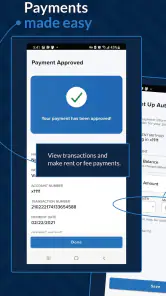
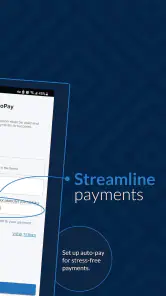
The payment side is the clearest reason to try the app. Being able to make and view payments from a phone can remove a small but repeated source of friction. I do not have to open a laptop simply to check whether a transaction is visible or to complete a routine payment. That convenience is especially helpful when I am away from home and want to deal with an obligation immediately instead of leaving it for later.
More From Our News Desk

Clash of Clans Is Won Between the Battles

Android Auto Makes the Case for Quieter Car Software

MobiOffice: Transforming Mobile Productivity with Seamless Integration

EA SPORTS FC™ Mobile Soccer: Redefining Mobile Sports Gaming

How Microsoft OneDrive Became a Mobile Productivity Giant

How Google Translate Breaks Language Barriers Effortlessly
Viewing payment information is also more useful than simply pressing a payment button. When I am trying to understand whether a charge has been handled, a visible record gives me a better starting point than relying on memory. I would still keep any important confirmation details in my normal personal records, but the app can serve as the first checkpoint before I contact the property office about a possible mismatch.
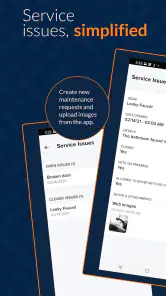
Service issues create a different kind of value. A maintenance concern is easier to manage when I can record it close to the moment I notice it. For example, imagine finding a leak near a shared entrance before leaving for work. Instead of taking a quick photograph and hoping to remember the details later, I can use the resident workflow while the location, timing, and symptoms are still clear. That makes the report more useful than a vague message sent hours afterward.
My practical tip is to write reports as if someone else must act without asking a follow-up question. I would include the exact area, what is happening, when it started, and whether it is getting worse. The app can provide the channel, but the quality of the information still depends on the person submitting it. A concise, specific report is more valuable than several rushed updates.
Turning individual actions into a repeatable routine
The biggest improvement comes from giving the app a predictable place in a weekly routine. I would not open it randomly and hope to discover what needs attention. Instead, I would connect it to an existing habit, such as checking household finances or reviewing the next week’s appointments. During that short review, I could look at payment activity and check whether an earlier service issue still needs attention.
This approach keeps the app from becoming another isolated tool. A payment check can lead to a budgeting note. A service issue can lead to a reminder to inspect the result. The app handles the resident-facing action, while a calendar or personal task list handles the follow-through. That division is important because a submitted issue is not necessarily a resolved issue.
I also prefer separating urgent problems from ordinary maintenance requests in my own thinking. rmResident may help me report a service issue, but I would not assume that a mobile submission is suitable for an emergency. If there is immediate danger, serious flooding, or another situation requiring instant attention, I would use the appropriate emergency contact method first and treat the app as a record or follow-up channel only when suitable.
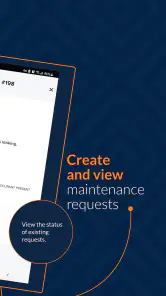
Another useful habit is checking the status of a concern before submitting it again. Duplicate reports can make a situation harder to track and may create unnecessary work for the people managing requests. If the app shows enough information to identify an earlier submission, I would use that history to decide whether a follow-up is needed. This is one of the more important trade-offs: a digital record can improve organization, but only if I consult it before creating another entry.
Where the workflow can fail
The first friction point is access. A resident app is only as useful as the connection between the app and the property or service arrangement behind it. If my community does not use the same system, the payment and issue-reporting workflow may not fit my situation. I would check that relationship before reorganizing my routine around the app.
The second issue is expectation. A mobile interface can make a task easier to submit, but it cannot guarantee a faster response or change how a property team prioritizes requests. I would not install rmResident expecting every service issue to receive immediate attention. Its role is to make the action clearer and more traceable, not to eliminate the human process that follows.
There is also a difference between visibility and control. Seeing payment information on a phone is convenient, but I would still review the details carefully before assuming everything is correct. If a payment appears unfamiliar or a balance looks wrong, the sensible next step is to compare it with my own bank or budgeting records and contact the responsible office through the accepted channel.
The rating of 3.9 indicates that the app has room for improvement from some users’ perspectives. I would expect occasional friction around account access, navigation, or the way a particular organization has configured its resident services, even though the exact experience can vary by setup. That is why I would test one low-risk workflow first, such as viewing existing payment information, before depending on it for a time-sensitive task.
Device compatibility is relatively broad because the current version is 1.54 and requires Android 6.0 or later. That helps people using older Android phones, although compatibility alone does not guarantee that every screen will feel equally comfortable on every device. On a smaller or slower phone, I would be patient with forms and confirm that a submission has actually gone through rather than closing the app immediately.
Comparing it with familiar alternatives
The usual alternative to rmResident is not always another app. Often it is a mixture of a property website, email, phone calls, paper notices, and a personal calendar. That arrangement can work, especially for someone who rarely needs resident services. Its weakness is fragmentation. I have to remember which channel handles payments, which one accepts maintenance requests, and where previous conversations are stored.
A general finance app may be better for tracking spending across banks and bills, but it will not necessarily give me the resident-service context that matters when I need to report a building problem. A general task manager may remind me to contact someone, yet it cannot replace a purpose-built submission or payment area. In that comparison, rmResident is narrower but more relevant to the specific relationship between a resident and a property service.
A browser-based resident portal may offer a broader desktop experience, particularly when I need to read a long statement or manage several details at once. I would choose that route when I am doing careful account administration or working with many documents. I would choose rmResident when speed and availability matter more, such as checking a payment while traveling or recording a service issue before I forget the details.
Phone and email still have a place. A direct conversation can be better when the situation is complicated, sensitive, or difficult to explain through a form. The app is strongest for routine actions that benefit from a consistent record. It should complement those alternatives, not force every interaction into the same format.
Small habits that make the app more effective
One habit I recommend is creating a two-step record for important service issues. First, submit the request with precise information. Then, add a separate personal reminder to check the outcome. This avoids a common mistake: assuming that sending a request completes the entire responsibility. The app helps with capture, while the reminder protects against forgotten follow-up.
A second habit is reviewing payment information at a calm time rather than only when a deadline feels urgent. A quick routine check makes unusual entries easier to notice and reduces the chance of rushing through the wrong screen. I would also avoid relying on a single glance; if something matters financially, I would verify the result using my normal records.
A third is using consistent wording for recurring problems. If the same issue returns, describing it with the same location and terminology makes the history easier for me to understand. This is particularly helpful when a problem changes over time. Instead of reporting “something wrong again,” I can explain what has changed since the previous request.
I would also keep notifications purposeful. If the app offers alerts in my setup, I would allow only those that help me act, such as payment-related updates or service responses, and avoid turning every minor event into an interruption. The goal is a calmer resident workflow, not a phone that constantly demands attention.
Who should adopt it
rmResident is a good fit for residents who regularly handle payments or service requests connected to their home and want a mobile-first way to manage those tasks. It is especially practical for people who are often away from a computer, who forget which website to use, or who want a clearer routine for checking resident responsibilities.
It can also suit someone moving from paper-based organization to a more consistent digital process. I would introduce it gradually: use it for one recurring payment check, then add service-issue reporting once the basic workflow feels familiar. That approach makes it easier to notice whether the app genuinely reduces effort instead of simply adding another account to maintain.
I would be more cautious if I rarely need property services, prefer handling every matter by phone, or already have a resident portal that works perfectly for my needs. Someone managing detailed household finances may also need a separate budgeting solution, because a resident app should not be treated as a complete financial overview. Likewise, anyone expecting advanced planning, shared task management, or broad document organization will probably be happier combining rmResident with other tools.
Privacy and security habits remain important even with a straightforward resident app. I would use a device lock, avoid entering sensitive information on an unfamiliar network when possible, and review each payment or submission before confirming it. These are not reasons to avoid the app; they are sensible safeguards whenever a phone is used for household administration.
My final assessment after fitting it into daily life
After looking at rmResident as part of a sustainable productivity system, I see its main benefit in reducing scattered resident tasks. It gives payments and service issues a more direct place on my phone, which can make small responsibilities easier to complete while they are still fresh. That is a modest benefit, but repeated modest benefits are exactly what make a routine dependable.
The app is not a substitute for a calendar, a budget, emergency contacts, or a direct conversation with property staff. Its value depends on whether the relevant residential service supports it and whether I use it with a follow-up habit. I would also keep realistic expectations about response times and verify anything financially important instead of treating the app as an unquestionable record.
For Android users who want a free, focused way to make and view resident payments and submit service-related concerns, I think rmResident is worth trying. LCS has positioned it in a practical productivity niche, and its audience is broad enough to include everyday residents rather than only highly technical users. With over 500 thousand installs and an Everyone rating, it is accessible to a wide range of people.
My recommendation is simple: adopt it if it matches your property’s workflow, connect it to a regular weekly check, and keep another reminder for unresolved issues. Used that way, rmResident can replace some of the scattered effort around resident administration without pretending to solve every part of home management. That balance is where I find it most convincing.
rmResident Frequently Asked Questions
Is rmResident compatible with my phone?
rmResident is available for Android and iOS, and its Android version requires Android 6.0 or later. Before downloading, check that your device meets the operating-system requirement and has enough available storage. The app is intended for residents whose property or community uses its services, so compatibility with your phone alone does not guarantee that you will be able to access an account.
Is rmResident available to residents in every building or community?
No. Access depends on whether your property manager, housing provider, or residential organization uses rmResident and has enabled access for residents. The app’s tools and information can also differ between communities. Before downloading, check with your administrator that your property is supported and ask how residents are invited or registered, so you know whether you can use the app for your home.
What is rmResident, and who is it designed for?
rmResident is a mobile application intended for residents who need convenient access to property, community, or residential-management services from their Android or iOS device. Depending on the organization using it, the app may provide notices, documents, service requests, payment-related information, and communication tools. Available features can vary, so users should confirm that their building, housing provider, or community supports rmResident before downloading.
How do I sign in to rmResident for the first time?
First-time access generally requires an account created or authorized by the relevant property manager, housing organization, or residential administrator. After installing rmResident, you may need to enter an email address, resident ID, invitation code, or temporary password. If registration fails, the issue is usually related to incorrect account details or an unsupported property, so contacting the administrator is the best solution.
What can I do with rmResident after logging in?
The exact tools depend on how your residential organization has configured rmResident, but the app may centralize community announcements, maintenance or repair requests, important documents, resident messages, and account information. Some users may also see payment, amenity-booking, visitor, or parcel-related features. It is worth checking the available menus after signing in because not every property enables every function.
Pros
- Quick access to resident information and essential community services.
- Helps users stay informed about announcements and local updates.
- Useful for managing requests without visiting an office in person.
- Centralizes important contacts and property-related information.
- Convenient for residents who prefer handling tasks from a phone.
Cons
- Features may vary depending on the property or management company.
- Some functions require an active resident account or invitation.
- Notifications may be inconsistent if app permissions are disabled.
- The interface can feel limited outside supported communities.
- Response times depend on property staff
- not the app alone.
- Category
- Productivity
- Version
- 1.54