PhiGolf
- 125.00
- 3.0
- Installs
- 100.00K
- Price
- Free

Screenshots
Analysis by Reviewed
I came away from PhiGolf with one clear impression: its value depends on how much you want your golf practice to feel like a game rather than a full replacement for being on a course. This free sports app from Phiplayworks is built around the appeal of enjoying golf while working on your swing, and that combination is more interesting than a simple arcade round. I found it most useful when I wanted a quick, repeatable way to spend time on golf without planning a trip to a course.
The central capability is the attempt to connect a golf swing with play. That changes the experience from merely tapping through shots into something more physical and personal. Instead of treating golf as a menu-driven sport, the app encourages me to think about movement, timing, and consistency. The result is not the same as hitting a real ball outdoors, but it gives practice a purpose that ordinary mobile golf games often lack.
PhiGolf has been available since July 20, 2017, and its continued presence is reflected in a community of over one hundred thousand installs. Its average rating is three out of five from around eight hundred ratings, with roughly one hundred reviews. I read that rating as a useful warning rather than an automatic rejection: the concept clearly attracts golfers, but the experience will not suit everyone equally.
How the swing-focused experience feels in everyday use
When I use the app, I approach it less like a conventional phone game and more like a short practice session. The important difference is mental. In a typical golf game, I can concentrate on selecting a club, setting power, and choosing a direction through on-screen controls. Here, the appeal comes from making my actions feel connected to the result. That makes even a brief session feel more deliberate.
This is especially helpful when I have only a few minutes. I can open it after work, play through a small stretch of golf, and stop without committing to a long session. It also works as a break from more passive entertainment because I am paying attention to the motion rather than simply watching animations unfold. For me, that physical involvement is the app’s strongest reason to exist.
I would not describe the experience as a substitute for a launch monitor, a professional lesson, or an outdoor practice area. Those alternatives provide information and sensations that a mobile app cannot fully reproduce. Real golf gives me turf interaction, wind, uneven lies, club weight, and the pressure of an actual target. PhiGolf instead offers a convenient practice-shaped activity that can help maintain interest and rhythm between real sessions.
What the capability changes compared with ordinary golf games
The biggest change is that I become more aware of consistency. In a regular touch-based golf game, a successful shot can come from a well-timed swipe or a carefully adjusted meter, even if my physical movement has nothing to do with golf. That can be satisfying, but it teaches me mainly how to operate that game. PhiGolf’s swing-centered approach makes me pay more attention to the repeatability of my movement.
More From Our News Desk

Clash of Clans Is Won Between the Battles

Android Auto Makes the Case for Quieter Car Software

MobiOffice: Transforming Mobile Productivity with Seamless Integration

EA SPORTS FC™ Mobile Soccer: Redefining Mobile Sports Gaming

How Microsoft OneDrive Became a Mobile Productivity Giant

How Google Translate Breaks Language Barriers Effortlessly
That does not mean every good in-app result will translate directly to the course. I still need to avoid confusing entertainment feedback with technical coaching. However, the app can reveal a practical habit: whether I am making the same kind of motion repeatedly or changing it from shot to shot. I found that useful because it turns casual play into a simple self-check.
One tip I would give new users is to begin with controlled swings instead of immediately trying to produce maximum distance. A hard swing may feel exciting, but it makes it more difficult to tell whether a poor result came from timing, direction, or excessive force. Starting with a repeatable motion gives the app’s feedback more meaning and makes later experimentation easier.
A realistic home routine
My most convincing use case is a short evening routine. I imagine coming home after a frustrating round, opening the app, and spending ten or fifteen minutes focusing on smooth movement rather than score. I would make several calm attempts, notice whether my results are becoming more consistent, and then stop before the session turns into mindless repetition. Used this way, the app becomes a low-pressure reset.
It can also fit into a golfer’s preparation before a weekend round, although I would keep the goal modest. I would use it to get mentally engaged with golf and remind myself to make a controlled motion, not to predict exactly how I will perform outdoors. That distinction matters. The app is better at encouraging a repeatable routine than at preparing me for every variable on a real course.
Another useful scenario is sharing the activity with someone who is curious about golf but does not want to begin with expensive equipment or a long lesson. The game-like presentation lowers the entry barrier. A beginner can discover whether the basic rhythm of swinging and aiming is enjoyable before investing more time and money in the sport.
Where the experience needs patience
The physical nature that makes PhiGolf distinctive can also create friction. A touch game is easy to play in a small space with one hand. A swing-oriented experience asks for more attention to surroundings, posture, and movement. I would not use it carelessly in a crowded room or while holding other objects. A clear, comfortable area makes the session more enjoyable and reduces the chance that I rush the motion.
That requirement may be a deal-breaker for people who want a completely casual phone game. If my priority is playing quietly on public transport, waiting in a queue, or relaxing in bed, a conventional golf title is probably a better match. PhiGolf asks me to participate more actively, so its convenience comes from avoiding a course visit, not from requiring no physical involvement.
I also found that the app’s appeal depends on my willingness to interpret results sensibly. A single poor shot does not tell me much. Repeated attempts under similar conditions are more useful because they show whether my movement is becoming steadier. I recommend treating the experience as a pattern-finding exercise instead of chasing one impressive result.
How it compares with the usual alternatives
Against arcade-style golf apps, PhiGolf feels more purposeful for someone who wants a connection between play and practice. Arcade games usually win on instant accessibility, quick controls, and the ability to play almost anywhere. They are often better when I want exaggerated courses, fast progression, or a purely score-based challenge. PhiGolf is the more appealing choice when the act of swinging is part of the fun.
Against real practice, the comparison is more limited. A driving range gives me genuine ball flight and immediate physical feedback from the club and ball. A lesson gives me an outside perspective and can correct flaws that I might not recognize alone. PhiGolf is more convenient and less demanding to arrange, but convenience should not be mistaken for complete instruction.
There is also a middle ground: using the app as a motivation tool. Someone who struggles to practice regularly may find it easier to open a game than to schedule a range visit. That can have real value. A modest, repeatable routine is often more useful than an ambitious plan I never follow. In that role, the app’s game structure supports consistency even when it cannot provide the full depth of golf training.
Trade-offs that matter before installing
The app is free to download, which makes trying the core experience relatively low-risk. It includes in-app purchases ranging from ninety-nine cents to forty-nine dollars and ninety-nine cents per item, so I would pay attention before buying anything. The sensible approach is to use the free experience long enough to decide whether the swing-based format actually suits me. There is no reason to spend heavily on a concept I may not enjoy in practice.
The three-out-of-five average rating also deserves context. It suggests a mixed response, and I think that makes sense because this is a more specialized style of golf app. People expecting a polished, effortless arcade game may judge it harshly, while golfers interested in a practice-like interaction may appreciate the idea more. I would not install it expecting universal appeal or the same smoothness as a simple swipe game.
Another trade-off is the gap between entertainment feedback and dependable golf analysis. I can use the app to build a habit of controlled movement, but I would not rely on it alone to diagnose a slice, fix clubface position, or choose equipment. For those goals, a coach or dedicated training setup is the better investment. PhiGolf earns its place as an accessible supplement, not as a complete technical authority.
Age is unlikely to be a major barrier because the content rating is Everyone. Still, younger players and beginners may need help creating a safe play area and understanding that an in-app result is not the same as a real-world golf lesson. The app is approachable, but the physical aspect deserves the same common sense I would apply to any activity involving a swinging motion.
Who gets the most from Phiplayworks’ approach
I think the strongest audience is the casual golfer who wants more engagement than a touch-only game provides but less commitment than a course or range session demands. It also suits players who enjoy experimenting with their swing and can be patient enough to look for patterns over several attempts. If I already like golf and want a convenient way to stay connected to it at home, the concept makes sense.
Beginners may benefit as well, particularly those who are curious about golf but intimidated by formal practice. The game format gives them a gentler starting point. I would encourage beginners to focus on smooth, repeatable movement and enjoyment rather than assuming that every in-app success proves they have mastered a real golfing skill.
Experienced golfers should approach it with narrower expectations. It may be enjoyable during downtime and useful for maintaining interest, but it should not replace range work, course experience, or feedback from a qualified instructor. Players who want detailed statistics, structured coaching, or highly realistic simulation may be happier with a specialized alternative designed specifically around those priorities.
I would skip PhiGolf if I only want a silent, one-handed time-killer, if I have no comfortable space to move, or if I expect a phone app to reproduce the full complexity of outdoor golf. Those are not minor objections; they go directly against the app’s central idea. Its value comes from asking me to participate physically, and that is precisely what some users will find inconvenient.
My final take after weighing the concept
PhiGolf is an unusual sports app because its main strength is not simply presenting golf on a screen. It tries to make the player’s movement part of the experience, and that gives short sessions more purpose than many ordinary mobile golf games. I enjoyed it most when I treated it as a convenient practice companion and a way to keep golf in my routine.
At the same time, I would keep expectations grounded. It cannot replace real turf, real ball flight, or expert advice, and the need for physical space makes it less instantly convenient than a touch-controlled alternative. The mixed rating reflects that divide: the idea is appealing, but the right audience matters.
For a free sports app, it is worth trying if you want golf to feel active rather than purely virtual. Start gently, use a clear area, judge patterns instead of isolated shots, and avoid spending money until the basic experience has earned your interest. My recommendation is conditional but positive: choose it for swing-centered play and casual practice, not as a complete golf-training system.
PhiGolf Frequently Asked Questions
Is PhiGolf free to download, and are there additional costs?
PhiGolf is free to download, so you can install the app without paying upfront. It also offers in-app purchases, with items ranging from $0.99 to $49.99, so some content or features may involve an additional cost. If you plan to use the full golf experience, consider both the optional app purchases and the cost of any compatible equipment you may need.
What devices and compatibility should I check before downloading PhiGolf?
Before downloading, check that your smartphone or tablet is compatible with the PhiGolf app and with the motion-sensing equipment you intend to use. The app is designed to work alongside PhiGolf hardware, so device compatibility and a reliable connection between the app and accessories are important for setup and play. Confirming those requirements first can help avoid installing an app that cannot work with your device or equipment.
What is PhiGolf, and how does it work?
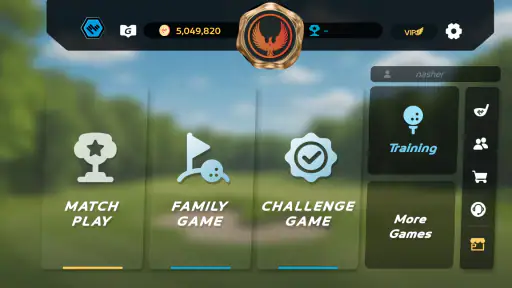
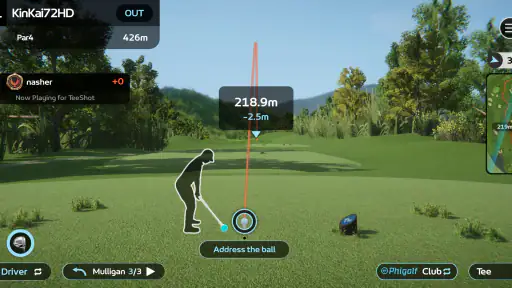
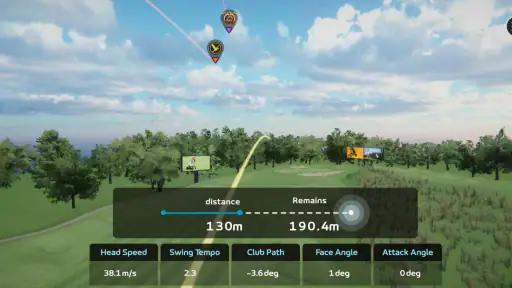
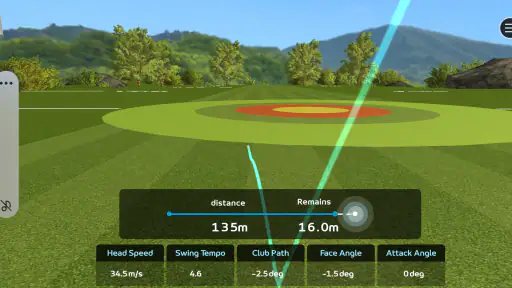
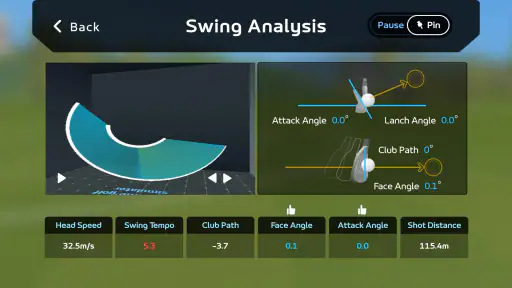
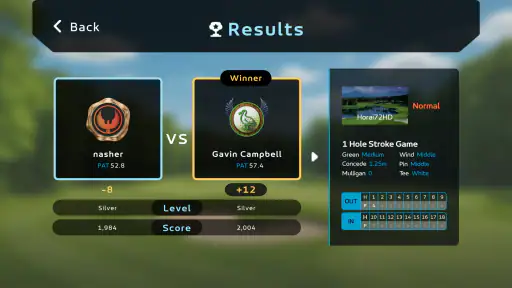
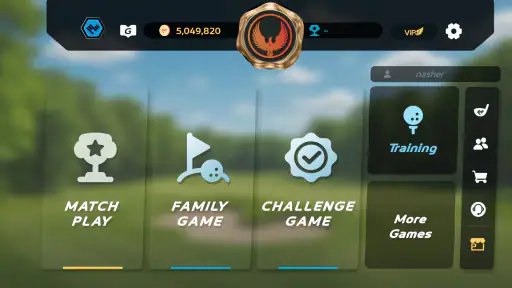
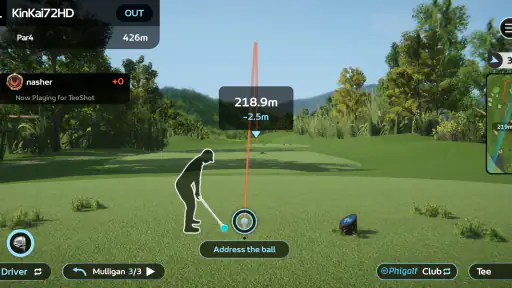
PhiGolf is an interactive golf training and simulation system designed to bring a virtual golf experience into your home. It uses a motion-sensing club and a companion mobile app to track your swing, club movement, and shot direction. After pairing the equipment with a compatible device, you can practice on virtual courses, play different modes, and review basic performance information while using a television or larger screen when supported.
Do I need additional equipment to use PhiGolf?
Yes. PhiGolf is not simply a standalone mobile golf game. The full experience generally requires the PhiGolf motion-sensing club and the appropriate receiver or connection setup, depending on the version of the product you own. You will also need a compatible smartphone or tablet, the PhiGolf application, and enough open space to swing safely. Checking device and accessory compatibility before downloading is strongly recommended.
Can PhiGolf be used indoors, and how much space is required?
PhiGolf is primarily designed for indoor use, which makes it convenient for practicing when weather or access to a real course is limited. However, you still need a clear area large enough to swing the club without hitting furniture, walls, pets, or other people. The exact space depends on your swing and playing position, so users should prioritize safety and follow the manufacturer’s setup recommendations.
Pros
- Compact setup makes indoor practice possible in small spaces.
- Motion-based gameplay offers a more active alternative to traditional golf games.
- Multiple courses and game modes help keep practice sessions varied.
- Useful for casual players who want to improve swing consistency at home.
- Works well for friendly multiplayer rounds and family entertainment.
Cons
- Requires compatible sensors and equipment
- increasing the total purchase cost.
- Motion tracking can be inconsistent if lighting or positioning is poor.
- Indoor use may require enough room to swing safely and freely.
- Advanced golfers may find the simulated feedback less precise than real practice.
- Some features and courses may depend on app updates or connected services.
- Category
- Sports
- Version
- Varies with device





