Orbitz Hotels & Flights
- 14.51K
- 4.8
- Installs
- 5.00M
- Price
- Free

Screenshots


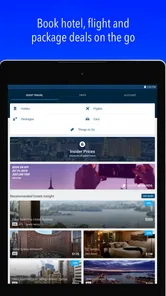
Analysis by Reviewed
When I’m planning a trip, I want to compare the basics without turning the process into a second job. Orbitz Hotels & Flights is a free travel app from orbitz.com, aimed at people who want to arrange hotel stays and flights in one place. I’d treat it as a convenient starting point for a booking, not as a guarantee that every option or fare will be the best available.
What free access means in practice
The app itself is free to download and use, so there’s no purchase price to weigh against its tools. That makes it easy to try while planning a trip, but free access alone doesn’t tell you whether a particular booking is a good deal. I’d compare the final price and the terms for the dates I need before committing, especially when a hotel’s cancellation conditions matter.
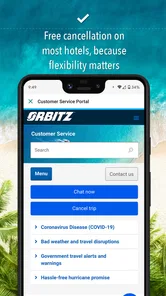
That distinction is useful: the value here is the chance to search and manage travel through a single app, rather than a promise of free travel or savings on every reservation. Orbitz highlights flexible cancellation on many hotels, but I would check the terms on the specific room before booking. “Many” is not “all,” and a flexible option can be more useful than a slightly lower rate if plans are still uncertain.
What the one-app approach can save
Putting flights and hotels in the same planning space is most useful when the trip is still taking shape. If I’m choosing between two weekends, I can consider the lodging and flight options together instead of deciding on airfare first and discovering later that the hotel situation makes that date awkward. This does not remove the need to compare totals, but it can make the early trade-offs easier to see.
For example, if I’m visiting a city for a short event, I might compare arriving late the night before with taking an early flight on the event day. The cheaper flight is not automatically the better plan if it leaves too little room for delays or makes the hotel stay longer. I’d use the app to explore workable combinations, then judge the whole trip rather than treating each search result as an isolated win.
Booking on the Fly
One of the first things you’ll notice about the Orbitz Hotels & Flights app is how incredibly easy it is to use. The interface is sleek and intuitive, making it a breeze to navigate through. Whether you’re booking a last-minute flight or planning a getaway months in advance, this app has got you covered. I was particularly impressed with the variety of options it offers. From budget-friendly accommodations to luxurious suites, you can find it all here.
A Treasure Trove of Options
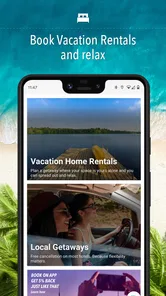
The app isn’t just about hotels and flights; it’s a treasure trove of travel possibilities. Need a rental car or a snazzy vacation package? Orbitz has you covered. I found the filtering options especially handy when narrowing down my choices. You can sort by price, location, amenities, and more. Plus, the app’s real-time updates ensure you’re always getting the latest prices and availability. Talk about convenience!
More From Our News Desk

 Prime Video
Switching to Prime Video: What Changes in Your Viewing Routine
Prime Video can make a compelling second home for streaming, but switching means learning a different catalog, rental layer, and route from browsing to playback.

 Universal TV Remote Control
 Works Best as a Reliable Backup
A phone remote earns its place through quick setup and reliable habits. Here is how to get more from Universal TV Remote Control—and where its limits show.

 Weather - By Xiaomi
Weather by Xiaomi Review: Clear at a Glance, Less Clear Up Close
Xiaomi’s weather app makes everyday forecasts quick to scan, but its calm surface can leave useful details and recovery paths harder to find than they should be.

 X
X Under Pressure: Can It Recover When Posting Goes Wrong?
A resilience-focused review of X, examining setup, mistaken posts, interruptions, weak connections, and the gaps that matter when recovery needs to be dependable.

 Clash of Clans
 Is Won Between the Battles
Its raids are quick; its community is a long-term project of coordination, teaching, rivalry, and shared responsibility—with all the friction that entails.

 Android Auto
 Makes the Case for Quieter Car Software
The car interface is no longer judged by how much it can do, but by how quietly it helps. Android Auto shows what drivers now expect—and what still gets in the way.
Latest News



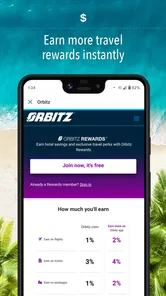
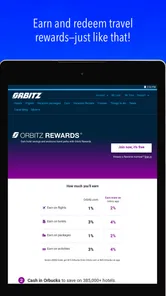
Another neat feature is the rewards program. Every booking earns you Orbucks, which can be redeemed for discounts on future trips. It’s like getting a little gift every time you travel. I mean, who doesn’t love saving money while exploring the world?
Making the search results useful
Filters are most helpful when I use them to remove deal-breakers, not to force a result to look perfect. Before browsing, I’d decide which amenities genuinely matter, how far from the places I’ll visit I’m willing to stay, and what time of day I can realistically travel. That keeps a low displayed price from distracting me from a location or schedule that would make the trip harder.
I’d also make a short list of two or three plausible choices rather than endlessly adjusting filters. For each hotel, I’d compare the room’s cancellation terms and location; for each flight, I’d consider the arrival time and the practical shape of the day. This simple workflow helps me use Orbitz as a decision aid instead of assuming the first attractive result is automatically the right one.
Traveler-Friendly Tools
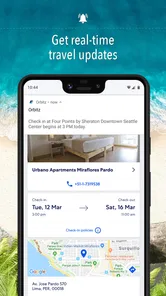
Now, let’s talk about the extra goodies that come with the app. Orbitz offers a price guarantee, so if you find a lower rate on another site, they’ll refund you the difference. It’s a peace-of-mind feature that takes the stress out of booking. The app also sends you flight alerts and notifications, ensuring you’re always in the loop about any changes. I found this particularly helpful whenever I had a tight layover.
In terms of user experience, the app is available on both Android and iOS, and it runs smoothly on both platforms. The loading times are quick, and the performance is solid, which is crucial when you’re trying to make a booking on the go. I didn’t encounter any major glitches or crashes, which is always a win in my book.
Using alerts without handing over the whole plan
Notifications are most valuable when they answer a practical question: has something changed that could affect my connection or next step? I’d keep them enabled when I have a booked flight and a tight onward plan, but I wouldn’t treat an alert as a substitute for checking the airline’s current instructions or the airport display. When travel is time-sensitive, using more than one source for important updates is sensible.
For a flexible trip that is still only an idea, I’d avoid making every choice around alerts or a possible price movement. A fare notification can prompt me to revisit a plan, but it does not decide whether the dates, route, or hotel are right. The useful habit is to set a budget and a workable schedule first, then let a change in price inform—not dictate—the decision.
Where it fits in my travel routine
I find a combined hotel-and-flight search most useful at the early planning stage, when I’m still deciding which dates and area make sense. For a weekend visit, for example, I might compare a hotel near the places I plan to visit with one farther out, then see whether a different flight time makes the overall plan easier. That kind of side-by-side thinking is more valuable than chasing a headline fare in isolation.
A practical tip is to settle the must-haves before browsing: acceptable arrival times, a realistic nightly budget, and whether cancellation flexibility is important. Filters can reduce the clutter, but a cheap result is only useful if its location and conditions work for the trip. I’d also revisit a selection before paying, since travel prices and availability can change while you compare options.
What to check before paying
Before I confirm a booking, I’d read the final itinerary and the terms attached to the exact room or fare, rather than relying on a broad description from the search screen. With a hotel, I’d check whether the cancellation option applies to the room I selected and note any deadline that matters to my plans. With a flight, I’d verify the dates, airports, passenger details, and timing carefully. Those checks are not glamorous, but they are where a convenient search becomes a booking I can rely on.
I’d also take a moment to compare the final total with the alternatives I’m considering. A lower starting price may not be the best fit if its conditions are less flexible or its timing creates extra hassle. Conversely, paying more for flexibility only makes sense when I’m likely to use it. That is the central value judgement with a travel app: the free tool can help me search, but the right choice depends on the details of the specific trip.
When another approach may be better
Orbitz is a sensible option if you like handling core travel searches in one app, but I wouldn’t make it my only comparison. Checking an airline directly can be preferable when you have a complicated itinerary or want to review the carrier’s own booking details. Likewise, a hotel’s direct site may be worth checking if you already know where you want to stay and care about that property’s specific terms. The trade-off is convenience versus doing a little more homework.
I’d be cautious about treating rewards or a price guarantee as automatic savings. Read the relevant conditions and compare the final booking total rather than assuming a benefit applies to every reservation. For an uncertain trip, focus first on the cancellation terms; for a fixed itinerary, compare price, timing, and location together. That small check helps avoid choosing an option that looks attractive in search but doesn’t fit the actual journey.
Where comparison sites and direct booking differ
Compared with searching each airline and hotel separately, Orbitz can make the initial sweep feel more manageable: I can explore flights and places to stay without rebuilding the search from scratch in several apps. That convenience matters when I’m still choosing dates or trying to coordinate a quick break. The trade-off is that a single travel app should not be assumed to show every possible option or the best terms for every provider.
Direct booking is often a better next step when I already know the carrier or property I want, need to study its own policies, or have an itinerary with unusual requirements. A specialist travel adviser may be more appropriate when a trip involves complicated connections or support needs that are hard to resolve through ordinary self-service. I see Orbitz as useful for discovery and comparison, not as a replacement for every booking route.
A realistic short-trip workflow
For a weekend away, I’d start by setting the dates I can actually travel and identifying one or two areas where I’d be comfortable staying. Then I’d compare flight times alongside hotel locations, using the filters to narrow the field rather than trying to inspect every listing. If my dates are uncertain, I’d give extra attention to cancellation terms; if they are fixed, I’d focus more on the complete cost and whether the arrival and departure times leave enough of the weekend to enjoy.
Once I have a plausible option, I’d pause before payment and check the exact reservation details. If I’m traveling with someone else, I’d share the proposed schedule and hotel location before committing, since a result that looks convenient to me may not work for their arrival time or mobility needs. This small coordination step is especially useful when booking on a phone between other tasks, where it is easy to tap through before everyone has agreed.
Who is likely to get the most from it?
This app is best suited to travelers who want to browse hotels and flights together, value a straightforward mobile search, and may appreciate flexible hotel choices. It can also help someone organizing a short break between other tasks: check a few dates, narrow down lodging, and keep travel planning moving without opening a stack of separate searches.
It’s less compelling if you already book through a preferred airline or hotel, need detailed specialist support for a complex trip, or are willing to compare many providers manually to seek the best fit. In those cases, treat Orbitz as one useful reference rather than the final authority. The free download makes trying it low-commitment, while the booking decision still deserves a careful look.
Who may not get enough value
If you take only occasional trips and already have a simple way to book, installing another travel app may not change much for you. Likewise, someone who wants a highly tailored itinerary, personal help with complicated routing, or a particular provider’s full set of direct-booking details may be better served by contacting that provider or using a more specialized service. I would not choose Orbitz just because it puts several travel searches under one roof; the convenience has to match the way you actually plan.
It is also a less convincing choice for anyone who prefers to compare every provider independently and is comfortable spending the extra time. That approach can be worthwhile for a major trip where small differences in policy and timing matter. For a straightforward getaway, though, the app can give you a practical first pass, as long as you keep the final decision grounded in the exact terms and total.
The app has a 4.8 average from around 65,000 ratings and has been installed over 5 million times, which suggests it has found a broad audience, though those figures can’t tell me whether it suits a particular itinerary. It’s rated for Everyone, and version 2025.48.0 runs on Android 10 or later. I’d recommend giving it a look if you want a handy place to begin comparing travel plans, while checking the final terms and total before you book.
My buy-or-skip verdict
Since the app is free to download and use, my decision is less about an upfront purchase and more about whether its combined travel search suits my habits. I’d try it if I wanted a convenient place to compare hotel and flight possibilities, especially for a simple trip where I’m still flexible about dates or location. I’d skip relying on it alone if I needed specialist guidance or had already settled on a provider whose direct terms matter more.
In the end, I think the best reason to use Orbitz is practical convenience, not an assumption that every booking will save money. The app can help me get from a rough idea to a shortlist, but checking the final itinerary, cancellation rules, and total is still part of the job. If that balance sounds right for the way you travel, it is worth a look; if you prefer direct booking or extensive manual comparison, another route may fit better.
So, if you’re a frequent flyer, a backpacker, or someone who just loves a well-planned vacation, give the Orbitz Hotels & Flights app a shot. It’s a travel companion that promises to make your booking experience as smooth as silk. Happy traveling!
Orbitz Hotels & Flights Frequently Asked Questions
Is Orbitz Hotels & Flights suitable for someone who mainly wants to book hotels?
Yes. Orbitz Hotels & Flights is a travel app for browsing and booking accommodation as well as other travel options. Its store summary highlights free cancellation on most hotels, which can be useful if your plans may change. Before confirming a reservation, review the specific room’s cancellation terms and deadlines, since the policy can vary by hotel and booking.
Can I use Orbitz Hotels & Flights to plan a trip before I am ready to book?
The app can be useful for exploring travel options and comparing arrangements as you plan. You can look at available hotels and flights before deciding whether to make a reservation. Keep in mind that availability and booking terms can change, so review the details shown when you are ready to proceed. The app is free to download, letting you explore without an upfront app fee.
Is Orbitz Hotels & Flights available to download for free?
Yes. Orbitz Hotels & Flights is free to download, so you can install it without paying an app purchase fee. Travel reservations made through the app may still have their own costs and terms, so check the price and conditions of each hotel or flight before booking. The app is rated for everyone, making its content suitable for a broad audience.
What should I know about compatibility before downloading Orbitz Hotels & Flights?
Orbitz Hotels & Flights is a travel app for Android and iOS, and it is listed for devices running Android 10 or later. Before installing, check your device’s operating system and make sure you have enough room for the app. The app is free to download, so you can install it and explore its travel-planning features without paying an upfront app fee.
1. What is Orbitz Hotels & Flights app and how does it work?
The Orbitz Hotels & Flights app is a comprehensive travel planning tool that helps users search, compare, and book hotels, flights, and car rentals all in one place. It provides access to a vast database of travel options, allowing users to find the best deals. The app offers features like price tracking, instant booking, and itinerary management to ensure a seamless travel experience.
Pros
- User-friendly interface for easy navigation
- Comprehensive hotel and flight search options
- Attractive discounts and deals available
- 24/7 customer support for assistance
- Seamless booking process with minimal steps
Cons
- Occasional app crashes reported by users
- Limited coverage in some international locations
- In-app ads can be intrusive at times
- Price discrepancies compared to airline sites
- Requires stable internet for optimal performance