Nurse's Drug Handbook
- 281.00
- 4.0
- Installs
- 100.00K
- Price
- Free

Screenshots
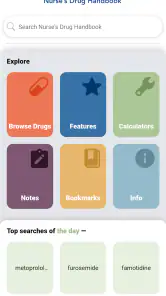
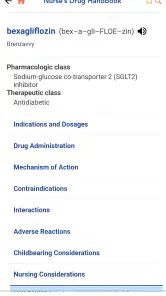
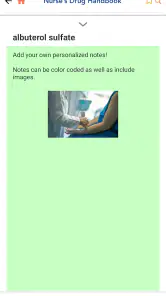
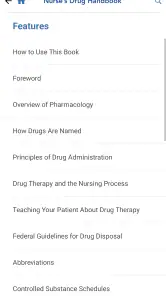
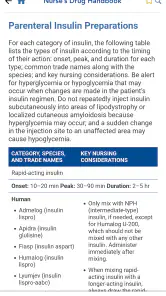
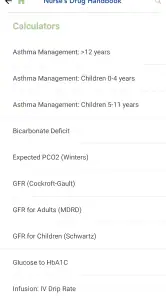
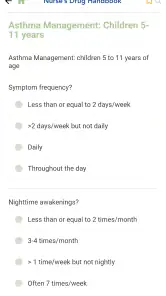
Analysis by Reviewed
When I need a medication reference, I do not want a crowded encyclopedia that makes me dig through unrelated material. I want to reach the relevant drug information quickly, understand what I am reading, and use it as a second reference while following professional guidance. That is the main reason Nurse's Drug Handbook caught my attention. It is a free medical app from AtmosphereApps, aimed at making nursing drug information practical rather than intimidating.
My overall impression is that its strongest idea is not simply putting drug information on a phone. The useful part is the way a focused nursing reference can support a quick check during study, preparation, or a busy clinical routine. That focus makes it more approachable than a general medical search, although it also means I would not treat it as a replacement for a pharmacist, prescriber, institutional protocol, or a current patient-specific clinical system.
The app has an average rating of 4.0 from around 2.4 thousand ratings, with over 100 thousand installs. Those figures suggest a solid audience among people looking for a dedicated nursing reference, while also showing that it is a specialized tool rather than an all-purpose health app. It is available at no upfront cost, with optional in-app purchases ranging from $9.99 to $24.99 per item.
A focused drug reference is the real capability
The central capability here is straightforward: Nurse's Drug Handbook puts a nursing-oriented drug reference into an Android app instead of leaving the user with a large general search engine. That distinction matters. A web search may return patient forums, promotional pages, scattered clinical articles, and information written for very different audiences. A dedicated reference gives me a better starting point because I am already looking in the right kind of resource.
I found this most valuable when I already knew the medication name but needed to organize my thinking around it. Rather than asking only, “What is this drug?” I can approach the entry with practical nursing questions in mind: what should I verify before administration, what details deserve attention during monitoring, and what information should I clarify before explaining the medicine to a patient?
That does not make the app a decision-maker. A reference can help me prepare questions and notice areas that need checking, but it cannot know a patient’s complete history, current laboratory results, allergies, local policy, or the exact instructions issued by a prescriber. The app works best as a structured reference, not as permission to improvise treatment.
This is also why the nursing focus is more useful than it may first appear. A general drug database may be excellent for identifying a medicine or reading a broad description, but a nursing student or practicing nurse often needs to connect the drug with observation and patient care. The value is in reducing the distance between a medication name and the practical checks that surround it.
Why this focus feels different from an ordinary search
In my experience, the biggest advantage of a specialized reference is mental efficiency. When I search the open web, I have to decide which source looks trustworthy before I can even start interpreting the result. With a nursing handbook app, the purpose is clearer from the beginning. I am not browsing general health content; I am consulting a resource designed around medication knowledge relevant to nursing work and education.
That makes it particularly useful for revision. A student can use a drug entry as a starting point for building a study routine: identify the medication, review the important nursing considerations, then compare the information with class notes and official guidance. I would not rely on one app for exam preparation, but it can make review sessions more targeted than memorizing isolated drug names.
The same focus helps in patient education preparation. Before speaking with a patient, I might use the reference to refresh my understanding of the medicine and then translate that knowledge into plain language. The app itself is not the patient conversation. It is the preparation step that helps me avoid explaining a drug from memory when a quick check is available.
How I would use it in practice
The most sensible workflow begins before the medication is given. I would search for the drug, read the entry without jumping straight to one isolated detail, and identify the points that need confirmation from the patient’s chart or the local medication policy. This is a small but important habit: a reference is safer when it supports a complete check rather than becoming a shortcut to one remembered fact.
For example, imagine I am preparing for a shift and encounter a medication I have not reviewed recently. I could open the app during my preparation time, refresh the drug’s purpose and nursing relevance, and write down the questions that still need answers from the approved clinical source. If the patient then asks why the medicine is being used, I have a clearer foundation for a calm explanation while staying within my role.
A second useful workflow is comparison during study. Instead of reading several unrelated websites, I could review a group of medications from the same class one at a time and note how their nursing considerations differ. The app becomes more useful when I actively compare entries rather than passively scrolling. That approach can expose details that are easy to overlook when studying from a list of names alone.
A third workflow is post-study recall. After reading an entry, I would close the app and try to summarize the medication in my own words: its purpose, the observations that matter, and the questions I would ask before administration. If I cannot explain those points clearly, I know that simply looking at the entry was not enough. This turns the reference into a learning aid instead of a place where information disappears after one reading.
I would also keep the app separate from urgent clinical decisions. If a medication question affects immediate patient safety, I would use the current approved source available in that setting and ask a qualified professional. The app can help me recognize what I need to verify, but speed alone is not a reason to accept an unchecked answer.
What the everyday experience is likely to feel like
The app is free to install, which lowers the barrier for students and nurses who want to test whether a dedicated reference fits their routine. The content is rated for Everyone, and the current version is 3.6.1.776. It requires Android 8.0 or later, so compatibility is worth checking before planning to use it on an older device.
The free entry point is helpful, but the optional purchases change how I would evaluate it. I would first explore the accessible material and decide whether the organization matches my study or work habits before paying for anything. Someone who only needs an occasional drug lookup may find the free experience sufficient, while a regular user may consider additional content worth the cost if it improves daily usefulness.
One practical friction is that a phone is not always the best place to read detailed medical information. A small screen encourages quick scanning, and quick scanning can make a user miss context. I would use the app in a quiet preparation moment rather than trying to study a complicated medication entry while distracted or moving between tasks.
Another limitation is the natural tension between convenience and currency. A digital handbook is easier to carry than a printed reference, but medication practice changes and local protocols differ. I would treat the app as one layer in a reference process, checking current institutional material whenever the decision is important or the situation is unusual.
The situation where it makes the most sense
The strongest scenario for this app is a nursing student or early-career nurse preparing for a medication-focused study session or a shift. Suppose I have several medicines on a patient assignment and recognize most of them but feel uncertain about one. I could use the app to refresh the relevant entry, identify the nursing points I need to discuss, and then verify the final details through the approved clinical resources available to me.
That workflow saves more than search time. It reduces the mental effort of deciding where to begin. Instead of opening a general browser and sorting through mixed-quality results, I begin with a resource built around the question I actually have. The benefit is modest for a single casual lookup, but it becomes more noticeable when medication review is part of my regular routine.
It can also help during classroom preparation. I would use one drug entry as a framework, then add information from lectures, textbooks, and official references. The non-obvious benefit is that the app can reveal which parts of my understanding are still vague. If I know the drug’s name but cannot connect it to monitoring or patient communication, I have found a study gap that a simple flashcard may not expose.
Where the trade-offs become important
The app’s narrow purpose is both its strength and its limitation. If I want a broad symptom checker, disease encyclopedia, interaction platform, or patient-record tool, this is not the right choice. Its value depends on wanting a nursing drug handbook specifically. Users who prefer a fully integrated clinical database may find a hospital-approved system more suitable, especially when local formularies and patient-specific information are central to the task.
I would also be cautious about using it as my only source. A handbook can organize knowledge, but it does not replace professional judgment. The safer approach is to use it for orientation, study, and preparation, then confirm high-stakes details through current authoritative materials. That extra step may feel slower, but it is an appropriate trade-off in medication work.
The purchase model is another consideration. Because the app is free with optional items priced from $9.99 to $24.99 each, users should decide what level of access they actually need rather than assuming every feature belongs to the basic installation. I prefer this kind of trial-before-commitment approach, but I also understand why someone looking for a completely open reference might choose another resource.
There is a difference between “easy to reach” and “easy to interpret.” The app can make a drug entry available at the moment I need it, but I still have to understand the terminology and apply it carefully. Beginners may need a textbook or instructor alongside it. Experienced nurses may appreciate the speed but still need to compare the information with local practice.
Who gains the most from this app
I think nursing students are among the clearest beneficiaries. They can use the handbook to reinforce classroom learning, prepare for clinical placements, and practice turning drug information into nursing questions. It is especially useful for someone who feels overwhelmed by broad medical websites and wants a more focused place to start.
New nurses may also gain value from having a portable reference for unfamiliar medications. I would not use it to bypass orientation or ask it to settle a difficult clinical question, but it can support preparation and help me arrive at a conversation with a preceptor better informed.
Practicing nurses who already have trusted institutional tools may find the app less essential. If the workplace provides a current, integrated medication system with local guidance, that resource should remain the primary choice. The handbook may still be convenient for personal study, but convenience alone does not make it superior to a system connected to the patient’s care context.
Patients and family members should approach it differently. A curious reader may learn general background from a nursing reference, but medication questions involving a personal diagnosis, dosage, side effects, or interactions should be discussed with a pharmacist or clinician. The app’s medical category does not turn it into individualized medical advice.
People using iPhones should also note the practical platform issue: the stated minimum operating system is Android 8.0 or later, so this particular listing is relevant to Android users. That makes the app a better fit for someone already using a compatible Android device than for someone seeking a platform-neutral reference.
My final assessment after using it as a reference
I see Nurse's Drug Handbook as a focused companion rather than a complete clinical solution. Its real advantage is the nursing-centered starting point: I can move from a medication name toward practical preparation, observation, and study without first filtering a mountain of general search results.
The app is most convincing when I use it deliberately. I search before a study session, read for context, turn the information into questions, and verify important details through appropriate professional sources. Used that way, it can make medication review more organized and less stressful. Used as an unquestioned authority during an urgent decision, it is not enough.
AtmosphereApps has kept the entry point accessible with a free app, while optional purchases give regular users a reason to examine the available content before spending money. The four-point average suggests a generally positive reception without making the app an automatic choice for everyone. I would recommend trying it to nursing students and Android-based healthcare learners who want a dedicated drug reference and understand its limits.
My recommendation is therefore specific: choose it if you want a portable nursing study and preparation tool, especially when your alternative is an unfocused web search. Skip it if you need patient-specific prescribing guidance, a hospital-integrated database, or a single source that replaces professional verification. For the right user, Nurse's Drug Handbook earns its place by making the first step of medication review clearer, faster, and more relevant to nursing practice.
Pros
- Extensive drug coverage helps with quick bedside reference checks.
- Includes dosage
- interactions
- precautions
- and administration details.
- Useful for nursing students
- educators
- and practicing healthcare professionals.
- Search tools make it easier to locate medications by generic or brand name.
- Regular editions can help users keep information aligned with current practice.
Cons
- Some content may require an in-app purchase or subscription.
- Drug information should still be verified against local clinical guidelines.
- The large database can feel overwhelming for first-time users.
- Updates may not arrive as quickly as changes in medication safety guidance.
- Not a substitute for pharmacist advice or a complete prescribing reference.

- Category
- Medical
- Version
- 3.6.1.776