Nursa
- 477.00
- 4.2
- Installs
- 100.00K
- Price
- Free

Screenshots
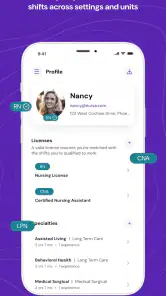
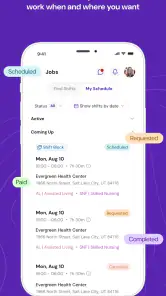
Analysis by Reviewed
I approached Nursa as a working tool rather than a typical health app. It is a medical marketplace app from Nursa INC, built around helping nurses find and fill available shifts. That focus matters: this is not an app for checking symptoms, booking a routine appointment, or replacing a hospital’s internal scheduling system. Its usefulness depends on whether you are a nurse looking for additional work and whether the shifts shown in your area fit your professional situation.
The app is free to download, which makes trying it a relatively low-risk decision. I would still separate “free access” from overall earnings or value. The app does not cost anything at the point of download, but the practical benefit comes from the shifts you can find and complete through the marketplace. In other words, the important question is not whether the app is free; it is whether it helps you discover suitable nursing work more efficiently than the alternatives you already use.
How Nursa works in everyday nursing work
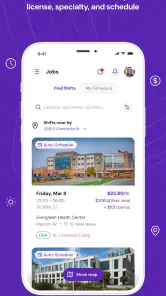
The most useful way to think about Nursa is as a shift-discovery layer between nurses and healthcare facilities. Instead of depending only on a manager’s message, a noticeboard, or a staffing agency representative, a nurse can use the app to look for open opportunities in one place. That can be especially helpful when your schedule changes from week to week or when you want to consider extra shifts without committing to a permanent move.
My first recommendation would be to use it as a supplement to your existing work routine, not as your only source of income from the first day. A marketplace can be valuable because it widens your view of available work, but availability and suitability are always local and personal. A shift that looks convenient on a phone may still be a poor choice if the travel time, clinical setting, hours, or requirements do not match your circumstances.
The app’s medical category also sets a higher standard than a general gig platform. Nursing work involves credentials, professional judgment, patient safety, and clear expectations. That means a quick listing is not enough on its own. Before accepting anything, I would carefully review the facility, timing, location, role, and any information attached to the shift. Treating each listing as a real clinical commitment is essential.
What the free price really means
Nursa is available at no purchase price, and that is its clearest financial advantage. You can evaluate the marketplace without paying an upfront subscription or buying the app before seeing whether it fits your work pattern. For a nurse who is curious about occasional shifts, that removes a common barrier.
However, free access should not be mistaken for a promise of guaranteed work or guaranteed income. The app’s value is conditional: it depends on the opportunities available to you, your eligibility, your schedule, and your willingness to travel or work in the environments shown. I would judge it by the quality and relevance of the opportunities it puts in front of you, rather than by the download price alone.
This distinction is important when comparing it with traditional staffing routes. A staffing agency may offer a more guided relationship, while a hospital’s own scheduling system may provide work within a familiar organization. Nursa’s advantage is the possibility of browsing marketplace opportunities directly. Its trade-off is that you may need to do more of the decision-making yourself instead of relying on one coordinator who already knows your preferences.
Where the app can save time
The strongest practical benefit is concentration. When nurses search through several conversations, facility contacts, and job pages, it is easy to lose track of which shifts are still available or which ones match a particular week. A dedicated marketplace can make that search feel more deliberate. I found the concept most appealing for nurses who want to compare possibilities before choosing, rather than waiting for one employer to offer a shift.
A realistic example would be a nurse who finishes a regular schedule on Thursday and notices that the following week has an unexpected open day. Instead of contacting multiple facilities individually, the nurse can check the marketplace, compare suitable shifts, and decide whether one fits around rest, commuting, and existing commitments. The benefit is not simply speed. It is having a clearer view of options before making a professional commitment.
There is also a useful psychological advantage to separating browsing from accepting. Looking at possible work does not have to mean saying yes immediately. I would use the app first to learn what kinds of shifts appear in my area and how far ahead they are posted. That information can help reveal whether the platform is genuinely useful for my schedule before I begin relying on it.
Three practical habits that improve the experience
First, I would check the app at a consistent time rather than opening it only when I urgently need work. A regular glance can help you understand the rhythm of listings and avoid making a rushed decision after a long shift. This is a workflow tip, not a promise that new opportunities will always appear when you look.
Second, I would keep a personal checklist beside the app. Before accepting a shift, I would confirm the start and end time, location, travel plan, clinical environment, and whether the commitment conflicts with recovery time or another obligation. Marketplace convenience can encourage quick taps, but nursing schedules require a slower final review.
Third, I would treat distance as part of the real value calculation. A shift that appears attractive may become much less worthwhile after fuel, parking, public transport, or unpaid travel time. The app can help you find opportunities, but it cannot make a distant shift convenient. I would compare the complete time commitment, not just the hours spent inside the facility.
These habits are particularly important because an app can make the discovery stage feel simple while the professional decision remains complex. The better Nursa works for you, the more disciplined you should be about checking details before accepting an opportunity.
What I liked about the overall proposition
I like that the app is aimed at a specific professional need instead of trying to become a general-purpose healthcare product. Nurses do not need another symptom checker when they are trying to find work. They need a practical way to see opportunities and decide whether those opportunities fit. Nursa’s narrow purpose gives it a clearer identity than many medical apps.
The fact that it is free also makes experimentation sensible. A nurse can install it, inspect the marketplace, and decide whether it adds anything beyond existing contacts and employer systems. That is a better value proposition than paying before knowing whether the local supply of shifts is relevant.
The app has also reached a meaningful audience, with over one hundred thousand installs and an average rating of 4.2 from around two thousand ratings. Those figures suggest that it is not an obscure experiment, although they should not be read as proof that every nurse will find suitable work in every location. Marketplace usefulness is naturally more dependent on local activity than a simple popularity score.
Where the trade-offs become clear
The main limitation is that Nursa cannot control the underlying availability of nursing shifts. If your area has few suitable listings, the app may feel disappointing even if the interface is easy to use. A nurse in a large or active market may get more value than someone whose preferred facilities rarely use the marketplace. That is why I would test local relevance early instead of assuming the experience will match what another nurse describes.
There is also a possible loss of continuity compared with working through one familiar employer. When you use a hospital’s internal system, you may already know the unit, documentation habits, team structure, and expectations. A marketplace expands choice, but each new facility may require more preparation. If you strongly prefer predictable surroundings and established relationships, Nursa may feel less comfortable than your current arrangement.
Another trade-off is decision fatigue. More options are not automatically better. If several shifts appear at different locations and times, you still need to compare them carefully. I would rather see fewer appropriate choices than a long list that encourages me to accept something merely because it is available. The app is most valuable when it supports good decisions, not when it turns every open day into a reason to work.
Nurses should also remember that a marketplace app is not a substitute for professional verification. I would not accept a shift without understanding what is expected of me and whether the role fits my qualifications and current readiness. This is one area where a direct conversation with a staffing contact or facility may still be preferable, particularly when the assignment involves unfamiliar responsibilities.
Who is likely to get the most value?
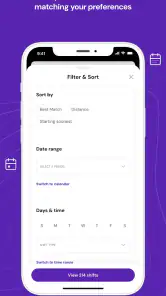
Nursa makes the most sense for nurses who want flexibility and are comfortable evaluating opportunities independently. It may suit someone seeking occasional shifts, someone rebuilding a work schedule, or someone who wants to look beyond a single employer. The free entry point is especially helpful for these users because they can explore without adding a subscription expense to an already unpredictable work search.
It may also help nurses who dislike waiting for a coordinator to respond. Browsing available work directly can feel more efficient when you already know the days, locations, and types of shifts you are willing to consider. The app is a better match for an active searcher than for someone who wants every detail arranged personally by an agency representative.
On the other hand, I would be cautious about recommending it as the only option for a nurse who needs guaranteed hours, a stable unit, or extensive personal guidance. If your priority is a long-term placement with one employer, a conventional hiring process may be better. If you need someone to negotiate every detail for you, a direct staffing relationship may offer more reassurance.
The app is also not the right choice for people outside nursing or for anyone expecting general medical advice. Its purpose is employment-related, and that specialization is both its strength and its boundary. Installing it will not help with medication reminders, patient education, appointment management, or personal health tracking.
Device basics and first impressions
The current Android release is version 5.1.167, and it supports devices running Android 7.0 or later. That gives it a reasonably broad reach for people who do not use the newest phone available. I would still keep the app updated when possible, especially for a work tool where current listings and account behavior matter more than decorative extras.
The content rating is Everyone, which reflects that the app is broadly suitable to install from an age-rating perspective. That does not remove the need for professional maturity when using it. The sensitive part of the experience is not entertainment content; it is the responsibility attached to accepting nursing work and handling your schedule carefully.
Nursa was released on February 3, 2020, and its continued presence alongside the current version gives it more history than a brand-new marketplace. I see that as a modest point in its favor, but not as a guarantee of local activity or perfect reliability. The useful test remains whether the app presents opportunities that are genuinely relevant to your practice and routine.
My recommendation after weighing the value
I would recommend installing Nursa if you are a nurse who wants to explore flexible shift opportunities and you are prepared to make careful decisions about each assignment. Since access is free, the sensible approach is to treat the first stage as a local trial: inspect the available work, see whether the locations and schedules make sense, and compare the experience with your current methods.
I would not recommend abandoning an established employer, agency, or professional network solely because a marketplace is convenient. Those alternatives may provide continuity, clearer expectations, or more personal support. Nursa is better viewed as an additional channel that can broaden your search. Its value is strongest when it adds options without pressuring you to accept unsuitable work.
For me, the deciding factor is flexibility rather than the download price. Free access makes the experiment worthwhile, but the app earns its place only when the opportunities are useful after considering travel, preparation, timing, and professional fit. The best use of Nursa is as a deliberate shift-finding tool, not a shortcut around careful nursing judgment.
Overall, I see Nursa as a focused medical employment app with a clear audience and a sensible free-entry model. It can be a practical companion for nurses who want more control over how they search for shifts, especially when their schedules are variable. I would skip it if you need guaranteed hours, a single familiar workplace, or hands-on staffing support. For everyone else, it is worth trying with realistic expectations and a personal checklist ready before accepting anything.
Nursa INC has built something more specific than a generic job board, and that specificity is what gives the app its appeal. It does not solve every staffing problem, and it cannot create suitable shifts where none exist. But when its marketplace matches your location and professional needs, it can make the search more organized and give you another way to shape your working week.
Pros
- Lets nurses browse shifts by location
- specialty
- and schedule.
- Clear shift details help compare facilities before applying.
- Useful for finding extra work without long-term commitments.
- In-app messaging can simplify communication with healthcare facilities.
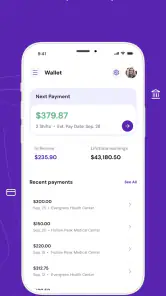
- Helps organize applications and booked shifts in one place.
Cons
- Availability depends heavily on your local healthcare market.
- Some shifts may require specific licenses
- credentials
- or experience.
- Last-minute cancellations can disrupt an otherwise planned schedule.
- The app may request extensive professional and personal information.
- Payment timing and rates can vary by facility and completed shift.

- Category
- Medical
- Version
- 5.1.167