MySudo - Identity Protection
- 739.00
- 4.2
- Installs
- 500.00K
- Price
- Free

Screenshots
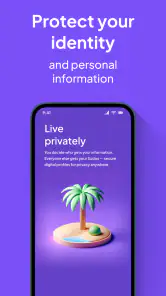
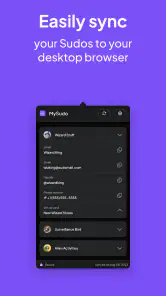
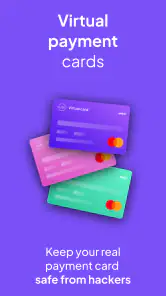
Analysis by Reviewed
I installed MySudo - Identity Protection to see whether it could become a practical part of an everyday privacy and productivity routine rather than just another app that promises safer online activity. My conclusion is fairly clear: it is most useful when you deliberately separate different parts of your digital life, instead of treating every website, seller, service, and conversation as equally trustworthy. The app gives you a way to create private contact identities, and that simple idea can make online errands easier to control.
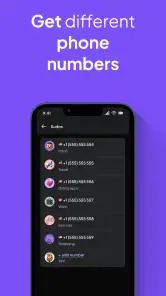
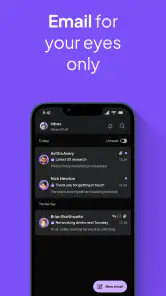
MySudo is a free productivity app from Anonyome Labs, Inc. It is aimed at people who want more distance between their real contact details and the services they use. The central appeal is the ability to create up to nine separate private phone numbers and email addresses. That makes it more than a disposable-contact tool: used consistently, it can become a small system for sorting incoming communication and deciding who deserves access to your primary identity.
I would not describe it as a complete security solution, and I would not install it expecting every privacy concern to disappear. Its value comes from changing your habits. If you use one private identity for shopping, another for appointments, and another for less familiar online services, you gain useful separation. If you create identities randomly and then forget which one belongs to which service, the same flexibility can become confusing.
Building a safer workflow before handing over your real details
Before using the app, I found it helpful to think about the problem it is solving. Most people give their main phone number and email address to a long list of businesses because it is quick. That convenience has a cost: marketing messages, follow-up calls, account notices, and unwanted contact all arrive through the same channels as messages from friends, family, banks, and important services.
The usual alternatives are not especially satisfying. You can create a second email account, buy another SIM, use a webmail alias, or rely on a temporary address. Each approach handles only part of the problem. A second email account may help with newsletters, but it does not give you a separate phone identity. A spare SIM can be inconvenient to maintain. Temporary addresses are often unsuitable for accounts you may need to recover later.
MySudo sits between those options by bringing private phone numbers and email addresses into one identity-focused app. The useful distinction is not simply “real number versus fake number.” It is deciding which contact identity belongs to which part of your life. I found that choice more important than the act of creating an address itself.
For example, imagine arranging a repair visit for your home. You may need to communicate with the company for a few days, but you probably do not want that conversation mixed with personal calls forever. A dedicated identity gives the business a clear channel while keeping your main details out of the exchange. The same approach works for online selling, event registrations, local services, trial accounts, or a new retailer you have not used before.
More From Our News Desk

Clash of Clans Is Won Between the Battles

Android Auto Makes the Case for Quieter Car Software

MobiOffice: Transforming Mobile Productivity with Seamless Integration

EA SPORTS FC™ Mobile Soccer: Redefining Mobile Sports Gaming

How Microsoft OneDrive Became a Mobile Productivity Giant

How Google Translate Breaks Language Barriers Effortlessly
The best result comes from planning the separation before you need it. I would decide in advance which identity is for commerce, which is for appointments, and which is for unfamiliar services. That small preparation prevents the common mistake of using the first available address everywhere and then losing the privacy benefit through repetition.
Why separate identities can improve productivity
Privacy and productivity overlap here. A crowded inbox and a phone full of promotional calls create friction, even when none of the messages is dangerous. Separating contact channels makes it easier to recognize context. A message arriving through a shopping identity is immediately different from one sent to a personal identity. That can reduce the mental effort of sorting everything manually.
This does not mean every message becomes trustworthy. A private identity can still receive spam, scams, or badly targeted advertising. The advantage is containment. When a channel becomes noisy, you can treat it as a problem with that identity rather than allowing the problem to spread across your whole digital life.
I also like the idea of testing a service without committing your primary contact information. If a company asks for a phone number before you know whether its service is worthwhile, a separate identity gives you room to evaluate the relationship. That is especially useful for sites that may send frequent updates or promotional material.
There is a trade-off, though. Separation only works if you remember what each identity is for. I recommend keeping a simple private note outside the app that records the purpose of each one. Do not write sensitive account details in that note; just use labels such as “online purchases,” “appointments,” or “new services.” This makes the system easier to maintain without turning it into another complicated administration task.
Capturing communication without losing the bigger picture
Once the identities are created, the next challenge is organization. The app can help you establish different contact points, but the organization still depends on your decisions. I would avoid creating a new identity for every single website. That sounds private, but it can produce a maze of addresses that is difficult to remember and harder to update.
A better workflow is to group services by risk and purpose. One identity might handle retailers and delivery services. Another could be reserved for appointments and local providers. A third might be used for experimental services that you are not sure you will keep. This creates meaningful boundaries while keeping the number of channels manageable.
That grouping also makes future cleanup easier. If the shopping identity starts receiving too many promotional messages, you know which relationships to review. If an unfamiliar service begins calling repeatedly, you can identify the relevant channel without exposing your personal number. This is a more sustainable approach than constantly deleting individual messages and hoping the next one does not arrive.
For people who sell items online, a separate identity can be particularly practical. Buyers can contact you without receiving your everyday number, and you can keep those conversations separate from personal communication. I would still avoid sharing unnecessary information in messages, because a private contact channel does not replace sensible judgment about what you reveal.
A repeatable routine that keeps the app useful
The app works best when it becomes part of a repeatable routine. My suggested process is simple: create an identity with a clear purpose, use it consistently, review the messages that arrive there, and retire or stop using the channel when it no longer serves that purpose. The important part is consistency. If you use the private identity once and then switch back to your main details, the separation becomes incomplete.
When signing up for a service, I would pause before entering contact information and ask whether the company needs a long-term way to reach me. If the answer is uncertain, a dedicated MySudo identity is a sensible option. If the service is important and may require account recovery, I would keep careful track of which identity I used. Privacy is not helpful if you later cannot receive a legitimate verification or support message.
I would also schedule occasional reviews. This does not need to become a weekly project. A quick check every so often is enough to identify channels that have become noisy, irrelevant, or associated with a service you no longer use. The purpose is not to monitor every message obsessively; it is to keep the structure understandable.
One non-obvious benefit is that this routine can reveal how different services treat your contact information. If one identity receives a sudden wave of marketing after a particular registration, you have a clue about which relationship needs attention. That does not prove how the information was handled, but it gives you a practical signal that would be invisible if every service shared your main inbox and phone number.
The app is free to install, while in-app purchases range from under a dollar to amounts reaching the higher end of the listed range per item. That means I would begin with a specific use case rather than paying for possibilities I have not tested. Decide what problem you want to solve first, then see whether the available setup fits that need.
Where the workflow can fail
The biggest weakness is identity management. The more contact points you create, the more responsibility you take on for remembering them. Someone who wants a completely automatic privacy layer may find this frustrating. MySudo can provide separation, but it cannot decide which identity belongs to a service or remind you why you created one unless you maintain your own system.
Another failure point is assuming that a private phone number or email address will be accepted everywhere. Services sometimes impose their own registration rules, and a separate contact identity may not suit every account or communication need. I would treat it as an option to try, not a universal replacement for your primary details.
There is also a difference between privacy and anonymity. Using a separate contact identity reduces unnecessary exposure of your usual information, but it does not make your broader online activity invisible. You still need strong passwords, careful handling of links, sensible account recovery choices, and awareness of what you post or disclose. The app is one layer in a larger routine, not a substitute for all other precautions.
Notifications can create their own distraction if you set up too many identities without a clear reason. The point of separation is to make communication easier to interpret, not to multiply the number of places you must check. I would start with the smallest arrangement that solves the immediate problem and expand only when a new boundary is genuinely useful.
People who need a full business phone system, advanced team collaboration, or a conventional second mobile line may prefer a different category of service. Likewise, someone who only wants a spare email address for newsletters may find a normal email alias simpler. MySudo makes more sense when the combination of private phone and email identities is the actual requirement.
Who should adopt this approach
I think the app is a strong fit for online shoppers, frequent users of local services, people who sell items online, and anyone who regularly signs up for unfamiliar websites. It is also useful for users who have already experienced unwanted calls or marketing and want a cleaner way to separate future registrations from their personal contact details.
It can help families establish clearer boundaries around service registrations, although each person still needs to understand which identity is being used. It may also suit freelancers who want to keep client inquiries distinct from personal communication without immediately maintaining a separate physical phone.
I would be more cautious recommending it to someone who dislikes organizing accounts or rarely encounters unwanted contact. If your digital life is simple and you are comfortable using one email address and number, adding several identities may feel like unnecessary work. The app rewards intentional use, so its benefits are smaller when the user does not want to maintain the system.
On device compatibility, the app requires a relatively modern mobile operating system, with support beginning at version 8.0. Its content rating is Everyone, so the intended audience is broad. The current release is version 2.16.2, and the app has passed the point of being a brand-new experiment: it was released in May 2020 and has attracted over 500 thousand installs. Its average rating is 4.2 from around 3.3 thousand ratings, with hundreds of written reviews, which suggests a substantial user base while still leaving room for individual experiences to vary.
Those figures do not change my main judgment. The important question is whether you will use the identities as part of a clear routine. If you want one tap to solve every privacy problem, this is probably not the right expectation. If you are willing to create sensible boundaries and keep track of them, the app can make everyday online communication more manageable.
My final experience using it as part of a privacy routine
What I appreciate most is the shift in mindset. Instead of handing out my primary phone number and email address by default, I can decide whether a service has earned that level of access. That is a small decision, but repeated over time it creates a more organized digital life. The app is most convincing when used for real situations such as shopping, appointments, selling items, and testing unfamiliar services.
I would start slowly, label each identity by purpose, and avoid creating more channels than I can realistically monitor. I would also keep a recovery record for important accounts, because privacy is not useful if I later forget which contact identity is attached to them. Those habits address the main weakness: the tool gives you control, but you must provide the structure.
MySudo is worth trying if you want practical separation between your personal contact details and the services you use online. It is not the best choice for everyone, and it does not replace broader security habits. For the right user, though, it turns a vague wish for more privacy into a repeatable workflow: choose a boundary, use a dedicated identity, observe what comes through, and adjust when that channel no longer deserves your attention.
MySudo - Identity Protection Frequently Asked Questions
Who develops MySudo, and what kind of app is it?
MySudo is a productivity app developed by Anonyome Labs, Inc. Its focus is helping you manage separate contact details for different areas of your life, rather than relying on one phone number and email address everywhere. The app is intended for people who want more control over how they share personal information when communicating or signing up for services.
What is MySudo - Identity Protection used for?
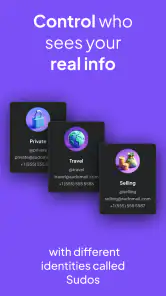
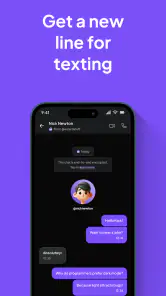
MySudo is a privacy-focused identity protection app that lets you create separate digital identities, known as Sudos, for different parts of your life. Each Sudo can include a phone number, email address, messaging features, and other contact details. This helps you keep personal information private when shopping, dating, selling items online, or communicating with unfamiliar people.
Does MySudo provide real phone numbers and email addresses?
Yes, MySudo can provide phone numbers and email addresses that you use instead of your personal contact details, depending on the plan and region available. These details can be used for calls, texts, account registrations, and email communication. However, compatibility may vary, and some websites or services may reject virtual numbers for verification or account recovery.
Is MySudo free to use, or does it require a subscription?
MySudo offers a limited free experience, but many of its most useful privacy features require a paid subscription or in-app purchase. Premium plans may provide additional Sudos, phone numbers, calling and messaging allowances, email features, and other identity-management tools. In-app purchases range from $0.99 to $149.99 per item, so review the current pricing, renewal terms, and regional availability in the app store before choosing a plan.
Can MySudo protect me from spam, scams, and unwanted contacts?
MySudo can reduce exposure to spam and unwanted communication by allowing you to give different people or businesses separate contact details. If one number or email address starts receiving excessive messages, you may be able to stop using or deactivate that identity without changing your main personal details. It does not guarantee complete protection from scams, phishing, or identity theft.
Pros
- Create separate phone numbers
- emails
- and identities for different activities.
- Helps keep your personal contact details private when signing up for services.
- Includes tools for managing communications from multiple identities in one place.
- Useful for reducing spam and limiting exposure after a data breach.
- Offers privacy-focused features without requiring a traditional second phone.
Cons
- Many useful features require a paid subscription or higher-tier plan.
- Availability of phone numbers and services can vary by country or region.
- Some websites may reject MySudo numbers for verification codes.
- Managing several identities can become confusing without careful organization.
- Emergency calls and certain official services may require your real identity.
- Category
- Productivity
- Version
- 2.16.2